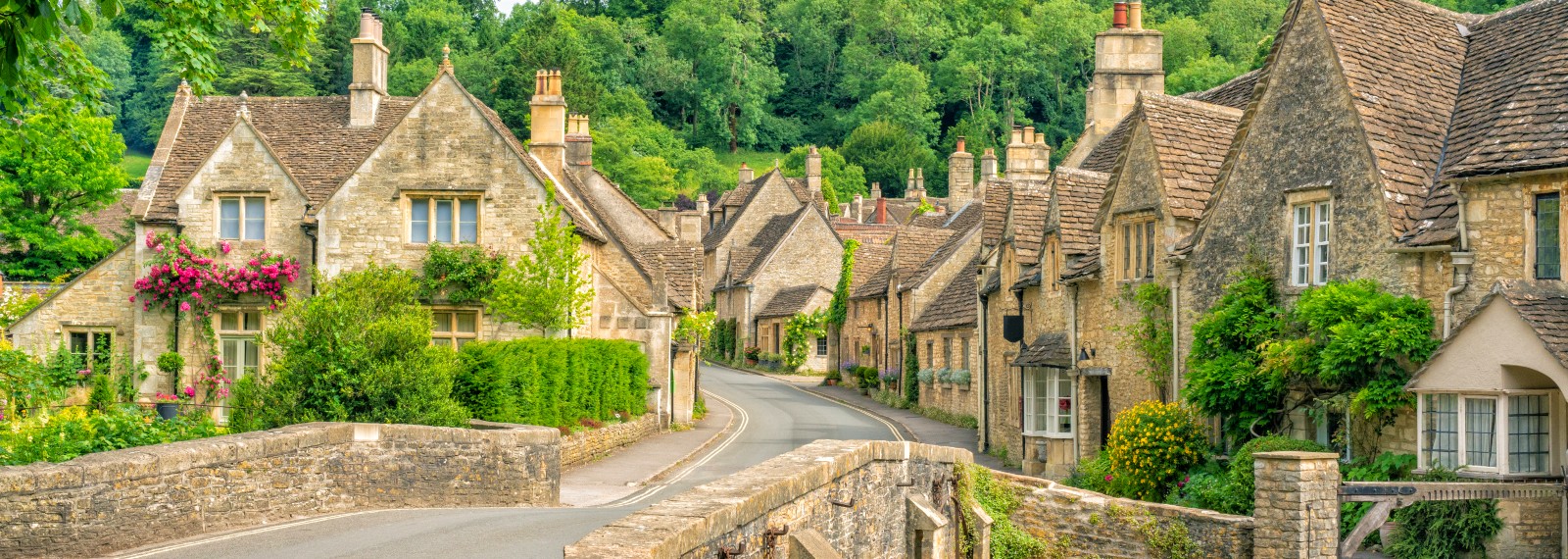
Great Britain
England, Wales, and Scotland Travel Guide
Great Britain is the largest island in Europe and the ninth largest in the world, covering approximately 209,000 km². Geographically, it comprises three distinct nations — England, Scotland and Wales — each with its own cultural identity, history and, in many cases, its own language. Within just a few days of travel, it can take you from the Victorian pubs of London to the wild expanses of the Scottish Highlands, from the stone villages of the Cotswolds to the rugged coastline of Cornwall.
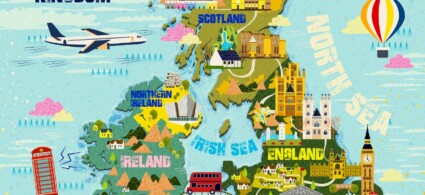
It’s important to note that Great Britain is not synonymous with the United Kingdom, though the two terms are often confused. The United Kingdom, whose full name is “United Kingdom of Great Britain and Northern Ireland”, also includes Northern Ireland, which is located on the island of Ireland. Therefore, whilst Great Britain refers specifically to the main island comprising England, Scotland and Wales, the United Kingdom is the political entity that governs these territories plus Northern Ireland.
From a geographical perspective, Great Britain is bordered to the east by the North Sea, to the south by the English Channel — which separates it from France by just 34 km at its narrowest point — and to the west by the Irish Sea. This position has shaped its maritime and commercial vocation over the centuries, making it the world’s leading power for a long time. Today that history can be read in every corner of the country: in London’s free museums, in Wales’s medieval castles, in the whisky distilleries of the Highlands.
Visiting Great Britain means encountering three destinations that, despite sharing the same island, have profoundly different character, landscapes and traditions. Understanding the distinctive features of each nation is the first step to organising a truly rewarding itinerary.
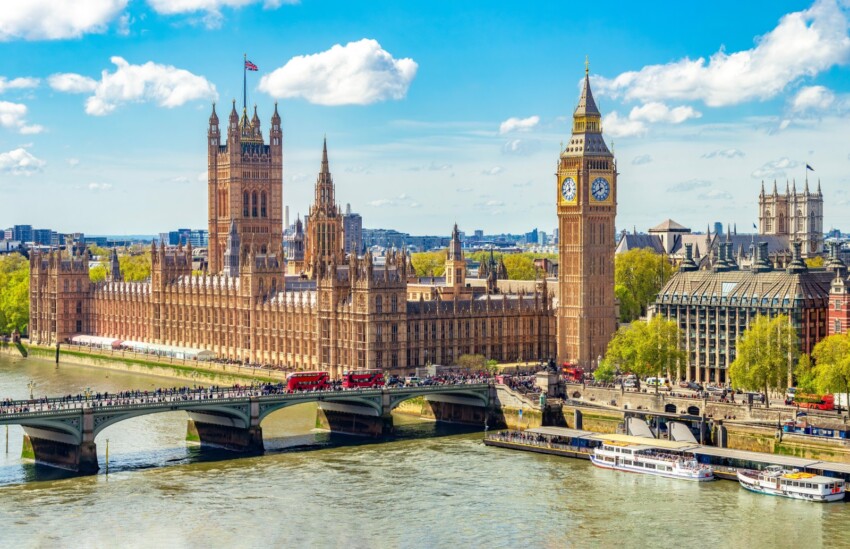
England is the most populous nation in Great Britain, with approximately 57 million inhabitants, and is home to the capital of the United Kingdom, London. It’s a territory that surprises with its variety: cosmopolitan and ultra-modern metropolises coexist with almost perfectly preserved medieval villages, royal forests and national parks just a few hours’ train ride from the capital’s centre.
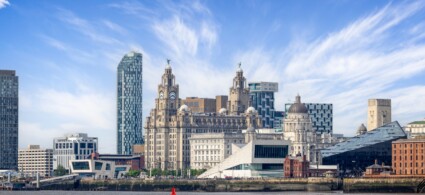
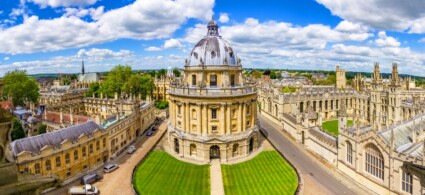
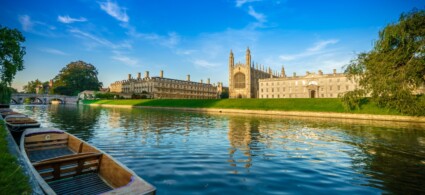
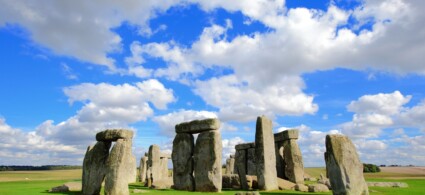
London alone could occupy weeks of exploration, with its free-entry museums — from the British Museum to the Natural History Museum — historic markets, royal parks and neighbourhoods like Notting Hill and Camden Town. But away from the capital, England reveals equal charm: the honey-coloured stone villages of the Cotswolds, the Roman baths of Bath, the Neolithic mysteries of Stonehenge, the musical vibrancy of Liverpool and the university heritage of Oxford and Cambridge.
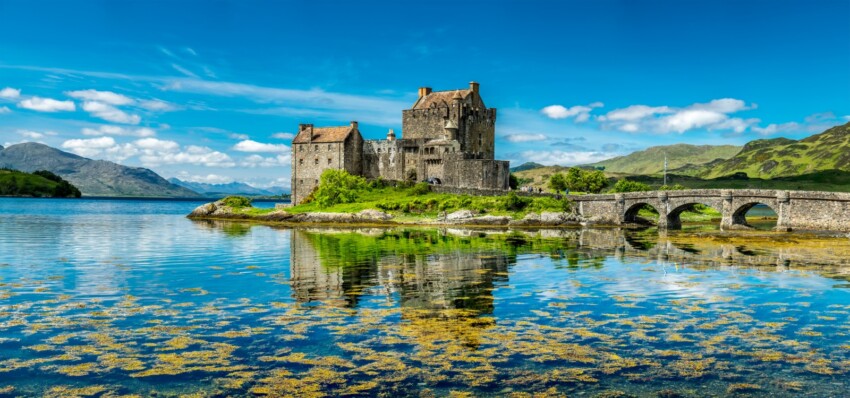
Scotland occupies the northern third of the island and covers approximately one-third of Great Britain’s total area, but is home to only 9% of the population. It’s the land of extreme landscapes: the Highlands with their silent lochs and peaks exceeding 1,000 metres, the remote islands of the Hebrides, the Orkney Islands and the Shetland Islands, and the majestic beauty of the glens.
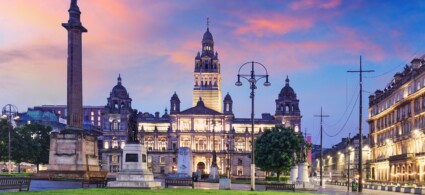
The capital Edinburgh is one of Europe’s most captivating cities, with its castle dominating the Old Town from atop a volcanic crater and the Georgian New Town district designated as a UNESCO World Heritage Site. Glasgow, the largest city, is instead a constantly evolving cultural and artistic hub. For nature enthusiasts, the Isle of Skye and Loch Ness are stops you’re unlikely to forget.
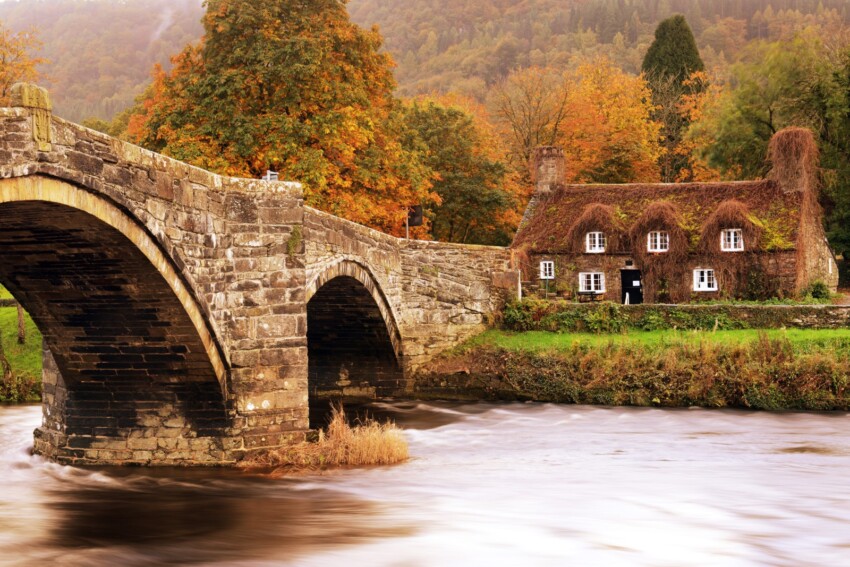
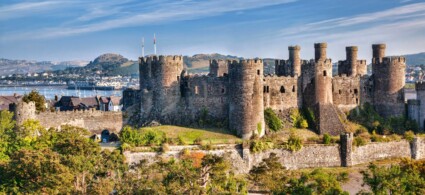
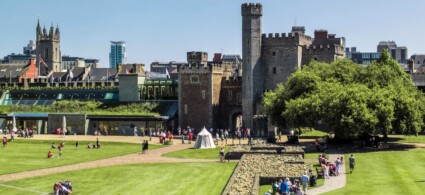
Wales is perhaps the least well-known nation in Great Britain amongst international travellers, but it’s the one that holds the most authentic surprises. It boasts over 600 castles — including some of the world’s most imposing medieval fortresses — and a coastline of approximately 1,400 km, partly encompassed within the Pembrokeshire Coast National Park. The capital Cardiff is a compact and liveable city, ideal for a weekend break, with its medieval castle in the heart of the centre and the revitalised Cardiff Bay. But the true spirit of Wales is found in the national parks of Snowdonia and Brecon Beacons and in rural communities where Celtic tradition is very much a living heritage.
Great Britain can be visited year-round, but the seasons make a significant difference both to your experience and costs. Spring (April-May) is the most balanced period: temperatures settle between 10 and 16°C, days lengthen, London’s parks burst into bloom and tourist crowds haven’t yet reached their summer peak. It’s the ideal time to visit London and university cities such as Oxford and Cambridge.
Summer (June-August) is the busiest and most expensive season. Temperatures rarely exceed 25°C in England, but can be very pleasant in the Scottish Highlands, where daylight lasts until 10 pm. August coincides with the Edinburgh Festival Fringe, Europe’s largest cultural event: book accommodation and tickets at least three months in advance.
Autumn (September-October) is preferred by many experienced travellers: lower prices than summer, smaller crowds and golden light that highlights the landscapes of the Highlands and Cotswolds. Scottish heathland turns red and orange, creating stunning photographic panoramas. Winter, finally, shouldn’t be dismissed: London comes alive with Christmas markets, the Winter Wonderland in Hyde Park and the lights of Bond Street, whilst Edinburgh celebrates Hogmanay, the Scottish New Year, with three days of celebration among Europe’s most spectacular.
Great Britain lends itself to very different itineraries, depending on the time available and your interests. Those with a week can choose to concentrate on London (3-4 days) with one or two excursions to nearby areas — Bath and Stonehenge in a single day, or Oxford and the Cotswolds — and a few days in Edinburgh, reachable in an hour by plane or in less than five hours by train.
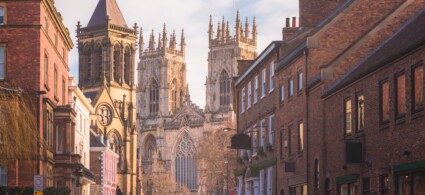
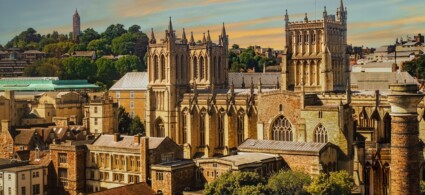
With two weeks, the possibility opens up for a more varied circular itinerary: London, then northwards through York and Yorkshire, to Edinburgh and the Highlands. Alternatively, you can explore the western side: from the Cotswolds to Cornwall, passing through Bath and Bristol, reaching Wales with its medieval fortresses.
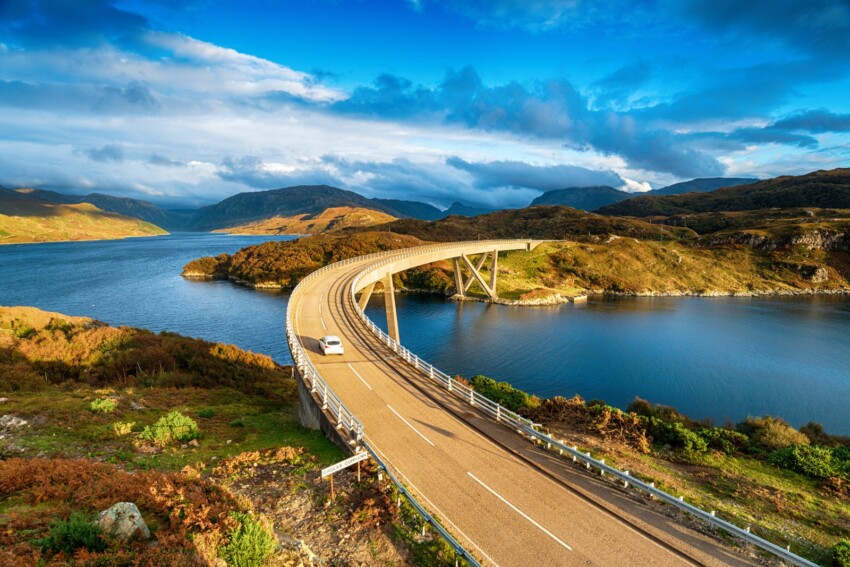
For those who love road trips, the North Coast 500 in Scotland — the 500-mile route that skirts northern Scotland starting from Inverness — is considered one of Europe’s most scenic drives and requires at least 5-7 days of relaxed driving. Similarly, Cornwall’s coastal road offers unforgettable views of lighthouses, coves and fishing villages. In both cases, car hire is essential and it’s worth planning the route in Scotland in advance, especially in summer when the single-track roads of the Highlands get congested during midday hours.
Great Britain is served by numerous direct flights from across Europe, operated by both budget and full-service airlines. The main entry points are London’s airports — including Heathrow, Gatwick, Stansted and Luton — along with Edinburgh Airport and Glasgow Airport. Flight times to London are typically between two and two hours and forty-five minutes.
Alternatively, you can reach Great Britain via Eurostar from Paris or Brussels, with the train passing through the Channel Tunnel in approximately 35 minutes and arriving directly at London St Pancras station. This option is particularly appealing if you’re travelling from continental Europe and prefer to avoid flying. For entry requirements, consult the page on documents needed to travel to the United Kingdom: following Brexit, all visitors require a valid passport.
The international dialling code for Great Britain is +44, followed by the area code without the leading 0. This applies throughout the United Kingdom, so to call a British number from abroad, you need to dial +44 followed by the recipient’s number.
Great Britain operates on GMT (Greenwich Mean Time) or UTC +0, which is generally one hour behind Central European Time (CET). During the summer months, Great Britain also observes daylight saving time, known as British Summer Time.
Electrical sockets in the United Kingdom are type G, with three flat pins: you’ll need to bring an adapter from home. The voltage is 230V, which is compatible with European appliances.
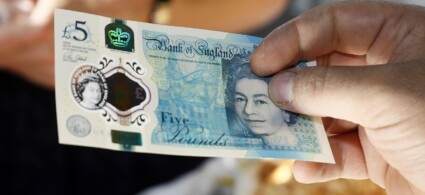
The official currency of Great Britain is the British Pound Sterling or GBP (Great Britain Pound), commonly referred to as the pound and represented by the symbol £.
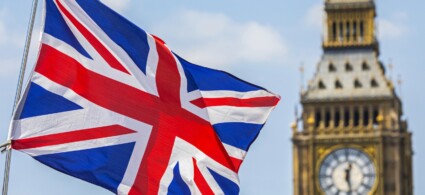
The flag of the United Kingdom is the Union Jack: it combines the Cross of St George (red cross on white background, England), the Cross of St Andrew (white diagonal cross on blue background, Scotland) and the Cross of St Patrick (red diagonal cross on white background, Northern Ireland).
Great Britain is the largest island in the United Kingdom, an island nation in Western Europe. The island of Great Britain lies off the coast of northern Europe and is surrounded by the North Sea to the east, the English Channel to the south, and the Atlantic Ocean and the Irish Sea to the west.










 Hotel
Hotel  Budget accommodations
  Apartments
  Family Hotel
 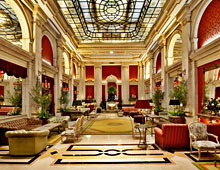 Luxury Hotel