London
Discover the magic of London: free museums, incredible attractions, historic pubs, picturesque markets and trendy neighbourhoods. A complete guide to England's capital.
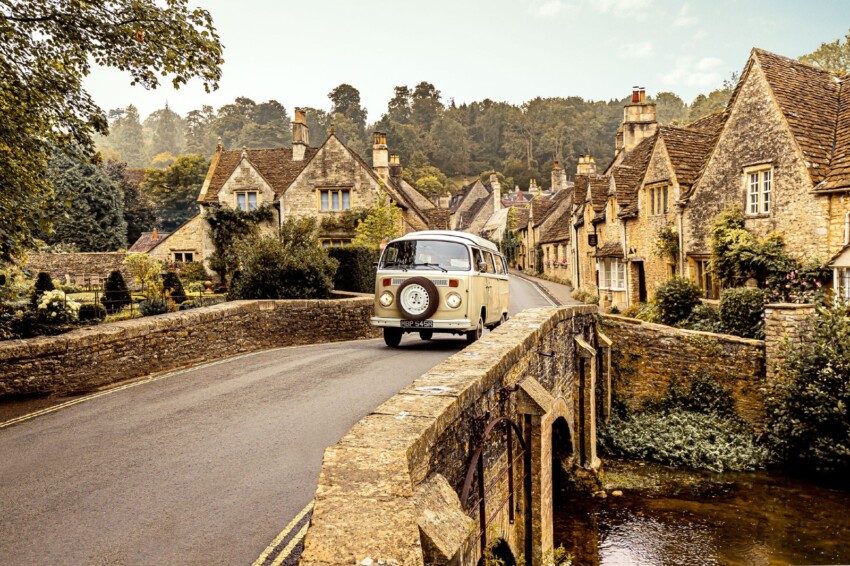
England is the largest of the nations that make up the United Kingdom and the island of Great Britain, a country boasting a history spanning millennia, numerous sites of global significance and a wide variety of natural landscapes that make it a highly popular destination at any time of year.
This territory safeguards traditions and stories dating back to the Palaeolithic, threading through centuries of invasions, monarchies, revolutions and on through the era of colonialism and industrial progress, fields in which England long held supremacy.
The area now known as England takes its name from the Germanic tribe of the Angles who settled in this territory during the fifth and sixth centuries; England then became a unified and independent state in 927 and from the fifteenth century onwards has wielded significant commercial, cultural and political influence over the rest of the world.
Today the English language, the Anglican faith, and also English law and the parliamentary system form the foundation of numerous nations but particularly those belonging to the Commonwealth. Bearing witness to England’s long and turbulent history, one can admire ancient artefacts, picturesque villages with timber-framed cottages and various historical monuments scattered throughout its territories, blending harmoniously with the verdant countryside and natural parks.
From grand cities and medieval fortresses to ancient villages and thousand-year-old legends, England is a destination offering a journey filled with history, culture, relaxation and entertainment. For many visitors, London serves as the starting point for exploring this part of the island – an international and cosmopolitan city brimming with attractions and numerous parks to stroll through.
From the capital, you can venture to other cities such as Bath, a UNESCO World Heritage Site, Liverpool, where you can immerse yourself in Beatles history, or Stonehenge, home to one of the world’s most famous archaeological sites. Nature lovers shouldn’t miss Devon with its Jurassic Coast – also a UNESCO World Heritage Site – the Cotswolds region and the Lake District.
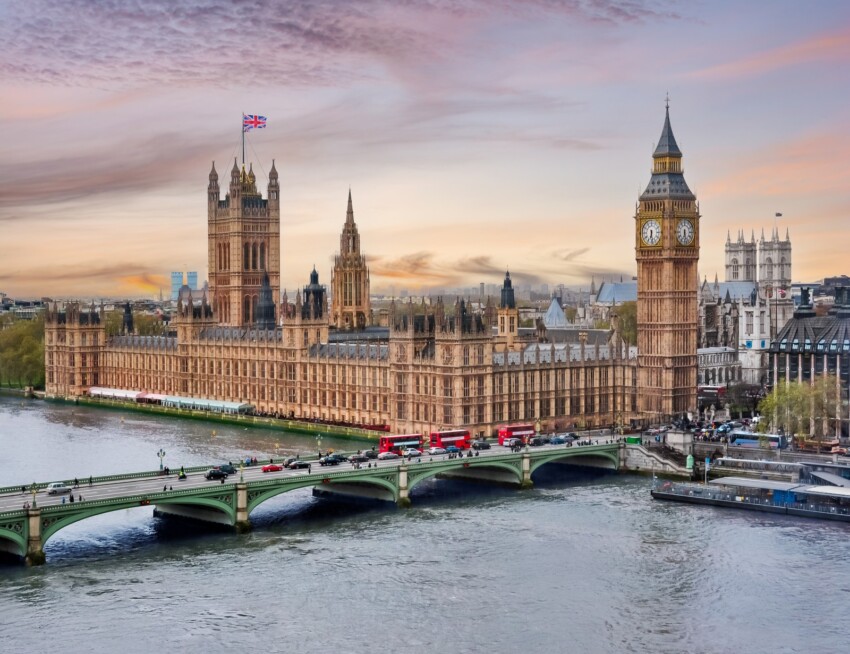
London, capital of England and the United Kingdom, is one of the world’s most fascinating and dynamic metropolises, where centuries of history blend seamlessly with modernity in a truly unique mix.
Westminster is the historic and political heart of the city, home to iconic landmarks like Big Ben, the Houses of Parliament and Westminster Abbey. Nearby, Buckingham Palace offers the Changing of the Guard ceremony and the chance to visit the State Rooms during summer.
In the City, St Paul’s Cathedral stands alongside iconic skyscrapers like the Walkie-Talkie, crowned by the unmissable Sky Garden, whilst the Tower of London houses the Crown Jewels within an almost thousand-year-old fortress complex.
The South Bank is the cultural heart of the city, home to the London Eye, which offers spectacular views across the capital. Covent Garden is renowned for its Victorian covered market, West End theatres and street performers.
The major free museums are absolutely unmissable: the British Museum with treasures from around the world, the Natural History Museum in its Victorian palace, and the National Gallery on Trafalgar Square.
The royal parks provide verdant oases in the heart of the city: Hyde Park with the Serpentine Lake, St James’s Park with views of Buckingham Palace, and Regent’s Park with its Italian gardens.
For shopping, Oxford Street offers historic department stores, Knightsbridge is home to Harrods, whilst Notting Hill draws visitors with the Portobello Road market.
Trendy neighbourhoods such as Shoreditch and Camden showcase the capital’s younger, more creative side, with street art, alternative markets and a vibrant nightlife scene.
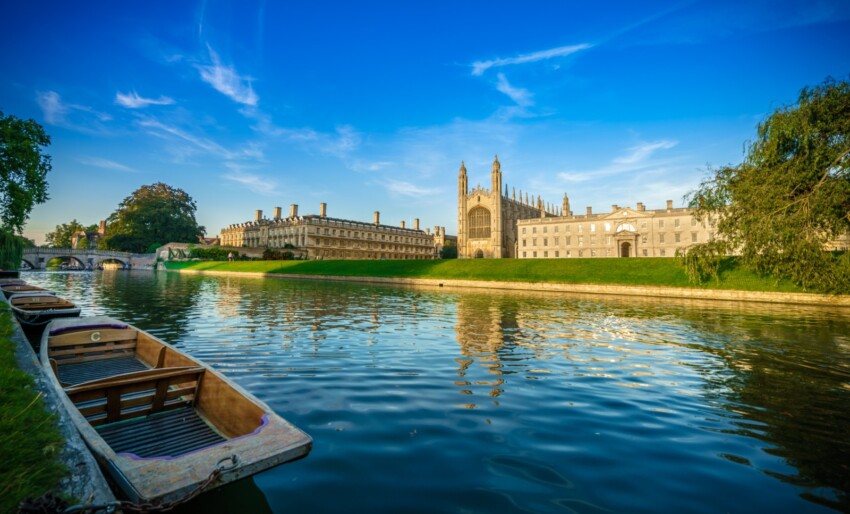
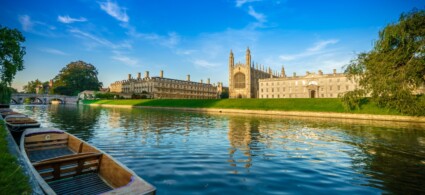
Cambridge is undoubtedly the jewel of the region, with its prestigious university colleges, striking Gothic architecture and the quintessential punting experience – the traditional method of navigating the rivers in flat-bottomed boats.
Norwich surprises visitors with its impressive Norman cathedral and medieval castle dominating the city centre. The city retains its medieval charm intact, with a maze of cobbled streets and England’s oldest continuously open-air market.
Lavenham represents one of England’s best-preserved medieval villages, with characteristic timber-framed houses, wonky and crooked, creating an almost fairytale atmosphere.
Colchester, which boasts the title of England’s oldest city, has its roots stretching back to Roman times. Its magnificent Norman castle, the largest of its kind in Europe, dominates the city centre and today houses an interesting museum.
The Norfolk coast offers miles of pristine beaches and picturesque fishing villages. In Suffolk, the town of Bury St Edmunds preserves the ruins of one of England’s most important medieval abbeys, whilst the coast attracts nature lovers with its nature reserves. Southwold and Aldeburgh are two charming seaside towns that retain their Victorian character, perfect for sampling traditional fish and chips with a view of the North Sea.
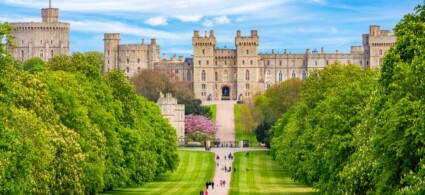
Windsor, just outside London, is dominated by the imposing Windsor Castle, the world’s largest inhabited fortress and the royal family’s preferred residence. Windsor’s Great Park, with its famous Long Walk, provides one of the most iconic views of the castle.
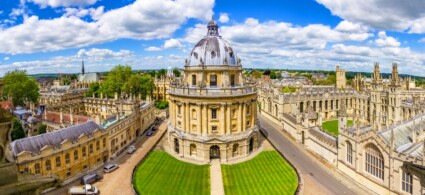
Oxford rivals Cambridge in academic prestige and architectural beauty. Its 38 colleges create an open-air museum of Gothic and neoclassical architecture, with masterpieces such as the Radcliffe Camera, the Bodleian Library and Christ Church College, which inspired scenes from Harry Potter.
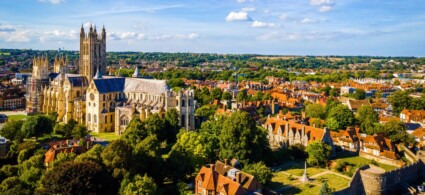
Canterbury, with its majestic UNESCO World Heritage cathedral, represents the spiritual heart of England thanks to its historic centre, which still retains a magical atmosphere with its timber-framed buildings and characterful historic pubs.
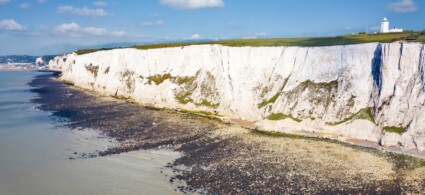
The Kent coast is famous for the White Cliffs of Dover, an iconic symbol of the country. Nearby, Leeds Castle emerges like a painting from the waters of its lake, whilst the charming town of Rye enchants with its cobbled streets and perfectly preserved Tudor houses.
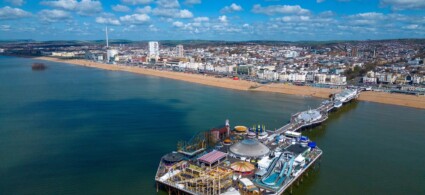
Brighton represents the region’s most vibrant soul, with its eccentric Royal Pavilion in Indo-Saracenic style, the characteristic Palace Pier and the lively Lanes, a maze of narrow streets packed with vintage shops and fashionable cafés.
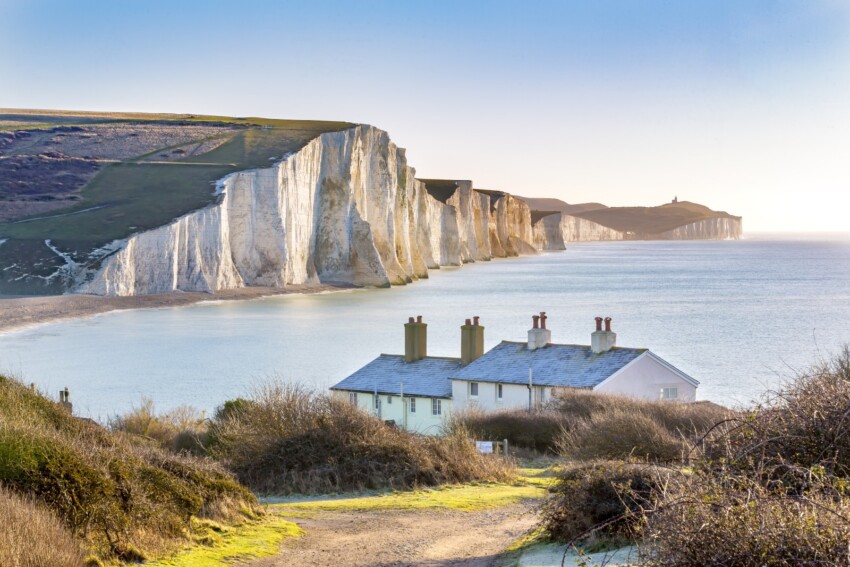
In the South Downs, a national park stretching across Sussex, you can admire breathtaking rural landscapes and picturesque villages. The Seven Sisters, spectacular chalk cliffs, offer some of England’s most photographed coastal views.
Winchester, the ancient capital of the Anglo-Saxon kingdom, impresses with its Gothic cathedral, one of Europe’s largest, whilst Chichester elegantly combines Georgian architecture with Roman remains. The region is also dotted with award-winning vineyards producing some of England’s finest sparkling wines, offering an unexpected gastronomic experience for visitors.
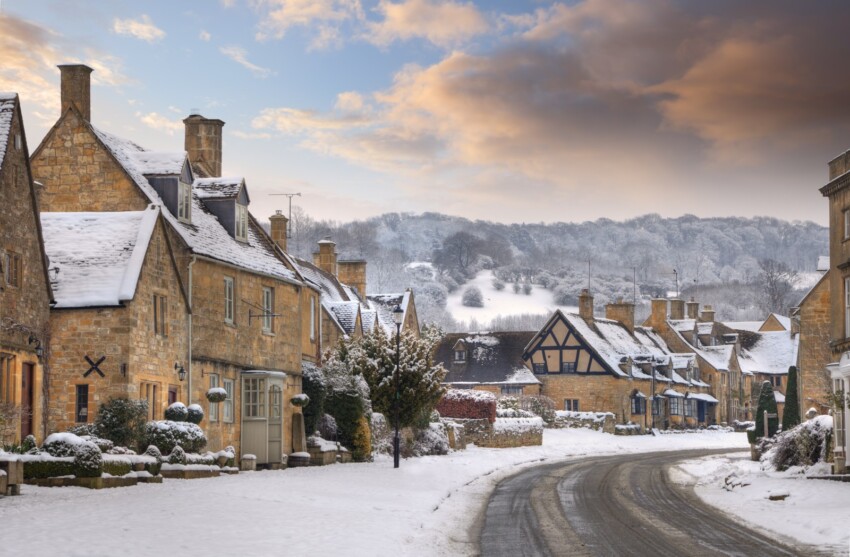
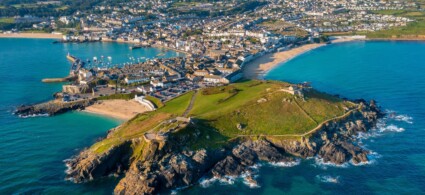
Cornwall is celebrated for its dramatic cliffs and picturesque fishing villages. St Ives is a paradise for art lovers with the Tate Gallery and numerous art galleries, whilst Port Isaac and Padstow draw visitors for their authentic character and renowned food scene. The mysterious St Michael’s Mount, a small island connected to the mainland at low tide, evokes magical atmospheres.
Devon offers two contrasting but equally captivating coastlines: the English Riviera with elegant seaside resorts such as Torquay, and the rugged north coast with the picturesque village of Clovelly. Dartmoor National Park reveals stark and mysterious landscapes, dotted with ancient stone circles and bogland.
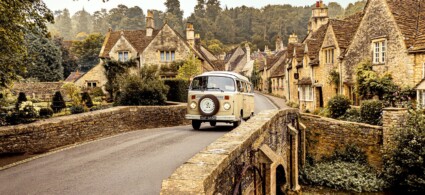
The Cotswolds epitomise the most romantic English countryside, with stone villages that seem to have stepped straight from a postcard. Castle Combe and Bibury are often considered among England’s most picturesque locations, with their limestone cottages and immaculately tended gardens. The charming town of Bourton-on-the-Water enchants with its little bridges over the River Windrush, whilst Stow-on-the-Wold offers authentic atmosphere with its antique shops and traditional pubs. Chipping Campden preserves its medieval High Street intact, considered one of the country’s finest.
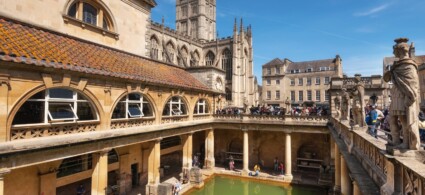
Just outside the Cotswolds region, Bath impresses with its honey-coloured Georgian architecture and beautifully preserved Roman baths.
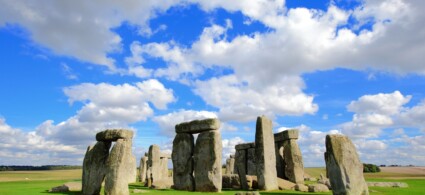
In Dorset, the Jurassic Coast showcases spectacular geological formations such as Durdle Door and Lulworth Cove. The region also includes Stonehenge, the world’s most famous megalithic monument, whilst nearby Salisbury enchants with its cathedral, which boasts England’s tallest spire.
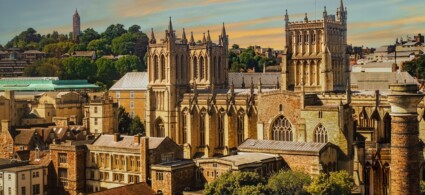
Bristol represents the young, creative soul of the region, with its vibrant art scene, repurposed industrial architecture and works by Banksy.
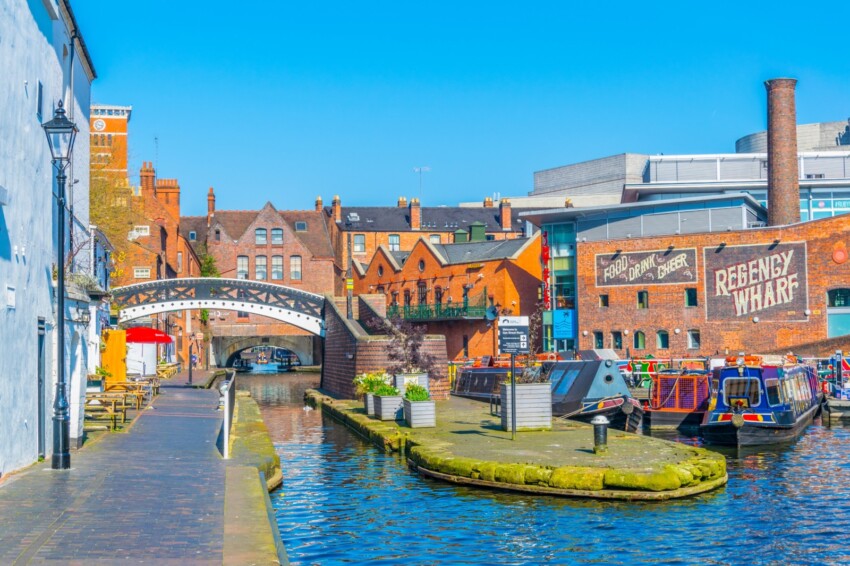
In the East Midlands, the city of Nottingham, linked to the legend of Robin Hood, surprises visitors with its renovated castle and network of over 800 caves beneath the city centre, used over the centuries as homes, workplaces and shelters.
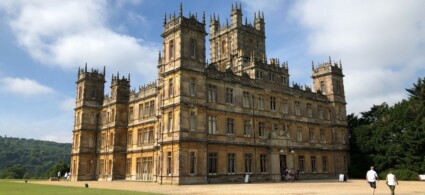
The Peak District, Britain’s first designated national park, offers breathtaking landscapes with its limestone hills, dramatic gorges and picturesque stone villages such as Castleton and Bakewell. Historic estates like Chatsworth House, one of England’s finest country houses, offer a glimpse into aristocratic life through the centuries.
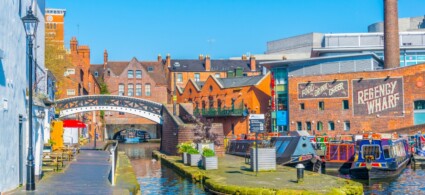
The West Midlands represent the industrial heart of England, but also offer surprising cultural and natural treasures. Birmingham, the UK’s second-largest city, has reinvented itself as a cultural destination with attractions such as the Birmingham Museum and Art Gallery, famous for holding the world’s largest collection of Pre-Raphaelite paintings.
Stratford-upon-Avon, the birthplace of William Shakespeare, allows you to explore locations connected to the great dramatist, including his birthplace and the Royal Shakespeare Theatre.
The Malvern Hills offer scenic hiking with spectacular views across several counties, whilst Worcester Cathedral, reflected in the River Severn, represents one of the finest examples of English medieval architecture. The region is also scattered with award-winning vineyards producing some of England’s finest sparkling wines.
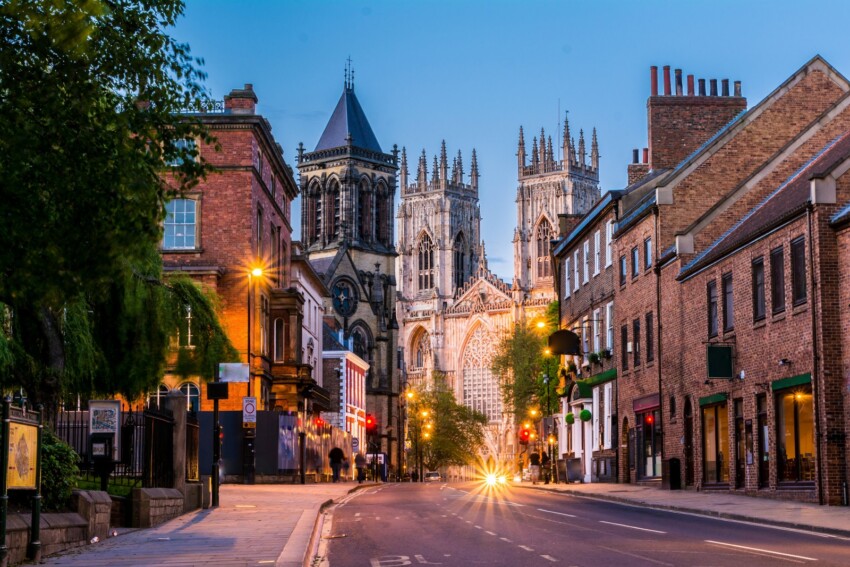
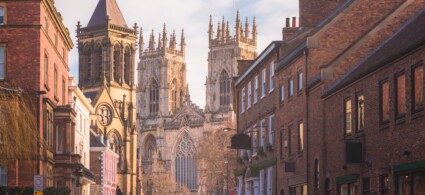
York is the medieval jewel of the region, with perfectly preserved city walls and the imposing York Minster, the largest Gothic cathedral in Northern Europe. The streets of The Shambles, with timber-framed houses that almost touch at the upper floors, create one of England’s most atmospheric medieval streets.
The Yorkshire Dales National Park enchants with its green valleys, hidden waterfalls and characteristic dry stone walls. Villages such as Grassington and Hawes offer authentic Yorkshire atmosphere, whilst Fountains Abbey represents the country’s most extensive monastic ruins.
On the coast, Whitby captivates with the ruins of its Gothic abbey, which inspired Bram Stoker’s “Dracula”, whilst Robin Hood’s Bay is a picturesque fishing village perched on a clifftop. Scarborough, Britain’s first seaside resort, retains its Victorian charm.
The North York Moors offer landscapes of purple heathland and ancient stone villages. The historic North Yorkshire Moors Railway winds through these spectacular landscapes, offering a journey through time.
Leeds represents Yorkshire’s modern face, with a vibrant cultural scene and the historic Kirkgate Market covered market, whilst Harrogate retains the elegance of its spa-town heyday, with the famous Betty’s Tea Rooms and splendid Victorian gardens.
The Lake District is the region’s natural gem. This national park enchants with its glacial lakes, majestic peaks and picturesque valleys. Windermere, England’s largest lake, is surrounded by charming towns such as Bowness and Ambleside, whilst Keswick offers an ideal base for exploring the northern part of the park. The home-museum of Beatrix Potter and the residence of poet Wordsworth testify to the area’s rich literary heritage.
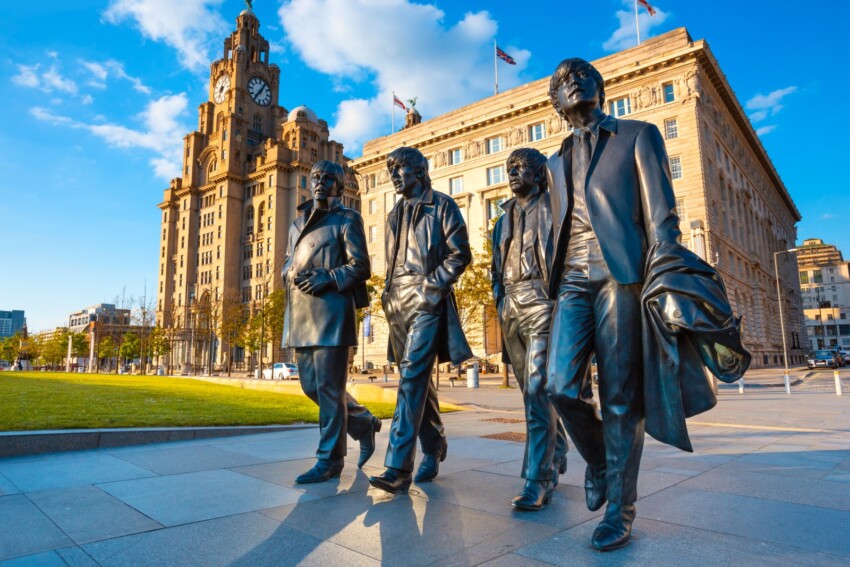
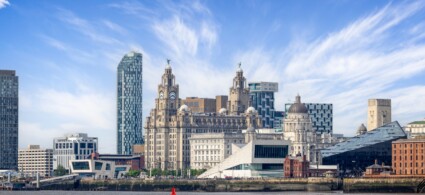
Liverpool surprises visitors with its extraordinary cultural renaissance. The waterfront is home to the Royal Albert Dock, converted into museums and galleries, including Tate Liverpool. The city of the Beatles preserves iconic locations such as the Cavern Club and offers an immersive journey into the band’s history with The Beatles Story Museum.
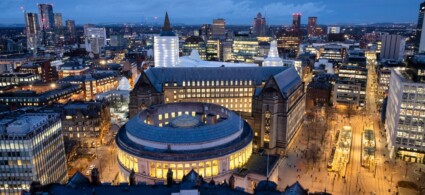
Manchester has skilfully transformed its industrial heritage into a vibrant contemporary metropolis. Famous worldwide for its two football clubs, the city offers a thriving cultural landscape: the Northern Quarter pulses with creative energy featuring murals, vintage shops and fashionable venues, whilst the city’s architecture ranges from the Victorian Gothic of John Rylands Library to ultramodern structures such as the Lowry at Salford Quays.
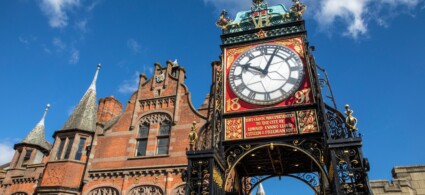
Chester preserves some of England’s finest Tudor architecture, with characteristic “Rows” – unique two-level shopping galleries. Roman walls, an amphitheatre and the cathedral all testify to the city’s two thousand years of history.
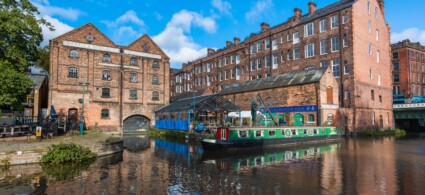
Newcastle upon Tyne has reinvented itself as a vibrant cultural and artistic centre. Its iconic bridges spanning the River Tyne, including the Tyne Bridge and the award-winning Millennium Bridge, create one of England’s most recognisable urban vistas.
Hadrian’s Wall winds for 73 miles through the Northumberland landscape, offering extraordinary evidence of the Roman presence. Sites such as Vindolanda and Housesteads allow you to immerse yourself in life on the ancient Roman frontier.
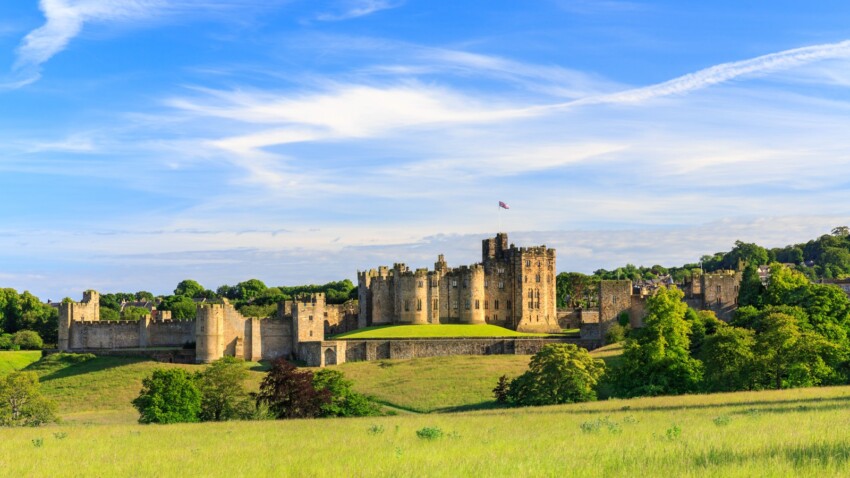
Northumberland boasts some of England’s most spectacular castles. Bamburgh Castle dominates the coast majestically from a basalt crag, whilst Alnwick Castle, a Harry Potter filming location, offers extraordinary gardens and sumptuous interiors. The holy island of Lindisfarne, accessible only at low tide, preserves the ruins of its priory and a picturesque castle.
Durham is famous for its Norman cathedral and castle, which dominate a bend in the River Wear creating one of Europe’s finest medieval vistas.
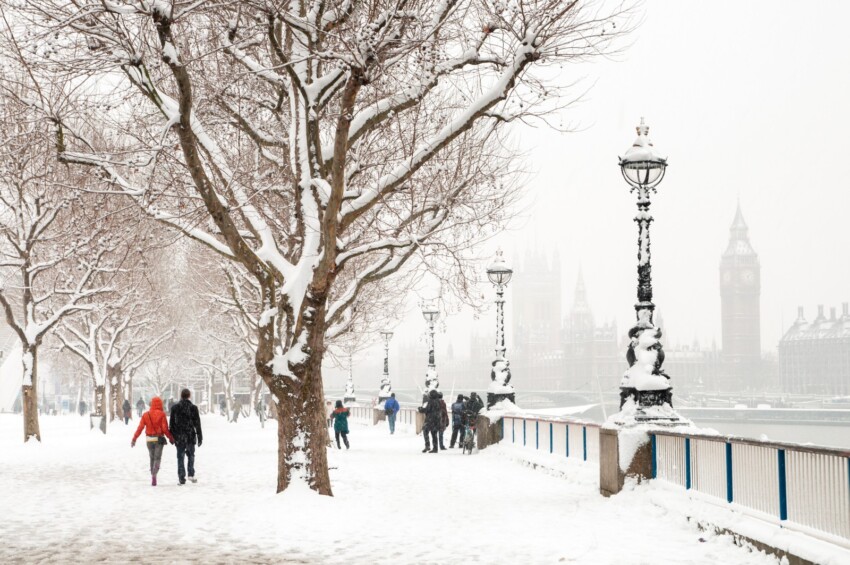
Thanks to its temperate climate, England is worth visiting year-round, though the summer months from June to September offer the mildest temperatures, longest days and clearest skies, making a visit to this region particularly pleasant.
May and June are particularly sunny, with daytime temperatures remaining quite pleasant and rarely exceeding 22–24°C, whilst evenings are generally cool, dipping to around 10–12°C. Summer is the ideal time to organise activities and excursions, as well as attend sporting events, festivals and outdoor performances.
November and December, by contrast, are not only the coldest months but also the cloudiest, greyest and with the least sunshine. Rainfall occurs throughout the year, though January, February and December tend to be the wettest months. However, when visiting England, it’s wise to always account for the possibility of sudden showers, so packing appropriate clothing is essential.
One thing worth noting is that in December, England—particularly major cities like London—is elegantly decorated for the festivities, and the towns have a truly magical festive atmosphere, thanks in part to the numerous Christmas markets.
England is extremely well served by numerous airports covering the entire region. The most important are London’s airports at Heathrow, Gatwick, Stansted and Luton, along with airports in Manchester, Liverpool and Bristol, all well connected to city centres by express trains or dedicated coaches.
You can also reach England by train via the Channel Tunnel, thanks to Eurostar and Eurotunnel services, which also transport cars and campervans, linking south-eastern England with France, Belgium and the Netherlands.
The English railway network is extensive and efficient, ideal for travelling between major cities. High-speed trains connect London with Manchester (2h 15m), Liverpool (2h 15m) and York (2 hours).
National coaches, operated mainly by National Express and Megabus, offer a budget-friendly alternative to trains, though with longer journey times.
Car hire is recommended for exploring rural areas such as the Cotswolds, the Lake District or Cornwall, where public transport connections can be limited. It’s important to remember that in England, you drive on the left.
For coastal towns, there are also ferry services connecting various destinations, particularly useful for reaching islands such as the Isle of Wight or the Isles of Scilly.
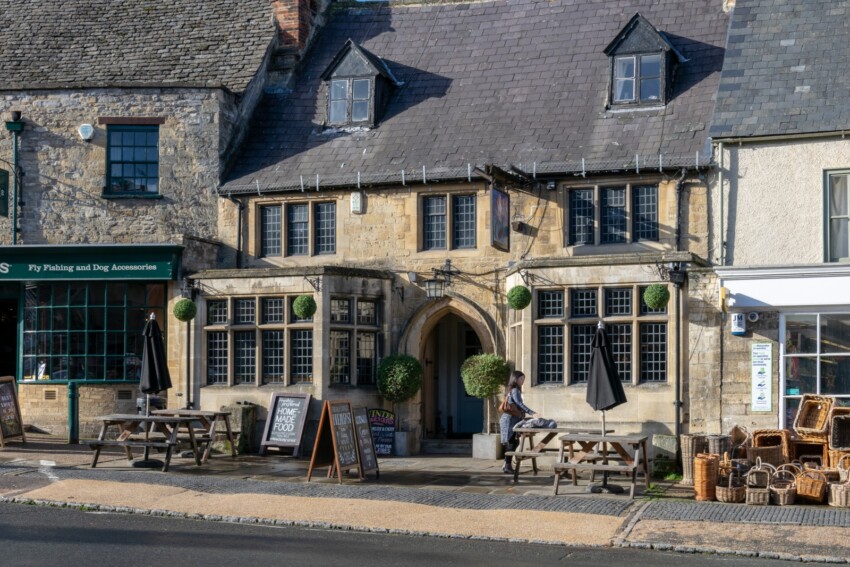
Choosing the right area in London requires particular thought. Covent Garden, South Bank and Westminster are ideal for first-time visitors to the capital, being close to major attractions though with premium prices. South Kensington and Notting Hill offer a more residential yet sophisticated atmosphere, whilst Shoreditch and Camden appeal to a younger crowd with boutique hotels and designer hostels.
In historic cities such as Oxford, Cambridge and York, boutique hotels housed in historic buildings offer an authentic experience. Many university colleges open their doors to visitors during academic holidays, allowing you to stay in historically rich surroundings.
In the Lake District and the Cotswolds, country house hotels and charming bed-and-breakfasts are the ideal choice for immersing yourself in quintessential English rural atmosphere. Characteristic local inns with rooms combine accommodation and traditional dining under one roof.
In coastal towns such as Brighton, Whitby or Cornwall, Victorian seafront hotels and family-run B&Bs often offer stunning sea views.
For a unique experience, consider lighthouse keeper’s cottages, accommodation within castles such as Amberley in Sussex, or glamping (glamorous camping) which is increasingly popular in rural areas.
For budget-conscious travellers, chains such as Premier Inn, Travelodge and ibis offer reliable standards in major cities, whilst YHA hostels, often housed in historic buildings, are an excellent option for younger travellers.
England’s international dialling code is +44, valid throughout the United Kingdom: to call an English number, dial 0044 before the recipient’s number.
England follows GMT (Greenwich Mean Time) in winter. During summer months, British Summer Time (BST, UTC +1) is in effect.
Power sockets in England are type G, the British standard with three flat pins, different from European standards. Before travelling, it’s advisable to get a universal adaptor, easily available online. The voltage is 230V and frequency is 50Hz, identical to European standards, so no transformer is needed for European devices.
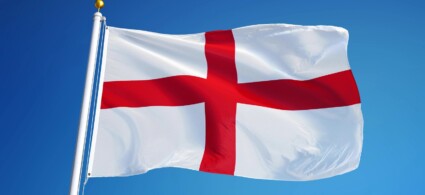
England’s flag is the Cross of St George: a red cross on a white field. It should not be confused with the Union Jack, the United Kingdom’s flag, which combines the crosses of St George (England), St Andrew (Scotland) and St Patrick (Northern Ireland).
England corresponds to the central and southern part of Great Britain, the island that also includes Scotland and Wales. These three nations, together with Northern Ireland, are not completely independent and together form the United Kingdom (UK).
England’s official currency is the British Pound (GBP); one pound is worth slightly more than one euro.
 Hotel
Hotel  Budget accommodations
  Apartments
  Family Hotel
 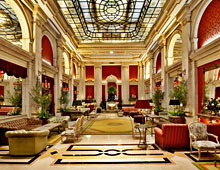 Luxury Hotel