The Jamaica Inn, Bodmin, Cornwall
Bolventor - Bolventor
Book now
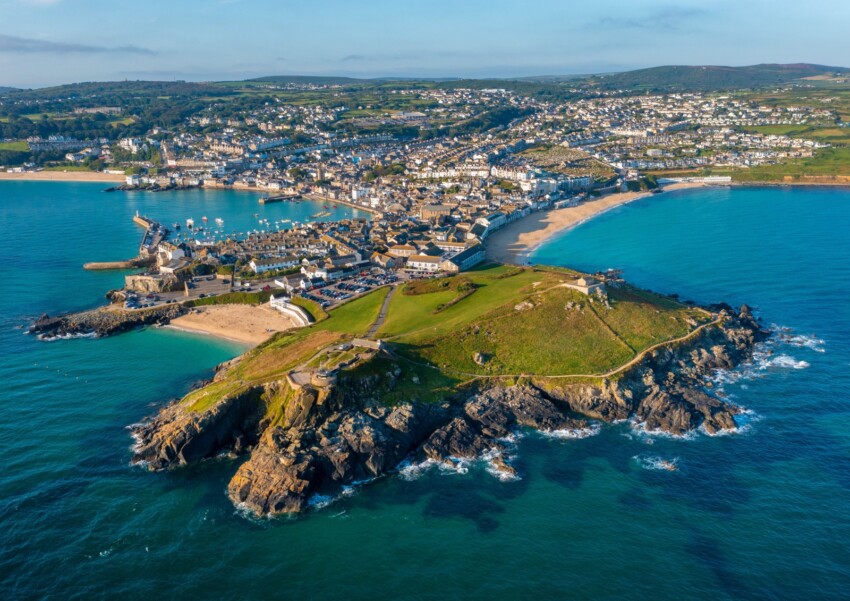
Welcome to the magical Cornwall, a region that, thanks to its breathtaking coastline, rich history and picturesque towns, is considered one of the most fascinating destinations in the United Kingdom. Located in the south-western corner of England, Cornwall is renowned for its timeless appeal and boasts not only a long-established heritage but also stunning landscapes and an ancient culture.
Cornwall has a truly ancient yet captivating history, having been inhabited since prehistoric times and subsequently seeing the presence of the Celts and Romans, two civilisations that left numerous traces and evidence. During the medieval period, Cornwall witnessed the construction of several castles, including the celebrated Tintagel Castle, linked to the legends of King Arthur, and featured in adventures and tales recounted in various poems and writings.
Over the centuries, Cornwall saw the flourishing of the mining industry, which long contributed to the region’s economic growth until the early twentieth century. With the decline of this activity, however, Cornwall entered a new era characterised by tourism and the appreciation of its natural heritage.
Today, Cornwall is considered a paradise for nature lovers, with a variety of landscapes ranging from majestic cliffs to golden beaches washed by the cool waters of the Atlantic Ocean. These are complemented by countryside dotted with charming villages and green fields, ideal for exploring on foot or by bicycle, whilst national parks offer the chance to immerse yourself in pristine and unspoilt nature. Furthermore, Cornwall is one of six Celtic nations, so there is no shortage of sites with ancient history, a unique culture waiting to be discovered and a local language related to both Welsh and Breton.
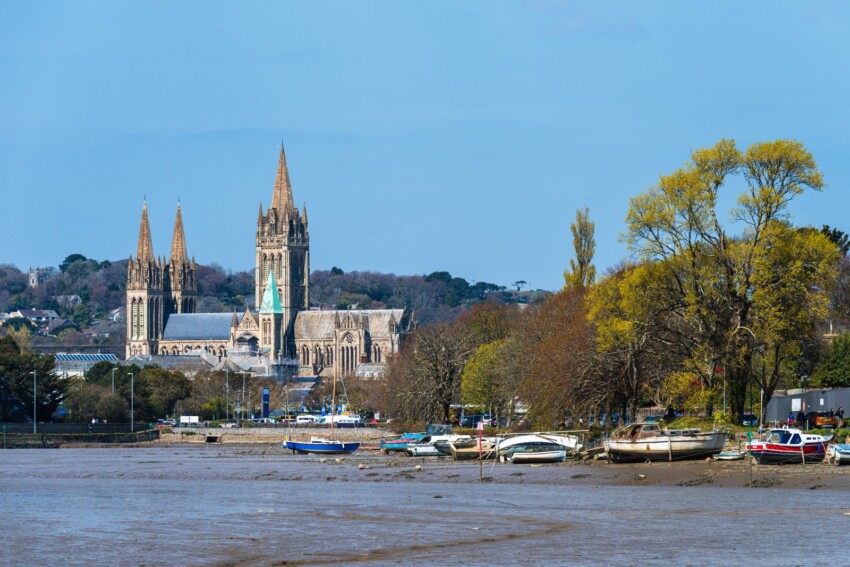
Truro is Cornwall’s only cathedral city and its principal administrative centre, where elegant Georgian architecture blends seamlessly with a vibrant contemporary cultural scene. The undisputed symbol of the city is the magnificent Truro Cathedral, a masterpiece of Victorian Gothic architecture completed in 1910, with its three distinctive spires dominating the city skyline.
The historic centre is a maze of cobbled streets and alleyways hosting a unique combination of independent shops, boutique retailers and department stores. Lemon Street is considered one of the country’s best-preserved Georgian streets, with its elegant townhouses now home to art galleries, antique studios and charming cafés.
The Royal Cornwall Museum offers a fascinating overview of the region’s history and culture, with collections ranging from mining artefacts to Cornish artwork. The Pannier Market, a Victorian covered market, is the ideal place to discover local and artisanal products, whilst the Hall for Cornwall is the region’s premier performing arts venue, hosting high-quality theatrical productions and concerts.
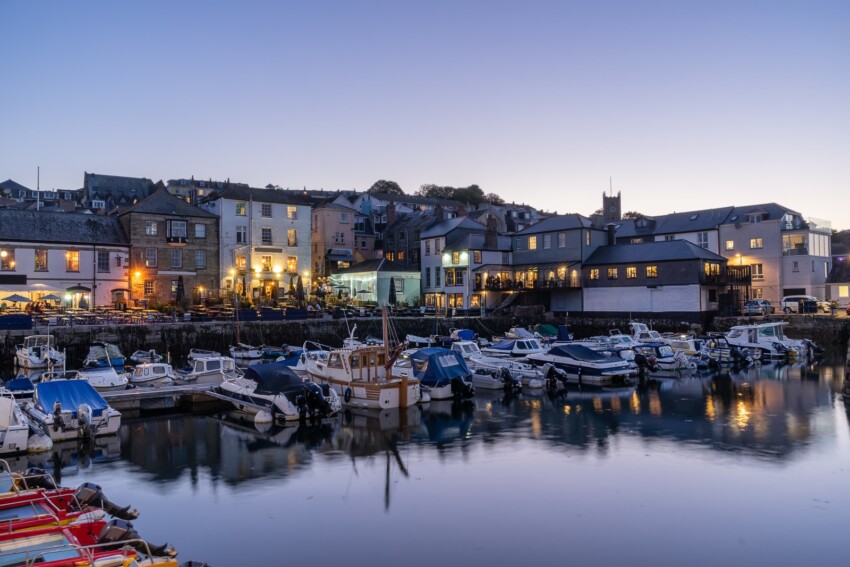
Falmouth is a vibrant port town boasting one of the world’s deepest natural harbours, Carrick Roads. Its rich maritime heritage intertwines with a vibrant contemporary cultural scene, enhanced by the presence of Falmouth University, which has brought fresh creative energy to the town.
The National Maritime Museum Cornwall is a must-visit attraction, telling the region’s maritime story through interactive exhibits and an impressive collection of historic vessels. Four coastal castles – Pendennis, St Mawes, St Anthony and Penryn – bear witness to the port’s strategic importance over the centuries.
The historic town centre’s streets bustle with independent boutiques, art galleries, cafés and restaurants serving the freshest Cornish seafood. The beaches of Gyllyngvase and Swanpool offer swimming havens just steps from the town centre, whilst the nearby Trebah Gardens and Glendurgan Gardens are spectacular subtropical gardens stretching down to the Helford River.
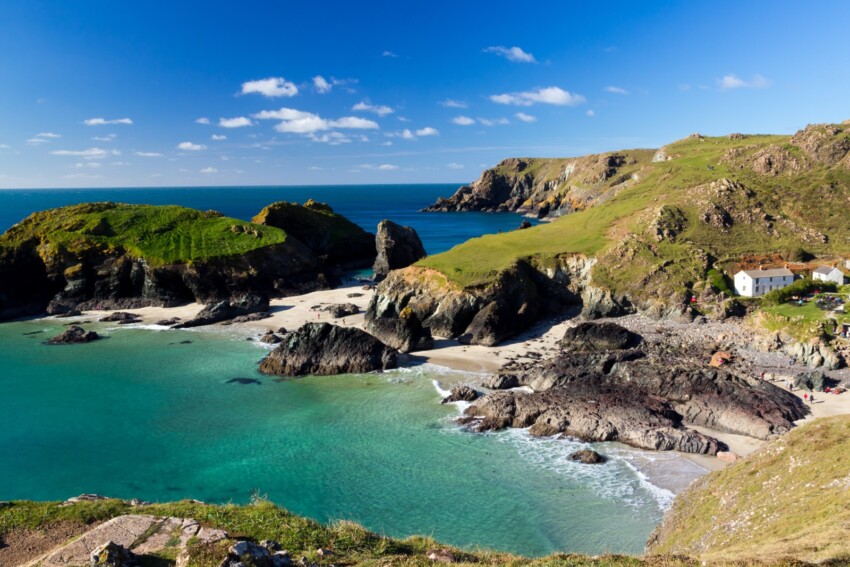
The Lizard Peninsula represents mainland Britain’s most southerly point, a place where wild nature blends with breathtaking coastal landscapes. This peninsula is characterised by dramatic serpentine cliffs – a dark, lustrous rock that gives the area its distinctive appearance. The picturesque Lizard Point, with its two iconic twin lighthouses, dominates the landscape, offering spectacular views across the Atlantic Ocean.
Visitors can explore numerous coastal paths winding along the clifftops, ideal for scenic walks where you might spot grey seals and, during migration season, various seabird species. The village of Lizard Point is home to Cornwall’s last working serpentine craft workshop, where you can purchase items fashioned from this distinctive stone.
The area is dotted with hidden coves such as Kynance Cove, considered one of Cornwall’s most beautiful beaches, with its turquoise waters and spectacular rock formations. The coastal vegetation is particularly noteworthy, with rare species flourishing thanks to the mild climate influenced by the Gulf Stream.
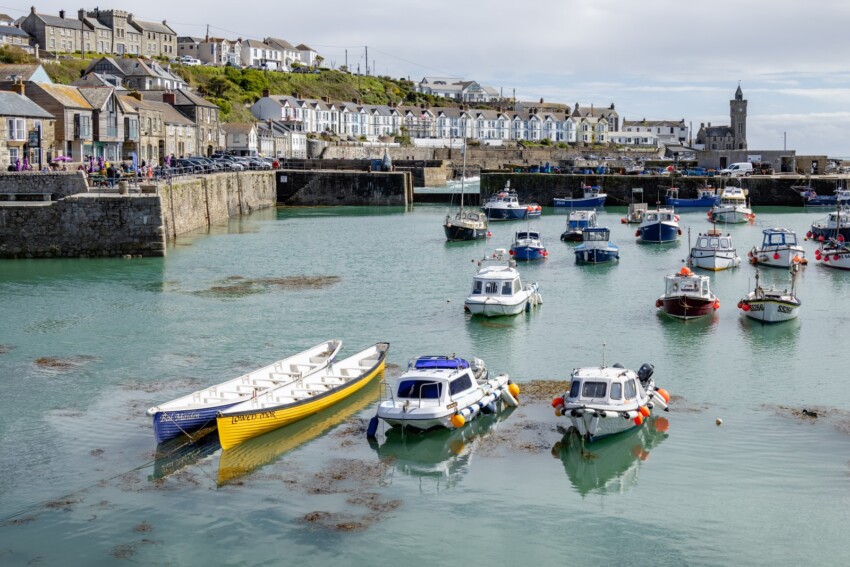
Porthleven is mainland Britain’s most southerly port, a village that combines its working fishing harbour heritage with a growing reputation as a culinary destination. The harbour is dominated by the iconic Institut, a Victorian tower building that has become the village’s symbol, often photographed during spectacular winter storms when waves crash dramatically against its walls.
The inner harbour, protected by substantial sea walls, is home to a fleet of traditional fishing boats supplying fresh fish and seafood to numerous quality restaurants in the village. Porthleven’s culinary scene has flourished in recent years, attracting renowned chefs and transforming the village into one of Cornwall’s leading gastronomic destinations.
The long shingle beach extending eastwards from the harbour is popular with experienced surfers, whilst the coastal path offers scenic walks in both directions. The local Shipwreck Museum chronicles the area’s dramatic maritime history, including the numerous storms that have shaped the community over the centuries.
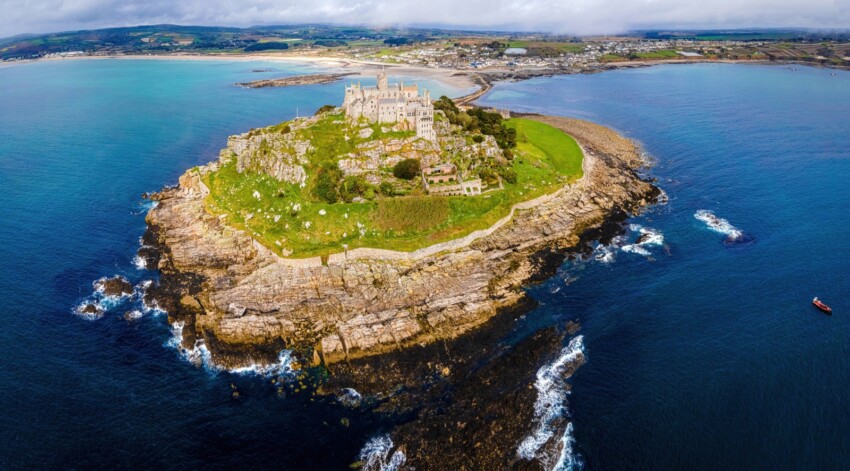
St Michael’s Mount is one of Cornwall’s most iconic and photographed attractions, an enchanting island crowned with a medieval castle that appears straight from a fairytale.
Legend has it that in the 5th century AD, Benedictine monks from Mont Saint-Michel in Normandy were inspired to build an abbey here following visions of the Archangel Michael. The original abbey was partly converted into a fortress in the 16th century, and from that ancient structure the refectory and church remain visible today.
The castle offers a fascinating journey through history. Richly decorated rooms tell stories of sieges, pilgrimages and daily life across the centuries. The terraced gardens clinging to the island’s rocky slopes are a marvel of engineering and horticulture, where exotic plants thrive in seemingly impossible conditions thanks to the island’s unique microclimate.
The village at the castle’s foot retains its historic character, with former harbour buildings converted into shops and cafés. The climb to the castle also affords spectacular views of Mount’s Bay and the surrounding coast.
At low tide, St Michael’s Mount can be reached on foot via a pedestrian causeway, whilst at high tide access is by boat. St Michael’s Mount is connected to the mainland by an evocative raised road that emerges during low tide.
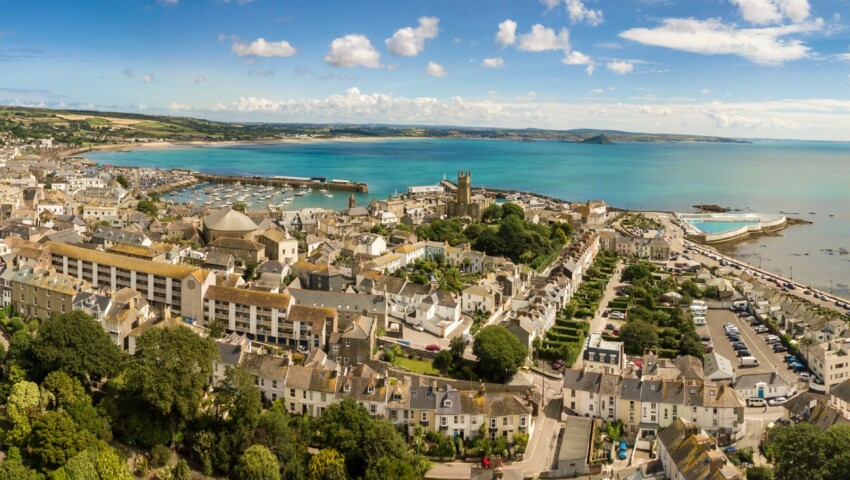
Penzance, the last significant town before Land’s End, is a vibrant cultural and commercial hub combining historic charm with a thriving contemporary arts scene. The town is renowned for its Georgian and Victorian architecture, particularly evident along Chapel Street, where elegant townhouses alternate with historic pubs and antique shops.
Penzance’s seafront is dominated by the Jubilee Pool, Europe’s largest art deco seawater lido, recently restored and heated geothermically. The promenade offers spectacular views across Mount’s Bay and the celebrated St Michael’s Mount, whilst the Morrab Gardens represent a subtropical oasis in the town’s heart, with rare plant species thriving in the mild climate.
The town’s maritime heritage is celebrated in the Penlee House Gallery & Museum, which also houses an important collection of works from the Newlyn School. The historic harbour maintains its fishing activity, whilst the modern ferry terminal serves as the main link to the Scilly Isles. The pedestrian town centre offers an eclectic mix of independent shops, cafés and restaurants serving acclaimed local cuisine.
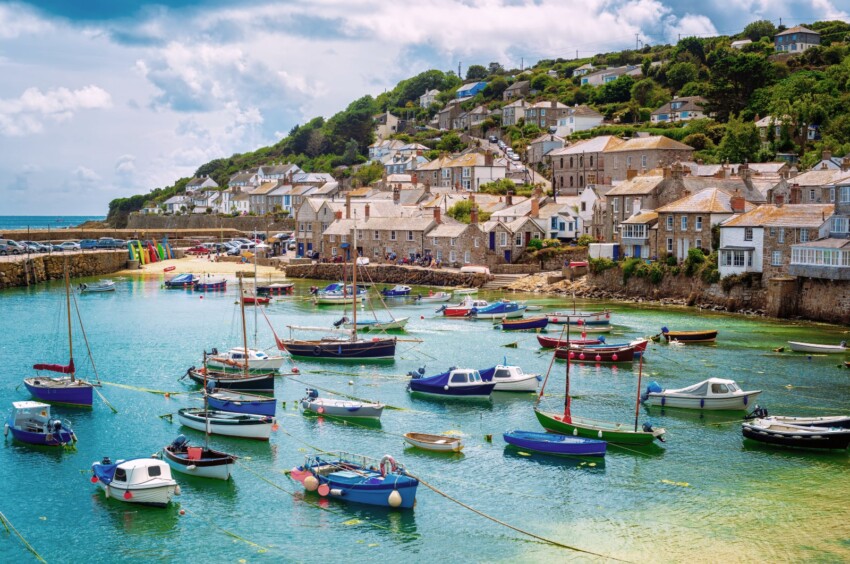
For an authentic journey into Cornish culture and tradition, a visit to the picturesque fishing village of Mousehole is essential. Located on the stretch of coast between Land’s End and Penzance, the village centre sits on the slopes of a gentle hill overlooking the sea, with its evocative harbour and small sandy beach along the shoreline.
The village boasts a long history and until the early 20th century was a thriving community of merchants and fishermen, characterised by an active and vibrant commercial port. Today it is a charming Cornish gem, ready to offer unique experiences. Mousehole is quieter now than it once was, presenting itself as a history-rich village with a beautiful, relaxing atmosphere. The centre can be discovered by wandering through a labyrinth of narrow streets lined with granite cottages, small shops and intimate art galleries, pausing for refreshment at one of its welcoming pubs.
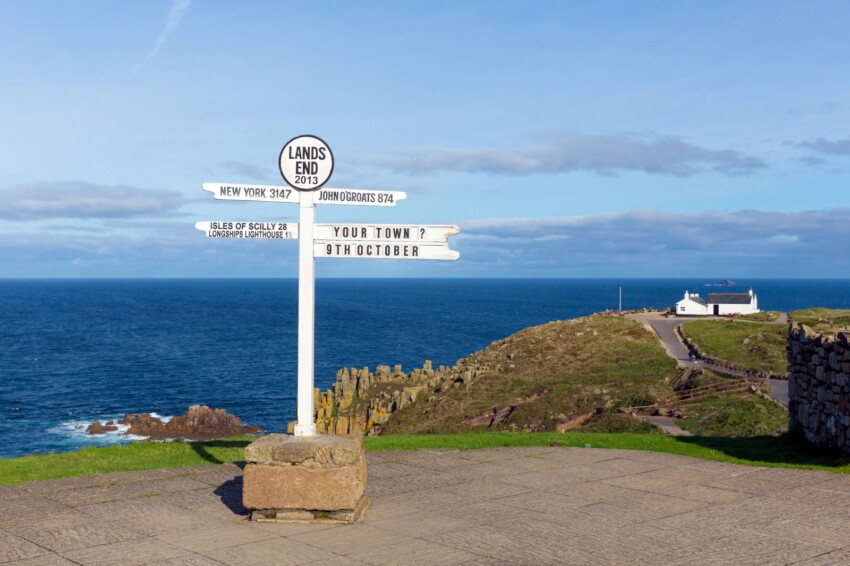
England’s westernmost point is known as Land’s End and thanks to the coastal paths stretching along the cliffs, it offers breathtaking landscapes and an incredible atmosphere. It’s worth following one of the clifftop hiking routes that wind through green expanses to admire marvellous panoramic views across the Ocean and be lulled by the sound of the sea. The area is not only rich in beautiful beaches such as Nanjizal Beach, Sennen Cove and Porthcurno Beach but also home to the marvellous rocky Minack Theatre and numerous charming historic towns.
Be sure to visit the village of Sennen, considered England’s most westerly settlement and the access point to Land’s End, where you can still experience traditional Cornish life thanks to its peaceful, relaxed atmosphere and simple fishermen’s cottages. From here you can follow the B3306 road, one of Britain’s most scenic routes, to reach the village of Saint Just-in-Penwith and then the characterful centre of Saint Ives.
For a long time Cape Cornwall, a promontory on the Atlantic coast located a short distance north of St Just-in-Penwith’s centre, was mistakenly considered the westernmost point, yet it equally delivers wonderful views. This remains one of the most scenic stretches of Cornwall’s coastline thanks also to a trail that develops along ancient tin mines.
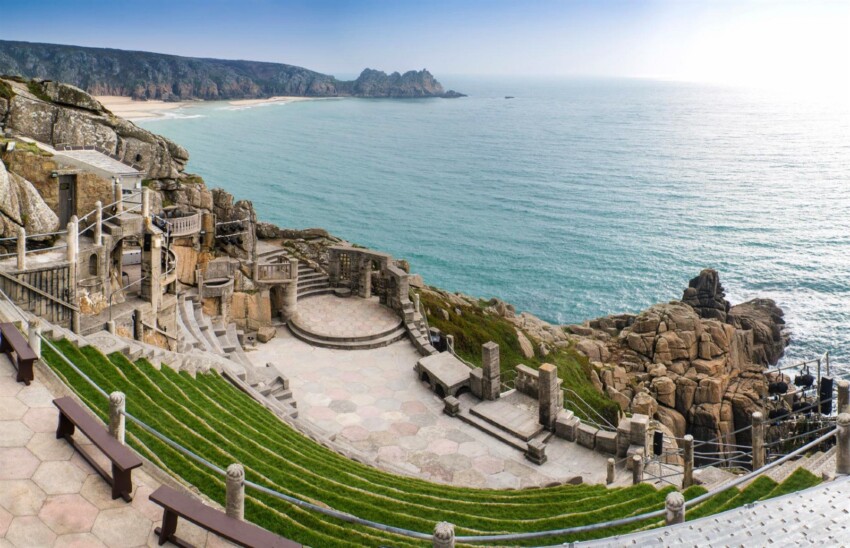
Heading south from Land’s End along the B3315, you’ll discover the evocative Minack Theatre, an open-air theatre modelled on the ancient theatres of Greece and Rome. Located on a promontory overlooking Porthcurno Bay, the Minack Theatre has been entirely carved from the coastal rocks, creating a natural stage for theatrical performances.
This theatre was created between 1931 and 1983 on the initiative of Rowena Cade, a local resident passionate about theatre who decided to transform and reshape the cliffs behind her home and harness Cornwall’s natural scenic backdrop. Particularly during the summer season, theatrical productions are staged here with the Atlantic Ocean as their backdrop.
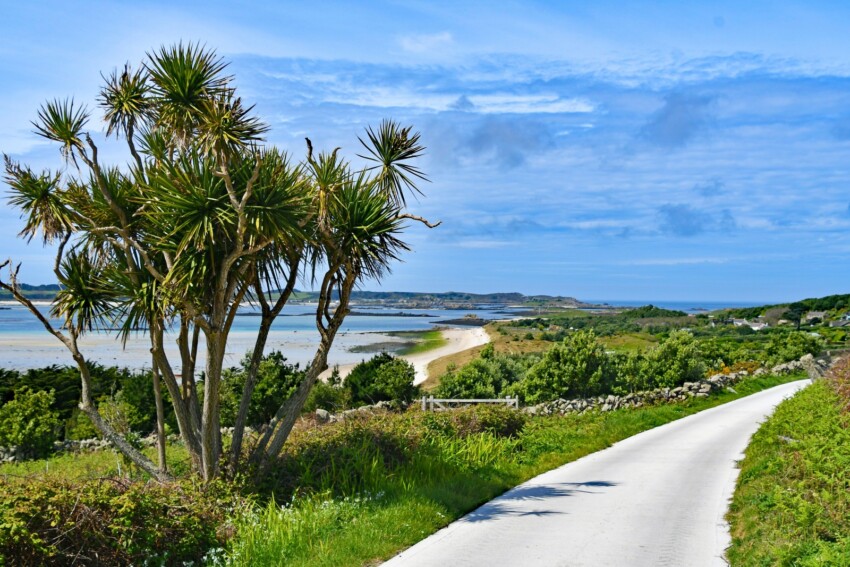
The Scilly archipelago represents a tropical paradise off Cornwall’s coast, with its crystal-clear turquoise waters and white sand beaches that recall the Caribbean. This group of over 140 islands, of which only five are inhabited, offers a unique experience thanks to its particularly mild microclimate that allows exotic vegetation to flourish.
St Mary’s, the archipelago’s principal island, serves as the hub with its picturesque harbour at Hugh Town and a network of paths traversing breathtaking landscapes. The subtropical gardens of Tresco Abbey on the island of Tresco are among the main attractions, hosting over 20,000 species of exotic plants that thrive thanks to the temperate climate influenced by the Gulf Stream.
Life on the islands follows a slower rhythm, perfect for those seeking a genuine escape from daily hustle.
The most popular activities include bird watching, with numerous rare species making stops here during migration, snorkelling in crystal-clear waters, and exploring the numerous archaeological sites that bear witness to the rich history of the archipelago, from Bronze Age tombs to wrecks of historic ships.
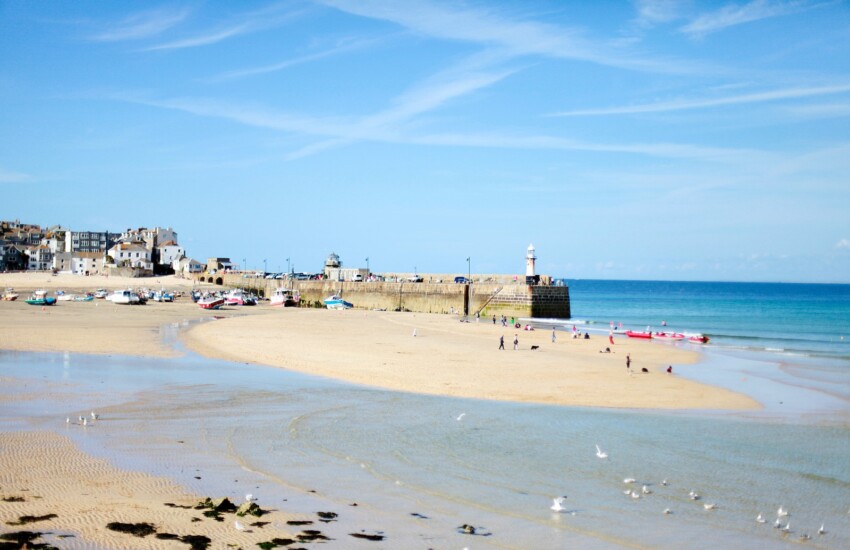
St Ives is a jewel of the Cornish coast, where crystalline light and golden beaches have attracted artists for generations, transforming this former fishing village into one of Britain’s most important artistic centres. The Tate St Ives, an impressive gallery of modern art with ocean views, and the Barbara Hepworth Museum and Sculpture Garden testify to the artistic significance of the town.
The maze of narrow paved streets in the historic centre, known as “downalong”, is a succession of restored fishermen’s cottages, art boutiques, independent galleries and fine dining restaurants. The Sloop Inn, one of Cornwall’s oldest pubs, overlooks the harbour where traditional fishing boats mingle with modern yachts.
St Ives is blessed with some of Cornwall’s finest beaches. Porthmeor Beach is beloved by surfers and offers spectacular sunsets, Porthgwidden is a sheltered cove perfect for families, whilst Porthminster Beach boasts golden sand and crystal-clear waters with views of Godrevy Lighthouse, the lighthouse that inspired Virginia Woolf’s “To the Lighthouse”. The Island, a green peninsula jutting into the ocean, offers scenic walks and the chance to spot seals and dolphins in the surrounding waters.
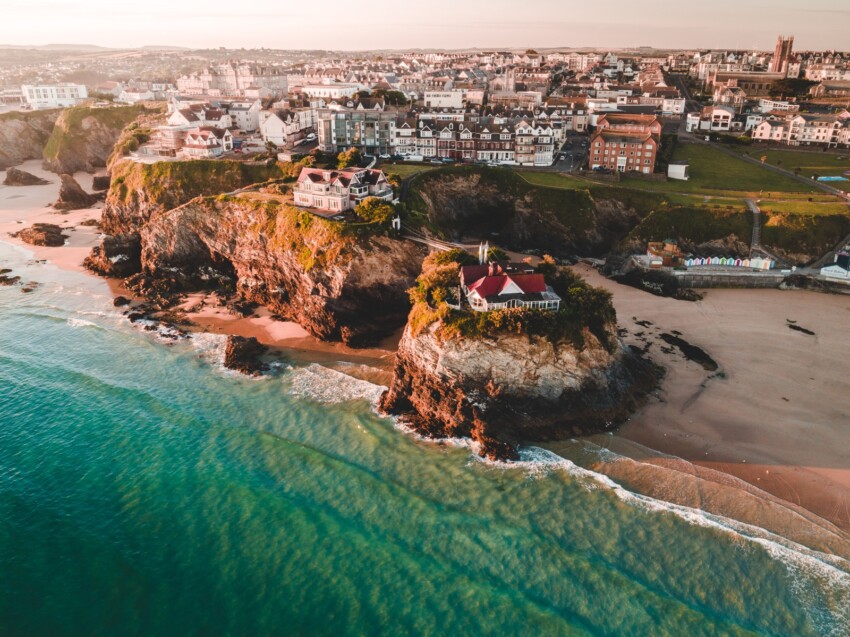
Newquay is undoubtedly Britain’s capital of surfing, with the legendary Fistral Beach attracting surfers from around the world thanks to its consistent waves and optimal exposure. The town has evolved its image from a lively destination for young people to a place offering attractions for all tastes and ages.
The coast is dotted with eleven sandy beaches, each with its own distinctive character. Whilst Fistral is a surfer’s paradise, Towan Beach in the town centre is perfect for families, and Crantock offers a quieter and more wild atmosphere. Newquay Zoo and Blue Reef Aquarium are popular attractions for rainy days.
The historic harbour retains its character as a working fishing port, with boats landing their catch daily. The upper town offers an eclectic mix of shops, restaurants and bars, whilst the Huer’s Hut, an ancient white building overlooking the harbour, recalls the days when it was used to spot shoals of mackerel. Clifftop walks offer spectacular views of the rugged coastline and, on clear days, stretching all the way to the Isles of Scilly.
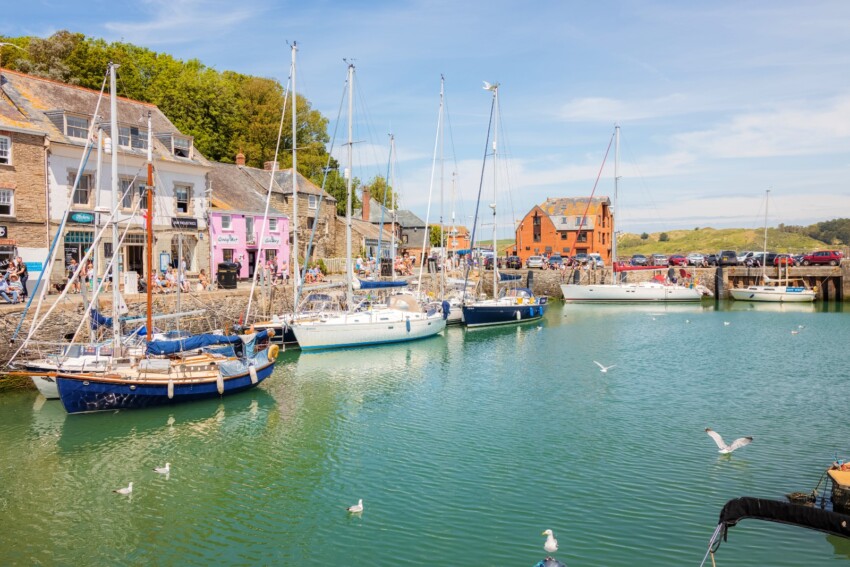
Nestled between beaches and headlands, right at the mouth of the River Camel, lies the charming town of Padstow, once an important centre for trade and fishing with active connections to both Ireland and Brittany. The town centre has developed around the ancient harbour and is characterised by cobbled alleyways and elegant squares that house numerous pubs and restaurants where you can enjoy fish and chips as well as other local specialities. Padstow is particularly appreciated because it perfectly combines the fascinating history of this area with natural wonders, offering unforgettable experiences.
Throughout the year, the town hosts several folk events of national renown, such as Padstow Obby Oss, a traditional festival during which residents don period costumes and bring the town to life with dances and songs. Finally, it’s worth noting that Padstow is surrounded by some of Britain’s finest beaches, with Treyarnon Beach standing out particularly.
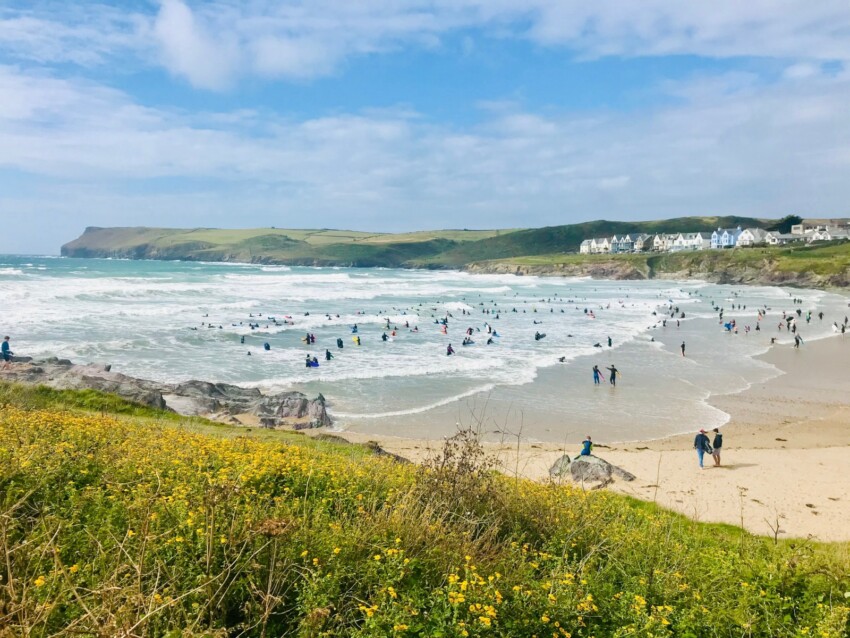
Polzeath is renowned for its magnificent sandy beach stretching for almost a kilometre at low tide, making it one of north Cornwall’s most popular surf destinations. The amphitheatre-shaped bay offers ideal conditions for surfers of all levels, with numerous surf schools offering lessons during the summer season.
The beach is particularly suited to families, with expansive stretches of golden sand at low tide, rock pools to explore and lifeguard supervision during summer. The village has maintained a relaxed and informal atmosphere, with a mix of surf shops, cafés and restaurants overlooking the beach.
The surrounding area offers excellent opportunities for wildlife spotting, with Pentire Point providing an ideal vantage point for spotting dolphins and seals. The South West Coast Path passes through the village, offering spectacular coastal walks towards New Polzeath in one direction and Daymer Bay in the other, with breathtaking views over the Camel estuary.
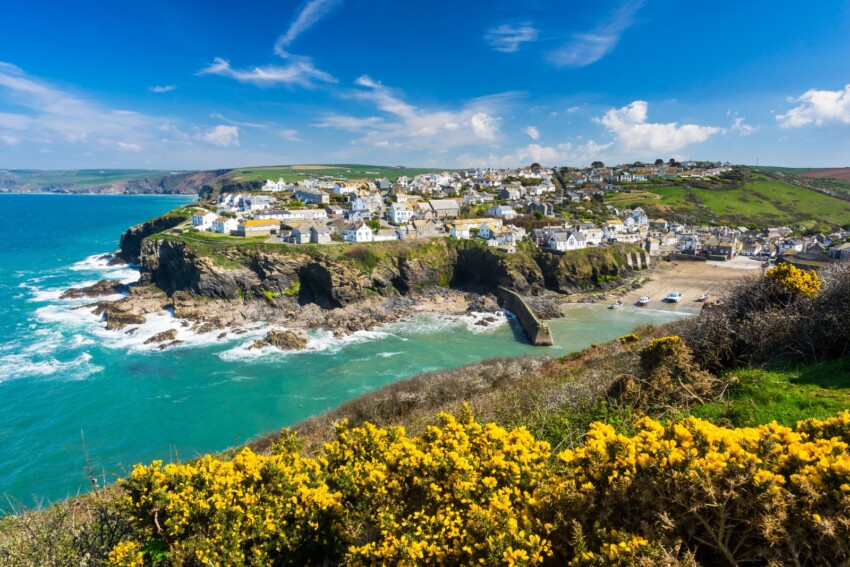
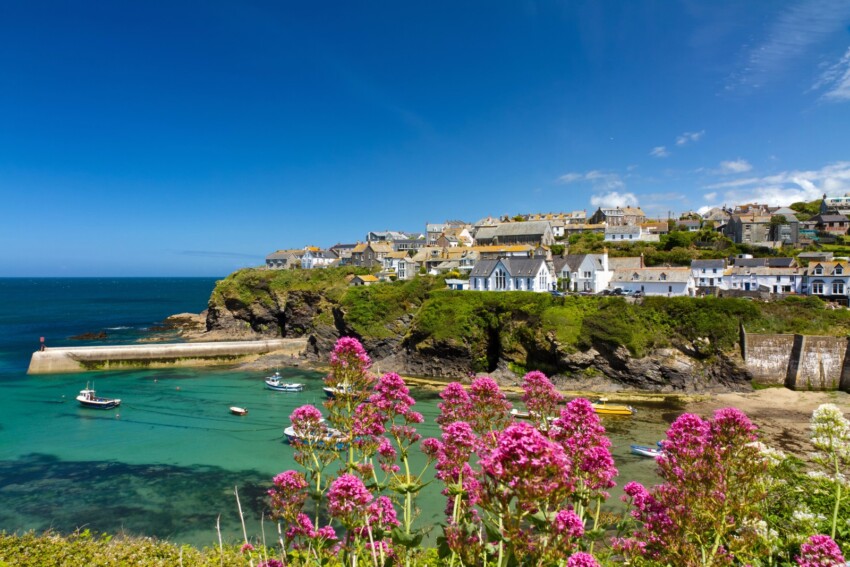
Port Isaac is a charming fishing village nestled between steep cliffs on north Cornwall’s coast, made famous worldwide as the filming location for the television series “Doc Martin”. Its winding and steep narrow lanes, locally known as “squeezebelly alley”, include Fore Street, the main street that winds through the village down to the harbour.
The harbour is the beating heart of the community, where local fishermen still land their daily catch. Traditional fishing activity focuses mainly on lobsters and crabs, which you can enjoy fresh in local restaurants. The Platt, the paved area overlooking the harbour, is the perfect place to observe the comings and goings of the boats and the village’s everyday life.
Historic stone houses clinging to the surrounding slopes offer picturesque views at every corner. Among these stands the White House, one of the most photographed buildings in the village. Port Isaac is also home to the sea shanty singing group Fisherman’s Friends, who perform regularly on the quay during the summer season, keeping alive the tradition of maritime songs.
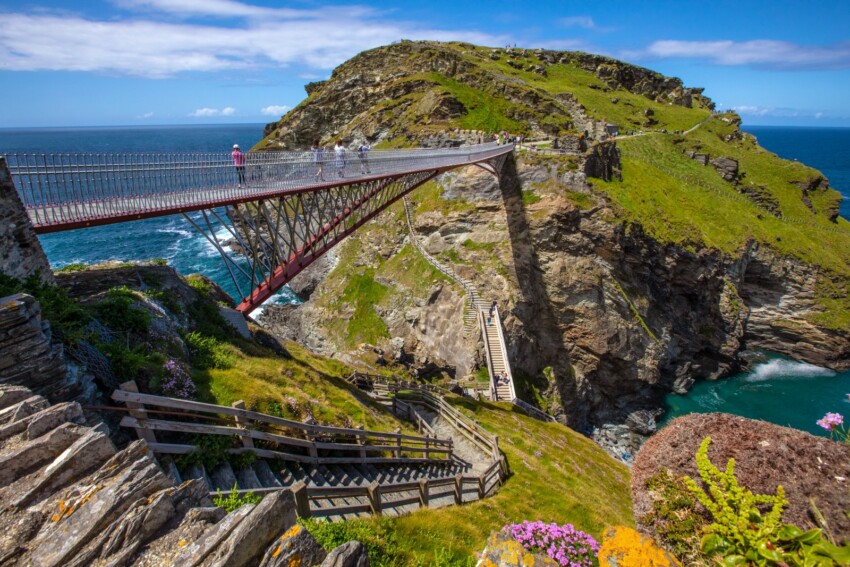
Steeped in history and legend, Tintagel Castle is a medieval fortress located in Tintagel in north Cornwall on a site already occupied in Romano-British times, as evidenced by numerous finds. What the castle is particularly famous for, however, is the legend of King Arthur, an epic British leader who, according to medieval romances, between the late 5th and early 6th centuries would have defended Britain from the invasions of the Anglo-Saxons.
According to English literature, Arthur, through his heroic deeds, would have led to the creation of the Kingdom of Camelot and the union of the Kingdom of Britain. Of the original castle now only ruins remain, but what strikes visitors is undoubtedly the surrounding landscape and the truly distinctive atmosphere you can breathe here. The position of the complex on the tip of the Tintagel peninsula indeed offers breathtaking views of the sheer coastline and the ocean.
From the fortress ruins, a path descends into the rock via a staircase and leads to Merlin’s Cave, another site full of fascination that in certain months of the year can be explored through special visits.
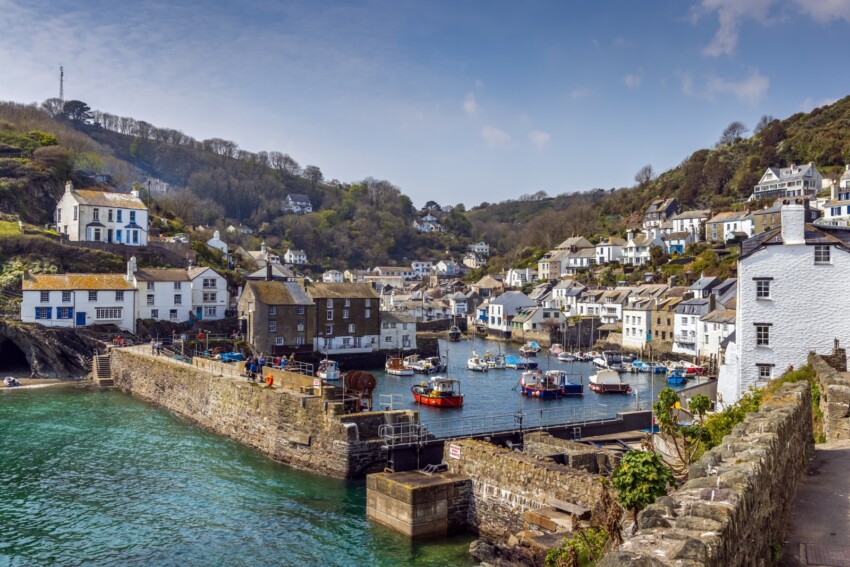
Polperro embodies the essence of a Cornish fishing village, with its intricate maze of narrow, winding streets descending towards a picturesque natural harbour. Fishermen’s houses, perched on steep slopes, create a charming urban landscape with their whitewashed walls and coloured doors, whilst flower pots and climbing plants add splashes of colour at every corner.
The village has a fascinating history linked to smuggling, an activity that flourished here in the 18th and 19th centuries. The Polperro Heritage Museum of Smuggling and Fishing tells these compelling stories, alongside the village’s rich fishing tradition. The narrow pedestrian streets, too cramped for modern cars, retain evocative names that tell local history.
The harbour, protected by sturdy breakwaters, offers a picturesque spectacle with its colourful fishing boats bobbing on the water. At high tide, local fishermen still set out for their daily activities today, keeping a centuries-old tradition alive. The Warren, a scenic walk winding along the clifftop, offers spectacular views of the village and surrounding coastline.
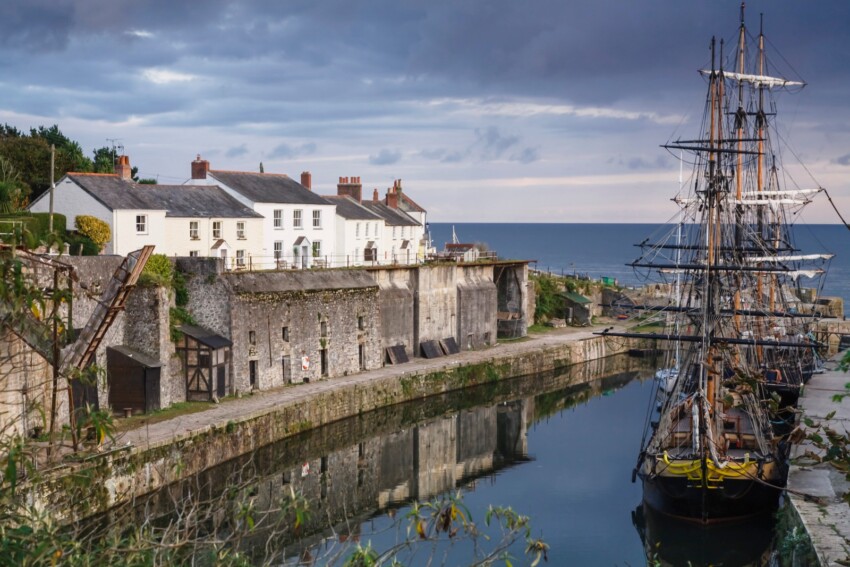
Charlestown is an authentic historic gem of Cornwall, a perfectly preserved Georgian port that seems to have stepped straight out of a period novel. Built between 1791 and 1801 for the export of copper and china clay (kaolin), it retains its original charm today, so much so that it has been used as a set for numerous television and film productions, including the popular series Poldark.
The historic harbour is the beating heart of the village, where you can admire traditional sailing vessels moored in the sheltered waters of the basin. The granite quays, restored warehouses and maritime atmosphere transport visitors back in time, to the golden age of Cornwall’s maritime trade.
The Shipwreck Museum deserves a thorough visit, with its extraordinary collection of artefacts recovered from historic wrecks and its detailed documentation of local maritime history. The narrow paved streets branching off from the harbour are lined with perfectly preserved stone cottages and welcoming pubs where you can enjoy fresh local fish dishes.
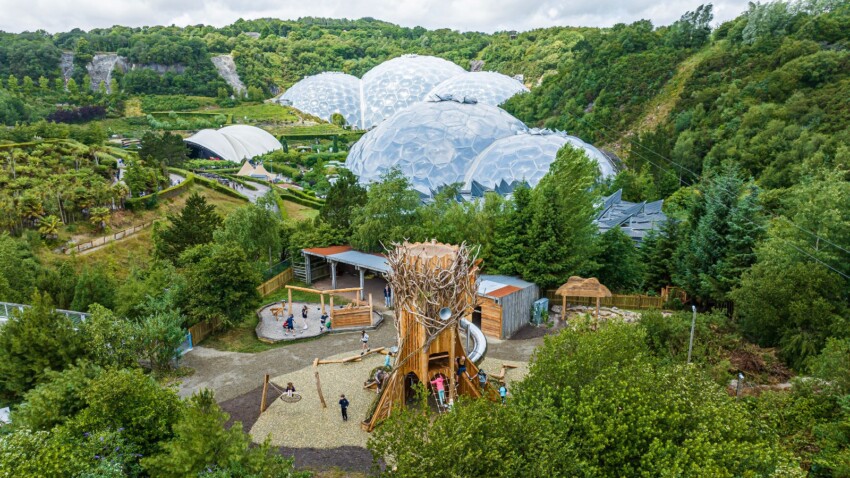
The Eden Project is a truly innovative eco-sustainable complex carved out of a space previously used by a kaolin quarry about 2 km from the town of St. Blazey. This is a project aimed at celebrating biodiversity and features two large domes housing two different biospheres with over 100,000 plants from around the world. The two biospheres present are the Mediterranean and tropical ones, and through a state-of-the-art system it has been possible to replicate the environments of these two zones and numerous plant species that inhabit them.
Additionally, there is an outdoor garden boasting almost two thousand different types of plants and crops. In the garden, you can also admire numerous artistic installations as well as panels that allow you to explore the properties of some plants used by modern industry, such as hemp, lavender, tea and sunflowers. Educational and exhibition spaces are also available, designed to explain the relationship between humans and nature.
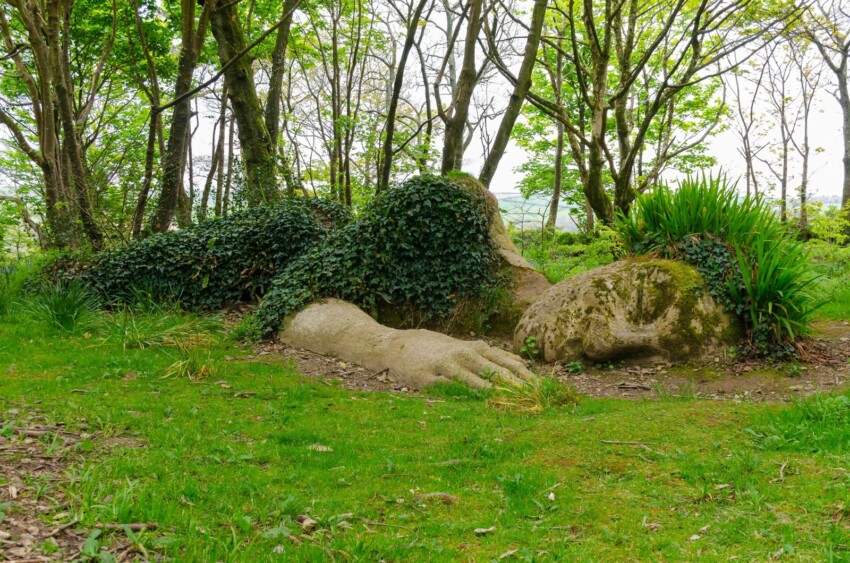
A green paradise forgotten for years and then brought back to life, this is the Lost Gardens of Heligan complex, which unfolds within an ancient residence of the Tremayne family in the English village of Pentewan. Originally created between the late 18th and early 20th centuries around the Heligan estate, the gardens were abandoned during the First World War and thus fell into ruin.
The site was later recovered in the 1990s thanks to Tim Smit, author of the Eden Project as well, who carried forward one of Europe’s largest garden restoration projects. Within them you can now stroll through English and Italian gardens, a jungle and numerous other natural settings where you can admire a great variety of plants.
In the following map you can see the location of the main places of interest mentioned in this article.
Choosing accommodation in Cornwall very much depends on the type of experience you’re after. The north coast, with resorts like Newquay and St Ives, offers an extensive range of seafront hotels, perfect if you’re seeking a beach holiday or want to catch some waves. These areas tend to be more lively and bustling, with prices peaking during the busy summer season.
The south coast, more sheltered and peaceful, with charming towns such as Falmouth and Fowey, is ideal if you prefer a more relaxed atmosphere. Here you’ll find excellent boutique hotels and characterful bed & breakfasts housed in period properties. The Roseland Peninsula boasts some of the region’s most exclusive resorts, perfect for a romantic escape.
Inland, the rural areas around Bodmin and Liskeard offer farmstays and traditional cottages, great for families wanting to explore both coast and countryside. For an authentic experience, consider staying in restored fisherman’s cottages in coastal villages like Port Isaac or Mousehole.
Bristol Airport, around 3 hours’ drive from Cornwall, is the closest major airport to the region, with direct flights from numerous European cities. Cardiff Airport in South Wales also offers international connections and is well linked to Cornwall.
If you’re flying into one of the London airports, the most convenient way to reach Cornwall is by train from Paddington Station. Great Western Railway operates frequent services to Penzance, calling at Cornwall’s main towns. The journey takes around 5 hours to Truro and offers spectacular views, particularly along the coast past Plymouth. A memorable option is the Night Riviera Sleeper, an overnight train departing London Paddington in the evening and arriving in Cornwall the following morning.
Newquay Cornwall Airport, located in the heart of the region, operates direct flights but only seasonally from some European cities including Dublin, Copenhagen, Malaga, Alicante, Faro and Zurich, plus direct domestic flights from London and Manchester airports.
Car hire is the best option for exploring the region properly, especially if you want to reach coastal villages and remote attractions. All the major car rental companies have desks at London airports and at Bristol, Cardiff and Newquay.
The main A30 road runs the length of the peninsula and is well maintained, though it can get busy during the summer holiday season.
Summer (June–August) is the most popular season, with average temperatures around 20°C and long, sunny days perfect for the beach. However, this is also the busiest and most expensive period, so you’ll need to book well in advance, particularly in the well-known seaside resorts.
Spring (March–May) and autumn (September–October) offer ideal conditions for walks and cultural visits. Cornwall’s gardens are particularly spectacular in spring when rhododendrons and camellias bloom. Autumn brings still-mild days and warm sea, perfect for surfing, with the added benefit of lower prices and fewer crowds.
Winter has its own appeal, with spectacular storms crashing against the cliffs and cosy pubs with roaring fires. Many accommodations offer attractive rates, although some attractions may have reduced opening hours. The winter climate is relatively mild compared to the rest of the UK, thanks to the influence of the Gulf Stream.








 Hotel
Hotel 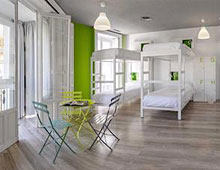 Budget accommodations
  Apartments
  Family Hotel
 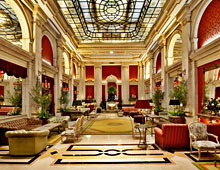 Luxury Hotel