Dover Castle Admission Ticket
738 reviews
Commanding the gateway to the realm for over nine centuries, the fortress has been at the heart of some of the most significant events in England’s history.
Buy now
From 28,69€ per person
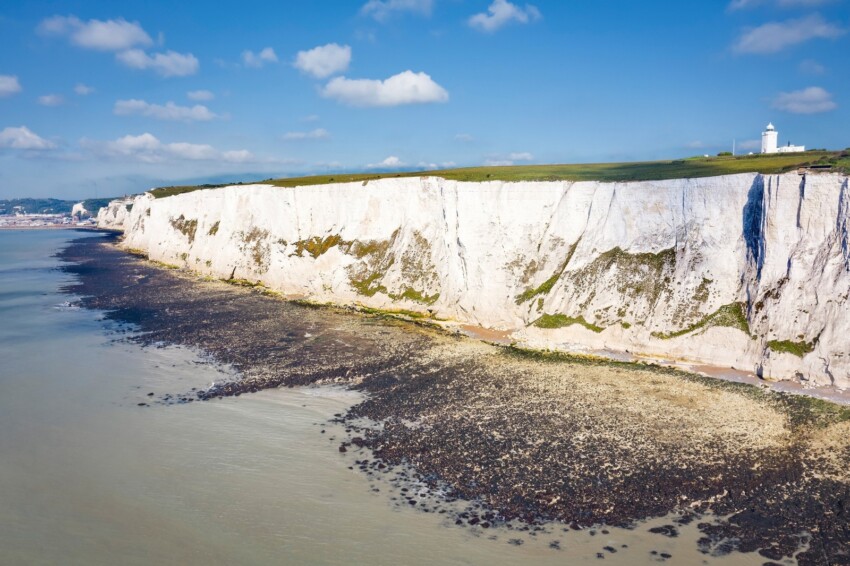
Dover is a port town overlooking the English Channel in south-east England. It is famous worldwide, particularly for its iconic white cliffs, one of the most recognisable symbols of the United Kingdom. Dover has also played a pivotal role throughout numerous historical moments, from the Norman Conquest to the Second World War.
Today, the town skilfully blends its historical heritage with a vibrant maritime atmosphere. Dover Port, one of Europe’s busiest harbours, maintains the vital link between Great Britain and the European continent, whilst the historic centre preserves the charm of an authentic English coastal town. Its pebble beaches, scenic footpaths and numerous historical sites offer visitors an authentic experience.
Dover offers a perfect mix of historical, natural and maritime attractions, making it a fascinating destination for many travellers. From the majesty of its castle to the spectacular views from the cliffs, every corner tells a millennia-old story of this gateway to England.
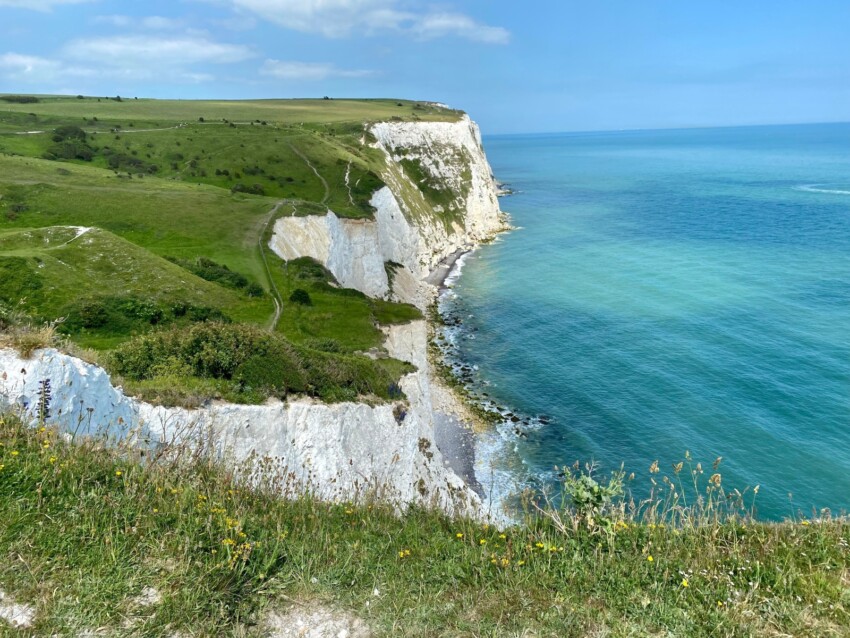
The White Cliffs of Dover are one of Britain’s most iconic natural landscapes. These magnificent chalk cliffs, extending for over 16 kilometres, reach a height of 110 metres above sea level. The distinctive white colour is due to the presence of chalk and flint, formed millions of years ago from the remains of marine microorganisms.
The National Trust manages an excellent visitor centre from which to begin your exploration. Several scenic footpaths depart from here, offering spectacular views of the Channel. Walking along the cliffs is an unforgettable experience that allows you to admire a rich variety of local flora and fauna. In spring and summer, the cliffs are carpeted with wildflowers, whilst various seabird species nest among the rocky faces.
However, the cliffs themselves are a spectacle that is difficult to appreciate properly from land, so you’ll want to venture out by boat if you wish to enjoy a complete view of the cliffs.
The South Foreland Lighthouse is a magnificent Victorian lighthouse standing in a panoramic position on the cliffs. This historic lighthouse, now managed by the National Trust, was the first in the world to use electricity and implement international radio communication. Visitors can explore the restored interiors, discover the life of lighthouse keepers and enjoy breathtaking views of the English Channel. On clear days, the French coast is clearly visible.
Near the lighthouse stands the Blériot Memorial, a moving monument commemorating the first flight across the English Channel, completed by Louis Blériot in 1909. The monument marks the exact spot where the French aviator landed, marking a historic moment in aviation.
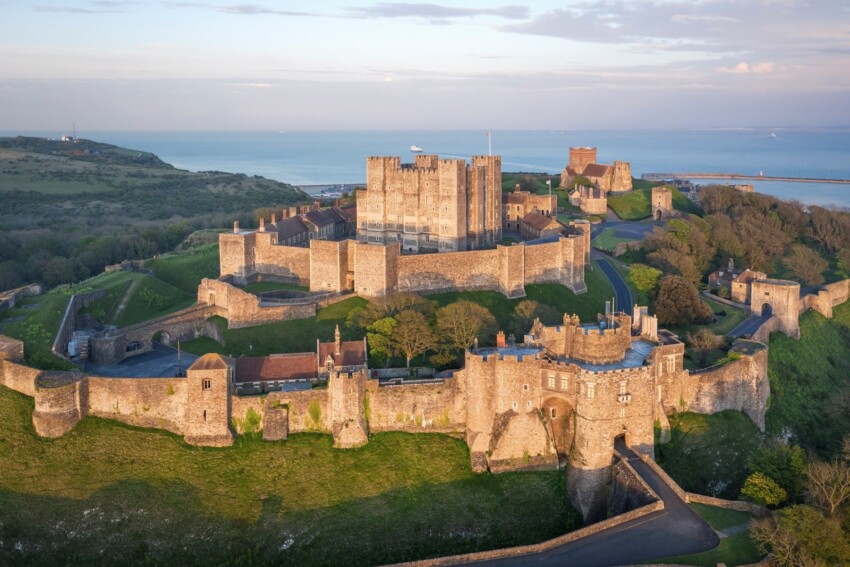
Dover Castle is one of England’s largest and most impressive medieval fortresses. Built in the twelfth century, this magnificent example of military architecture dominates the town from a strategic position on the cliff. Its thousand-year history spans several epochs: from the still-visible Roman lighthouse tower to the Second World War underground tunnels.
Visitors can explore the richly furnished royal apartments, which offer an insight into medieval life. The Great Tower, the heart of the castle, features meticulously recreated interiors showing how the fortress appeared in the time of Henry II. Particularly interesting is the network of underground tunnels, used as an operations centre during the Dunkirk evacuation and subsequently as an air-raid shelter.
Within the castle complex stands St Mary in Castro Church, a jewel of Saxon architecture. This church, built around 1000, is one of Britain’s oldest religious buildings still in use. Its unique architectural style combines Saxon and Norman elements, featuring characteristic arched windows and a tower offering panoramic views of the castle and town.
A visit to the castle requires at least three hours to be fully appreciated. The viewpoints offer breathtaking views of the English Channel and the French coast on the clearest days.
Dover Museum, located in the town centre, is one of Kent’s oldest museums. The main attraction is the Dover Bronze Age Boat Gallery, which houses the remains of a Bronze Age vessel, considered the oldest known seagoing boat in the world.
The museum tells the story of the town’s rich history through a series of interactive exhibitions and collections spanning from Roman times to the present day. Particularly moving is the Second World War section, which documents Dover’s crucial role during the conflict.
Close to Dover Museum is the Roman Painted House, one of Britain’s most important Roman archaeological sites. This third-century residential dwelling preserves some of the finest examples of Roman wall paintings in northern Europe. The site also includes an incredibly well-preserved underfloor heating system and original mosaics. Interactive exhibits and information panels help visitors understand daily life in Roman Dover.
Dover Waterfront offers a pleasant walk with panoramic views over the harbour and the English Channel. Marine Parade is the heart of the town’s maritime activity, with its mix of Victorian architecture and modern port facilities. Dover Marina is a lively tourist port where you can admire yachts and pleasure boats, as well as enjoy the numerous seafront cafés and restaurants.
The area is also home to several historical attractions, including war memorials and monuments commemorating Dover’s strategic role during the world conflicts. The waterfront is particularly atmospheric at sunset, when the harbour lights create a magical atmosphere.
Western Heights is a complex system of fortifications built in the eighteenth and nineteenth centuries to protect Dover from possible French invasions. This historical site, less visited than the castle but equally fascinating, comprises ditches, barracks and bunkers spread across a vast hilly area.
The Drop Redoubt and the Grand Shaft, a triple helical staircase used for the rapid movement of troops, are among the most interesting elements of the complex. Western Heights also offer excellent opportunities for scenic walks with views over the town and harbour.
Connaught Park is an oasis of tranquility situated on the hills above Dover. This Victorian park offers breathtaking panoramic views of the town, harbour and Dover Castle. With its well-maintained gardens, children’s play areas and shaded pathways, it represents an ideal spot for a relaxing break whilst exploring the town.
In the following map you can see the location of the main places of interest mentioned in this article.
The historic centre represents an excellent choice in most cases. This area offers a wide selection of charming accommodation in period buildings, with easy access to restaurants, pubs and shops. The area is also well connected to the main tourist sites.
The harbour area is ideal both for those arriving by ferry and for those wishing to make excursions to the cliffs. It offers a variety of historic hotels and bed & breakfasts with sea views, perfect for soaking up the town’s maritime atmosphere.
The Western Heights area is recommended for those seeking quieter accommodation with panoramic views over the town and sea. Several welcoming bed & breakfasts and family-run guest houses can be found here, ideal for those travelling by car who don’t mind travelling into the centre.
Dover is located in Kent, in south-east England, and represents one of the main connection points between the United Kingdom and continental Europe. The town is well connected both by land and sea, with various transport options available to travellers.
London Gatwick Airport is the most convenient airport for reaching Dover, being approximately 130 km away. From the terminal you can take a direct train to Dover Priory with a journey time of approximately 2 hours. Alternatively, bus services and private transfers are available.
Dover is in any case excellently connected to London via regular rail services departing from London St Pancras and London Victoria. High-speed trains take approximately 1 hour and 10 minutes, whilst standard services take around 2 hours. The main station, Dover Priory, is centrally located and well connected to all areas of the town.
Coach tours from London represent a convenient option for visiting Dover as a day trip. These organised tours typically include visits to the main attractions such as Dover Castle and the White Cliffs, and also offer the opportunity to visit other tourist destinations such as Canterbury or the magnificent Leeds Castle.
Ferries arrive at Dover from Calais, in France. There are 3 shipping companies operating this route: P&O Ferries, Irish Ferries and DFDS Seaways. Each operates around ten daily sailings and the crossing takes approximately 1 hour and 30 minutes.
Dover’s strategic location makes it an excellent base for exploring Kent and its attractions. Hiring a car is recommended for moving around freely and discovering the picturesque villages and coastal locations of the region, although many destinations are accessible by public transport.
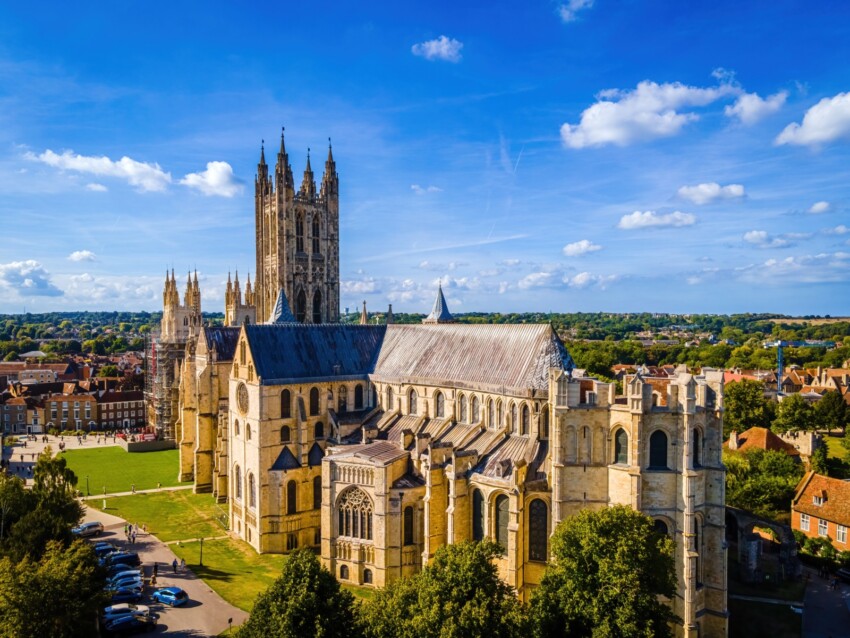
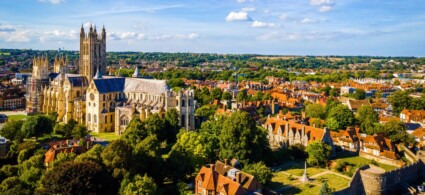
The historic town of Canterbury is just a 30-minute drive from Dover. Its magnificent cathedral, a UNESCO World Heritage Site, is one of England’s most important pilgrimage destinations. The medieval historic centre, with its cobbled streets and half-timbered houses, offers an enchanting atmosphere.
The charming coastal town of Deal is about a 15-minute drive from Dover. Its Tudor castle, picturesque waterfront and well-preserved historic centre make it a perfect destination for a half-day excursion. The town is also famous for its fish market and characteristic seafront pubs.
The ancient medieval town of Sandwich is reachable in 25 minutes by car. This historical gem retains much of its medieval walls and boasts some of the finest examples of Tudor architecture in Kent. Its narrow winding streets, secret gardens and historic pubs create a unique atmosphere.
What's the weather at Dover? Below are the temperatures and the weather forecast at Dover for the next few days.
Dover is located in the county of Kent, on the south-eastern coast of England, just 34km from the French coast at Calais and 126km south-east of London.
 Hotel
Hotel  Budget accommodations
  Apartments
  Family Hotel
  Luxury Hotel