Liverpool: a UNESCO city where maritime history, the Beatles and contemporary culture merge into a unique blend. Its iconic waterfront, excellent museums and vibrant atmosphere make it an unmissable destination.
Situated in the heart of Merseyside, Liverpool is a city that has transformed over time from a historic industrial port into a vibrant cultural metropolis. A UNESCO World Heritage Site since 2004, the city is the birthplace of the legendary Beatles and home to two prestigious football clubs, Liverpool FC and Everton FC.
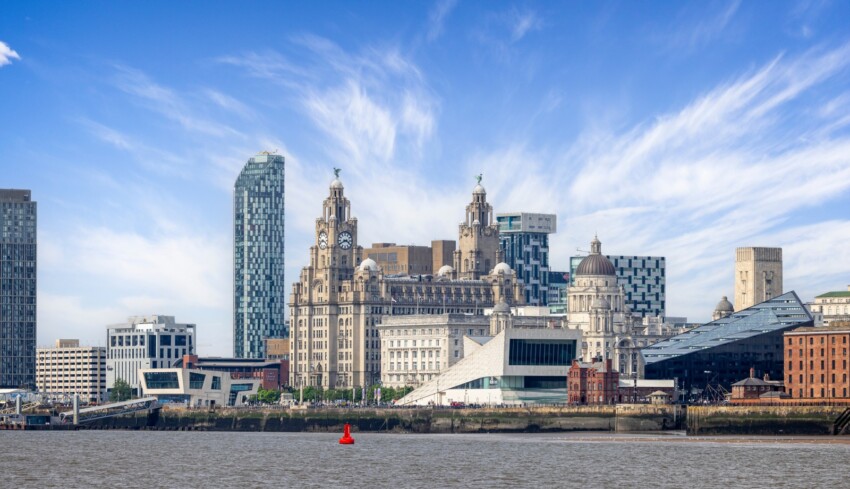
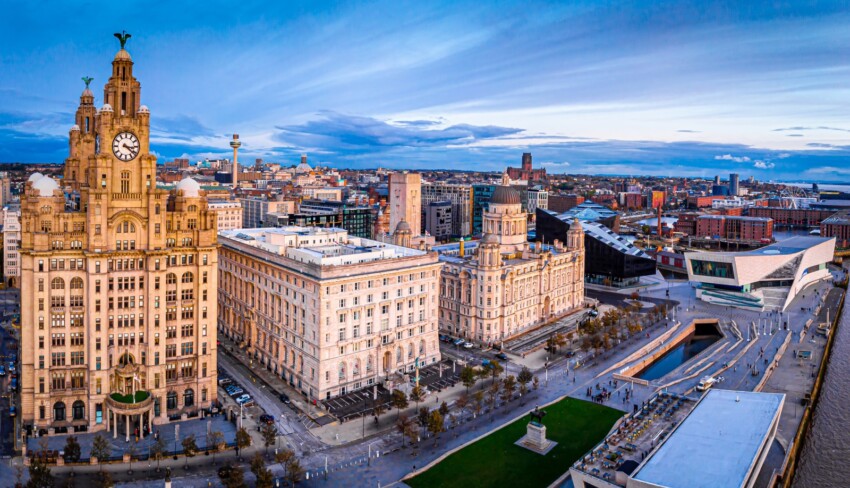
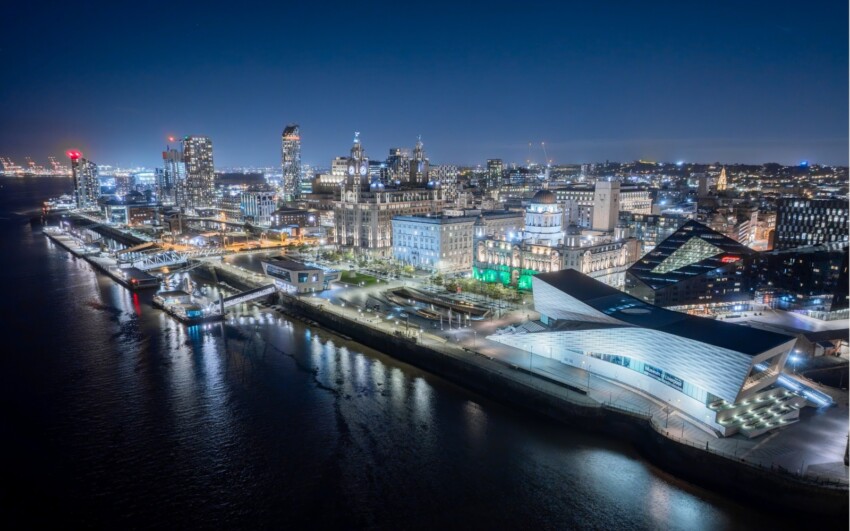
Its historic waterfront, with the distinctive buildings of the Three Graces, is reflected in the waters of the River Mersey, whilst its city centre buzzes with life amongst cutting-edge museums, fashionable venues and beautifully preserved Victorian architecture.
The cultural renaissance of recent decades has transformed Liverpool into one of the most compelling destinations in the United Kingdom, where a rich maritime heritage merges with a vibrant arts scene and an infectious energy that you’ll feel in every corner of the city.
What to See in Liverpool
Liverpool is a city that never fails to surprise visitors with a perfect blend of history, culture and entertainment. Its cultural heritage spans from iconic Beatles landmarks to world-class museums, whilst its waterfront offers some of England’s most striking urban views.
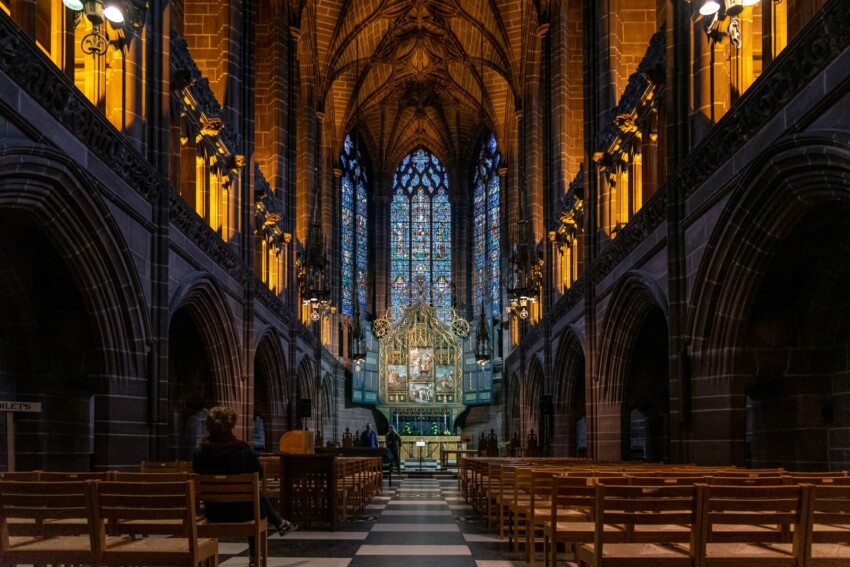
Liverpool Anglican Cathedral is a masterpiece of 20th-century Gothic architecture and holds the record for the world’s largest Anglican church. Its imposing structure dominates the city skyline, whilst the central tower offers breathtaking panoramic views over the city and the River Mersey.
The interiors are equally impressive, featuring soaring vaults, stunning stained glass windows and the largest organ in the United Kingdom. The cathedral regularly hosts concerts and cultural events, taking full advantage of the main nave’s excellent acoustics. The crypt, with its massive columns and arches, creates an almost mystical atmosphere and is well worth exploring.
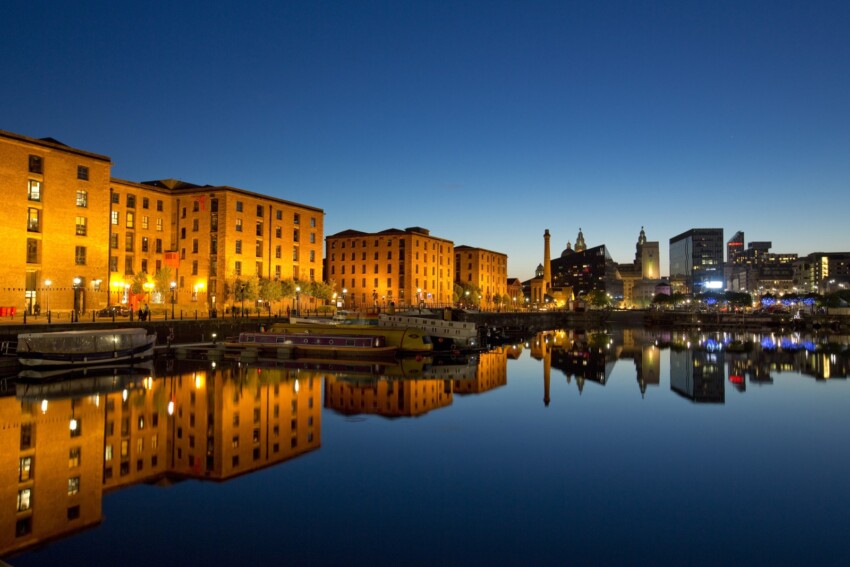
Albert Dock represents the historic and cultural heart of Liverpool. This Victorian complex of red-brick and iron buildings was the world’s first warehouse built entirely without wood, revolutionising port architecture of the era. Today, following careful restoration, it has become one of the focal points of the city’s cultural life.
Wandering through its historic buildings, visitors can explore some of the city’s finest museums, including Tate Liverpool, which hosts world-class contemporary art exhibitions, and the Merseyside Maritime Museum, telling the story of the city’s rich maritime heritage. The atmosphere is particularly enchanting at sunset, when lights reflect across the harbour waters and restaurants fill with locals and tourists alike.
The Beatles Story Museum
3Britannia Vaults, Royal Albert Dock, Liverpool L3 4AD, UK
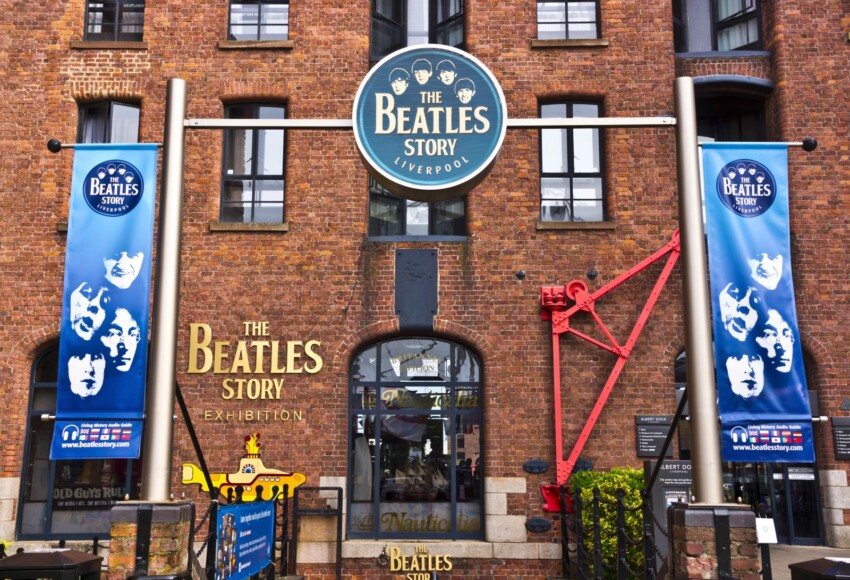
The Beatles Story is far more than a simple museum—it’s an immersive journey into the universe of the Fab Four. Located within Albert Dock, this museum tells the detailed story of the most influential band of all time, from their humble beginnings in Liverpool’s clubs to their conquest of the world.
Visitors can explore faithful recreations of iconic venues such as the Cavern Club and Abbey Road Studios, admire original memorabilia and immerse themselves in a multimedia experience that traces the group’s musical evolution. The section dedicated to John Lennon is particularly moving, featuring personal items and rare recordings that offer deeper insight into his complex personality.
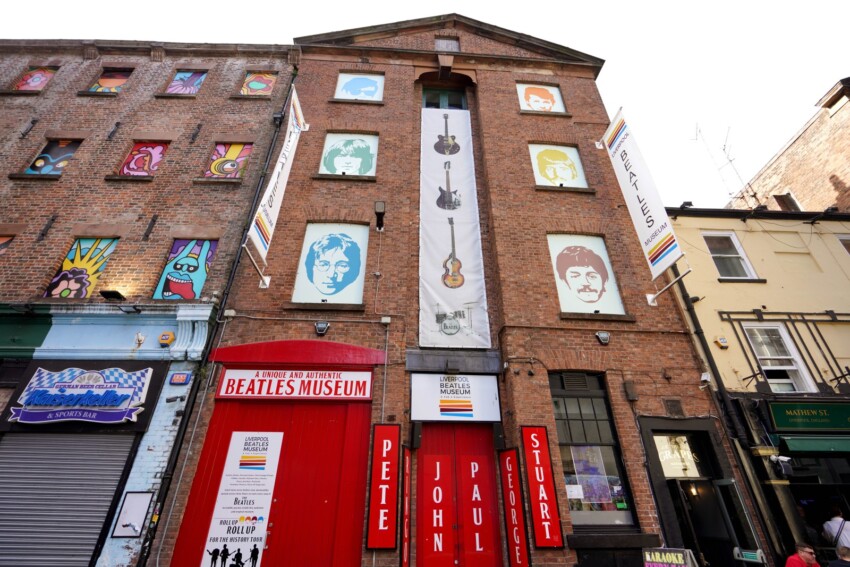
The Liverpool Beatles Museum stands out for its extraordinary private collection of authentic and rare memorabilia belonging to the band. Spread across three floors of a historic building, this newer and less touristy museum compared to The Beatles Story at Royal Albert Dock, displays over 1,000 personal items, musical instruments and artefacts collected over 30 years by Roag Best, brother of Pete Best, the Beatles’ original drummer. Particularly fascinating are items linked to the Casbah Coffee Club, the venue run by the Best family where the Beatles performed in their early days.
Visiting both museums offers a complementary perspective on the Fab Four’s history, combining authentic memorabilia with interactive experience.
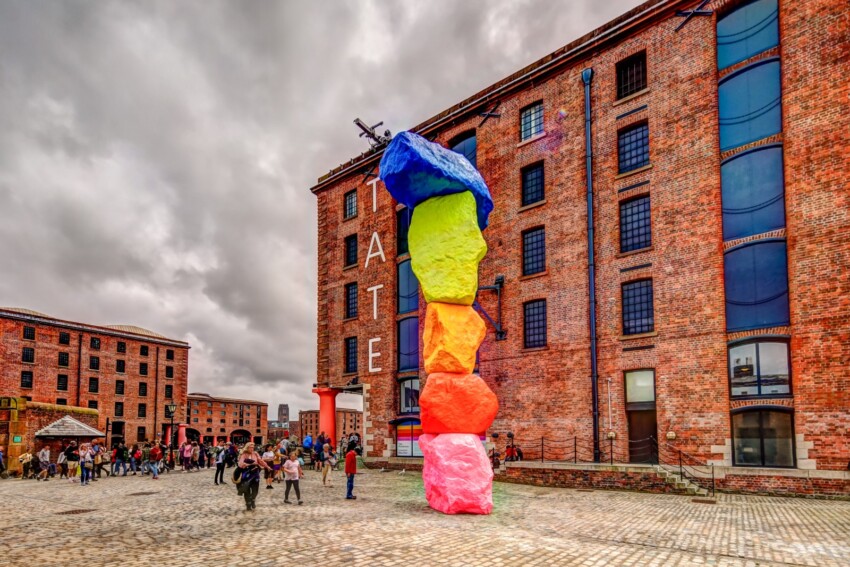
Tate Liverpool is one of the UK’s most important contemporary art museums outside London. Housed in a beautifully restored former warehouse at Albert Dock, the gallery presents a world-class permanent collection of modern and contemporary art.
The temporary exhibitions, consistently of the highest calibre, attract visitors from across the globe. The bright, well-curated exhibition spaces provide the perfect setting for artworks, whilst the education programme and special events make art accessible to all audiences. The ground-floor café, overlooking the dock, is an ideal spot for a contemplative break.
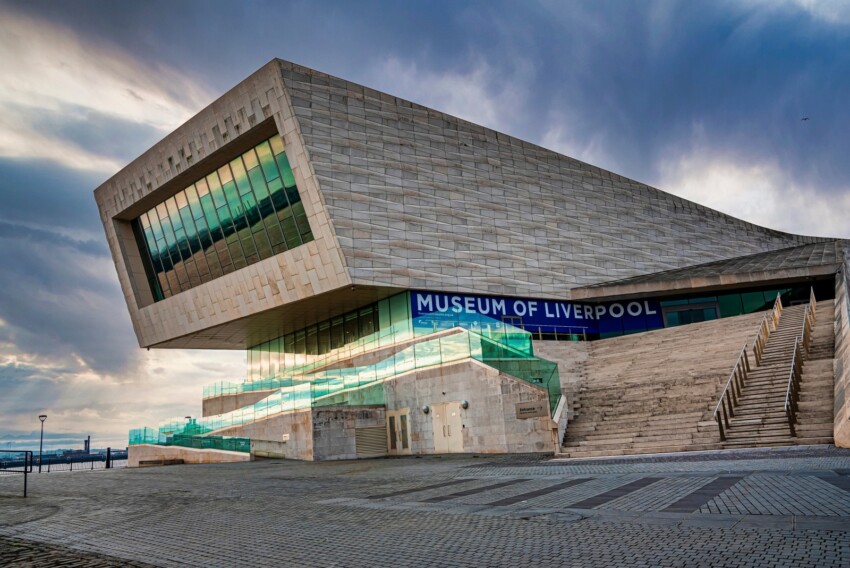
The Liverpool Museum, with its contemporary waterfront architecture, is Britain’s largest national museum built in the last 100 years. The building itself is a work of art, with dynamic lines that stretch towards the River Mersey.
Inside, the galleries tell the city’s rich social, cultural and sporting history through an impressive collection of objects, photographs and interactive displays. Particularly noteworthy are sections dedicated to the port, immigration and popular music, all of which have shaped Liverpool’s unique identity.
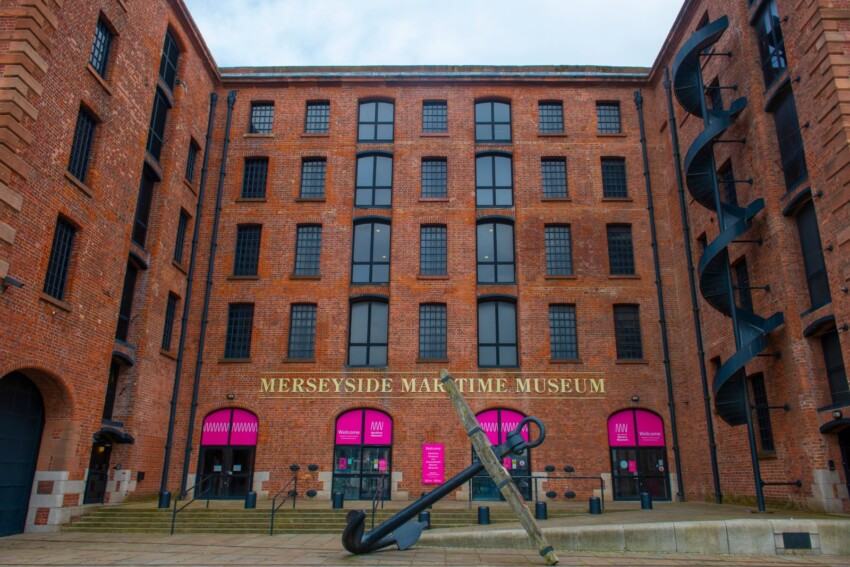
The Merseyside Maritime Museum tells Liverpool’s extraordinary maritime story through a unique collection of objects, ship models and historical documents. Located at Albert Dock, the museum offers a fascinating journey through centuries of maritime history.
The most poignant exhibitions include those dedicated to the Titanic and Lusitania, both ships with strong Liverpool connections. The International Slavery Museum, situated within the same building, explores the city’s role in the slave trade and its lasting impact. The views over the port from the third floor are spectacular and offer a unique perspective on modern port life.
Pier Head is Liverpool’s most iconic symbol, dominated by the magnificent Three Graces: the Royal Liver Building, the Cunard Building and the Port of Liverpool Building. These majestic early 20th-century structures represent the city’s golden age as the British Empire’s premier commercial port.
The Royal Liver Building, with its two legendary Liver Birds perched on top, is particularly striking at sunset. The area has been recently revamped with new public spaces and artistic installations that make it even more appealing to visitors.
9Cunard Building, Canada Blvd, Liverpool L3 1DS, UK
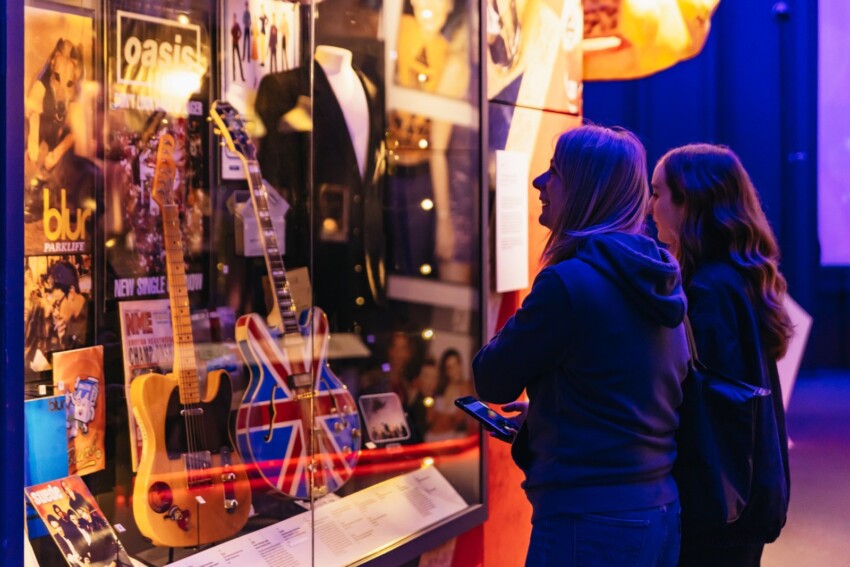
The British Music Experience is an interactive museum celebrating over 70 years of British pop music. This extraordinary permanent exhibition traces the evolution of music from 1945 to the present day through an extensive collection of original costumes, instruments and memorabilia belonging to Britain’s greatest musical stars.
Visitors can admire iconic pieces such as David Bowie’s kimono, outfits worn by the Spice Girls and Adam Ant’s military jacket. The most engaging part of the experience are the interactive zones where you can play real musical instruments, sing in a virtual recording studio or learn the most famous dance steps from British pop history.
The museum also houses a valuable collection of historic guitars and an area dedicated to the UK’s most important music festivals.
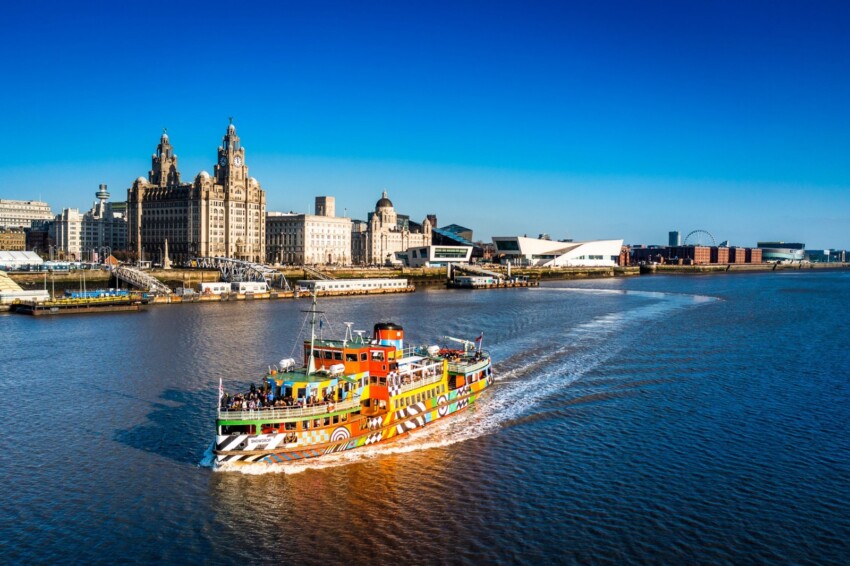
The Mersey River Cruise is one of the most striking ways to admire Liverpool’s famous skyline and historic waterfront, designated as a UNESCO World Heritage Site. The iconic “Ferry cross the Mersey” ferries, made famous by the 1960s song of the same name by Gerry and the Pacemakers, offer an experience that combines history, culture and spectacular views.
During the 50-minute cruise, visitors can admire the Three Graces, the iconic waterfront buildings: the Royal Liver Building with its legendary Liver Birds, the Cunard Building and the Port of Liverpool Building. The cruise also provides a unique perspective of the Royal Albert Dock, Britain’s largest Victorian building complex, now transformed into a vibrant cultural and recreational hub.
The sunset cruises are particularly enchanting, when the city lights begin to reflect across the Mersey’s waters.
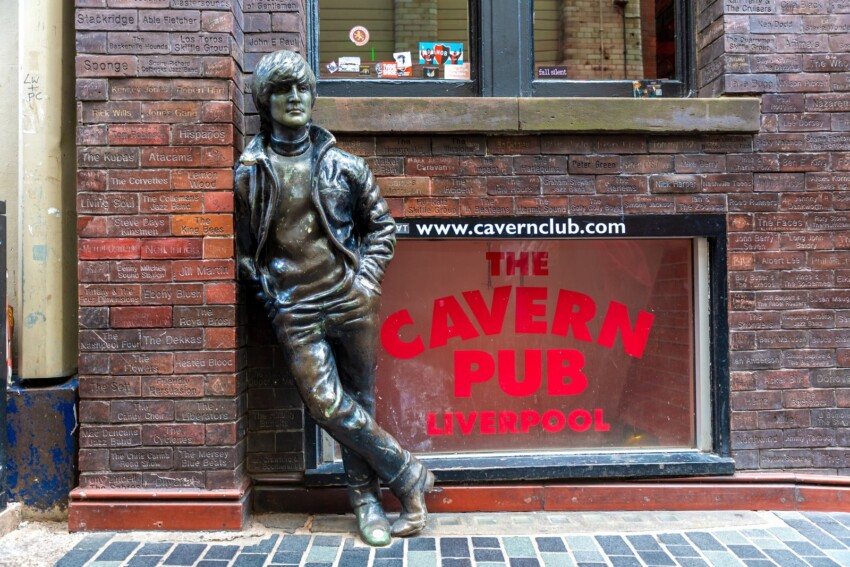
The legendary Cavern Club is far more than just a music venue—it’s a piece of rock and roll history. The Beatles performed here 292 times before they became famous, and the club still maintains the atmosphere of the 1960s today.
Although the original club was demolished in the 1970s, the current reconstruction uses many of the original bricks and was built following the historic layout faithfully. Live music every evening, a unique atmosphere and walls covered with memorabilia make it an essential stop for every visitor.
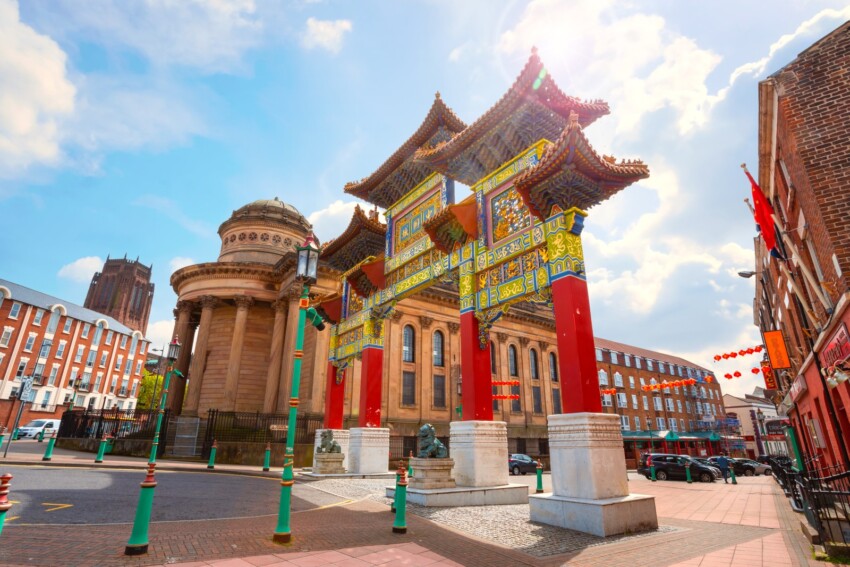
Liverpool’s Chinatown, with its imposing ceremonial arch, is Europe’s oldest Chinese quarter. The arch, the largest outside China, was built by craftsmen from Shanghai and represents a symbol of the importance of the Chinese community in the city’s history.
The quarter is a vibrant mix of authentic restaurants, Asian supermarkets and traditional shops. During Chinese New Year, the area comes alive with spectacular celebrations featuring lion dances, fireworks and cultural events. It’s the perfect place to explore Liverpool’s cultural diversity and enjoy authentic Chinese cuisine.
Metropolitan Cathedral of Christ the King
12Cathedral House, Mt Pleasant, Liverpool L3 5TQ, UK
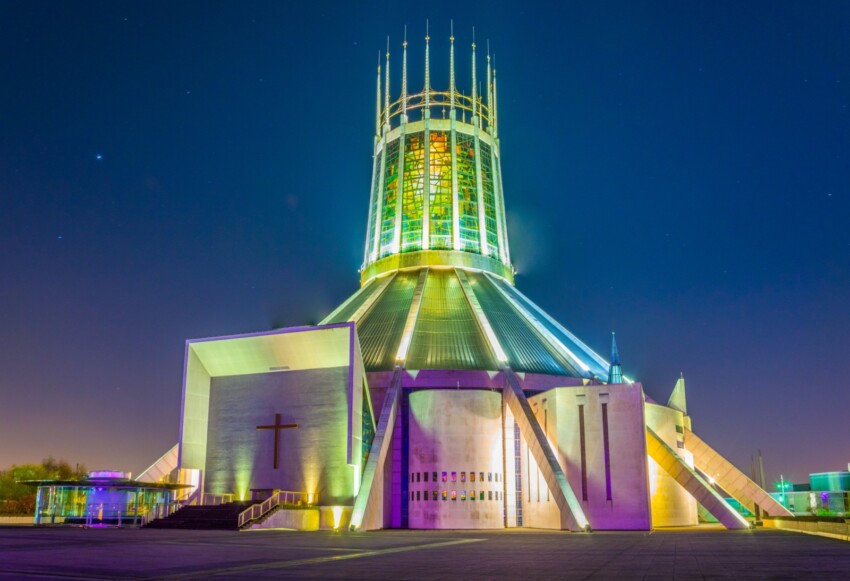
The Metropolitan Cathedral of Christ the King, affectionately known to locals as “Paddy’s Wigwam” for its unique circular shape, is a masterpiece of modern architecture. This Catholic cathedral, completed in 1967, offers a striking contrast to its Anglican counterpart.
The interior is particularly striking thanks to coloured stained glass windows that create spectacular light effects. The crypt, the only surviving part of the original Lutyens design, houses the Cathedral Treasury and hosts interesting temporary exhibitions. Walking between the two cathedrals along Hope Street is one of the city’s most beautiful strolls.
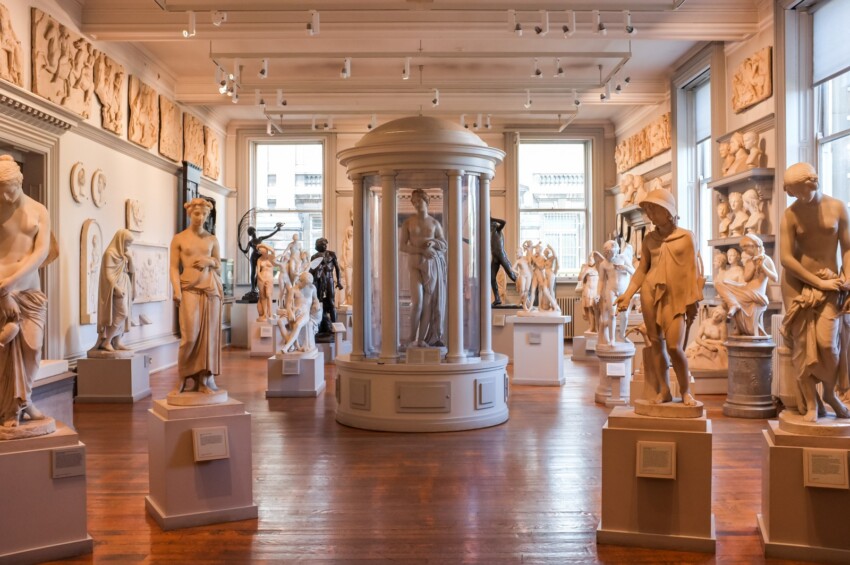
The Walker Art Gallery, known as the “National Gallery of the North”, houses one of the UK’s most important art collections. The imposing Victorian building contains artworks spanning from the Renaissance to the present day, with particular strengths in Pre-Raphaelite and Victorian painting.
The gallery boasts works by artists of the calibre of Rembrandt, Turner and Monet, alongside a significant contemporary art collection. The Big Art for Little Artists section is specifically designed for children, making the gallery an ideal visit for families. Free admission and a central location make it a must-see for art lovers.
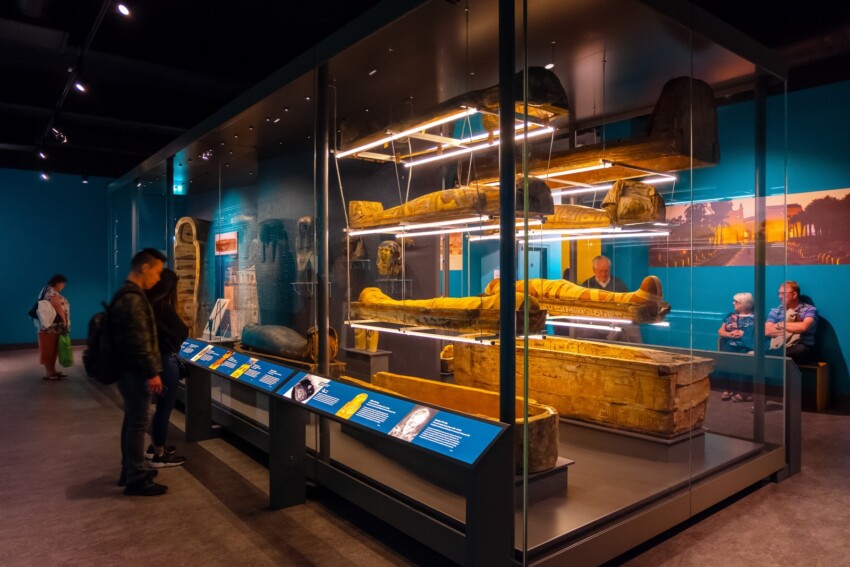
The World Museum is one of Liverpool’s oldest and most beloved museums, perfect for families with children. Spread over five floors, it offers a fascinating journey through natural sciences, archaeology and world cultures.
The aquarium, planetarium and insect section are particularly popular with younger visitors. The Egyptian and Roman collections rank among the most important in the UK, whilst the space and astronomy section offers engaging interactive experiences. Free admission makes it an unmissable stop for families travelling with children.
Anfield, the historic home of Liverpool FC, is a true temple of football that radiates history and passion. A guided stadium tour allows you to explore the dressing rooms, walk down the tunnel to the pitch accompanied by “You’ll Never Walk Alone” and sit in the legendary Kop.
The club museum tells the glorious history of the Reds through trophies, memorabilia and multimedia displays. The atmosphere is especially thrilling on match days, when the stadium fills with supporters from around the world. The “This Is Anfield” sign above the players’ tunnel is one of sport’s most photographed symbols.
In the following map you can see the location of the main places of interest mentioned in this article.
Where to stay in Liverpool
The city centre is where most visitors choose to stay. You’ll find numerous hotels across all categories here, perfect if you want to reach the main attractions on foot and enjoy the vibrant nightlife. The area around Liverpool ONE offers contemporary, high-quality accommodation, ideal for shopping and cultural activities.
Albert Dock is perfect if you’re after a more characterful atmosphere. Boutique hotels housed in converted historic warehouses offer spectacular river views and a unique setting. It’s an excellent choice for couples seeking romance and for those who appreciate historic architecture.
The university district and Hope Street are great alternatives if you prefer a quieter atmosphere whilst remaining centrally located. This area is full of charming boutique hotels and bed and breakfasts, surrounded by excellent restaurants and close to the two cathedrals.
We offer best rates If you find it cheaper we refund the price difference.
Free cancellation Most properties allow cancellation without penalty.
We're available 24 hours a day For any problem call Booking.com.
Liverpool is well connected to the rest of the United Kingdom and Europe thanks to an efficient and diverse transport network. The city is served by two major airports and frequent train links to Britain’s largest cities.
Liverpool Airport is just 13 km from the city centre and is the main hub for international flights. It’s connected to the centre by a express bus service that takes around 45 minutes. Alternatively, taxis take approximately 20 minutes and are available 24/7.
Manchester Airport is an excellent alternative, located about 50 km from Liverpool. You have two options to get to Liverpool from Manchester Airport: take the direct National Express Coach bus which takes around an hour, or catch the train from the airport station to Liverpool Lime Street.
Liverpool Lime Street is the city’s main station with frequent services to London (2 hours 15 minutes), Manchester (45 minutes) and Birmingham (1 hour 45 minutes). The station is right in the heart of the city centre, making arrival by public transport extremely convenient.
Day trips from Liverpool
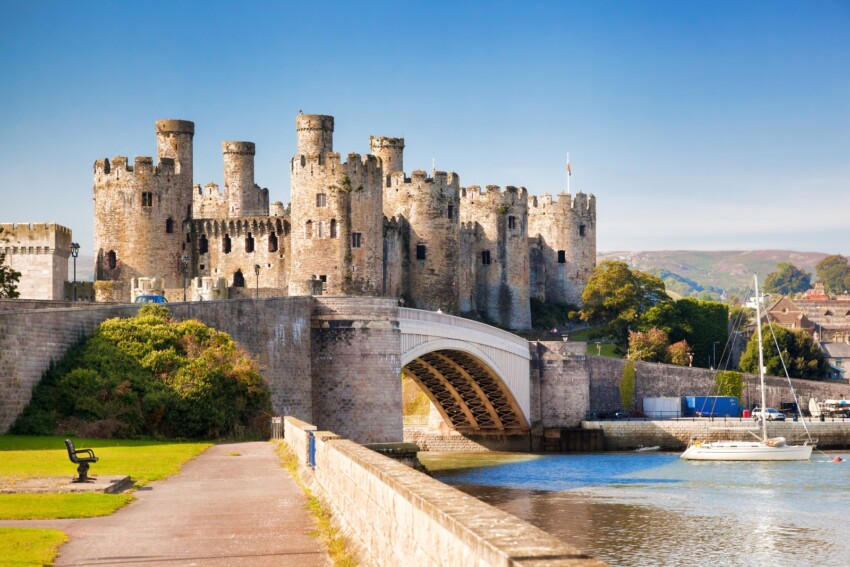
Conwy Castle in Wales
Liverpool’s strategic location makes it an excellent base for exploring some of the most interesting destinations in northern England. Hiring a car is recommended to maximise flexibility and easily reach the most fascinating nearby attractions.
Crosby Beach
Crosby Beach lies just outside the city and is home to “Another Place”, a unique art installation by artist Antony Gormley comprising 100 life-size cast iron figures spread across three kilometres of beach. The figures, modelled from the artist’s own body, all face out to sea and are periodically submerged by the tide.
The beach also offers stunning views of Liverpool’s waterfront and the wind turbines of the Irish Sea. It’s a perfect spot for contemplative walks, especially at sunset when the light creates magical effects on the figures. The area is easily accessible by local train (Merseyrail) from Liverpool Central station.
Chester
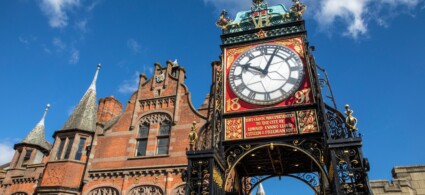
Chester is one of England’s most beautiful historic cities, just 45 minutes’ drive from Liverpool. Its perfectly preserved Roman walls, characteristic “Rows” (two-level medieval shopping galleries) and magnificent Gothic cathedral make it an unmissable destination for history lovers.
North Wales
The North Wales coast is easily reached in around an hour’s drive. Sandy beaches, medieval castles such as Conwy and Snowdon offer endless possibilities for day trips. The Victorian seaside town of Llandudno, with its iconic pier, is definitely worth a visit.
What's the weather at Liverpool? Below are the temperatures and the weather forecast at Liverpool for the next few days.
Wednesday 8
9°
18°
Thursday 9
7°
12°
Friday 10
6°
10°
Saturday 11
6°
10°
Sunday 12
5°
10°
Monday 13
4°
12°
Where is located Liverpool
Liverpool is located in the Merseyside region, in north-west England. The city is approximately 350 km from London, 50 km from Manchester and 27 km from Chester.
 Hotel
Hotel  Budget accommodations
  Apartments
  Family Hotel
  Luxury Hotel