Manchester, celebrated amongst sports enthusiasts for its two football clubs, has successfully transformed from a former industrial capital into a vibrant cultural metropolis.
Manchester is a city that has reinvented itself brilliantly. From its glorious industrial past, it has emerged as one of the most vibrant metropolises in the United Kingdom, where Victorian heritage blends seamlessly with contemporary architecture. The city that gave birth to the Industrial Revolution is today a thriving cultural hub, home to a legendary music scene and host to two of the world’s most famous football clubs.
Its streets tell stories of innovation and resilience, whilst its ever-evolving neighbourhoods offer a fascinating mix of art, culture and entertainment. The red bricks of historic buildings alternate with glass and steel skyscrapers, creating a unique urban landscape that bears witness to Manchester’s ability to embrace the future without forgetting its roots.
What to See in Manchester
Manchester is a city that surprises with the variety of its attractions, capable of satisfying every type of visitor. From majestic Victorian buildings to modern cultural centres, every corner of the city offers something interesting to discover.
Manchester Cathedral represents one of the city’s most precious architectural gems. This magnificent example of Perpendicular Gothic architecture, with origins dating back to the 15th century, stands majestically in the heart of the medieval district. The interiors are a triumph of artistic detail, featuring elaborate medieval wooden carvings and modern stained glass windows that replaced the originals, destroyed during Second World War bombing.
Particularly noteworthy is the Lady Chapel, with its extraordinary finely carved choir stalls dating from the 16th century. The vaulted ceiling of the central nave creates an atmosphere of profound spirituality, whilst rays of light filtering through the stained glass windows lend the space a mystical aura.
The cathedral regularly hosts concerts and cultural events, confirming its role not only as a place of worship but also as a cultural hub for the community.
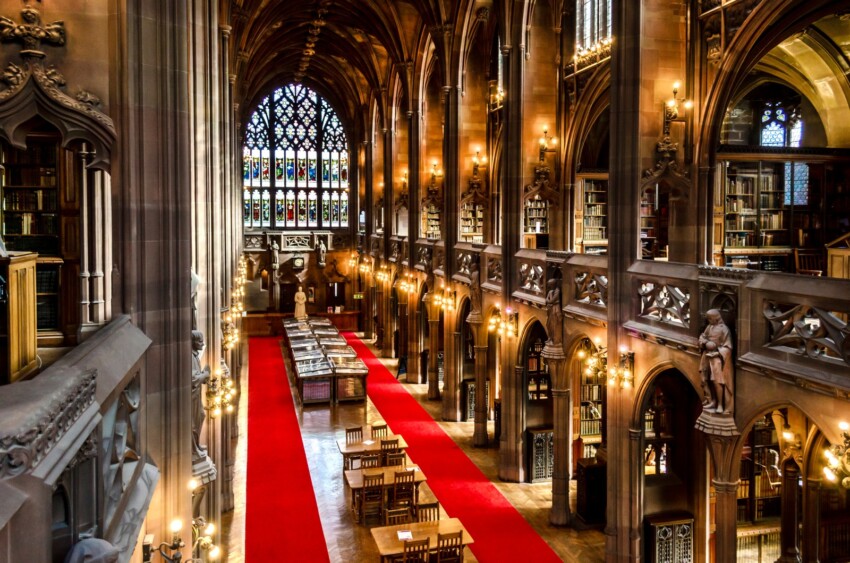
The John Rylands Library is far more than a simple library: it’s a Neo-Gothic masterpiece that seems to have stepped straight out of a Harry Potter novel. Opened in 1900, it was commissioned by Enriquetta Rylands in memory of her husband John, a wealthy Manchester textile industrialist.
The building is a triumph of ogival arches, flying buttresses and elaborate decoration that culminates in the spectacular Reading Room, a reading space that extends 30 metres in height, illuminated by tall windows and decorated with statues of significant figures from literary and religious history.
The library houses one of the world’s most important collections of rare books and manuscripts, including a copy of the Gutenberg Bible and Egyptian papyri. The atmosphere inside is almost sacred, with silence broken only by the rustling of pages and the muffled footsteps of visitors on stone floors.
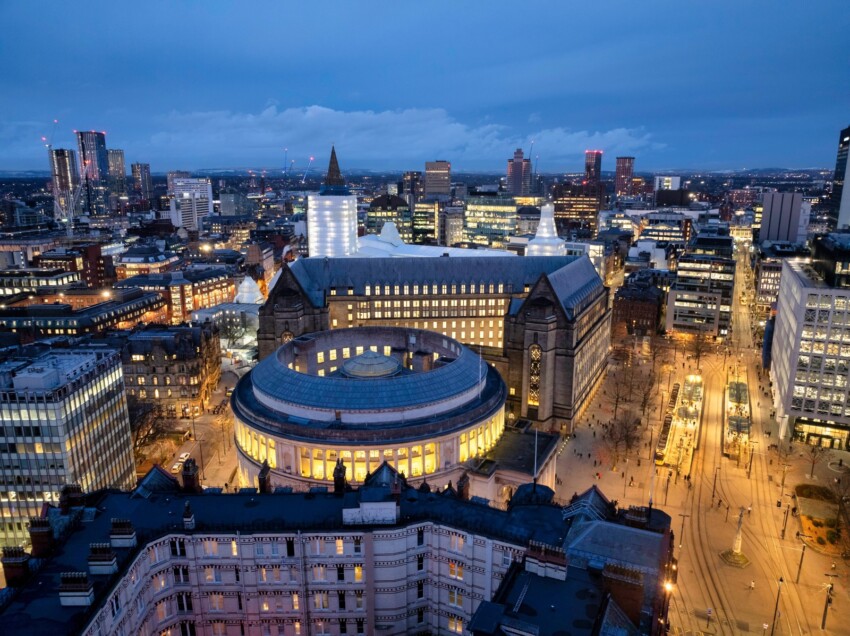
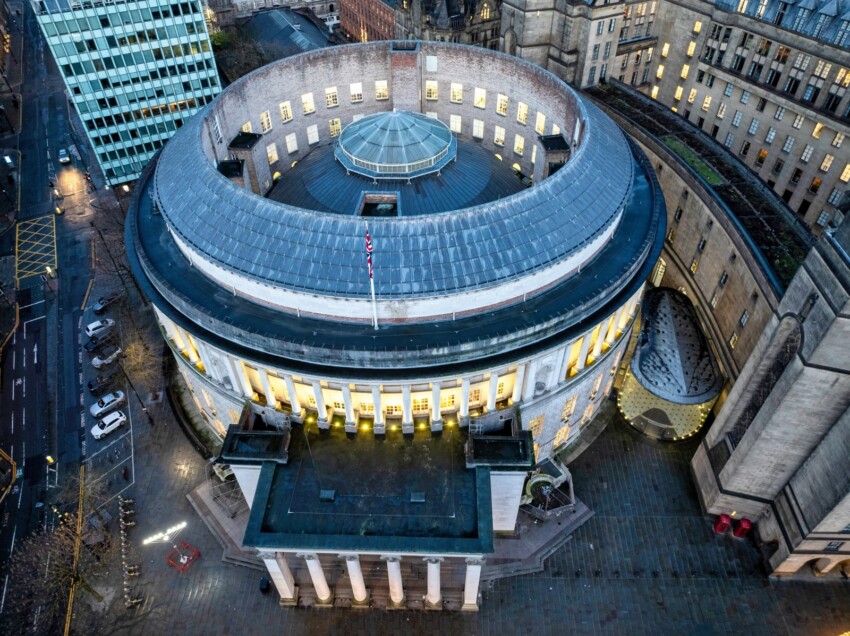
Manchester Central Library is one of the city’s most important examples of Neoclassical architecture. Built in 1934, this circular library was inspired by the Pantheon in Rome, featuring an imposing columned façade and a majestic dome. Following a multi-million-pound restoration completed in 2014, the building magnificently combines its historic character with cutting-edge modern facilities.
The most spectacular element is the main Reading Room, a circular space topped with an acoustically perfect dome. The 15-metre-high ceiling creates an almost sacred atmosphere, whilst the concentric rows of original oak desks add a touch of vintage elegance. The library also houses a valuable collection of rare books and manuscripts, as well as modern multimedia spaces and relaxation areas.
Visitors can admire the restored interiors, including the original marble floors and elaborate decorations, whilst exploring one of the city’s most important cultural centres. The library also features an excellent café where you can settle in with a book and a hot drink.
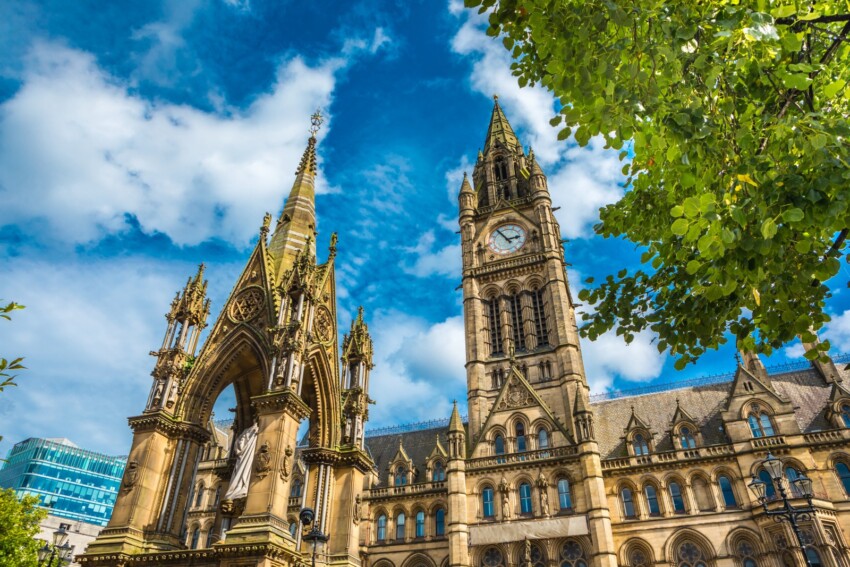
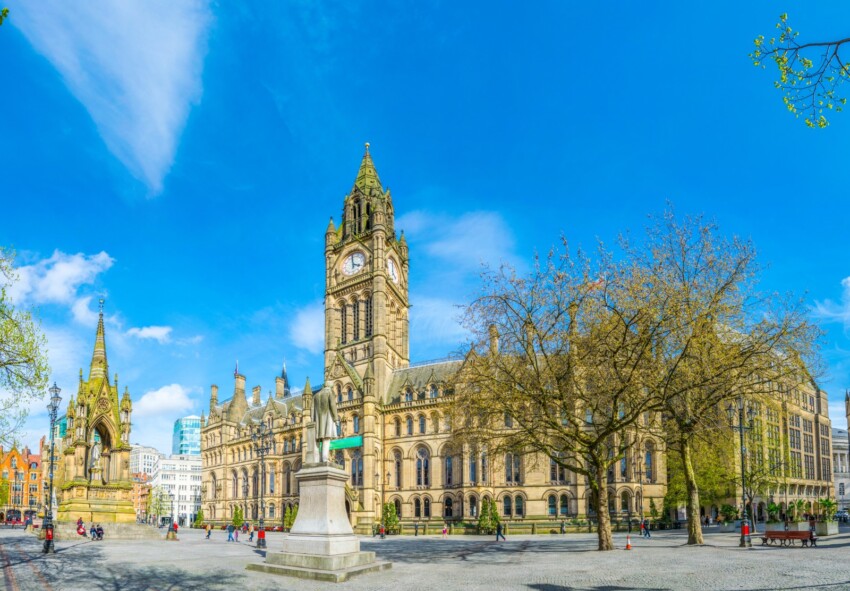
Manchester Town Hall is a Victorian Neo-Gothic masterpiece that dominates Albert Square. Completed in 1877, the building embodies the wealth and ambition of industrial Manchester. Its interiors are every bit as impressive as the exterior, with elaborate vaulted ceilings, historical murals and the famous Great Hall decorated with Ford Madox Brown’s murals illustrating the city’s history.
Its imposing façade remains one of the city’s most recognisable symbols, and the clock tower, standing 87 metres high, is one of the most distinctive features of Manchester’s skyline.
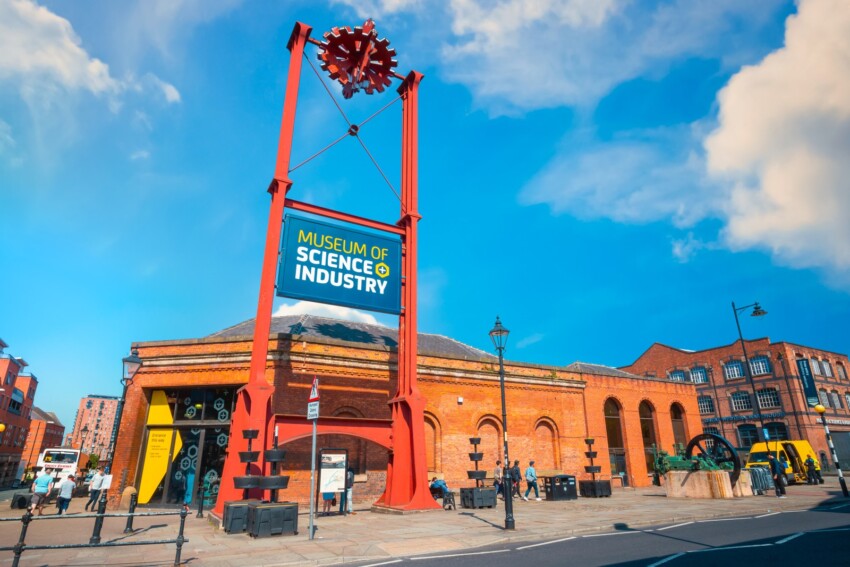
The Museum of Science and Industry occupies the site of the world’s first passenger railway station and tells the story of how Manchester changed the world through innovation and industry. Housed in several historic buildings, including the original Liverpool Road railway station from 1830, the museum is a tribute to the city’s crucial role in the Industrial Revolution.
Interactive galleries allow visitors of all ages to explore the innovations that have shaped our modern world. From the workings of the textile machinery that launched the Industrial Revolution, to the latest discoveries in materials science, the museum offers a fascinating journey through technological progress.
Particularly interesting is the gallery dedicated to Manchester’s textile industry, with original machinery still in working order that allows visitors to understand the cotton processing that made the city famous worldwide.
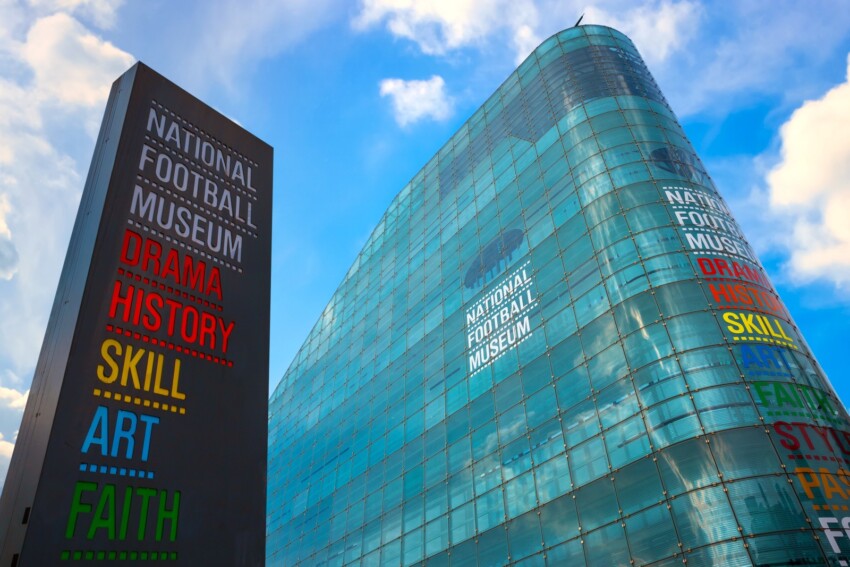
In Manchester, football is serious business and the National Football Museum is undoubtedly an unmissable destination for football enthusiasts from around the world.
Housed in the futuristic Urbis building in the heart of Manchester, this interactive museum celebrates the beautiful game through an extraordinary collection of memorabilia, trophies and artefacts that tell over 150 years of football history.
Spread across four floors, the museum boasts unique pieces such as the first copy of the football rules from 1863 and the legendary Jules Rimet World Cup Trophy. Visitors can test themselves with interactive simulators that let you experience the thrill of saving a penalty or commentating on a historic match. Particularly engaging is the Hall of Fame, which celebrates the legends of English football through personal objects, historic shirts and archive footage.
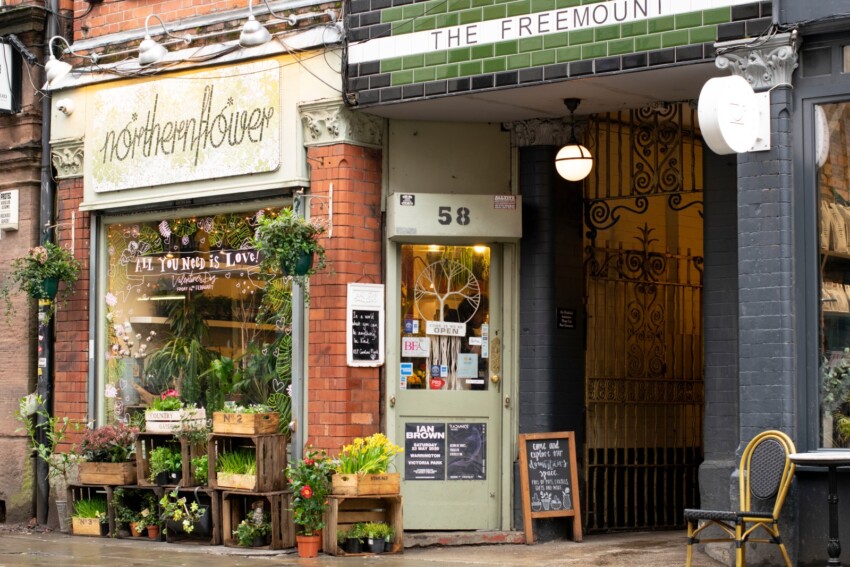
The Northern Quarter is Manchester’s most creative and bohemian district, a maze of streets rich in street art, vintage shops, independent cafés and trendy bars. This neighbourhood perfectly embodies the city’s alternative spirit, with its eclectic mix of underground culture and creativity.
Main streets such as Oldham Street and Tib Street are dotted with record shops, independent boutiques and vintage bookshops. The colourful murals decorating building façades tell stories of social protest and celebrate local pop culture, creating an ever-evolving open-air art gallery.
In the evening, the neighbourhood comes alive with its numerous bars and live music venues, where you can hear live music and soak up the atmosphere that has made Manchester famous for its music scene.
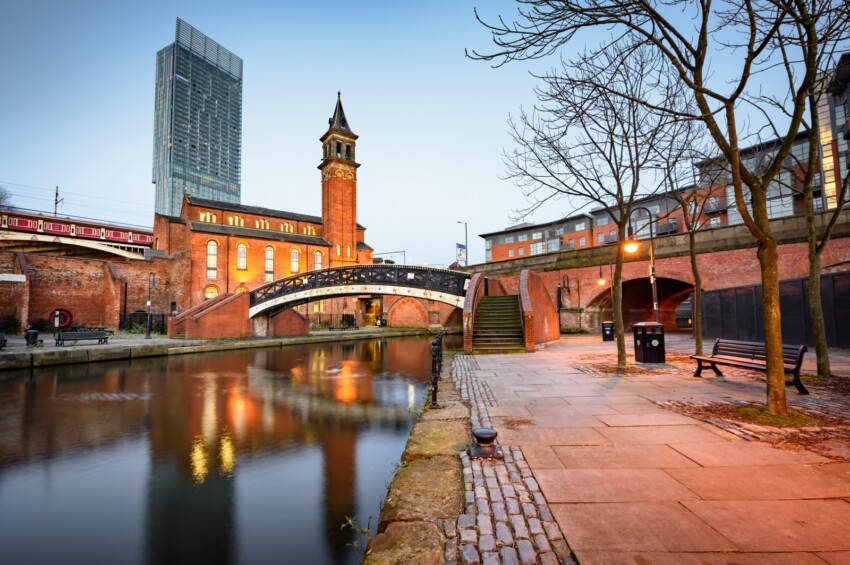
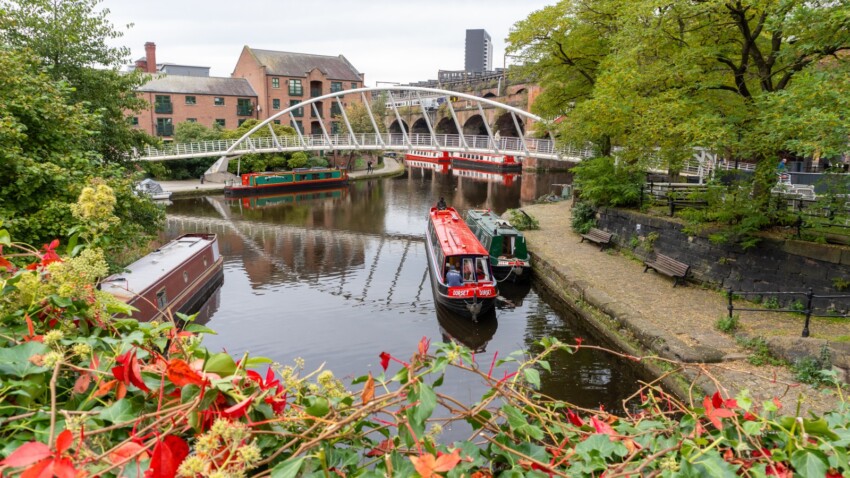
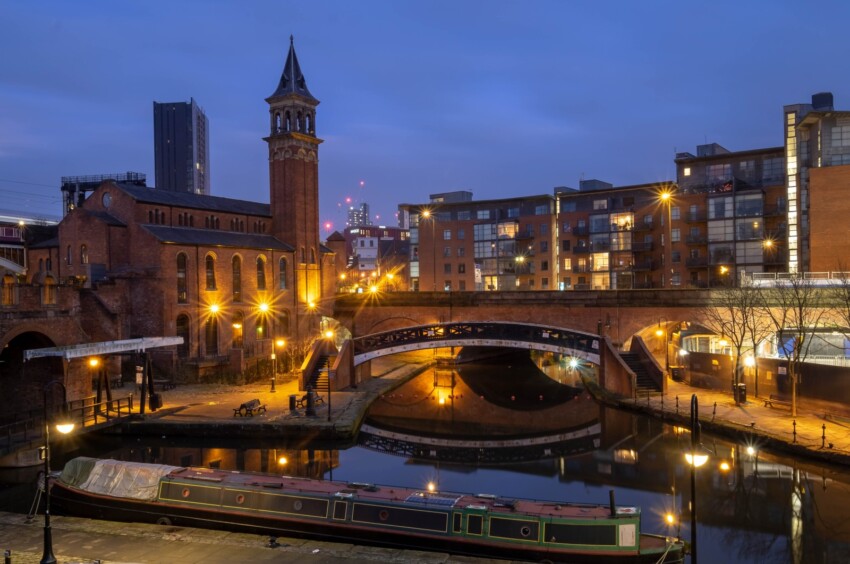
Castlefield is a neighbourhood that perfectly embodies Manchester’s transformation. This area, once the site of the original Roman fort of Mamucium, is today a picturesque district of canals, wrought-iron bridges and Victorian warehouses converted into flats and trendy venues.
The neighbourhood was designated the UK’s first Urban Heritage Park. The remains of the Roman fort, industrial canals and Victorian railway viaducts create a unique urban landscape. During summer, the canal banks come alive with bars and outdoor restaurants, whilst the Castlefield Bowl hosts open-air concerts.
Canal and River Irwell Cruises
A cruise along Manchester’s historic canals offers a unique perspective on the industrial city and its extraordinary evolution. Starting from the vibrant Salford Quays, boats navigate through the Manchester Ship Canal, a Victorian engineering feat that transformed the city into an inland port, connecting it directly to the sea.
During the approximately 1-hour journey, you’ll pass the iconic Old Trafford, home to Manchester United, whilst guides share fascinating anecdotes about the city’s industrial history. The cruise continues along the River Irwell, where modern skyscrapers alternate with ancient red-brick warehouses converted into luxury apartments and creative spaces.
A particularly evocative moment is the passage through the original 18th-century locks, still perfectly operational, which allow boats to navigate the changes in level. The cruise also offers a privileged view of Castlefield, Manchester’s oldest neighbourhood, where wrought-iron bridges tell the story of the Industrial Revolution’s legacy.
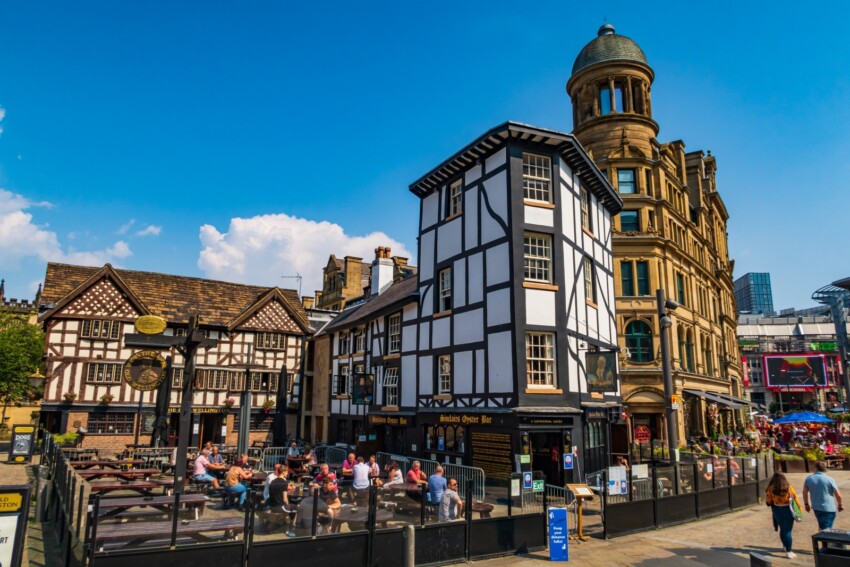
Just a short walk from the Cathedral, you’ll find Shambles Square, a picturesque square that represents one of the last glimpses of medieval Manchester. Today the square is chiefly famous for being home to some of the city’s oldest and most characteristic pubs.
The gem of the square is the Old Wellington Inn, built in 1552 and considered Manchester’s oldest pub. The half-timbered building, with its distinctive black-and-white timber frame structure, is a perfect example of Tudor architecture. Next to it stands Sinclair’s Oyster Bar, also a historic 15th-century building that retains its medieval charm intact. The history of these buildings is all the more remarkable when you consider that both were dismantled, brick by brick, from their original location in 1974 to preserve them during the city centre regeneration.
The square took on even greater significance following the 1996 IRA bombing: the historic buildings were once again dismantled and rebuilt in their current location, becoming a symbol of the city’s resilience. Today Shambles Square is a vibrant public space where historic pubs serve traditional ales and classic dishes.
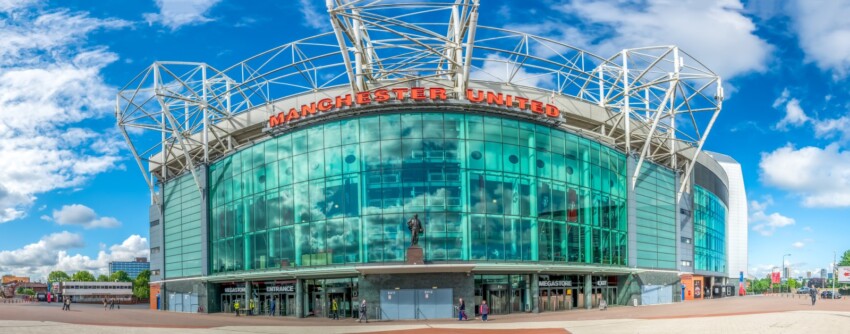
Old Trafford, nicknamed the “Theatre of Dreams”, is far more than a football stadium: it’s a temple of sport that tells the glorious history of Manchester United. With a capacity of over 74,000 spectators, it’s the UK’s largest club stadium.
The stadium tour allows you to visit the dressing rooms, walk through the tunnel leading to the pitch, sit in the players’ dugout and visit the museum that traces the club’s history through trophies, memorabilia and multimedia installations. Particularly moving is the moment when you emerge from the tunnel onto the pitch, accompanied by the roar of the recorded crowd.
The museum tells the stories of the great champions who wore the red shirt, from the tragedy of Munich in 1958 to the triumphs of the Ferguson era, offering an engaging experience even for those not passionate about football.
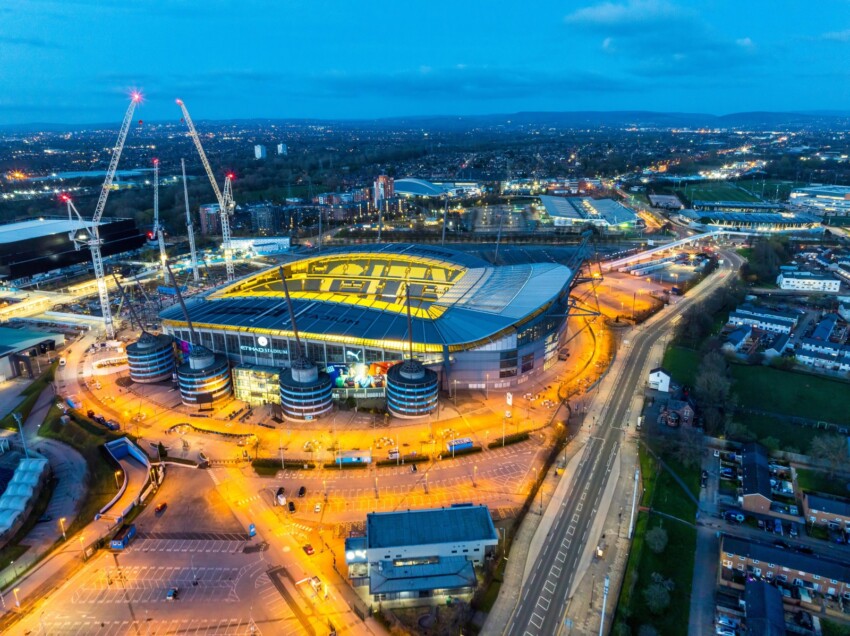
Etihad Stadium
11Etihad Stadium, Etihad Campus, Manchester M11 3FF, UK
The Etihad Stadium, home to Manchester City, is an extraordinary example of modern sports architecture. Originally built for the 2002 Commonwealth Games, it was subsequently converted into one of Europe’s most state-of-the-art football stadiums.
The stadium tour allows you to explore the VIP areas, press room, ultra-modern dressing rooms and the players’ tunnel. The club museum tells the remarkable transformation story of Manchester City in recent years, featuring interactive exhibitions and historic memorabilia. The panoramic view from the upper stands offers a unique perspective on Manchester’s skyline.
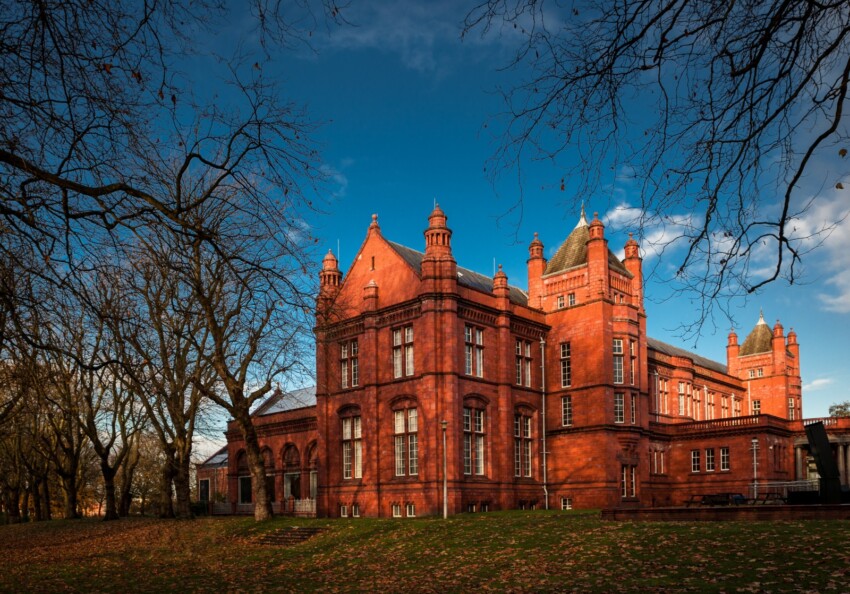
The Whitworth Art Gallery, part of the University of Manchester, is one of the UK’s most innovative art galleries.
Following a spectacular renovation that earned it the Museum of the Year award, the gallery has reinvented itself as a space where art dialogues with the surrounding nature of Whitworth Park.
The permanent collection includes modern artworks, historical textiles, period wallpapers and a significant collection of watercolours. Large glass windows and suspended terraces create a unique connection between the indoor exhibition spaces and the surrounding park. The gallery is particularly renowned for its cutting-edge temporary exhibitions and innovative approach to presenting art.
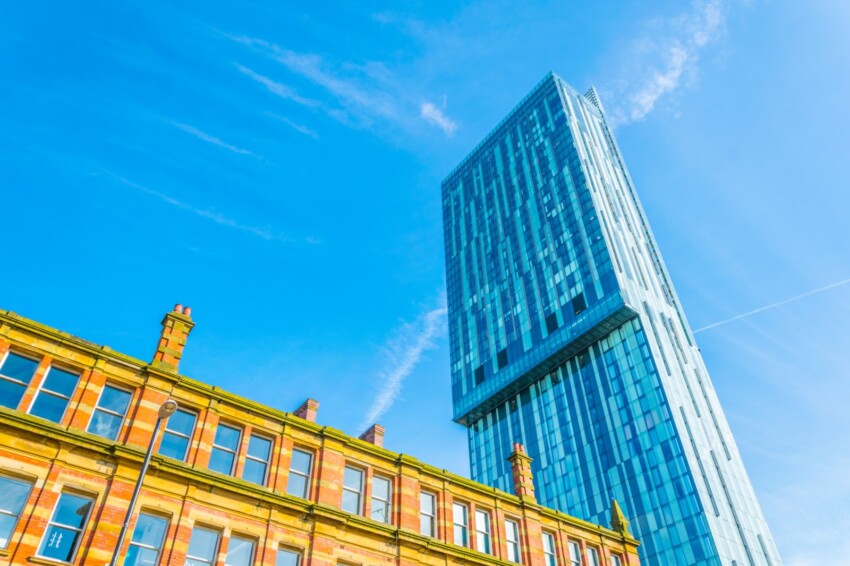
The Beetham Tower, also known as Hilton Tower, is a 47-storey skyscraper that has redefined Manchester’s skyline. Completed in 2006, it was the city’s first true high-rise building and remains one of the most iconic structures in northern England.
The building houses the Hilton hotel on the lower floors and luxury apartments on the upper floors. The skyscraper is not open to the public, but Cloud 23, the panoramic bar located on the 23rd floor, offers breathtaking views over the city and surrounding landscape. The building’s most distinctive feature is the “blade” at its summit which, in strong wind conditions, produces a characteristic hum that has become part of Manchester’s urban folklore.
The Manchester Art Gallery houses one of the most significant art collections in the United Kingdom. The neoclassical building, designed by Charles Barry, contains over 25,000 works ranging from Pre-Raphaelite masters to contemporary art.
The gallery is particularly renowned for its collection of Victorian and Pre-Raphaelite art, featuring works by artists such as Ford Madox Brown and Dante Gabriel Rossetti. The rooms dedicated to decorative art display an extraordinary collection of ceramics, glass and period furniture.
The gallery regularly organises temporary exhibitions of international contemporary artists, maintaining a vibrant dialogue between past and present. Free admission and educational programmes make it an accessible cultural landmark for all.
The Victoria Baths, opened in 1906 as “the finest Turkish bath in Great Britain”, represent a magnificent example of Edwardian architecture. This complex, with its elaborate stained glass windows, Pilkington tiles and mosaics, was considered Manchester’s “cathedral of swimming”.
Visitors can admire the beautifully preserved original interiors, including separate bathing areas for men, women and “first class” guests, testament to the social stratification of the Victorian era. Special events and guided tours allow visitors to discover the fascinating history of this architectural gem.
The Manchester Museum, part of the University of Manchester, is an extraordinary institution combining natural history, anthropology and archaeology. The Victorian building houses one of the most eclectic collections in the United Kingdom, with over 4.5 million artefacts. Among the most popular attractions is the Egyptian gallery, home to one of the most important collections of mummies outside the British Museum, and the living gallery, which includes Stan, one of the most complete T-Rex specimens ever discovered. The museum is particularly appreciated for its interactive approach to learning, with numerous hands-on activities and educational programmes for all ages.
Imperial War Museum North
17The Quays, Trafford Wharf Rd, Trafford Park, Stretford, Manchester M17 1TZ, UK
The Imperial War Museum North, designed by architect Daniel Libeskind, is an extraordinary building that symbolises a world fractured by war. Located at Salford Quays, the museum explores the impact of conflict on society through powerful multimedia exhibitions and installations.
The museum’s architecture is itself part of the experience, with its deconstructed form representing a globe shattered by conflict. The exhibitions combine historical objects, personal testimonies and audiovisual installations to create a profoundly moving and reflective experience.
Map
In the following map you can see the location of the main places of interest mentioned in this article.
Where to stay in Manchester
The city centre is the best choice for most visitors. This area offers easy access to major attractions, restaurants and nightlife. The presence of numerous public transport stations makes getting around particularly convenient.
The Spinningfields neighbourhood is perfect for those seeking a more luxurious stay. This modern and fashionable area is home to some of the city’s most elegant hotels, surrounded by fine dining restaurants and sophisticated bars. The area is particularly safe and quiet at night, whilst maintaining a central location.
The Northern Quarter is the best choice for those who love bohemian and alternative atmosphere. This trendy neighbourhood offers a wide range of rental apartments and boutique hotels in restored historic buildings. It’s ideal for those who want to immerse themselves in the city’s art and music scene.
We offer best rates If you find it cheaper we refund the price difference.
Free cancellation Most properties allow cancellation without penalty.
We're available 24 hours a day For any problem call Booking.com.
Manchester enjoys a strategic position in northern England, well connected to the rest of the United Kingdom and Europe. The city is served by an excellent transport network including international airports, high-speed trains and an efficient road network.
Manchester Airport is one of the most important in the United Kingdom, located approximately 14 km from the city centre. It is connected to the centre by:
Train: direct service from the airport station to Manchester Piccadilly, with a frequency of 10-15 minutes. The journey takes approximately 20 minutes.
Bus: line 43 connects the airport to the city centre 24 hours a day. The journey takes approximately 45 minutes.
Taxi: available 24/7, the journey takes approximately 25 minutes in normal traffic conditions.
Liverpool Airport is a viable alternative, located approximately 45 km from Manchester. To reach Manchester:
Bus + Train: take the bus to Liverpool South Parkway, then the train to Manchester (total time approximately 1 hour and 30 minutes)
Taxi: the journey takes approximately 45 minutes
Manchester is also a major railway hub with two main stations:
Manchester Piccadilly: the main station with direct connections to London (2 hours and 15 minutes), Birmingham (1 hour and 30 minutes) and Glasgow (3 hours and 30 minutes)
Manchester Victoria: serves mainly destinations in northern England
Things to do near Manchester
Chester
Manchester’s strategic location makes it an excellent base for exploring some of the most fascinating destinations in northern England.
Lake District and Windermere
About two hours’ drive from Manchester, the wonderful Lake District offers one of England’s most spectacular landscapes, with green valleys, picturesque stone villages and stunning glacial lakes. Windermere, the region’s largest and most iconic lake, is the perfect destination for a day trip. You can explore the lake on a scenic cruise, walk along its shores or visit the charming village of Bowness-on-Windermere with its characteristic shops and cafés. The area also offers numerous walking trails for all levels, allowing you to enjoy breathtaking views of the surrounding hills.
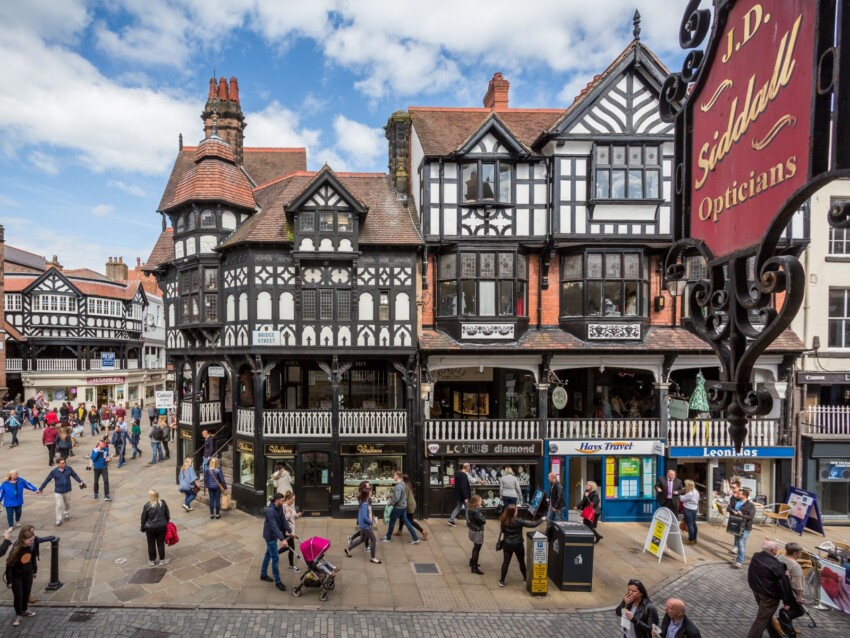
The ancient Roman city of Chester is reachable by train in one hour from Manchester. Its perfectly preserved Roman walls, distinctive “Rows” (medieval two-level shopping galleries) and magnificent cathedral make it one of England’s most fascinating historic cities.
Chester is also the last English town before the border with Wales. You could venture further to the vibrant seaside town of Conwy and its imposing castle, visit the charming village of Betws-Y-Coed or take in the wonderful views of Snowdonia National Park.
The Peak District National Park is one of the United Kingdom’s oldest and most beloved national parks, reachable in just 45 minutes’ drive from Manchester. This natural paradise offers breathtaking landscapes with rolling hills, wild moorland and picturesque stone villages. The spa towns of Buxton and Matlock Bath are essential stops for lovers of history and Victorian architecture.
Liverpool, city of the Beatles and a UNESCO World Heritage site, is only 45 minutes by train from Manchester. The port city offers an incredible concentration of free museums, including Tate Liverpool and the Maritime Museum. The Albert Dock, with its restored Victorian buildings, and the Pier Head with its three iconic buildings known as “The Three Graces”, are must-see locations.
Manchester Weather
What's the weather at Manchester? Below are the temperatures and the weather forecast at Manchester for the next few days.
Tuesday 15
15°
20°
Wednesday 16
13°
17°
Thursday 17
12°
16°
Friday 18
13°
16°
Saturday 19
14°
18°
Sunday 20
13°
20°
Where is located Manchester
Manchester sits at the heart of Northern England, in a strategically advantageous location. The city lies approximately 260 km from London, 50 km from Liverpool and 70 km from Leeds.
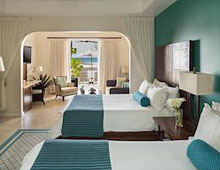 Hotel
Hotel 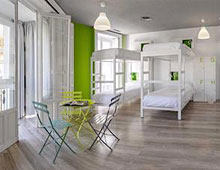 Budget accommodations
 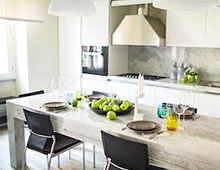 Apartments
  Family Hotel
 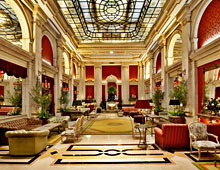 Luxury Hotel