York: a medieval city in northern England featuring a Gothic cathedral, intact city walls and a rich Viking heritage. Perfect for stepping back in time amid history, culture and British tradition.
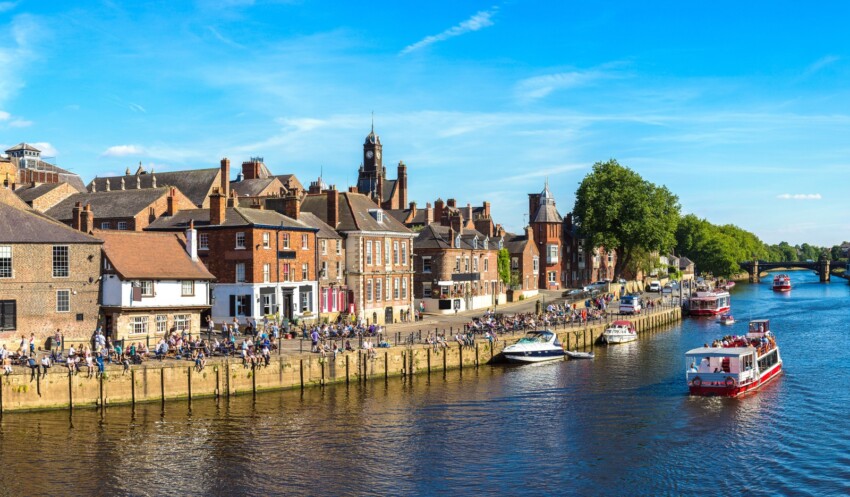
Nestled on the banks of the River Ouse, York is one of England’s most enchanting cities, thanks to its medieval heritage and Victorian atmosphere.
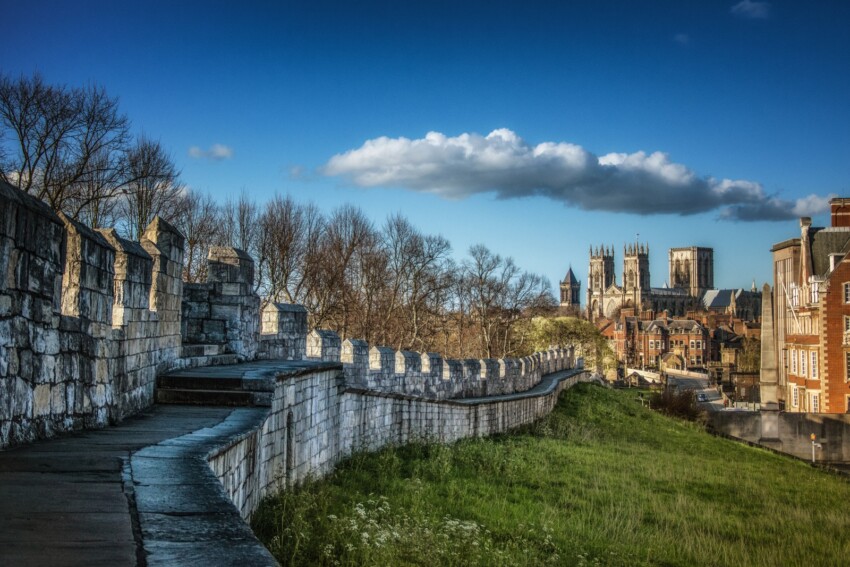
Its ancient Roman walls, the best preserved in Britain, encircle a historic centre characterised by cobbled alleyways and timber-framed buildings that seem straight out of a fairy tale.
This Yorkshire city captivates visitors with its extraordinary Gothic cathedral, numerous museums that chronicle two thousand years of history, and the welcoming atmosphere of its historic pubs. Traces of its Viking heritage and a vibrant contemporary food scene make it the perfect destination for discovering authentic England.
Things to do in York
York is a true open-air museum where every corner tells centuries of British history. Walking its streets is like embarking on a journey through time, from Roman occupation through to the Victorian era, with attractions that will captivate visitors of all ages.
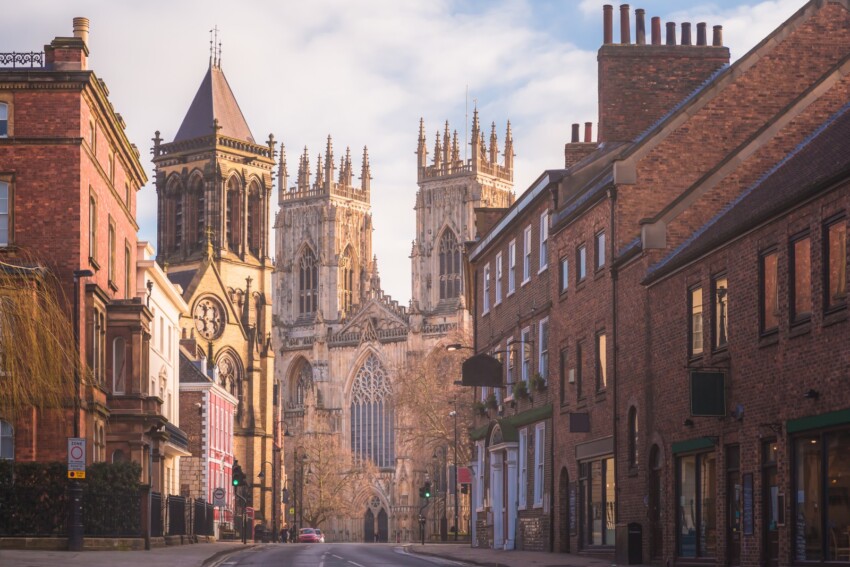
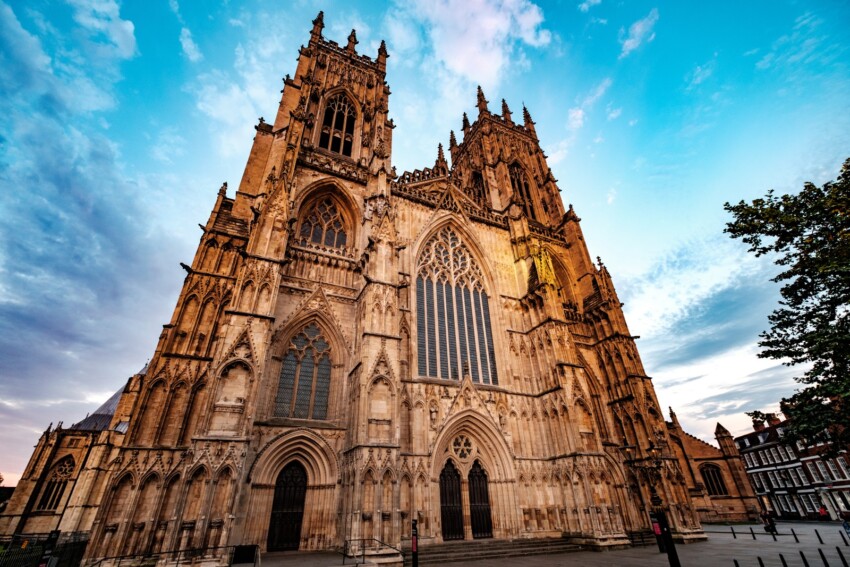
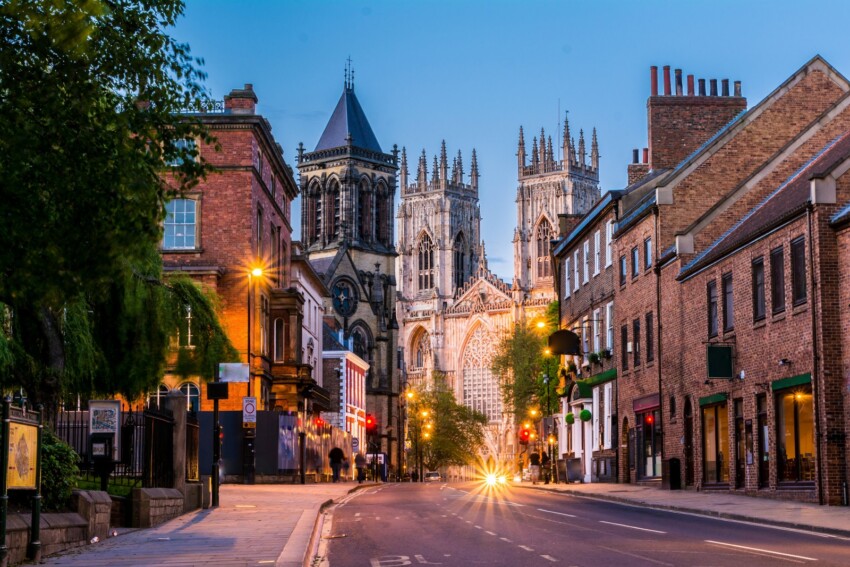
The magnificent York Minster dominates the city’s skyline and is considered one of Europe’s finest examples of Gothic architecture. Built over 250 years, from 1220 to 1472, this architectural masterpiece boasts the largest expanse of medieval stained glass in the world.
Its breathtaking interior houses authentic masterpieces, most notably the Great East Window, the largest medieval stained-glass window in England. Don’t miss the opportunity to climb the 275 steps of the Central Tower for spectacular panoramic views across the city and Yorkshire countryside.
The cathedral’s treasury holds an extraordinary collection of artefacts that chronicle this sacred site’s thousand-year history, whilst the Crypt allows you to admire the remains of earlier churches that stood on this location, including Norman and Roman foundations.
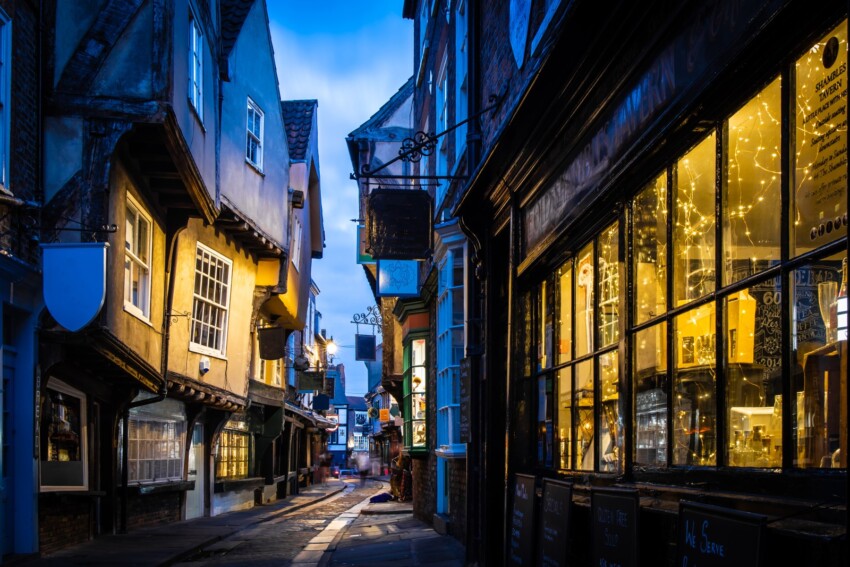
The Shambles is considered one of Europe’s best-preserved medieval streets and inspired the imaginary world of Diagon Alley in the Harry Potter films. This picturesque cobbled street is characterised by 14th and 15th-century timber-framed buildings that appear almost to touch with their overhanging upper storeys.
Originally the butchers’ street, as evidenced by the wooden shelves where meat was once displayed, today it hosts characterful boutiques, cafés and souvenir shops that have preserved the medieval charm of their shopfronts.
Immediately nearby winds a maze of historic alleyways such as Little Shambles and Whip-Ma-Whop-Ma-Gate, each with its own curious story to tell and unique shops to discover.
York’s city walls are England’s longest and best-preserved medieval walls. The 3.4 km circuit offers some of the finest panoramic viewpoints across the city and allows you to pass through the four main gateways: Bootham Bar, Monk Bar, Walmgate Bar and Micklegate Bar.
A walk along the walls, completely free of charge, is one of the best ways to orientate yourself and appreciate the city’s medieval layout. Particularly striking is the section offering spectacular views of the Minster and the Museum Gardens.
A cruise along the River Ouse is one of the most relaxing and atmospheric ways to admire York from a different perspective. During the approximately one-hour voyage, you can appreciate the city’s main monuments such as Clifford’s Tower and the Minster from a privileged vantage point, whilst guides share stories and anecdotes about the city’s history.
Cruises depart from King’s Staith Landing and Lendal Bridge Landing several times daily between February and November. Various options are available, from traditional daytime cruises with historical commentary to more romantic sunset tours. During the summer months, evening cruises are particularly popular, allowing you to watch the sun set over the city whilst enjoying a drink from the onboard bar.
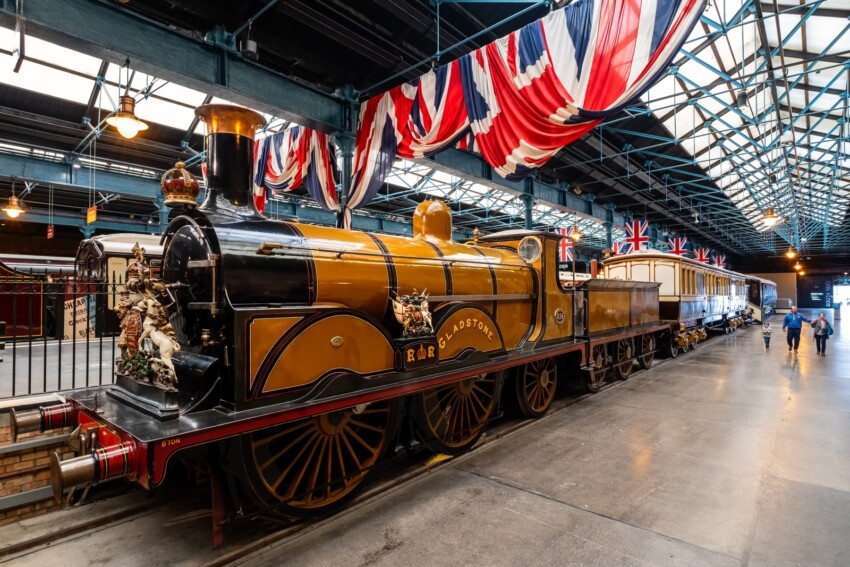
The National Railway Museum is the world’s largest railway museum and chronicles the extraordinary history of British railways. Its vast galleries house over 100 locomotives, including historic pieces such as the Mallard, holder of the world speed record for steam locomotives.
The museum, with free admission, allows you to board historic trains, explore royal carriages and discover how railways revolutionised people’s lives. It’s a perfect attraction for families, with interactive areas and activities designed for children.
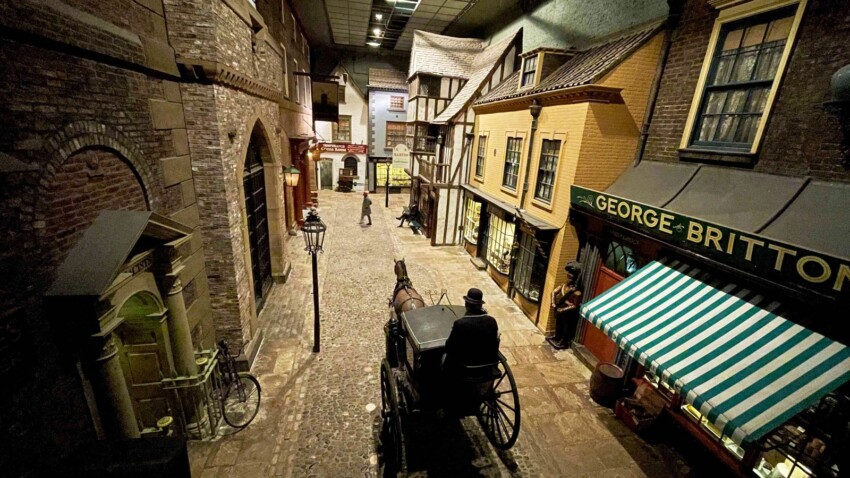
Located in the former castle prison buildings, the York Castle Museum offers a fascinating journey into Victorian daily life. Its main attraction is the Victorian Street, a meticulously reconstructed period street complete with shops, craft workshops and even period aromas.
The museum also features exhibitions on York’s social history, a reconstruction of prison cells and an extraordinary collection of period objects that chronicle daily life over the last 400 years.
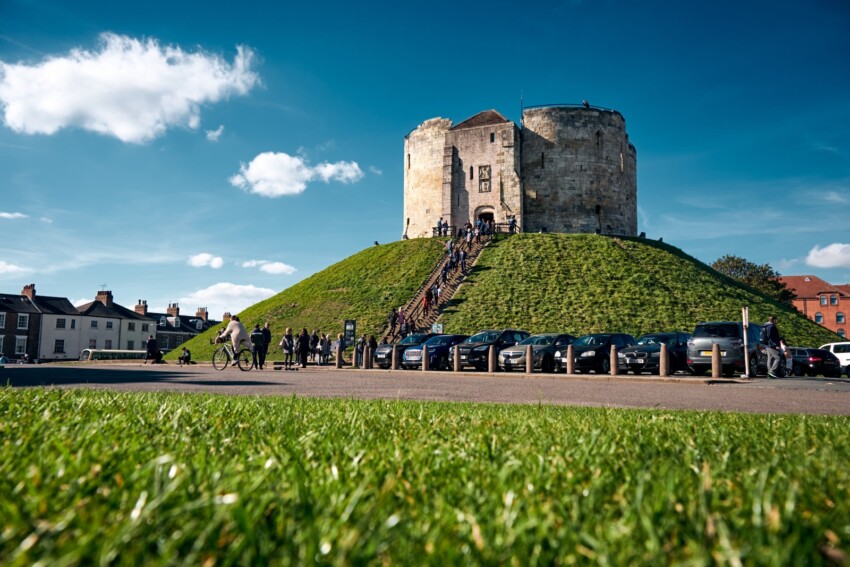
Clifford’s Tower is all that remains of York’s medieval castle. This imposing 13th-century structure, originally built by William the Conqueror, stands on an artificial mound offering 360-degree panoramic views across the city. The tower has a dramatic history, having witnessed some of York’s most tragic events, including the massacre of the Jewish community in 1190.
The JORVIK Viking Centre is a unique attraction that recreates 10th-century Viking York. Built on the site of archaeological excavations that uncovered the Viking settlement at Coppergate, the museum offers an immersive experience through authentic reconstructions, original artefacts and costumed guides.
Visitors are transported back in time aboard special capsules that travel through a recreation of the Viking city, complete with period sights, sounds and everyday life scenes recreated with animatronic figures.
The Museum Gardens are a 10-acre public park in York’s heart, perfect for a relaxing break between sightseeing. The park features the evocative ruins of St. Mary’s Abbey, founded in the 11th century, and the Yorkshire Museum with its important collections of Roman, Viking and medieval artefacts. The gardens are also an excellent spot for observing the grey squirrels that roam freely amongst visitors.
Hidden within a tranquil garden off Goodramgate, Holy Trinity Church is one of York’s best-preserved medieval churches. Dating from the 12th century, this hidden gem still retains its 17th-century private boxes and an incredibly authentic atmosphere that seems frozen in time.
The Merchant Adventurers’ Hall is one of Europe’s best-preserved non-religious medieval buildings. Built between 1357 and 1361, this impressive guildhall offers a fascinating glimpse into the lives of York’s medieval merchants. The building, still used by the Merchant Adventurers guild today, comprises a Great Hall for meetings, a chapel and an underground hospital for the poor.
Barley Hall is a 15th-century medieval house magnificently restored to its former glory. Hidden down an alleyway in York’s centre, this building allows visitors to experience how a wealthy family lived in late-medieval York. The interiors have been carefully reconstructed and furnished with period furniture and objects.
Map
In the following map you can see the location of the main places of interest mentioned in this article.
Where to stay in York
York’s historic centre is the best area to stay, allowing you to reach all the main attractions on foot. This area offers a wide choice of boutique hotels set in historic buildings and charming bed-and-breakfasts, perfect for immersing yourself in the city’s medieval atmosphere.
The Bootham area, just outside the city walls, is an excellent alternative for those seeking quieter yet still central accommodation. This Victorian residential neighbourhood hosts elegant guest houses and offers a pleasant 10-minute walk to York Minster.
Bishopthorpe Road, south of the centre, is perfect for those seeking a more local atmosphere and better-value prices. The area is well connected to the centre by frequent buses and offers numerous characterful restaurants and shops.
We offer best rates If you find it cheaper we refund the price difference.
Free cancellation Most properties allow cancellation without penalty.
We're available 24 hours a day For any problem call Booking.com.
York lies in the heart of northern England, approximately 340 km from London and 40 km from Leeds. Its strategic position on the East Coast Main Line railway makes it easily accessible from all major British cities.
Leeds Bradford Airport is the nearest airport to York, situated about 50 km from the city. From the airport you can take the 757 bus to Leeds and from there catch a train to York (total journey approximately 1 hour 30 minutes). Alternatively, taxis offer a direct service in about 55 minutes.
An excellent alternative is Manchester Airport, which certainly offers a greater number of international connections. It is directly connected to York by train service taking approximately 2 hours.
York is a major railway hub on the East Coast Main Line. Trains from London King’s Cross take approximately 2 hours, with frequent services throughout the day. Excellent connections also to Edinburgh (2 hours 30 minutes), Manchester (1 hour 30 minutes) and Leeds (25 minutes).
Excursions around York
Whitby
York’s strategic location makes it an ideal base for exploring the treasures of Yorkshire. The region offers a wealth of attractions accessible as day trips, from national parks to historic market towns. Car hire is recommended if you want to explore independently and at your own pace.
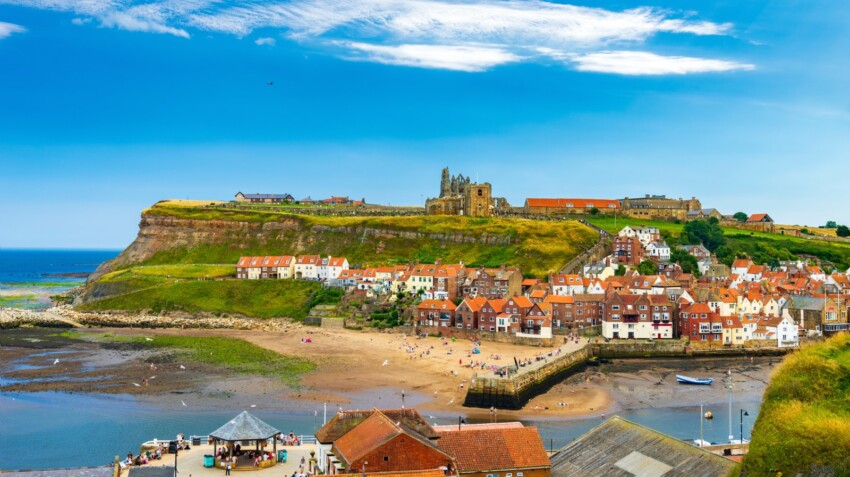
Whitby
The picturesque coastal town of Whitby, about an hour and a half’s drive away, is famed for its ruined abbey, historic harbour and connections to the Dracula legend. It’s the perfect place to enjoy authentic fish and chips and browse the shops selling jet jewellery, a semi-precious stone found locally.
Just over an hour from York lies Fountains Abbey, England’s largest and best-preserved ruined Cistercian monastery. This UNESCO World Heritage site also encompasses the spectacular Studley Royal Water Gardens, a Georgian landscape garden featuring ornamental lakes, follies and breathtaking views of the abbey ruins.
Harrogate
The elegant spa town of Harrogate, an hour’s drive away, is renowned for its Victorian gardens, historic spa facilities and sophisticated tea rooms. Don’t miss Betty’s Tea Rooms, a Yorkshire institution since 1919.
Malton
Malton, known as Yorkshire’s food capital, is just 30 minutes’ drive from York. This delightful market town has become essential viewing for food lovers thanks to its numerous artisan producers, quality restaurants and the celebrated Monthly Food Market. The historic centre retains authentic Georgian charm, with independent shops and characterful cafés that make wandering between tastings a pleasure in itself.
Scarborough
Scarborough, roughly an hour’s drive from York, boasts a medieval castle in a striking clifftop setting and the North Bay Railway, a historic miniature railway. The Scarborough Spa and picturesque fishing harbour echo the town’s glorious Victorian heyday, whilst the seafront delivers all the classic seaside fun you’d expect from a British coastal resort.
Robin Hood’s Bay
The charming village of Robin Hood’s Bay, an hour and 45 minutes from York, is one of Yorkshire’s coastal gems. This former fishing village is characterised by narrow cobbled lanes tumbling towards the sea, stone cottages and a fascinating history linked to smuggling.
Goathland Station
Goathland Railway Station is unmissable for railway enthusiasts and Harry Potter fans alike—it doubled as Hogsmeade Station in the film series. The heritage railway line connecting Pickering to Whitby offers one of England’s most scenic steam train journeys, winding through the moorlands of the North York Moors.
Thornton Dale
The village of Thornton Dale, 40 minutes from York, is considered one of Yorkshire’s most beautiful. With its thatched cottages, a beck running through the centre and splendid cottage gardens, it could have stepped straight out of a postcard.
The village is famed for Beck Isle Cottage, arguably Yorkshire’s most photographed house, and offers pleasant walks through the surrounding countryside.
York Weather
What's the weather at York? Below are the temperatures and the weather forecast at York for the next few days.
Tuesday 15
14°
20°
Wednesday 16
10°
19°
Thursday 17
12°
17°
Friday 18
11°
18°
Saturday 19
13°
20°
Sunday 20
14°
20°
Where is located York
York is situated in Yorkshire, in northern England, approximately 40 km north-east of Leeds and roughly 340 km north of London.
 Hotel
Hotel  Budget accommodations
  Apartments
  Family Hotel
 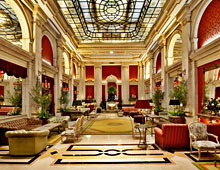 Luxury Hotel