London: The London Eye Entry Ticket
40.028 reviews
Buy now
From 33,82€ per person
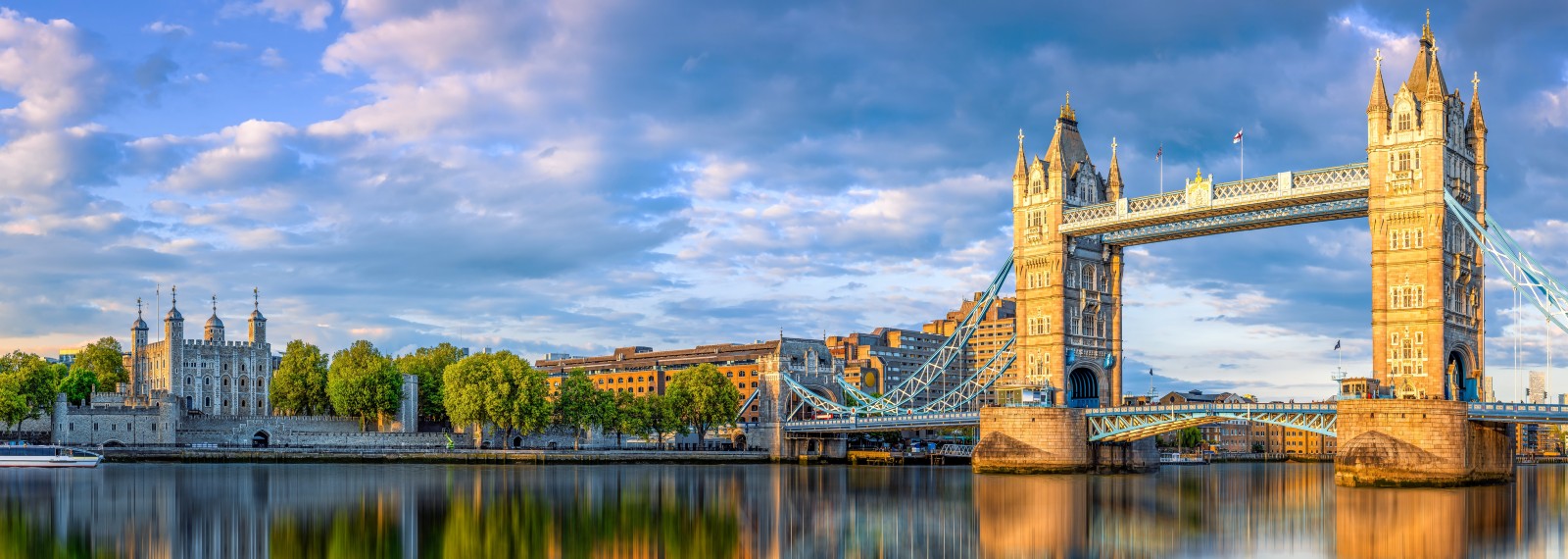
London, capital of England and the most important city in Great Britain and the entire United Kingdom, is one of the most captivating and dynamic metropolises in the world – the ultimate contemporary city.
London is a paradise for art enthusiasts, music lovers, shoppers and anyone seeking what’s on-trend. The English capital offers restaurants serving flavours from every corner of the globe and delivers an electrifying experience for visitors who discover countless attractions here: monuments that are true icons, museums housing the world’s most celebrated artworks, shows and concerts by international artists.
London is one of those cities you’ll want to visit repeatedly throughout your life, safe in the knowledge you’ll never tire of it.
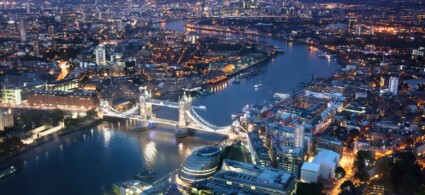
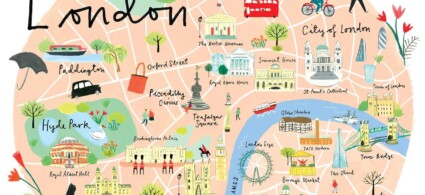
Crossed by the River Thames, which divides it into two distinct areas, London spreads across a vast expanse yet retains a village-like soul thanks to its distinctive neighbourhoods, each with its own unique character.
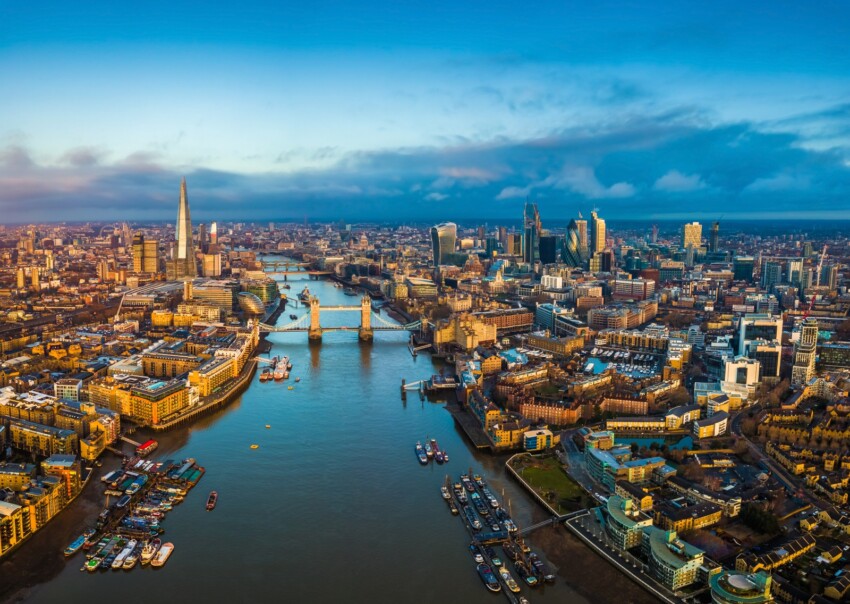
London’s wealth of attractions is such that even an entire month might not suffice to explore it thoroughly.
The historic heart of the city, Westminster, is home to some of the most iconic monuments: the magnificent Big Ben and the Houses of Parliament are reflected in the Thames’s waters, creating one of the world’s most photographed skylines. The Parliament building’s neo-Gothic architecture, with its imposing clock tower, is particularly striking at sunset, when the lights come on and shimmer across the river. A short distance away stands the dignified Westminster Abbey, a masterpiece of English Gothic architecture where British monarchs have been crowned for centuries and where numerous illustrious figures rest, from Charles Darwin to Isaac Newton.
Just a stone’s throw away, Buckingham Palace represents the heart of the British monarchy. The official residence of the royal family, with its 775 rooms, opens part of its spaces to the public during summer. The impressive Changing of the Guard ceremony, which takes place regularly in the forecourt, is a spectacle that attracts visitors from around the world. The magnificent Royal Parks surrounding the palace – St. James’s Park, Green Park and Hyde Park – offer a green oasis in the heart of the city.
The British Museum, with its extraordinary collection of over 8 million objects from across the world, is an essential visit. From the Rosetta Stone to the Parthenon Marbles, from the Sutton Hoo treasure to Egyptian mummies, the museum tells the story of humanity through objects of immeasurable value. Equally impressive are the National Gallery in Trafalgar Square, which houses masterpieces of European painting from the 13th to 20th centuries, and the Tate Modern, a temple of contemporary art housed in a former power station on the south bank of the Thames, linked to Tate Britain by the Tate Boat which sails along the river.
For a unique perspective on the city, the London Eye offers breathtaking views from its 135-metre height, whilst a stroll along the South Bank reveals charming glimpses of the Thames and the city’s principal monuments. This vibrant stretch of riverfront hosts the Southbank Centre, one of Europe’s most important cultural hubs, the evocative Shakespeare’s Globe, a reconstruction of the original Elizabethan theatre, and the lively Borough Market, a paradise for food lovers and seekers of quality produce.
The Tower of London houses the Crown Jewels and recounts centuries of British history through courtroom intrigue, famous prisoners and legends of the ravens that inhabit it. The nearby Tower Bridge, often mistakenly confused with London Bridge, has become one of the city’s most photographed symbols and offers an interesting exhibition on London’s historic bridges.
For shopping enthusiasts the possibilities are virtually endless: from the luxury boutiques of Bond Street to the fashionable stores of Oxford Street, from the vintage market stalls of Portobello Road in the picturesque Notting Hill neighbourhood to the alternative stalls of Camden Market, where London’s underground culture expresses itself in all its creativity. The neighbourhoods of Shoreditch and Hackney represent the heart of contemporary and alternative London, with their vibrant artistic scene, street art murals, Sunday markets and cutting-edge restaurants. Covent Garden, with its Victorian covered market, combines shopping, entertainment and history, offering some of the city’s most characteristic views.
With so many attractions, each carrying a fairly high price tag, the London Pass is an excellent way to save money and visit a good number of attractions, museums and important sites around the capital and beyond.
The London Pass includes over 80 places of interest. Among many others, the card grants entry to the Tower of London, Tower Bridge and Westminster Abbey, a river cruise on the Thames, an Hop On Hop Off Bus tour, views from The Shard, Europe’s highest outdoor observation platform, entry to Windsor Castle and Kensington Palace, the London Bridge Experience and entry to London Zoo.
The London Pass also saves you time by allowing you to skip the queues at entry points.
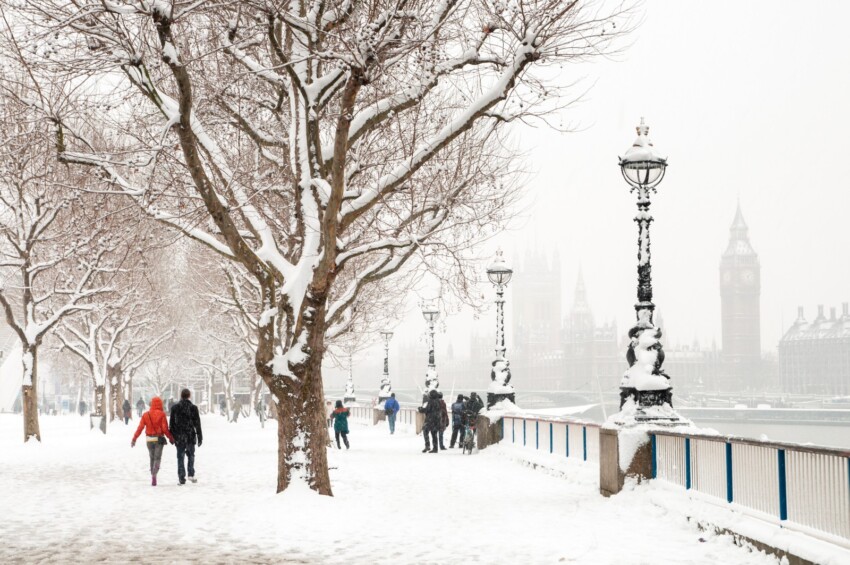
Choosing the best time to visit London depends on your preferences and what you want to do. London’s climate is known for being variable and unpredictable, but each season has its own particular charm.
Summer (June-August) is the most popular season among tourists, with pleasant temperatures ranging between 18°C and 23°C. Days are long, with the sun setting after 9pm, allowing you to make the most of your sightseeing time. During this season the city comes alive with numerous outdoor events, festivals and concerts in the parks. However, it’s also the busiest and most expensive period.
Spring (March-May) and autumn (September-November) are ideal times to visit London. Temperatures are mild, the parks are particularly beautiful with seasonal colours and there are fewer tourists than in summer. Spring sees the royal parks burst into bloom, whilst autumn offers a particularly rich cultural programme.
Winter (December-February) can be cold and dark, with temperatures dipping below 5°C, but it has a special appeal. Christmas lights, festive markets and ice skating rinks create a magical atmosphere, whilst winter sales attract shopping enthusiasts. Moreover, it’s the best season to enjoy the city’s numerous museums and theatres.

London is one of the world’s major transport hubs, easily accessible from any part of the globe thanks to its six international airports.
Heathrow, the city’s main airport, is located west of the centre and is served by the Piccadilly Line of the Underground (around 50 minutes’ journey) and the fast Heathrow Express, which reaches Paddington Station in just 15 minutes. Gatwick, the second most important airport, is situated south of the city and is served by the Gatwick Express, which arrives at Victoria Station in 30 minutes.
Stansted, used mainly by budget airlines, is located to the north-east and is served by the Stansted Express, which reaches Liverpool Street in 45 minutes. Luton, also used by low-cost carriers, is served by frequent trains arriving at St Pancras station.
Finally, there’s London City airport, which though offering fewer connections is actually the most convenient, being very close to the city centre and excellently connected by the DLR.
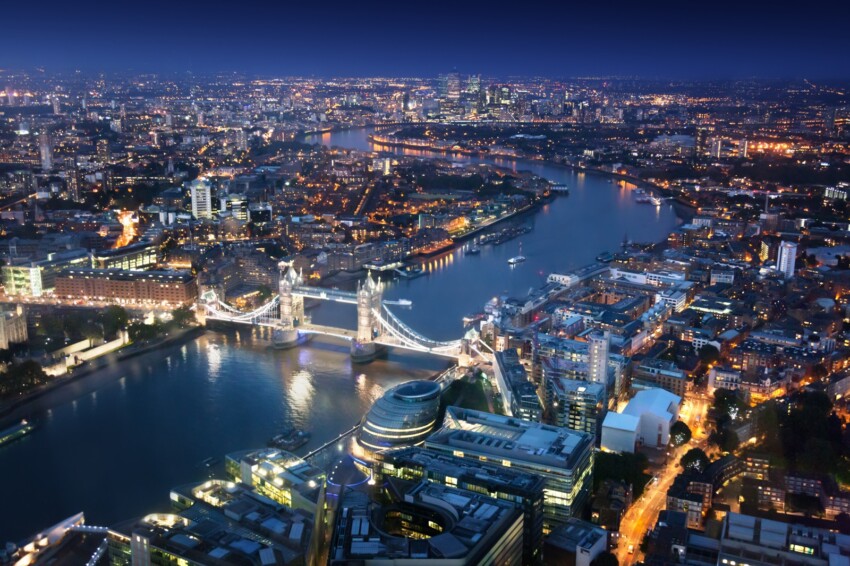
Choosing where to stay in London is crucial to enjoying your visit, given the city’s size and travel times between areas. Each neighbourhood has its own character and suits different needs and budgets. Although London tends to be expensive, there’s no shortage of budget hotels for those wanting to keep costs down.
The West End (zones 1-2) is the city’s tourist heart, ideal for first-time visitors to London. Neighbourhoods like Covent Garden, Soho and Mayfair offer a central location perfect for reaching the main attractions on foot, but prices are among the highest in the city. The area boasts luxury hotels, boutique properties and charming apartments.
South Bank and Bankside are excellent alternatives, offering central locations with slightly more affordable rates. From here you can stroll along the Thames, easily reaching attractions such as Tate Modern, the Globe Theatre and Borough Market. The area offers mainly modern hotels run by international chains.
For those seeking a more authentic atmosphere and more accessible prices, the neighbourhoods of Islington, Shoreditch and Hackney (zone 2) are excellent choices. These areas offer a mix of boutique hotels, apartments and hostels, plus a lively nightlife scene and interesting food culture.
Kensington and Chelsea (zones 1-2) are elegant and peaceful areas, ideal for families and travellers seeking a more refined atmosphere. The area is well served by public transport and near attractions such as the Natural History Museum and Kensington Gardens.
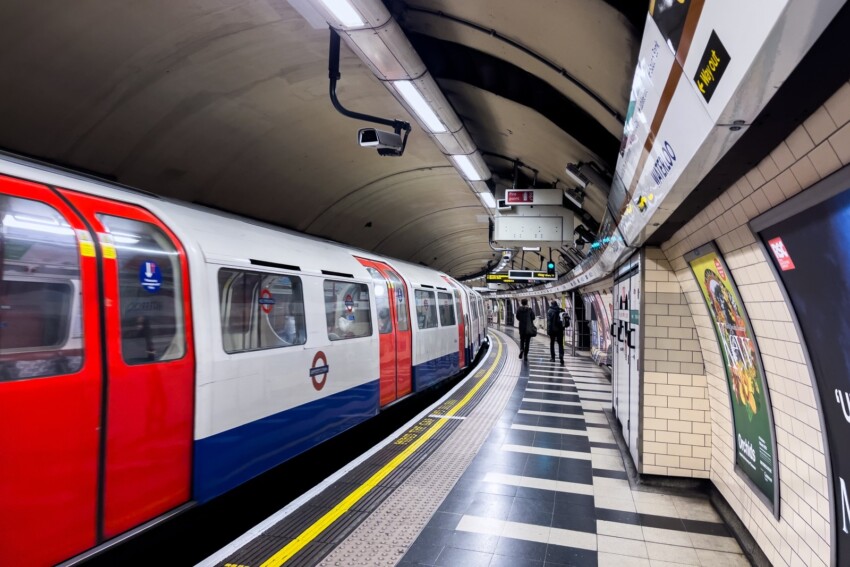
London’s public transport system is amongst the most efficient in the world, with an extensive network covering every corner of the city via the Underground, buses, suburban trains and river services on the Thames.
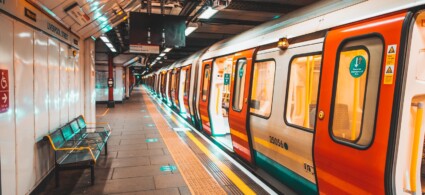
The Underground (locally known as the “Tube”) is the quickest way to get around. With 12 lines plus the Docklands Light Railway (DLR) covering 402 km of track, the Underground reaches practically every area of the city. Services run from around 5:00 am to 00:30 (with some lines operating 24/7 at weekends). An Oyster Card or a standard contactless debit or credit card are the most economical ways to pay: simply tap in when you enter and tap out when you leave, and the correct fare will be charged up to the daily cap.
The bus network is extensive and runs 24 hours a day, with numerous night routes taking over when the Underground is closed. The iconic red double-decker buses are a symbol of London and offer a scenic way to explore the city, though they may be slower than the Underground due to traffic.
To cross the Thames, besides bridges and tunnels, you can take the river boats, which offer a unique perspective of the city. The Thames Clipper service connects numerous stops along the river, from Putney in the west to Woolwich in the east.
City Card allow you to save on public transport and / or on the entrances to the main tourist attractions.






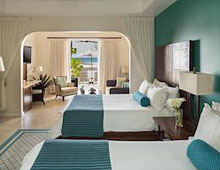 Hotel
Hotel  Budget accommodations
  Apartments
  Family Hotel
 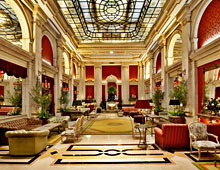 Luxury Hotel