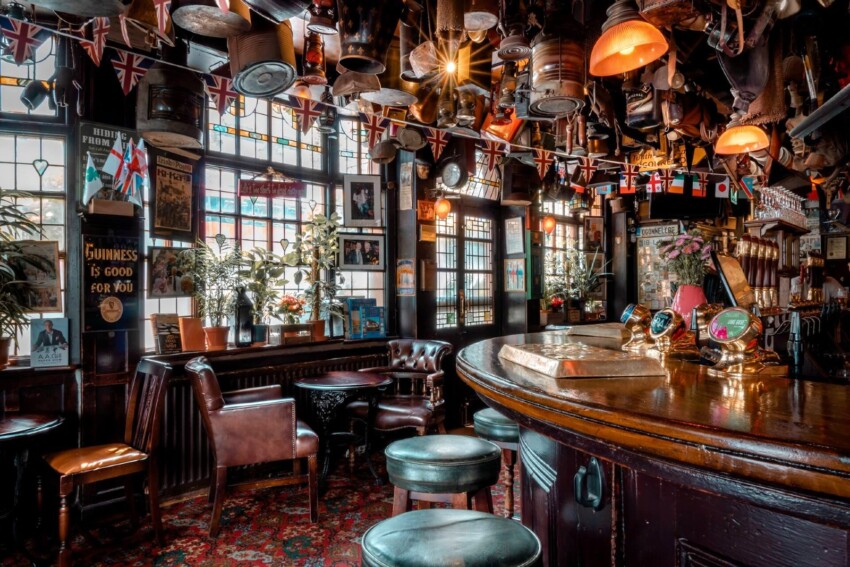
London’s pubs are far more than simply places to enjoy a beer: they are authentic living museums that tell the story of the city through the centuries. From medieval taverns frequented by Shakespeare to elegant Victorian rooms where Charles Dickens would gather, these establishments have preserved their original charm intact.
Between low ceilings blackened by time, fireplaces that have burned for centuries and period furnishings, each pub holds stories of illustrious figures, historical events and century-old traditions. We guide you through the discovery of London’s best pubs, the most characteristic ones we’ve chosen, where time seems to have stood still and the atmosphere of the past comes alive in every detail.
Best-selling tickets and tours in London
The Churchill Arms
1119 Kensington Church St, London W8 7LN, UK Built in 1750, The Churchill Arms is probably London’s most photographed pub, thanks to its extraordinary façade covered in cascades of colourful flowers that change with the seasons. The interior is a museum dedicated to Winston Churchill, with photographs, wartime posters and memorabilia evoking the war years.
Surprisingly, the pub is also famous for its excellent Thai cuisine, served in a surreal atmosphere between British memorabilia and tropical plants. The low ceilings, soft lighting and wooden floors create a welcoming and authentic atmosphere.
Mr Fogg's Tavern
258 St Martin's Ln, London WC2N 4EA, UK Hidden amongst the alleyways of vibrant Covent Garden, Mr Fogg’s Tavern is an authentic Victorian gem that seems lifted straight from the pages of “Around the World in Eighty Days”. The interiors are a triumph of period curiosities, with vintage globes, leather suitcases worn by time and travel memorabilia hanging from the ceiling.
The cocktail menu is an adventure in itself, with original creations served in period teapots and fine porcelain cups. The theatrical atmosphere is further enriched by period-costumed staff.
The Anchor
334 Park St, London SE1 9EF, UK Overlooking the Thames for over 800 years, The Anchor represents an authentic piece of London’s history. From its worn wooden tables, Shakespeare observed the river whilst penning his masterpieces nearby at the Globe Theatre.
The walls blackened by time tell stories of sailors, merchants and artists who shaped the city’s history. The riverside terrace offers a breathtaking view of St Paul’s Cathedral, particularly evocative at sunset. The selection of craft ales is impeccable.
The George Inn
475 Borough High St, London SE1 1NH, UK The last remaining galleried inn-pub in London, The George Inn is a genuine 17th-century jewel protected by the National Trust. Its distinctive multi-level wooden galleries, once used as stages for theatrical performances, testify to centuries of London history.
Charles Dickens was a regular here and even mentions it in “Little Dorrit”. The interiors retain the original cell-like layout, typical of medieval taverns, with small intimate spaces separated by oak panels. The large exterior courtyard is particularly appreciated on summer evenings.
Ye Olde Cheshire Cheese
5145 Fleet St, London EC4A 2BP, UK Rebuilt after the Great Fire of 1666, this pub is a labyrinth of interconnected rooms spread across four floors. The cellars date back to the 13th century, when they belonged to a Carmelite monastery. The atmosphere has remained virtually unchanged since Charles Dickens and Samuel Johnson frequented it regularly.
The original fireplace continues to crackle on winter evenings, whilst time-blackened beams and dim lighting transport visitors back through the centuries. Their home-brewed ale is as legendary as the pub itself.
Ye Olde Mitre
61 Ely Ct, Ely Pl, London EC1N 6SJ, UK Hidden down an alley so narrow that many Londoners don’t even know of its existence, Ye Olde Mitre dates back to 1547. Its peculiar location is due to the fact that it historically belonged to the Diocese of Ely in Cambridgeshire, making it technically outside London’s jurisdiction.
The cherry tree in the courtyard, according to legend, was the centre of Queen Elizabeth I’s dances. The interiors are a treasure trove of historical memorabilia, with an impressive collection of clocks and a curated selection of traditional ales.
The Old Bank of England
7194 Fleet St, London EC4A 2LT, UK As its name suggests, this grand pub occupies the former premises of the Law Courts Branch of the Bank of England. The sumptuous interiors retain much of the bank’s original character, including richly decorated ceilings and imposing chandeliers.
Its location between Fleet Street and the Royal Courts of Justice makes it particularly intriguing: it is said that the Bank of England’s gold ingots were hidden in its cellars during the First World War. The Victorian mahogany and brass counter is one of London’s finest.
The Lamb & Flag, Covent Garden
833 Rose St, London WC2E 9EB, UK Nicknamed “The Bucket of Blood” for the boxing matches held there in the 19th century, the Lamb & Flag is steeped in dramatic history. The poet John Dryden was attacked just outside the pub in 1679, an episode that has contributed to its legendary fame.
The 17th-century building maintains its original charm intact, with time-worn wooden floors and a narrow spiral staircase leading to the upper floor. The selection of real ales is excellent, and the welcoming atmosphere reflects centuries of stories and conversations.
Crown & Anchor
922 Neal St, London WC2H 9PS, UK Located in the heart of Covent Garden, the Crown & Anchor embodies the essence of the Victorian London pub. The dark mahogany and polished brass interiors transport visitors to the golden age of British pubs. Its stained-glass windows filter light creating a warm and welcoming atmosphere, while decorative panels tell stories of sailors and merchants who once thronged the area.
The pub is renowned for its extraordinary selection of craft beers and for its Sunday roasts, served in the upstairs dining room with views across the rooftops of Covent Garden.
The Dove
1019 Upper Mall, London W6 9TA, UK Overlooking the Thames, The Dove boasts the world’s smallest bar (certified by the Guinness Book of Records) and a terrace with a spectacular view of the Oxford and Cambridge Boat Race. Frequented by Ernest Hemingway and Graham Greene, this 17th-century pub retains a unique literary atmosphere.
Its intimate rooms with low ceilings and exposed beams have witnessed countless historical meetings, including the composition of “Rule, Britannia!” by James Thomson. Traditional cuisine and an extensive selection of ales make it an unmissable stop along the Thames Path.
The Windsor Castle
11114 Campden Hill Rd, London W8 7AR, UK Hidden in the residential streets of Kensington, The Windsor Castle is a genuine Victorian pub that has remained virtually unchanged since 1830. The distinctive “snob screens” in frosted glass – revolving panels that allowed wealthier clientele to drink without being seen by ordinary folk – are among the last remaining in London.
The interiors are divided into welcoming “snugs”, small private spaces separated by carved wooden panels, whilst the rear garden is an oasis of peace during the summer months. Their beer selection includes some of the finest British ales, accompanied by a menu of traditional dishes prepared with seasonal ingredients.
The Sherlock Holmes
1210 Northumberland St, London WC2N 5DB, UK Located between Trafalgar Square and Northumberland Avenue, this pub is a veritable museum dedicated to Baker Street’s most famous detective. Conan Doyle enthusiasts will feel at home amongst faithful reproductions of Holmes’s study, period pipes and original memorabilia from the series.
The upper floor houses a perfectly preserved Victorian dining room, where authentic British cuisine is served. The mysterious atmosphere is accentuated by a unique collection of objects relating to the detective’s most famous cases.
The Mayflower
13117 Rotherhithe St, London SE16 4NF, UK Those seeking a historic pub, quintessentially London and steeped in that distinctive and refined British atmosphere, will not want to miss The Mayflower Pub. Located in an 18th-century building, right on the banks of the Thames, it offers an environment that is both elegant and peaceful, yet also welcoming and warm.
The Queens Head
1466 Acton St, London WC1X 9NB, UK At the very central Piccadilly Circus, near the Soho neighbourhood, stands The Queens Head: it is advisable to book ahead as the dining room – which is not very large – is always busy, thanks to its excellent cuisine and reasonable prices.
Fish and chips, meat pies and excellent beers are the house specialities, served in a pleasant and carefully maintained environment.
Very popular with Londoners, this pub is ideal for anyone wanting to feel – at least for an evening – like a true Londoner. And after dinner, be sure to head downstairs to enjoy some good music and have another pint of beer.
The Skinners Arms
15114 Judd St, London WC1H 9NT, UK For those seeking a truly vast selection of beers, the charming Skinners Arms is well worth a visit. Quintessentially English, it offers excellent cuisine and a very pleasant environment, all enhanced by a friendly and youthful staff.
In this typical English pub – with its bar, stools, warm and soft lighting – you can enjoy fabulous soups and wonderful puddings, as well as non-English dishes, such as Mexican nachos, at average prices.
The Blackfriar
16174 Queen Victoria St, Greater, London EC4V 4EG, UK If you’ve spent a lovely afternoon immersed in culture at the Tate Modern Gallery, there’s nothing better than an exquisite dinner at the nearby The Blackfriar, close to its namesake Underground station and the Thames bridge (174 Queen Victoria Street).
This too is a historic pub, housed in an ancient building with frescoed ceilings – a former monastery – standing right among modern buildings, which adds to its charm. The atmosphere is relaxing and warm, the food – English or international – is always good and refined. Beauty to admire and goodness to savour: this is the perfect mix that The Blackfriar offers.
The Andover Arms
1757 Aldensley Rd, London W6 0DL, UK For those who wish to venture away from London’s more central areas and explore more peripheral neighbourhoods, The Andover Arms is worth a visit.
Located away from the centre, in the heart of a residential neighbourhood but easily reached by Underground, it’s away from the city chaos: for this reason it’s not frequented much by tourists and is quiet and elegant. Portions are generous, the food – typically English – is of excellent quality and the establishment offers great value for money. Perfect for a relaxing evening with friends or family, and also to enjoy some music.
The Victoria
1810A Strathearn Pl, Tyburnia, London W2 2NH, UK Located near the Lancaster Gate and Hyde Park Underground stations, in the Paddington area, you’ll find The Victoria pub.
Converted from a former disused theatre, it’s not only a beautiful place to look at but also able to offer customers excellent food, traditional and original dishes alike, in generous portions and at very affordable prices. The dining room is warm and welcoming, with comfortable sofas and soft armchairs and a lovely fireplace. The staff is cordial and attentive, the atmosphere relaxing and informal.
The Earl Ferrers
1922 Ellora Rd, London SW16 6JF, UK If, besides beer – which cannot be missing from any London break – you also love wine, then you must stop at The Earl Ferrers Pub, in the heart of Streatham (22 Ellora Road). Here the wine selection is indeed extensive and refined, for true connoisseurs, as is the food, which is good and beautifully presented.
The environment is comfortable and intimate, not chaotic at all, and suitable even – why not? – for a romantic dinner. A pleasant complement to all this is the fine music you can hear and a jovial and competent staff. Best to book ahead to avoid missing out on a table.
The Palm Tree
20127 Grove Rd., Bow, London E3 5BH, UK Those who prefer to find a somewhat retro atmosphere, pleasantly evocative of bygone times, will surely appreciate The Palm Tree pub. From the décor to the clientele, everything evokes the idea of past splendour: red velvet, carpets, warm and golden tones make the environment careful and welcoming.
On Haverfield Road, it is characterised by a relaxed and informal atmosphere, which becomes festive on busier evenings, also thanks to the excellent music you can hear, sometimes live.
The Faltering Fullback
2119 Perth Rd, Finsbury Park, London N4 3HB, UK Exceptional food and an extremely welcoming atmosphere await you at The Faltering Fullback Pub, which boasts a lush outdoor garden and cosy wood-panelled interior rooms – quintessentially British in style.
Located just behind Finsbury Park, this is a charming and lively spot that’s both entertaining and delightful. Thursday evenings feature local artists, whilst Saturday brings live music for all. The food is excellent and the prices are very reasonable.
 Hotel
Hotel  Budget accommodations
 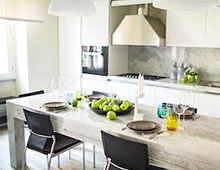 Apartments
 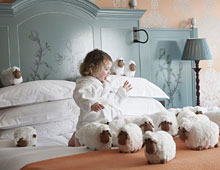 Family Hotel
 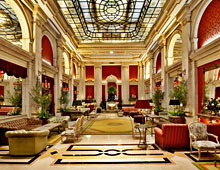 Luxury Hotel