London Nightlife: Best Neighborhoods, Bars, and Clubs
A guide to London's nightlife: from the iconic nightclubs of Shoreditch to the rooftop bars of the West End, from the rock venues of Camden to the exclusive clubs of Mayfair.
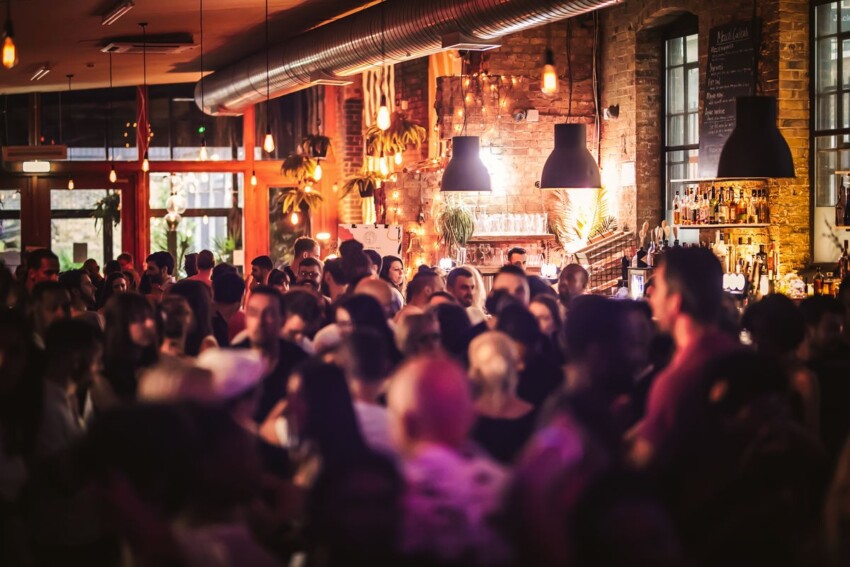
London has a nightlife that rivals those of New York, Berlin or Amsterdam. The British capital offers thousands of venues scattered across its neighbourhoods, each with its own identity and atmosphere. From iconic nightclubs to historic pubs, from rooftop cocktail bars to underground clubs, the city never sleeps any night of the week and offers unforgettable experiences for those seeking entertainment after sunset.
Variety is the real strength of London’s nightlife. You can dance to techno until dawn in huge warehouses in Farringdon, listen to live music in alternative venues in Camden, sip sophisticated cocktails from rooftop bars in Mayfair or immerse yourself in LGBT+ scene in Soho.
In this guide we take you to discover the most vibrant areas of the city, pointing out the cult venues that have shaped London’s nightlife history and the emerging ones that are redefining the concept of nocturnal entertainment. From 18:00 when pubs start to fill up, until the first light of dawn when the last nightclubs close, London offers endless possibilities for memorable evenings.
The West End represents the epicentre of London’s nightlife, a labyrinth of neon-lit streets where the majority of the city’s theatres, restaurants and venues are concentrated. This area, which also includes the famous Soho neighbourhood, is the reference point for both tourists and Londoners, thanks to its central location and extraordinary variety of entertainment options.
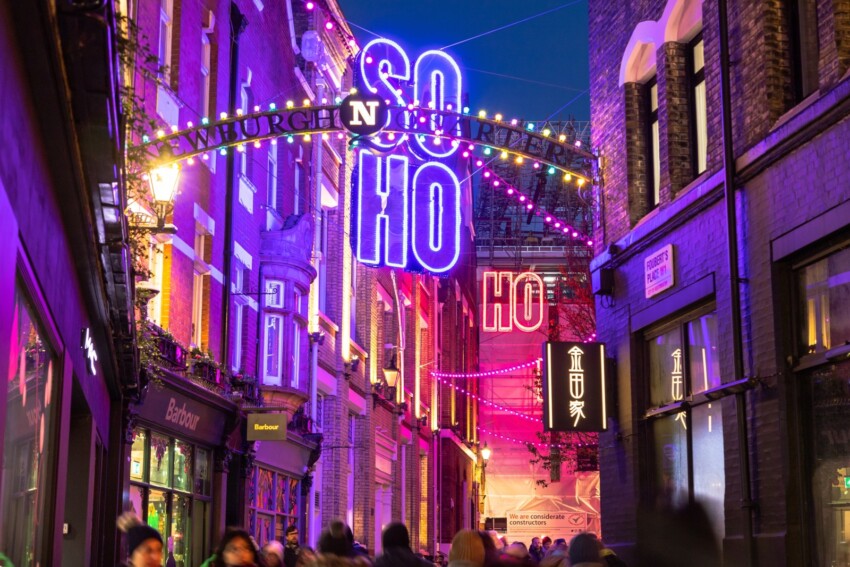
Carnaby Street1 is one of the main meeting points, with its colourful signs and lively atmosphere that persists well into the night. A short walk away you’ll find Covent Garden2, the iconic Piccadilly Circus3 with its luminous screens and Leicester Square4, the beating heart of the neighbourhood where cinemas, theatres and nightclubs alternate, creating contagious energy. The area is very busy at weekends but remains lively during the week too.
Soho deserves special mention. This neighbourhood is the centre of London’s LGBT+ community and one of the city’s most inclusive and tolerant places. The streets around Old Compton Street5 come alive every evening with pubs, cocktail bars and clubs offering live music, drag shows and DJ sets until the early hours of the morning. The atmosphere is electric, people are friendly and the venues are always packed.
The Village Soho6 is perfect if you’re looking for a relaxed atmosphere, with excellent music and a varied crowd. For live music lovers, Ronnie Scott's7 is an institution since 1959, where the greatest names in international jazz have performed.
If you’re after signature cocktails in sophisticated settings, the neighbourhood offers real gems like Swift Soho8, a two-level cocktail bar that combines elegance and mixological creativity. For a 1940s-themed speakeasy, Cahoots Underground9 takes you back in time with a vintage tube station setting and drinks inspired by the Prohibition era.
East of the City lies Shoreditch, the neighbourhood that over the past two decades has become the symbol of alternative, artistic and hipster London. This post-industrial area has been completely transformed and today represents one of the most interesting places for those seeking nightlife away from the mass tourism of the centre.
The nerve centres of the scene are Shoreditch High Street10, Curtain Road11 and Old Street12, arteries brimming with venues of every kind. Here you’ll find trendy bars with minimalist interiors, clubs with experimental electronic music, perfectly preserved traditional pubs and warehouses converted into event spaces. The atmosphere is decidedly younger and more informal than the West End, with a strong presence of students, artists and young professionals.
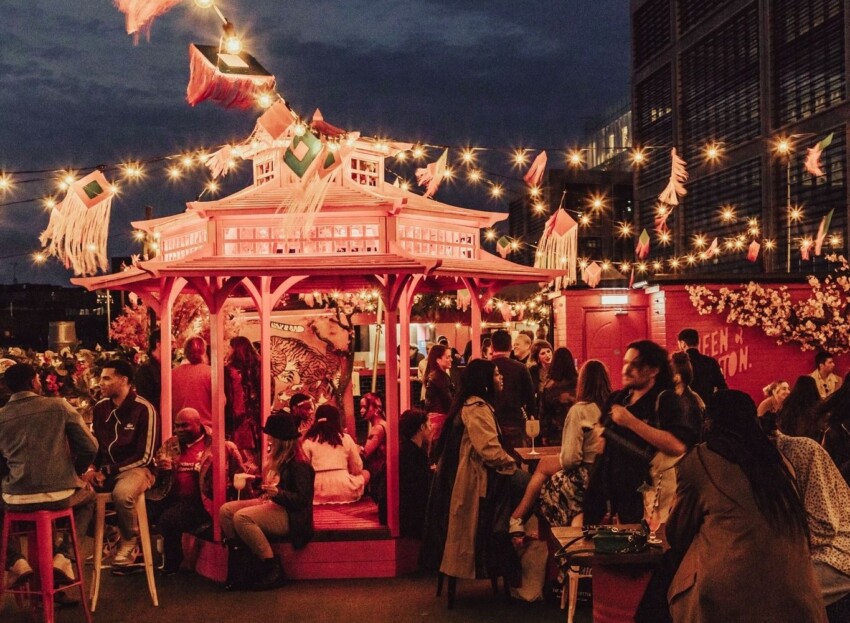
The Queen of Hoxton13 is one of Shoreditch’s symbols, a multi-level venue with an incredible rooftop that changes theme every season. During summer the terrace transforms into a tropical space with loungers and exotic cocktails, while in winter heated structures are set up to continue enjoying the city views. The venue regularly hosts DJ sets and themed parties that attract hundreds of people.
For those who love electronic and techno music, Xoyo14 is a must-visit. This club has a high-level programming with international DJs and a always-crowded dancefloor. The acoustics are excellent and the atmosphere is that typical of Europe’s best underground clubs. The Village Underground15 also deserves a visit: built using old containers and underground carriages, it’s a unique space hosting concerts, art exhibitions and parties.
If you prefer something more particular, Flight Club Shoreditch16 offers a different experience from the usual: it’s a bar where you can play darts whilst sipping creative cocktails. The atmosphere is convivial and perfect for nights out with friends. For dinner followed by live music, The Blues Kitchen | Shoreditch17 serves American cuisine and hosts live concerts almost every evening, with an excellent selection of bourbon and whiskey.
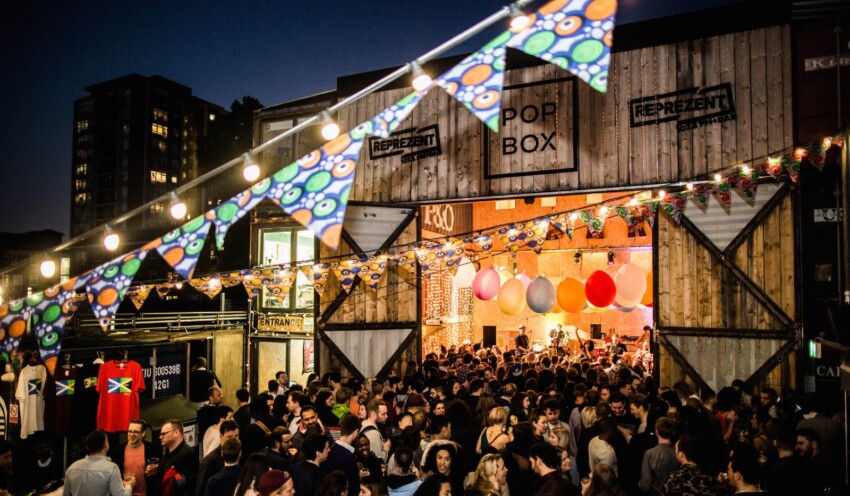
Camden Town: rock, punk and live music
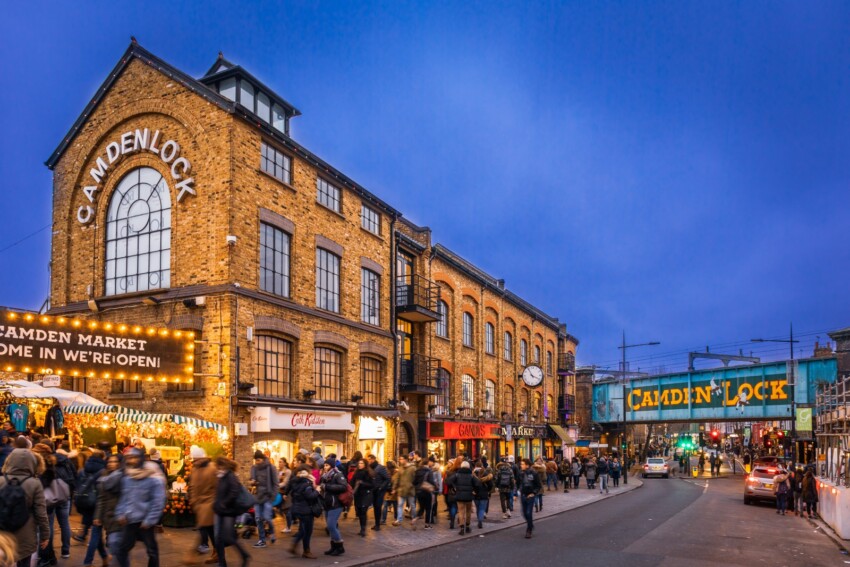
Camden Town18 is the neighbourhood of music par excellence, a place that shaped British rock and punk history. During the day it’s famous for its alternative markets and vintage stalls, but when the sun sets it transforms into one of the most vibrant centres of London’s nightlife, with a bohemian atmosphere that attracts musicians, artists and music lovers from around the world.
This neighbourhood is inextricably linked to the figure of Amy Winehouse, who lived here and frequented its venues. The The Hawley Arms19 was her favourite pub, where she worked before becoming famous and where she continued to return even after success. Today it’s one of Camden’s most frequented pubs, with an authentic atmosphere and an excellent beer selection. The walls are covered with photographs of celebrities who have visited the venue over the years.
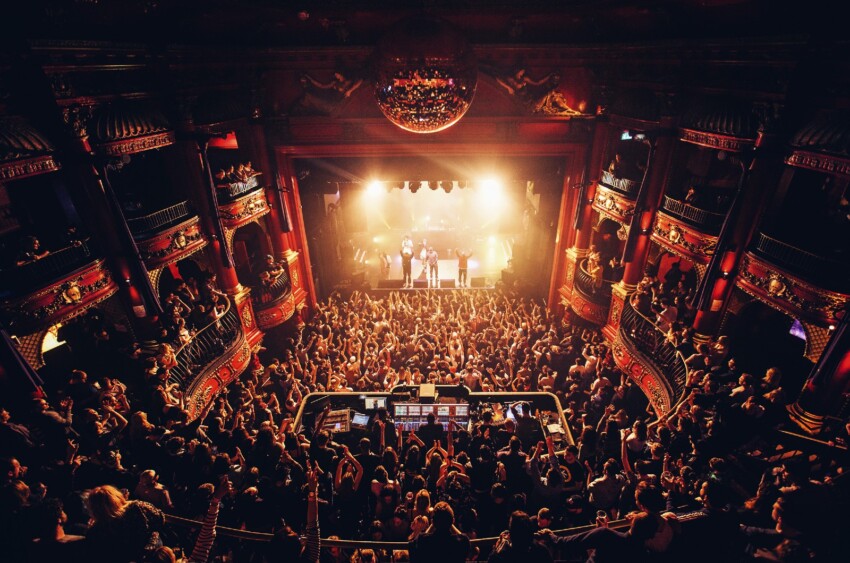
For live music, Camden offers some of London’s most important venues. The KOKO20 is a historic venue housed in a Victorian theatre from 1900, with a capacity of about 1500 people. Artists of the calibre of Coldplay, Madonna and Prince have performed here. Today it continues to host concerts from emerging and established bands, with an always packed calendar. The interior is spectacular, with historic balconies and perfect acoustics.
The Roundhouse21 is another institution of live music. Originally a 19th-century railway station, today it’s one of London’s music temples where Jimi Hendrix, Pink Floyd and David Bowie have performed. The programming ranges from rock to electronics, from jazz to world music, attracting a heterogeneous and passionate audience.
For more underground evenings, the Electric Ballroom22 has been active since the 1940s and continues to offer rock, punk and alternative concerts. The atmosphere is raw and authentic, the crowd is passionate and the energy is always high. The Jazz Cafe23, despite its name, offers not just jazz but also soul, funk, reggae and hip-hop, with always interesting programming and internationally-level musicians.
If you’re looking for a more intimate experience, the The Dublin Castle24 is a small pub where bands like Madness and Blur got their start. Today it still hosts emerging band concerts almost every evening, keeping alive the independent spirit that has always characterised Camden.
Mayfair and Kensington: elegance and luxury
Mayfair and Kensington represent the most elegant and sophisticated side of London’s nightlife. These affluent neighbourhoods host some of the city’s most exclusive cocktail bars and clubs, where dress code is strictly smart and prices reflect the level of service offered.
The The Connaught25 in the namesake hotel is considered one of the world’s best cocktail bars. The setting is sumptuous, with Art Deco interiors and impeccable service. Classic cocktails are served from an elegant vintage trolley, whilst the menu also features innovative creations using unusual ingredients. No reservation is required, but expect to pay around £20 per cocktail.
Sketch26 is a total experience that goes beyond simply having a drink. This multi-level venue on Conduit Street offers different environments, each with unique and surprising design. The Gallery bar features blush-pink interiors that have become iconic on Instagram, whilst the futuristic egg-shaped bathrooms are an attraction in themselves. The cocktails are excellent and the international clientele creates a cosmopolitan atmosphere.
For those seeking total exclusivity, Annabel's27 at Berkeley Square is London’s most famous private club. Opened in 1963, it’s frequented by royalty, celebrities and financial magnates. Access is reserved for members and their guests, but it’s worth knowing someone who can bring you: the interiors are spectacular, with several bars and restaurants spread over four underground floors decorated with unparalleled opulence.
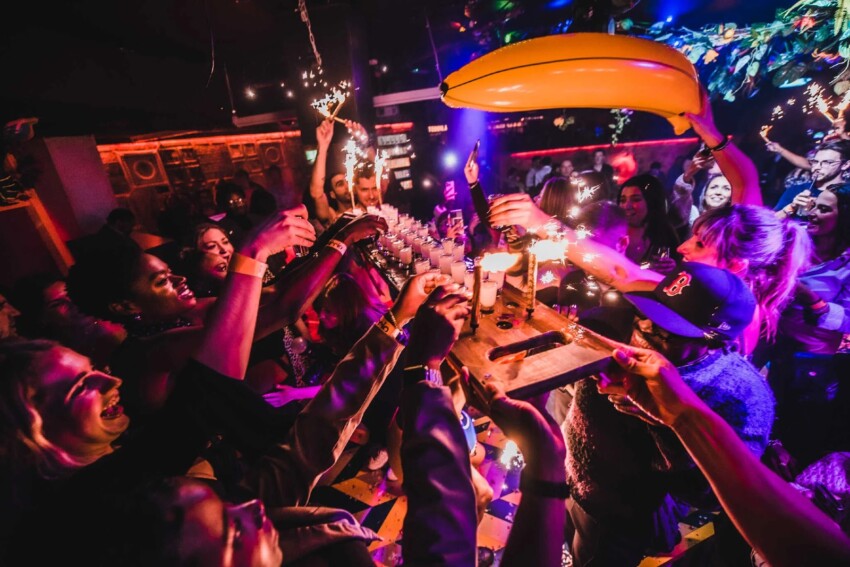
Mahiki28 in the West End attracts a young and wealthy clientele with its tropical atmosphere and cocktails served in pirate treasures and giant pineapples. The venue is famous for being frequented by members of the royal family and celebrities, and entrance selection can be strict. The evenings are always lively, with high-level DJs and an always-crowded dancefloor.
South Bank and Brixton: relaxed atmospheres along the Thames
The South Bank area along the Thames offers a more relaxed alternative to the frenzy of the centre. Here you’ll find venues with terraces overlooking the river, cultural bars linked to art galleries and outdoor spaces perfect for summer evenings. The atmosphere is generally quieter, ideal for those seeking conversation and good company rather than crowded dancefloors.
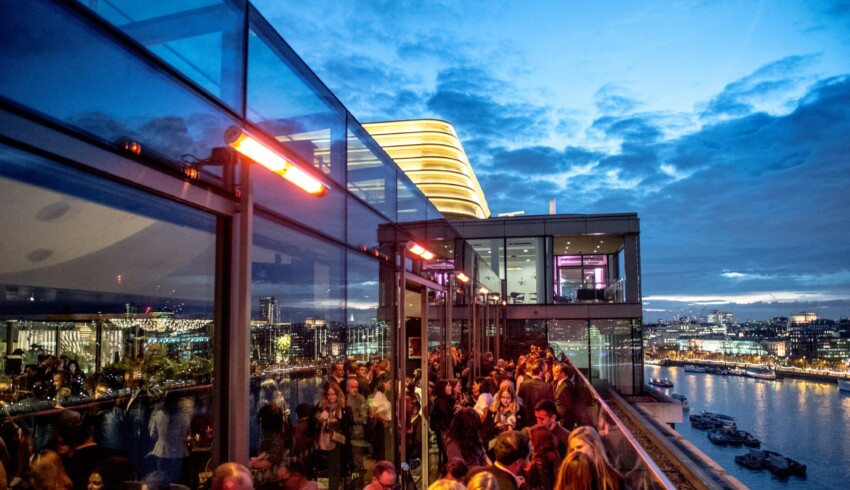
The 12th Knot29 on the twelfth floor of the Sea Containers Hotel offers a terrace with breathtaking views of the Thames and the City. The cocktails are creative, the service is attentive and the setting is sophisticated without being pretentious. It’s perfect for an aperitif after visiting the Tate Modern or before a show at the National Theatre.
Queen Elizabeth Hall Roof Garden30 at the Southbank Centre is a green space with fruit trees, vegetable gardens and grassy areas to relax in the sun during the day. In the evening it transforms into an outdoor bar with live music and a bohemian atmosphere that attracts artists and intellectuals. It’s not the typical luxurious rooftop bar, but it has an authentic charm and accessible prices.
Moving further south, Brixton has developed a vibrant and multicultural nightlife scene in recent years. The neighbourhood has a Caribbean soul that is reflected in the music offered by its venues, with plenty of reggae, funk, hip-hop and drum’n’bass. The atmosphere is decidedly more genuine and less touristy than the centre.
Brixton Jamm31 is the neighbourhood’s emblematic venue, with several rooms offering different musical genres and a programme ranging from concerts to club nights. The crowd is heterogeneous and the energy is always high.
London’s Most Famous Nightclubs
London boasts some of the most famous nightclubs in the world – venues that have shaped the history of electronic music and continue to set the tone for the international clubbing scene. These temples of the night attract the planet’s finest DJs and thousands of clubbers from across Europe.
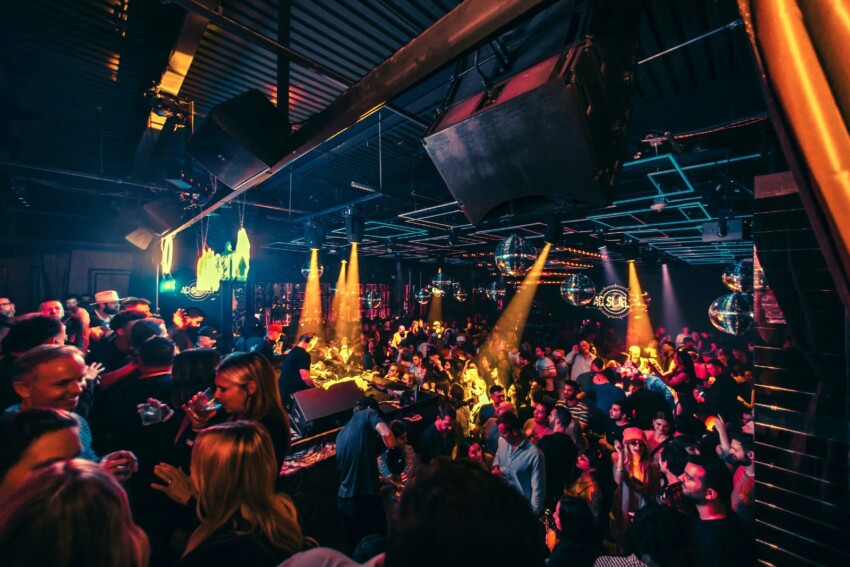
Fabric London32 is undoubtedly London’s most iconic nightclub. Opened in 1999 in a former warehouse in Farringdon, it spans three basement levels with five rooms playing house, techno, drum and bass and breakbeat. The most spectacular feature is the bodysonic dancefloor in Room One, equipped with bass transmitters across 450 frequencies that literally make dancers’ bodies vibrate. The sound system is considered among the finest in the world, and the programming is always top-tier, featuring international DJs and emerging talent. Saturday nights see parties continue until 8am.
Ministry of Sound33 is the other great institution. Opened in 1991 in what was once a bus garage at Elephant & Castle, it has become a global symbol of dance music. The club comprises four rooms: The Box, the main floor engineered for perfect sound quality reaching 156 decibels; The 103, the secondary dancefloor; Baby Box, a more intimate space; and The Loft, dedicated to emerging musical trends. Programming focuses on house and electronic music, featuring some of the world’s most renowned DJs. There’s also an on-site shop with official merchandise.
Corsica Studios34, at Elephant & Castle, offers a more underground and intimate experience. This small venue has just two rooms with a maximum capacity of 500 people, creating a close-knit atmosphere that many prefer to mega-clubs. The sound system is excellent and programming ranges from techno to dubstep, with many emerging artists having cut their teeth here. It’s particularly beloved by London’s electronic music cognoscenti.
Printworks London35 represents the cutting edge of London’s clubbing scene. Converted from a former print works at Surrey Quays, it’s a vast space hosting electronic music events with spectacular production design. Artists including Sven Väth, Nina Kraviz and The Martinez Brothers have performed here. Parties often run from opening to closing – 10pm to 6am – as genuine electronic music marathons.
For something different, Cirque Le Soir36 on Ganton Street is a circus-themed nightclub where acrobatic performances, costumed artists and house music merge into a unique spectacle. Entry is selective and prices are steep, but the experience is truly distinctive. Mahiki37 in the West End, meanwhile, offers a tropical atmosphere with tiki décor, Hawaiian torches and cocktails served in pineapples and pirate treasures.
Rooftop Bars: Cocktails with a View
One of the most captivating aspects of London’s nightlife is sipping a cocktail at one of the many rooftop bars dotted across the city’s skyline. These venues offer spectacular views of London’s iconic landmarks, sophisticated atmospheres and creative drinks crafted by world-class bartenders.
Radio Rooftop38 on the tenth floor of the ME London Hotel is among the most acclaimed. Inspired by rooftop bars in Tokyo and Singapore, it boasts breathtaking views spanning from the London Eye to St Paul’s Cathedral, from Big Ben to The Shard. The menu features innovative cocktails and small Asian dishes, whilst weekend DJ sets of house and Afrobeats create a vibrant atmosphere. The clientele is international and sophisticated, and booking a table is highly recommended.
Madison39 at One New Change offers one of London’s most spectacular views, with St Paul’s Cathedral’s majestic dome virtually within arm’s reach. This spacious rooftop bar is ideal for sunset aperitifs or romantic dinners, with live DJs on Thursday, Friday and Saturday evenings. The atmosphere is refined without being overly formal, and the cocktail list is excellent.
On the 39th floor of 110 Bishopsgate, SUSHISAMBA City40 offers Europe’s highest open-air terraces. The cuisine blends Japanese, Peruvian and Brazilian flavours, whilst the cocktails are veritable works of art. The 360-degree views across the City are simply breathtaking, especially at sunset when the city lights begin to twinkle. Prices are steep, but the experience justifies the expense.
Queen of Hoxton41 in Shoreditch is renowned for its rooftop that reinvents itself seasonally. Summer transforms it into an urban beach complete with sand, loungers and tropical cocktails, whilst winter morphs into an alpine refuge with chalets, faux-fur blankets and mulled wine. The atmosphere is far more relaxed than central London rooftops, and finding a spot is never an issue thanks to the generous terrace size.
For those seeking exclusivity, The Nest42 on the sixteenth floor of the Treehouse Hotel features a wraparound 360-degree terrace overlooking central London. Comfortable loungers and a laid-back vibe make it perfect for lazy sunny afternoons or romantic aperitifs. The menu offers Californian-Mexican cuisine and creative cocktails prepared with fresh ingredients.
Map
In the following map you can see the location of the main places of interest mentioned in this article.
Practical Information for London’s Nightlife
To make the most of London’s nightlife, it’s important to know some practical information that will help you navigate the city safely and optimise your evenings in the British capital.
Opening Hours
Opening hours vary depending on venue type and day of the week. Traditional pubs generally close around 11pm during the week, whilst at weekends they may stay open until midnight or 1am. Bars and cocktail bars typically close between 1am and 3am. Nightclubs keep the longest hours: they close around 3am on weekdays, whilst many continue until 6am or even 8am at weekends, like Fabric.
Dress Code
As for dress code, rules vary considerably. In pubs and venues in Camden or Shoreditch, casual clothing is acceptable, though it’s wise to avoid tracksuits and flip-flops. Clubs like Ministry of Sound and Fabric require smart casual: clean jeans and branded trainers are fine, but no tracksuits. Mayfair venues and exclusive rooftop bars demand smarter dress codes: men are often required to wear long trousers and smart shoes, whilst women should opt for dresses or polished suits.
Tickets
It’s highly recommended to purchase tickets online in advance for the most popular nightclubs, especially at weekends. This allows you to avoid lengthy queues and often score discounted prices. Early-bird tickets for clubs like Fabric or Ministry of Sound start from £10-15, whilst door prices can reach £25-30. Some exclusive venues require mandatory reservations, particularly for tables.
Transport
For late-night travel, London offers several options. The Underground runs a Night Tube service on Friday and Saturday on major lines including Central, Victoria, Jubilee, Northern and Piccadilly. Night buses operate across the city 24 hours a day, with frequent services along main routes. On New Year’s Eve, Transport for London offers free Underground travel from 11:45pm to 4:30am. Uber and black cabs are always available, though prices can be steep during peak hours.
Safety
In terms of safety, London is generally a safe city, though vigilance is always advised. Stay in well-lit, busy areas, never leave your drinks unattended and watch out for pickpockets in busy tourist zones like Piccadilly Circus and Leicester Square. If travelling alone or in small groups, it’s best to use licensed taxis or Uber for your journey home, avoiding solo walks through poorly lit areas in the early morning hours.
 Hotel
Hotel  Budget accommodations
  Apartments
  Family Hotel
  Luxury Hotel