London Stadiums
All of London's stadiums: from the majesty of Wembley to the innovative Tottenham Stadium, discover the homes of London football.
London is home to some of the most historic and important football stadiums in the world.
Wembley Stadium is the crown jewel, with a capacity of 90,000 spectators, making it the second-largest stadium in Europe. Opened in 2007 following the demolition of the original Wembley, it is the home of the England national team and hosts the finals of the major domestic cups. Its iconic arch has become a symbol of the city.
In north London, you’ll find the Emirates Stadium, home to Arsenal (60,704 seats), and the Tottenham Hotspur Stadium (62,850 seats). The latter, which opened in 2019, is one of the most cutting-edge facilities in the world, featuring innovative design including a retractable pitch that allows it to host NFL matches.
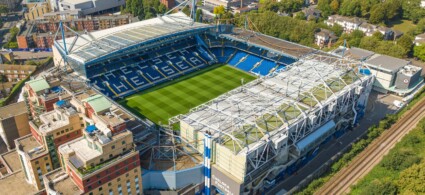
To the west stands Stamford Bridge, home to Chelsea since 1905, which holds 40,341 spectators. Despite being smaller than other London stadiums, it maintains a unique atmosphere thanks to its rich history.
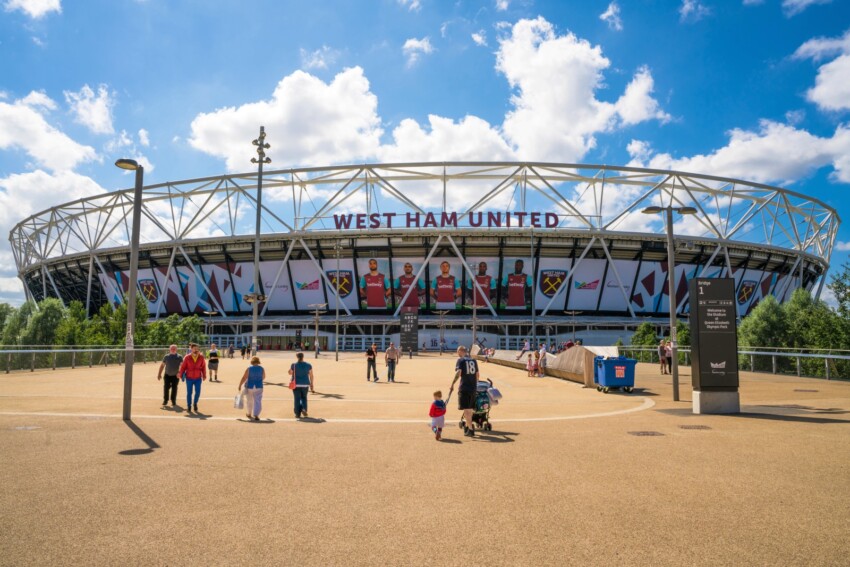
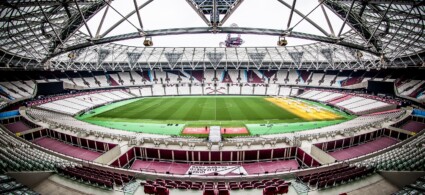
The London Stadium (60,000 capacity), built for the 2012 Olympics and now home to West Ham United, exemplifies the successful conversion of an Olympic venue.
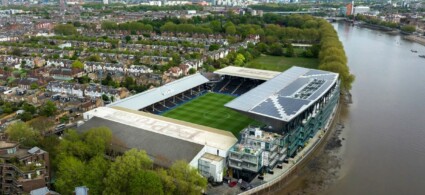
Other historic stadiums include Selhurst Park, home to Crystal Palace (25,486 seats), and Craven Cottage, the ground of Fulham (29,600 seats). The latter is particularly captivating for its Victorian architecture and location on the banks of the Thames.
This concentration of world-class stadiums reflects the importance of football in London’s culture and the city’s role as one of the global capitals of the sport. Each stadium has its own distinctive identity and contributes to creating the unique atmosphere that characterises English football.
Plan your visit in London in minutes!






 Hotel
Hotel  Budget accommodations
  Apartments
  Family Hotel
  Luxury Hotel