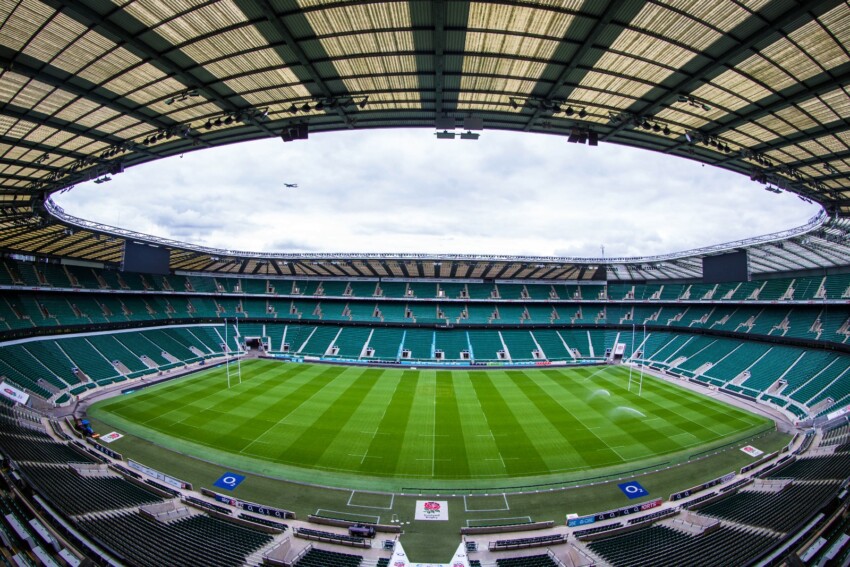
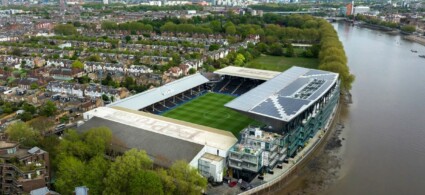
Every year, more than 900,000 spectators pass through the gates of Twickenham Stadium, the temple of English and world rugby. Located in the eponymous area in south-west London, this venue with its 82,000 capacity represents not only the world’s largest rugby stadium, but also a symbol of British passion for this sport.
Opened in 1909, Twickenham has become over the decades far more than a simple playing field: it is the home of the England national team, the stage for the most thrilling Six Nations matches and the headquarters of the World Rugby Museum.
The Twickenham Stadium Tour allows you to discover areas normally reserved for players and staff. The guided tour, lasting approximately 100 minutes, begins in the team changing rooms, where players prepare before taking to the field. You’ll see the personalised lockers and warm-up areas used by rugby’s brightest stars up close.
The most thrilling moment of the tour is undoubtedly entering the pitch through the players’ tunnel, the same route athletes take on match days. The thrill of emerging in front of empty stands, imagining the roar of 82,000 supporters, is an experience that stays with you. Your guide will also take you through the royal boxes, where members of the royal family traditionally sit during the most important matches, and the press room where post-match conferences are held.
During the tour, you’ll have access to the stadium’s modern hospitality lounges, elegant spaces used for corporate events and VIP receptions. These areas offer a completely different perspective on the stadium, with privileged views of the pitch and high-quality furnishings. The tour also includes a visit to the England Rugby Store, the official shop where you can purchase merchandise and souvenirs from your visit.
The World Rugby Museum houses the world’s largest collection dedicated to rugby, with over 25,000 objects that tell the story of this sport’s evolution from 1823 to today. The museum spans two floors and offers a chronological journey from the origins of the game at Rugby School to modern international competitions.
Among the collection’s most precious pieces are the original jerseys worn by great champions during historic matches, vintage balls that demonstrate the evolution of sporting equipment, and cups and trophies won by the England national team in international competitions. A special section is dedicated to the legendary Jonny Wilkinson, featuring the boots he wore during the 2003 Rugby World Cup final in Australia.
The museum also offers several interactive experiences: you can test your speed in a 10-metre sprint against professional times, try your accuracy with place kicks using digital simulators, and challenge yourself in a virtual tackle. The Six Nations section tells the story of this tournament through historic footage, detailed statistics and memorabilia from participating teams.
Watching a Six Nations Championship match at Twickenham represents the pinnacle of English rugby experience. The tournament, held annually between February and March, sees England face the other five nations: Wales, Scotland, Ireland, France and Italy. The atmosphere during these matches is electric, with supporters gathering in surrounding pubs from early morning.
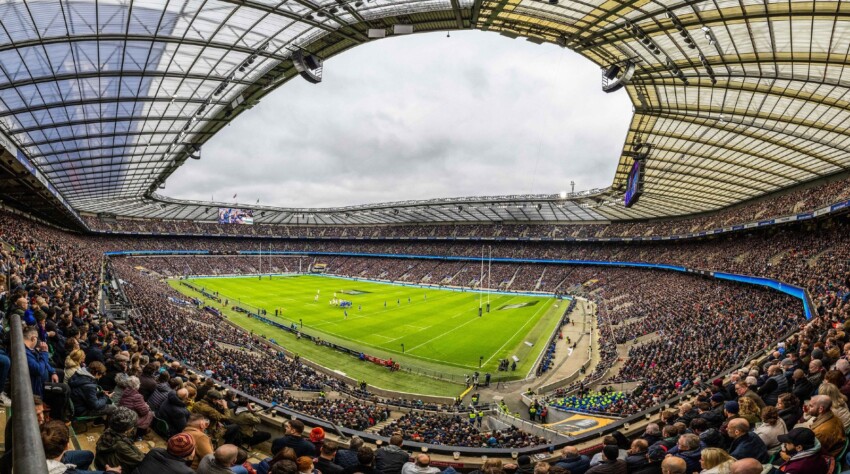
England’s home matches attract a completely sold-out stadium, with fans creating a wall of white and red. The national anthem “God Save the King” sung by 82,000 people before kick-off is a moment of pure emotion. During the match, the energy in the stands is palpable, especially during derbies against historic rivals like Wales or Scotland.
Tickets for Six Nations matches go on sale several months in advance through the official RFU (Rugby Football Union) website and tend to sell out quickly. Prices range from around £50 for seats in the upper tiers to over £100 for centre stands. It’s advisable to sign up to the RFU mailing list to receive notifications about ticket sales opening dates.
It is highly recommended to book online in advance through the official Twickenham Stadium website, especially during peak tourist seasons and on days leading up to major matches. Advance booking guarantees availability at your preferred time and allows you to avoid queues at the ticket office. Tours are conducted in English by expert guides who share anecdotes and interesting facts about the stadium’s history.
International match tickets for England at Twickenham are sold primarily through a ballot system managed by the RFU. Registered RFU Ticketing members have priority access to tickets, with sales generally opening 4-5 months before each match. Non-members can register for free on the official website to participate in the ballot.
Prices vary significantly depending on the seat category and match importance. Matches against historic rivals like Wales or during competition finals tend to have higher prices.
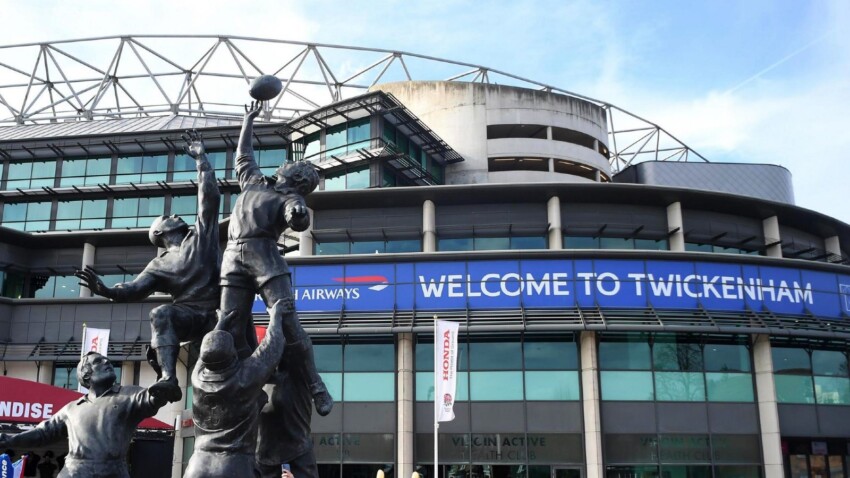
The most convenient way to reach the stadium by public transport is to take the London Underground to Richmond station (District Line or London Overground), which is about 2 km from the stadium. From there you can walk in 20-25 minutes via Parkshot and London Road, or take bus 33 or H22, which will take you directly to the stadium’s main entrance in 10 minutes.
An alternative is to get off at Twickenham station on the South Western Railway, served by direct trains from London Waterloo that take about 30 minutes. From Twickenham station, the stadium is about 1.5 km away and can be reached on foot in 15-20 minutes following the signs. On match days, the route is lively with groups of supporters, and the atmosphere makes the walk an integral part of the experience.
During international matches, South Western Railway organises special trains with increased frequency and additional carriages. However, be prepared for significant crowding both on the way there and back.
On match days, guided tours are suspended to allow event preparations. However, the World Rugby Museum remains open with special hours, generally from 3 hours before kick-off until 30 minutes before. This allows match ticket holders to visit the museum before the game. Museum admission is included in the tour ticket but requires a separate ticket on match days if you don’t also have a sports event ticket.
Twickenham Stadium is fully accessible for visitors with mobility disabilities. All levels of the stadium are accessible via lifts and ramps. Dedicated wheelchair spaces are available in all main stands, with a companion sitting alongside free of charge. Accessible toilets are available in every sector of the stadium. During tours, the route can be adapted to accommodate guests with mobility difficulties, and wheelchairs are available on request. It is advisable to communicate any specific requirements when booking.
Tickets for England’s international matches, especially Six Nations games, sell out quickly, often months before the event. It is very difficult to find last-minute tickets through official channels. However, in the days immediately before the match, the RFU sometimes releases returned or unclaimed tickets, which are sold online. Avoid touts outside the stadium, as they may sell counterfeit tickets. The official secondary market managed by the RFU is the only safe way to legally purchase resold tickets.
Yes, photography is permitted and encouraged throughout the stadium tour. You can take photos in the changing rooms, from the players’ tunnel, on the pitch side and from the stands. The guide will make several stops specifically designed to allow visitors to take memorable photos and selfies. Inside the World Rugby Museum, photography is generally permitted, except for some particularly delicate objects where specific restrictions are in place. Flash use is discouraged to preserve the historical materials on display.
It is advisable to arrive at the stadium at least 60-90 minutes before kick-off. This time allows you to pass through security checks at the entrance, which may take several minutes due to queues, find your seat in your assigned stand, purchase food and drinks, and immerse yourself in the pre-match atmosphere, which is an integral part of the experience. On days of large attendance such as Six Nations matches, the RFU recommends arriving up to 2 hours early to avoid stress and fully enjoy the experience.
No, bringing food and beverages from outside into the stadium during matches is prohibited. This rule is strictly enforced at security checks on entry. Inside you’ll find numerous food and drink outlets. Water bottles can be brought in but must be plastic and without a lid. During tours, there are no particular restrictions, although it is advisable to travel light to move comfortably during the guided visit.
City Card allow you to save on public transport and / or on the entrances to the main tourist attractions.


 Hotel
Hotel  Budget accommodations
  Apartments
  Family Hotel
  Luxury Hotel