Must-see attractions in London: from the Tower of London to the London Eye, historic markets to West End musicals, encompassing history, art and modernity.
Every year, millions of visitors from around the world are drawn to London’s priceless cultural heritage, vibrant art scene and cosmopolitan atmosphere.
From the majestic Palace of Westminster to the modern Tate Modern, from the historic Tower of London to the futuristic The Shard, the city offers an incredible variety of attractions for every type of traveller.
In this comprehensive guide, we’ll explore must-see attractions in London, from historical monuments to bustling markets, from world-renowned museums to fashionable neighbourhoods. Whether you’re an art enthusiast, history lover, food connoisseur or simply curious to discover one of the world’s most fascinating cities, London has something to offer everyone.
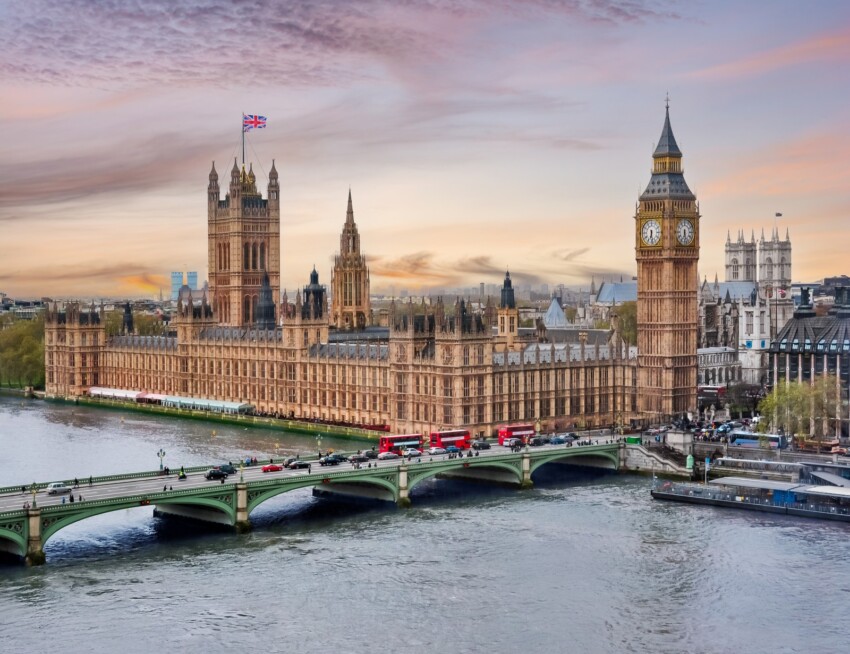
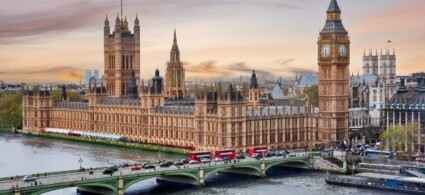
Known as the Houses of Parliament, the Palace of Westminster is London’s most iconic building. Parliament is also the city’s finest Victorian construction. The complex, distinguished primarily by the clock tower, known as Big Ben, is perfectly visible from the south bank of the river, the vantage point from which it has been photographed by thousands of tourists every year.
Built by Edward the Confessor in the first half of the 11th century, Westminster Palace was the residence of all English monarchs until a fire forced Henry VIII to relocate to Whitehall.
In 1834, the palace was destroyed by fire: only Westminster Hall survived from the original building; everything else was constructed by Charles Barry, who built the new palace in Gothic and Elizabethan style, characterised by a profusion of pinnacles, turrets and decorative details.
London Eye
2Riverside Building, County Hall, Westminster Bridge Rd, London SE1 7PB, UK
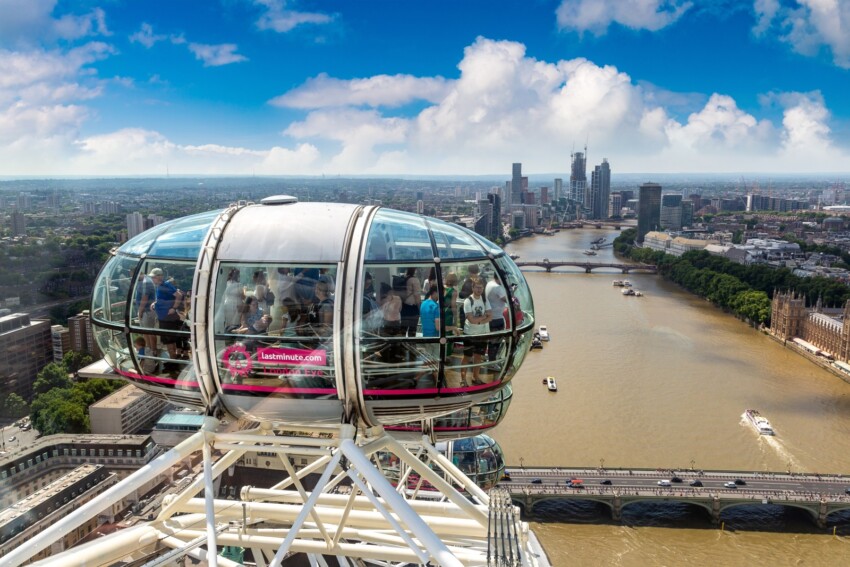
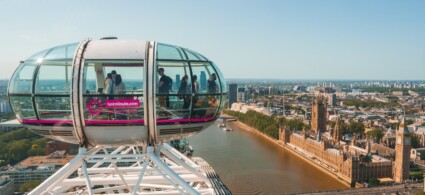
The London Eye, opened in 2000 to celebrate the new millennium, is the world’s largest observation wheel and has swiftly become one of the most recognisable symbols of London’s skyline. This gigantic observation wheel, standing 135 metres tall, offers a spectacular 360-degree view of the British capital.
During the 30-minute complete rotation, visitors can admire all of London’s major landmarks from modern climate-controlled capsules, each capable of accommodating up to 25 people.
On clear days, visibility can extend up to 40 kilometres. In the evening, the wheel illuminates with colours that change according to events and celebrations, creating a spectacular display reflected on the Thames.
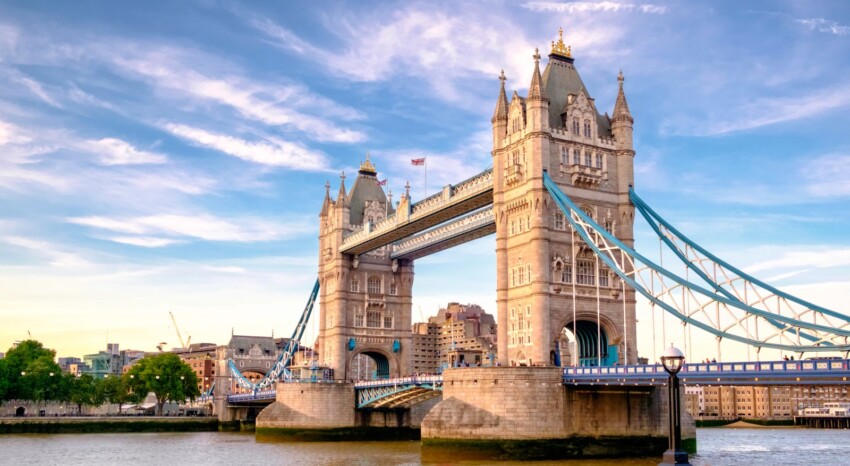
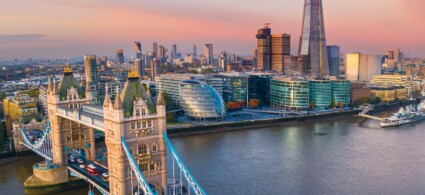
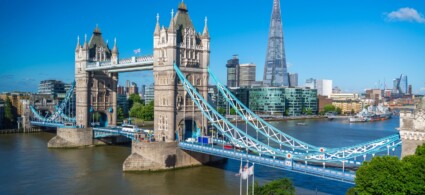
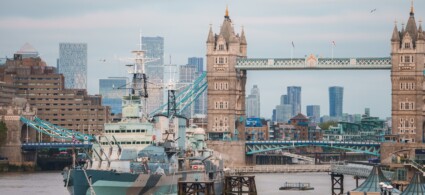
The Tower Bridge, often mistakenly confused with London Bridge, is one of the world’s most iconic bridges and a masterpiece of Victorian engineering. Alongside Big Ben, Tower Bridge is arguably the most famous symbol of London.
Completed in 1894, this combined suspension and bascule bridge was designed to allow large merchant ships to pass through to London’s docks whilst maintaining a permanent road connection across the Thames.
The Tower Bridge Exhibition allows visitors to explore the upper pedestrian walkways, originally built for pedestrians when the bridge was raised, now transformed into panoramic galleries with glass flooring offering a vertiginous view of the traffic below. The original Victorian engine rooms, with their imposing steam engines and hydraulic mechanisms, have been restored and are now part of the museum.
It’s still possible to witness the bridge lifting to allow taller vessels to pass through, a spectacle that regularly attracts photographers and onlookers.
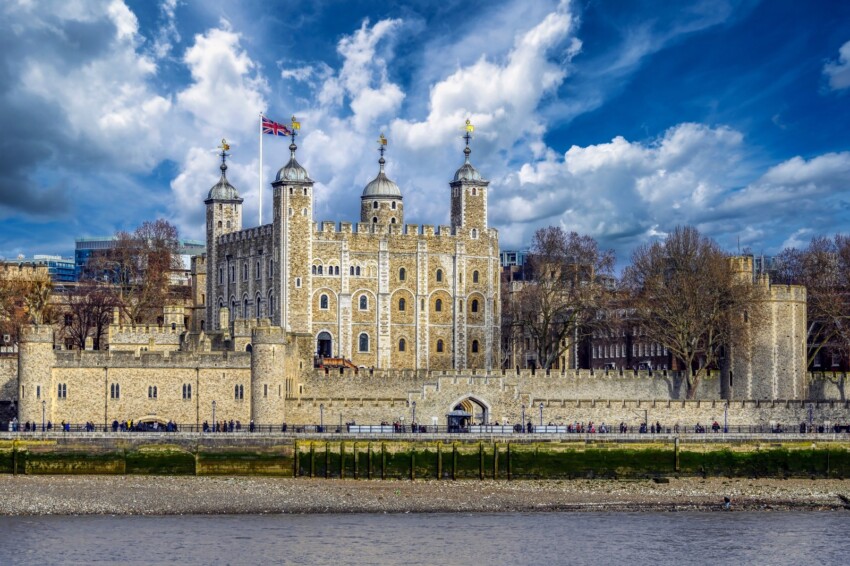
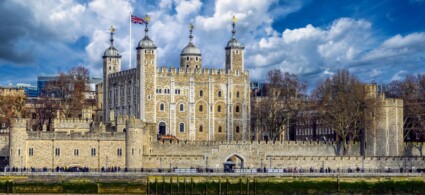
The Tower of London is the best-preserved medieval fortress in the entire country and one of London’s most fascinating buildings, despite the constant influx of tourists visiting this part of the city.
This fortified complex, designated a UNESCO World Heritage Site, has served over the centuries as a royal residence, prison, mint, arsenal and even a zoo, but is most famous as a place of imprisonment and death, having been the scene of some of the bloodiest events in the nation’s history.
Today it houses the Crown Jewels, an invaluable collection that includes the Imperial State Crown and the world’s largest cut diamond, the Cullinan I.
Guided tours are conducted by the celebrated Yeoman Warders, better known as “Beefeaters”, who recount fascinating stories of royal intrigue, executions and ghosts. The White Tower, the fortress’s original core built by William the Conqueror, houses the Royal Armouries, with an extraordinary collection of historical weapons and armour.
One of the most famous traditions concerns the Tower ravens: according to legend, if the ravens ever leave the fortress, the Kingdom will fall. For this reason, a group of these birds is kept with great care within the walls.
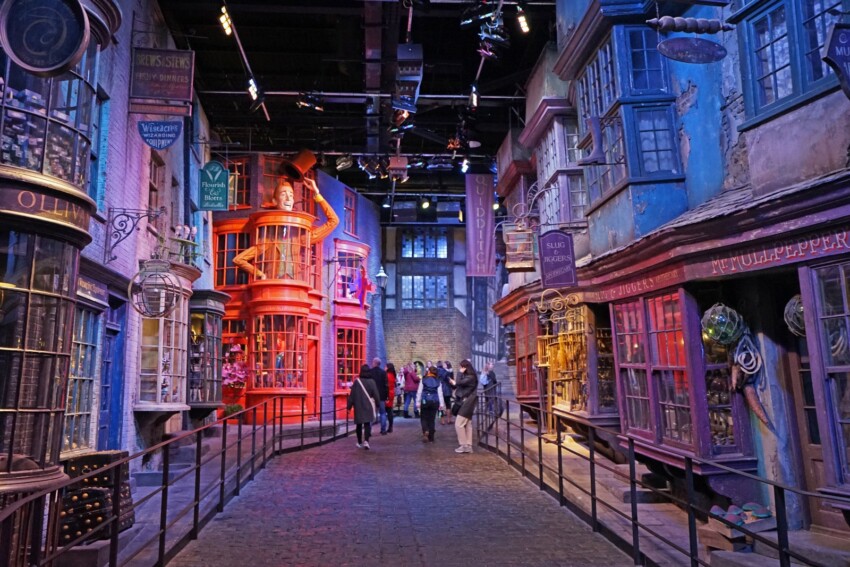
One of London’s most popular attractions is the Warner Bros Studios Harry Potter, which offers a chance to discover the behind-the-scenes magic of the beloved Harry Potter films. Within the Warner Bros Studio spaces, you can observe the sets featuring special effects, props and costumes used in the films. Visitors also have the opportunity to see the 1:24 scale model of Hogwarts used to film exterior scenes of the wizarding school.
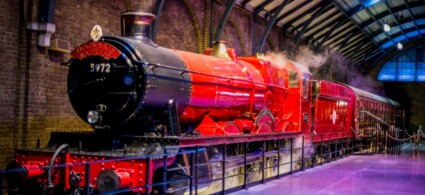
During your visit to the Warner Bros Studios, you can see the magnificent Great Hall where Harry Potter requests to be sorted into Gryffindor, admire the Sorting Hat, board the Knight Bus, the triple-decker bus that Harry rides in Harry Potter and the Prisoner of Azkaban, or journey on the Hogwarts Express locomotive at the new Platform 9 ¾, or sample a butterbeer and step into Harry’s home.
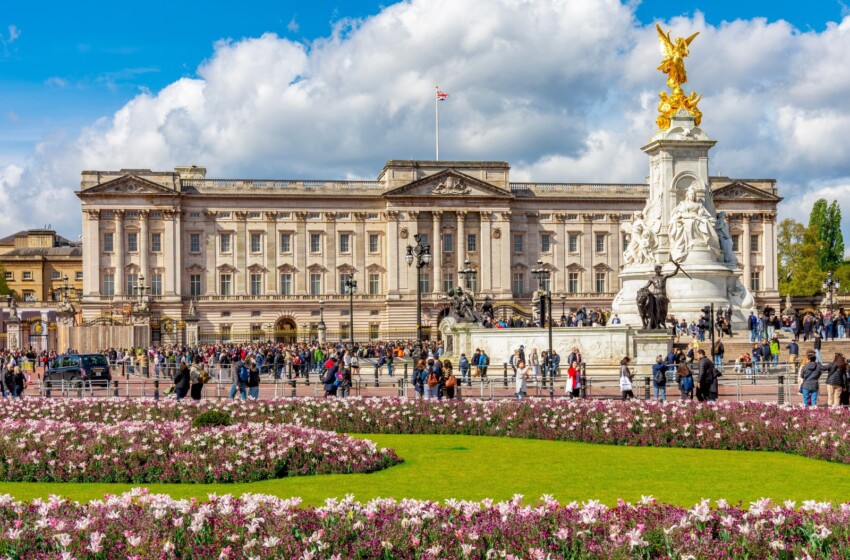
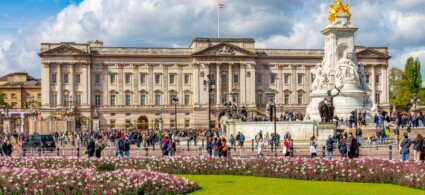
Buckingham Palace, the official residence of the British monarch and seat of the monarchy since 1837, when Queen Victoria ascended the throne, is one of the world’s most famous royal palaces.
During the summer months, when the Royal Family is on holiday at Balmoral Castle, the palace opens to the public its State Rooms, 19 lavishly decorated reception rooms featuring artworks from the Royal Collection, one of the world’s most important private collections. Visitors can admire the magnificent Throne Room, the Picture Gallery, with works by Rembrandt, Vermeer and Canaletto, and the sumptuous Ballroom.
Outside, the Changing of the Guard is one of the most spectacular and popular ceremonies, held regularly in the forecourt. The Royal Gardens, extending over 16 hectares, are an oasis of peace in the heart of London, with over 350 wildflower species, a lake and century-old trees. The palace contains over 775 rooms, including 52 royal and state apartments, 188 staff bedrooms, 92 offices and 78 bathrooms.
7Westminster Pier, Victoria Embankment, London SW1A 2JH, UK
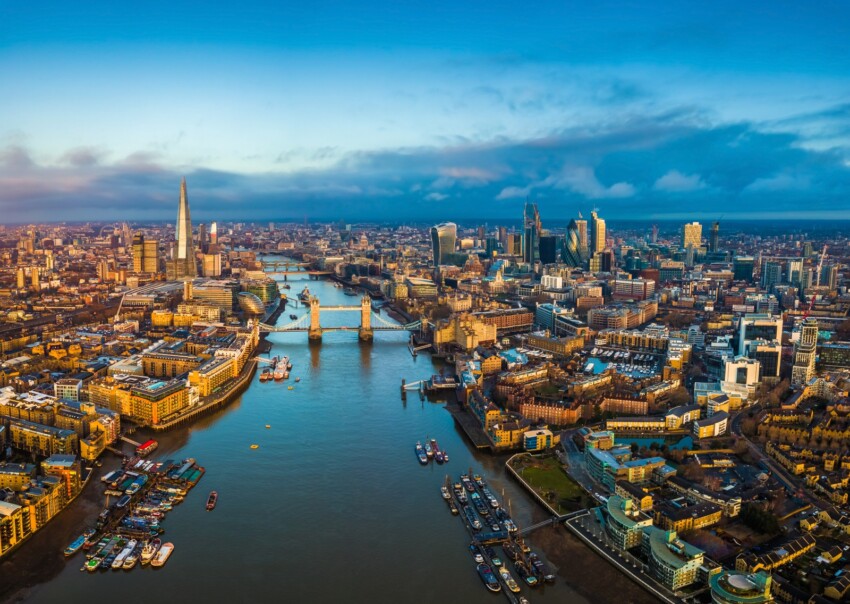
A Thames river cruise is one of the most evocative ways to admire London from a unique perspective and discover its rich maritime heritage. The river, which has shaped the city’s development over the centuries, offers spectacular views of London’s major landmarks. Visitors can choose from various types of cruises: from sightseeing tours with multilingual audio guides connecting Westminster to Greenwich, passing under Tower Bridge, to elegant dinner cruises offering a gastronomic experience accompanied by live music.
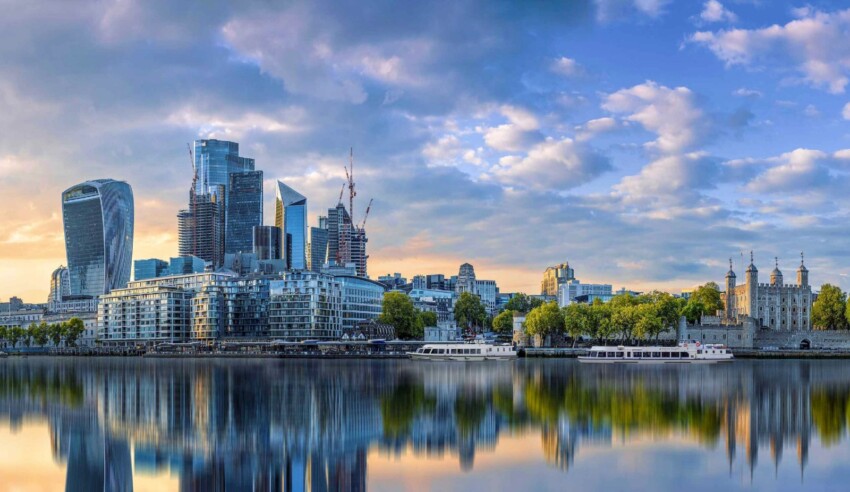
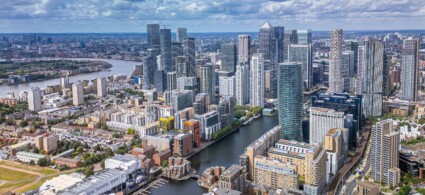
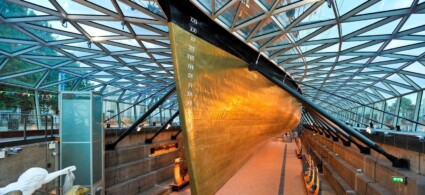
Sunset cruises are particularly magical, when buildings illuminate and reflect on the water. During your voyage, you can admire the Parliament Building, London Eye, Tower of London, Canary Wharf and numerous historic bridges. Some cruises stop at Greenwich, allowing you to visit the Cutty Sark, the last of the great tea clipper ships still afloat, and the Royal Observatory.
London’s West End, often called “Theatreland”, is the beating heart of British musical theatre and one of the world’s most important theatre districts, second only to Broadway in New York.
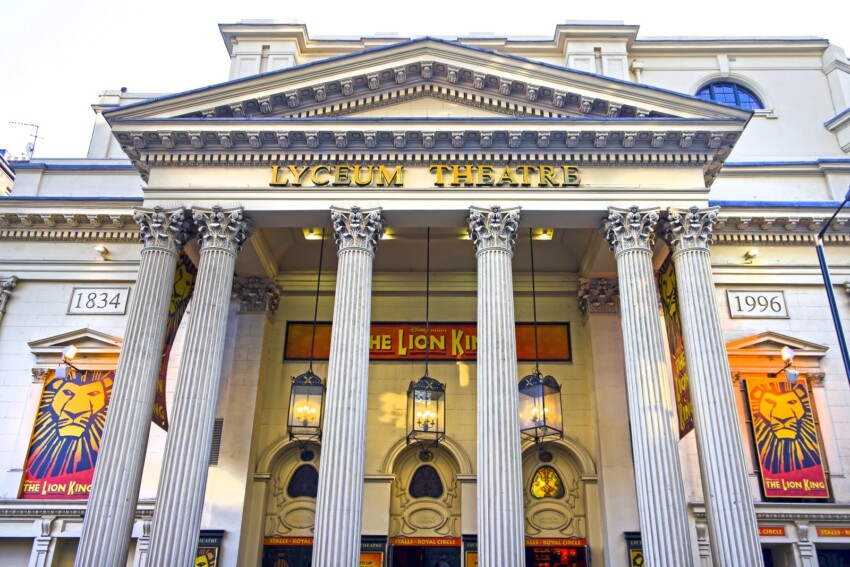
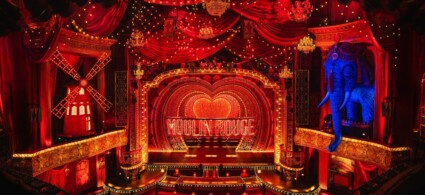
With over 40 historic theatres, it offers an incredible variety of theatre shows and musicals, from timeless classics like “The Lion King” at the Lyceum Theatre, which has captivated audiences since 1999 with its extraordinary masks, costumes and African choreography, to “Les Misérables” and “The Phantom of the Opera“, which hold the record for the longest-running productions in West End history.
The experience begins outside the theatres themselves, many of which are Victorian and Edwardian architectural masterpieces richly decorated. The London Palladium, Theatre Royal Drury Lane and Lyceum Theatre are magnificent examples of this architectural heritage.
The pre-show atmosphere in these historic theatres is magical, with their ornate foyers, marble staircases and glittering chandeliers. The quality of London’s productions is renowned worldwide, with talented casts, elaborate costumes and live orchestras creating an unforgettable experience.
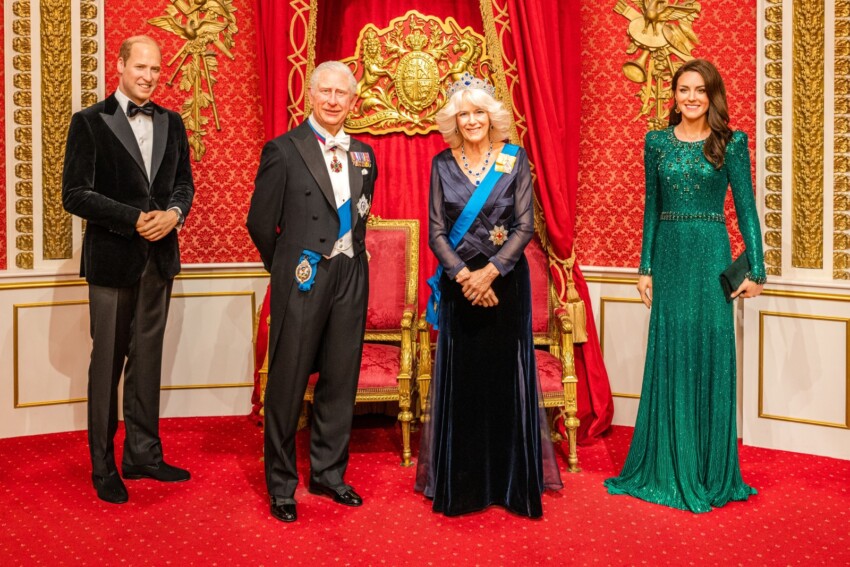
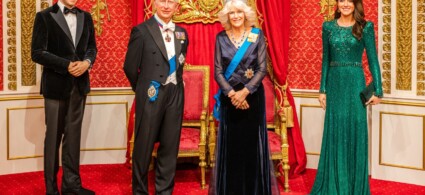
The renowned Madame Tussauds wax museum, located in Marylebone, offers a unique experience where you can “meet” celebrities, royalty, sportsmen and historical figures reproduced with incredible realism.
The history of this London institution dates back to 1835, when Marie Tussaud established her first permanent exhibition on Baker Street. The wax figures, constantly updated to reflect the most influential personalities of the moment, are arranged in themed settings that allow visitors to take memorable photographs.
The attraction includes several themed sections: the A-List Party, where you can encounter Hollywood stars, the British Royalty room, where you can pose alongside the Royal Family, and a section dedicated to Sports Heroes. The recently renovated Chamber of Horrors offers an immersive experience in Victorian London’s serial killers, whilst the Marvel Super Heroes 4D Experience combines special effects, Marvel characters and cutting-edge technology.
The museum also includes an exciting tour of London’s history aboard a traditional black taxi, retracing the city’s most significant moments through elaborate scenography and special effects.
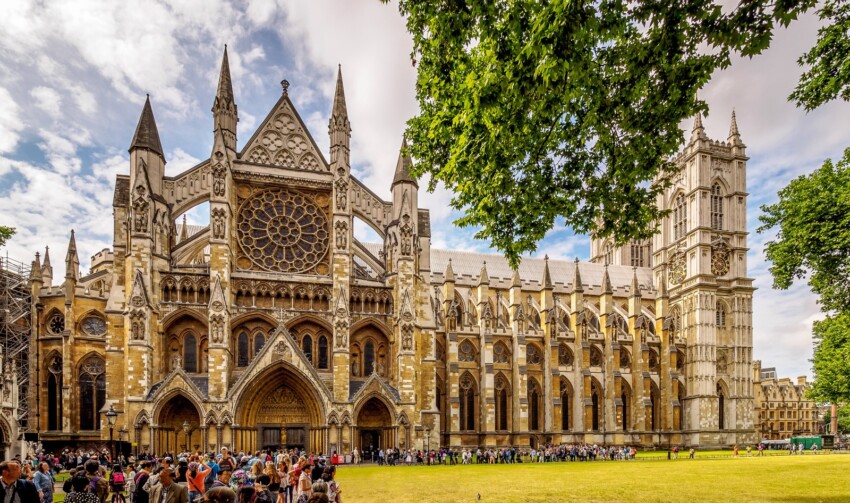
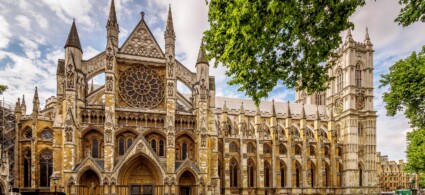
A masterpiece of Gothic architecture and the site of British coronations since 1066, Westminster Abbey stands as one of London’s most historically significant landmarks.
This UNESCO World Heritage Site has witnessed countless royal weddings. The Abbey is home to Poets’ Corner, where some of Britain’s greatest writers and poets, such as Charles Dickens, are buried or commemorated. Visitors can admire the Henry VII Chapel, considered the finest example of English Perpendicular Gothic, with its intricately carved fan vaulting and stained glass windows.
Royal tombs house the remains of numerous English monarchs, including Elizabeth I and Mary, Queen of Scots. The medieval cloisters offer a tranquil retreat from the bustle of the city, whilst the Abbey Museum displays a collection of sacred objects and historical artefacts that chronicle over a thousand years of British history.
During religious services, visitors can attend ceremonies and listen to the Abbey’s renowned choir, whose musical tradition dates back to the 10th century.
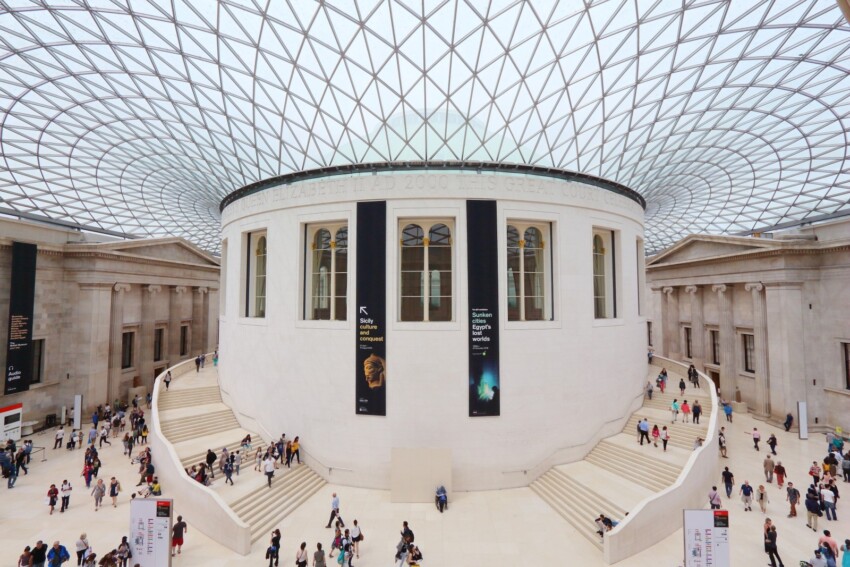
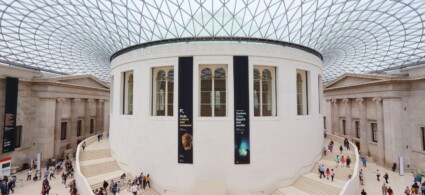
One of the world’s greatest museums, housing 70,000 artefacts spread across over four kilometres of galleries, the British Museum boasts one of the world’s most comprehensive collections of antiquities, prints and drawings housed under a single roof. Its collection of Greek and Roman art is unrivalled globally, whilst the Egyptian collection is the most significant outside Egypt itself. Works from India, Mesopotamia, China and Japan are equally impressive.
The British Museum was founded on the collection of Hans Sloane, a wealthy Chelsea physician who bequeathed it to George II in 1753. The king, however, was reluctant to fund its acquisition, and Parliament instead purchased the collection, thus establishing the nucleus of the world’s first public museum.
By 1820, it became clear that the existing building could not accommodate the ever-growing collection, and work began on the current structure, which was completed over three decades. Designed by Robert Smirke, the building is London’s most magnificent neoclassical edifice, featuring an imposing Ionic colonnade with portico, crowned by a sculptured pediment.
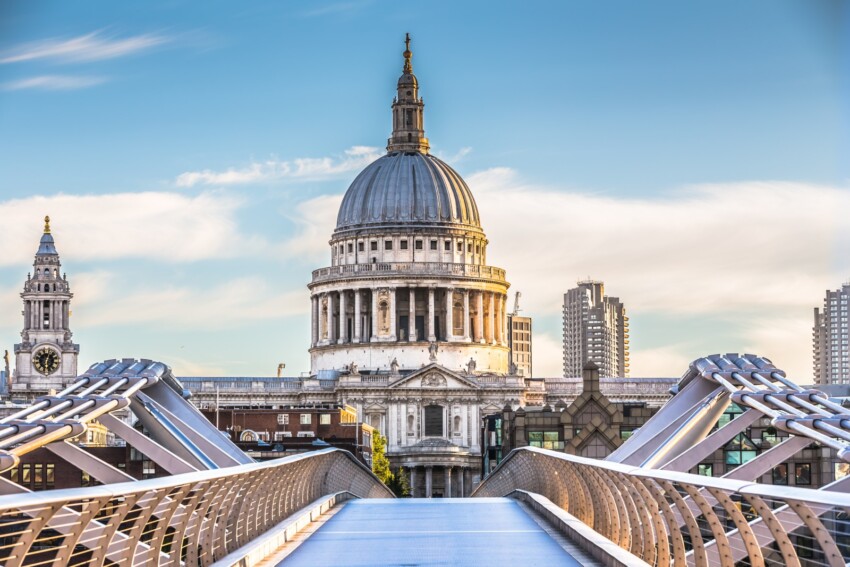
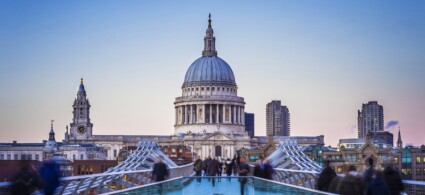
Crowned by an immense lead-clad dome that is second only in size to St Peter’s in Rome, St Paul’s Cathedral became a symbol of the city when it stood virtually unscathed amidst the ruins during the Blitz.
It continues to dominate the City skyline today, despite surrounding skyscrapers and the imposing structures of the financial district. The cathedral’s western facade is its finest feature, with a grand staircase, a two-storey portico with paired Corinthian columns and two of London’s most ornate Baroque towers.
The best vantage point from which to admire St Paul’s Cathedral in all its splendour is beneath the dome, decorated with trompe-l’oeil frescoes, though the most richly decorated section is the chancel, where stunning Byzantine-style mosaics from the late 19th century are prominent.
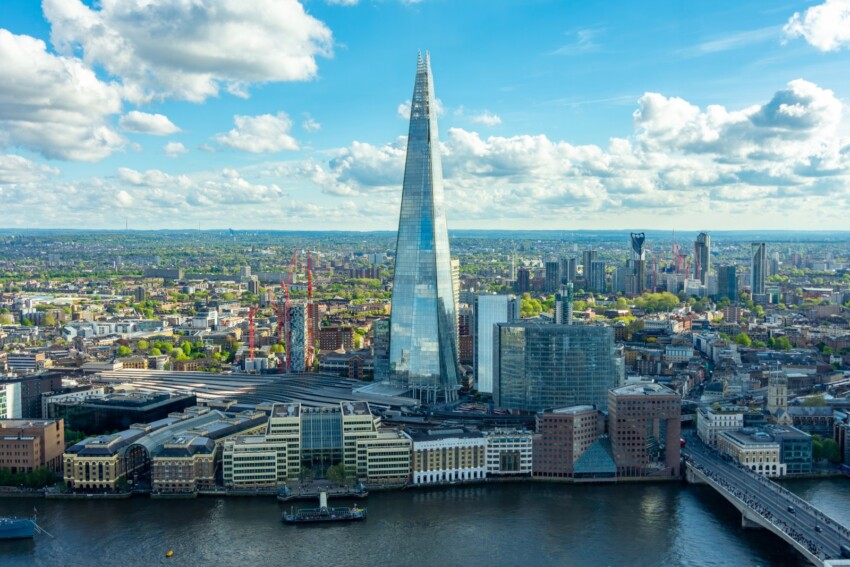
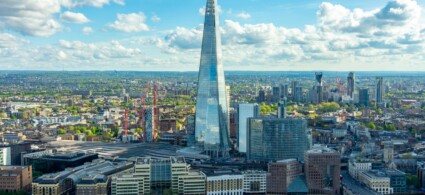
The Shard, at 310 metres tall, is Western Europe’s tallest skyscraper and an iconic symbol of modern London’s evolving skyline.
Designed by architect Renzo Piano and completed in 2012, this “glass shard”-shaped building draws inspiration from the church spires that dot London and the sails of merchant vessels that once traversed the Thames. The structure houses offices, luxury apartments and several fine dining restaurants.
The main attraction is The View from The Shard, an observation platform on levels 68–72, offering breathtaking panoramic views that extend up to 64 kilometres on clear days. The experience features interactive telescopes enabling visitors to explore the city in detail and pinpoint major landmarks.
Your visit begins with a multimedia presentation on London’s history, followed by a swift elevator ascent covering nearly 310 metres in just 60 seconds. The open-air gallery on level 72 provides an even more immersive experience, allowing you to feel the wind and hear the city’s sounds below.
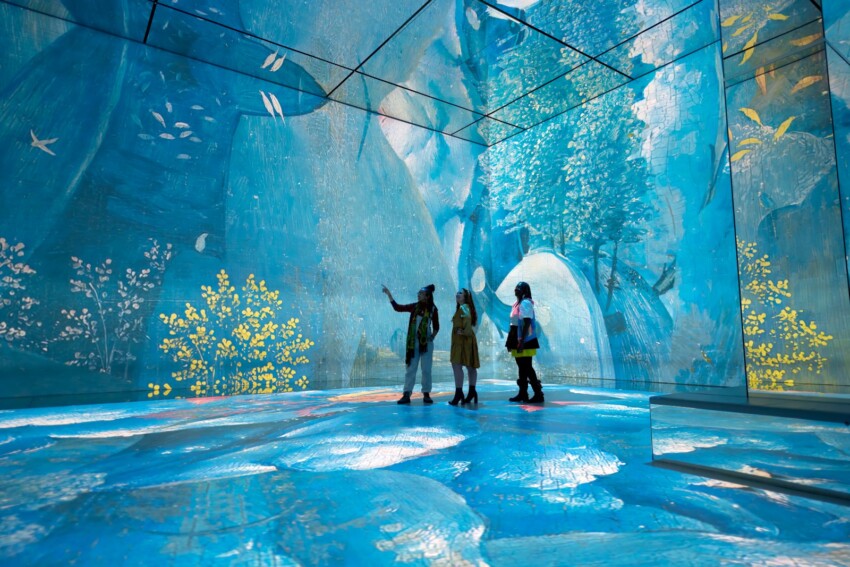
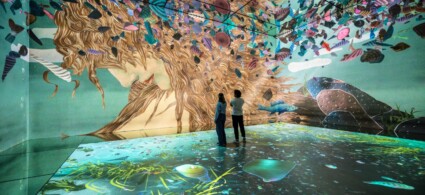
Frameless is the UK’s largest permanent immersive art experience. Spanning two floors across 30,000 square feet, this innovative exhibition space revolutionises how art is experienced, allowing you to step literally inside masterpieces.
The journey unfolds across four thematic galleries housing 42 reimagined works by 29 legendary artists, including Monet, Van Gogh, Dalí, Rembrandt, Kandinsky and Klimt. In the Beyond Reality gallery, you’ll immerse yourself in Salvador Dalí’s surreal world, whilst Colour in Motion envelops you in the vibrant hues of the Impressionists. The The World Around Us section, refreshed in 2024, now includes five new works featuring Hokusai’s “The Great Wave” and Van Gogh’s “Almond Blossoms”.
360° projections are synchronised with dynamic soundscapes specially composed for each work, creating a multisensory experience engaging sight, sound and movement. Motion sensors allow the images to respond to your presence, making you an integral part of the creative process.
15Riverside Building, County Hall, Westminster Bridge Rd, London SE1 7PB, UK
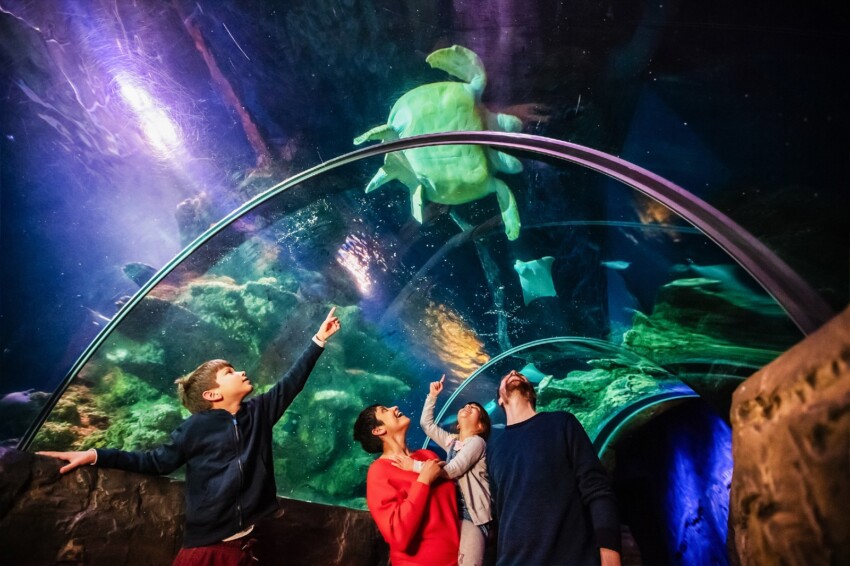
In the heart of South Bank lies London’s largest aquarium. SEA LIFE London welcomes over a million visitors annually, with 2 million litres of water housing more than 500 marine species.
The journey spans three floors through 14 themed zones, each dedicated to specific aquatic ecosystems. The Ocean Tunnel is the most thrilling moment: you’ll walk beneath a glass corridor as sharks, rays and sea turtles glide overhead. The Polar Adventure zone houses a colony of Gentoo penguins (currently undergoing habitat refurbishment), whilst Ocean Invaders guides you through the UK’s largest dedicated jellyfish experience.
Don’t miss Coral Kingdom, featuring the UK’s largest living coral reef, and Rainforest Adventure, where explorer Ben Fogle guides you through the secrets of the Amazon. For younger visitors, the Rockpool section offers interactive pools where you can touch starfish and anemones under staff supervision.
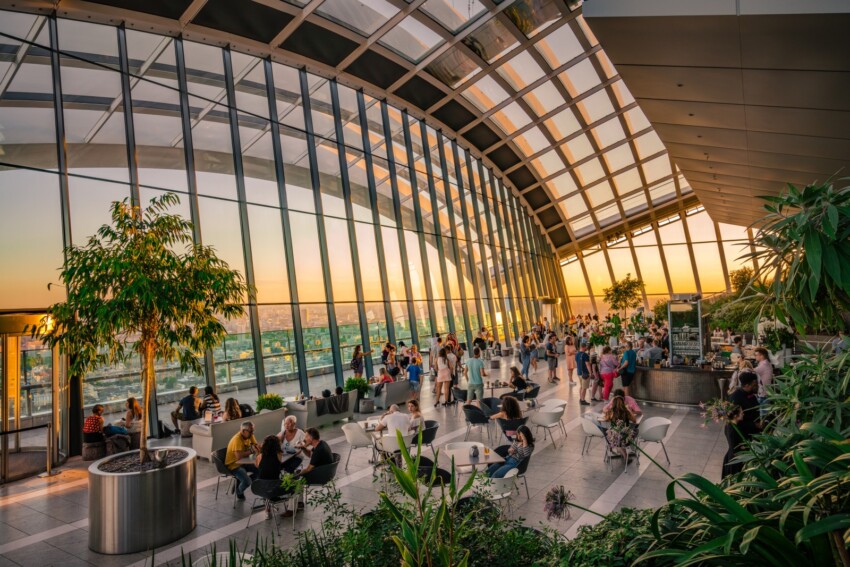
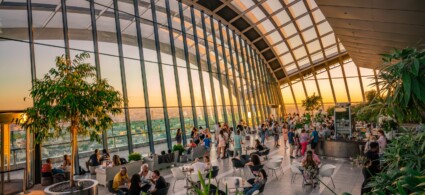
Perched atop the iconic building nicknamed the “Walkie-Talkie”, Sky Garden is home to London’s highest public garden and one of the city’s most spectacular vantage points. This three-storey glass dome houses meticulously landscaped gardens, viewing terraces and an open-air terrace, offering 360-degree views across London’s skyline.
Entry is free, but advance booking of your time slot on the official website is essential, as capacity is limited. The venue features several upscale restaurants and bars, ideal for a special dinner or sunset drinks.
The botanical gardens showcase Mediterranean and South African plant species, creating a lush urban jungle in the sky. On clear days, views extend for kilometres in every direction, affording a unique perspective on iconic landmarks such as St Paul’s Cathedral, Tower Bridge and the Houses of Parliament.
Natural History Museum
17Cromwell Rd, South Kensington, London SW7 5BD, UK
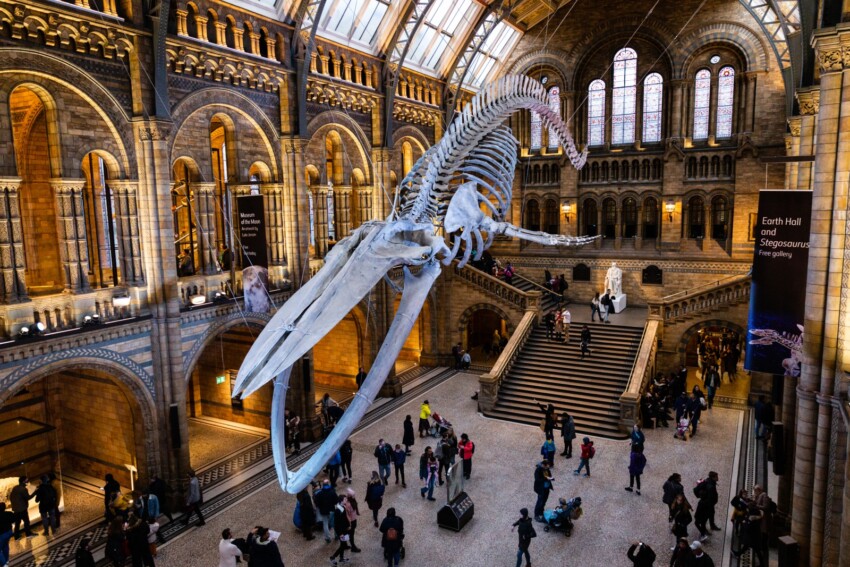
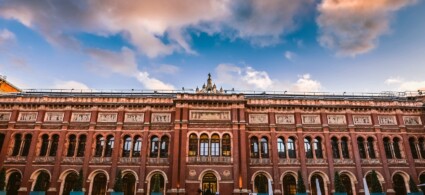
The Natural History Museum is a world-renowned scientific institution housed in an extraordinary Victorian neoclassical building.
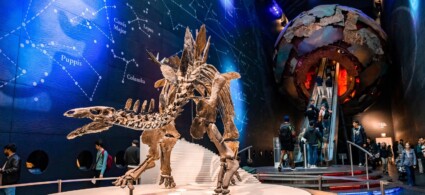
The imposing central hall greets visitors with the skeleton of a young blue whale suspended from the ceiling, an installation that replaced the famous diplodocus “Dippy” in 2017. The museum holds over 80 million specimens across five principal collections: botany, entomology, mineralogy, palaeontology and zoology.
The Dinosaurs Gallery is among the most popular attractions, featuring full-size animatronic models that move and roar, creating an immersive journey through the Mesozoic era. The Earth Hall offers a compelling exploration of geological phenomena such as earthquakes and volcanoes, complete with a seismic simulator allowing you to experience an actual earthquake.
The Mammals Gallery showcases an outstanding collection of specimens, including a life-size reconstruction of a blue whale.
Made famous by the film of the same name starring Hugh Grant and Julia Roberts, Notting Hill is one of London’s most enchanting neighbourhoods, where Victorian elegance blends with bohemian, multicultural charm.
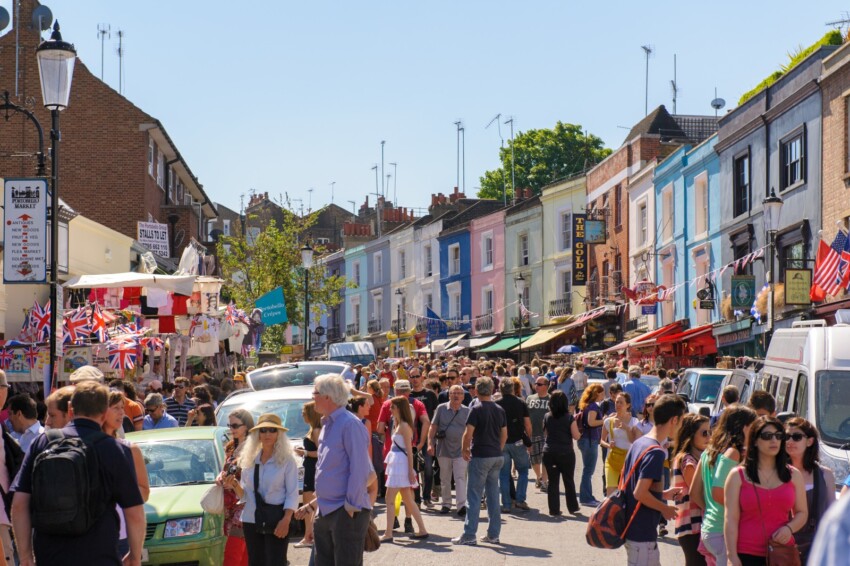
The neighbourhood’s beating heart is Portobello Road, home to the world’s largest antiques market. The market, particularly lively on Saturdays, stretches for over two kilometres, offering an eclectic mix of stalls selling vintage objects, antiques, clothing, handcrafted jewellery and international street food.
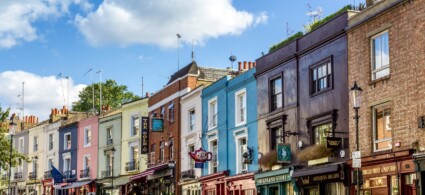
The neighbourhood’s distinctive colourful houses, with their pastel facades, create a picturesque backdrop that attracts photographers and architecture enthusiasts from around the globe. Beyond the market, the area boasts numerous independent boutiques, vintage bookshops and characterful cafés.
In August, the streets come alive with the Notting Hill Carnival, Europe’s largest street festival, celebrating Caribbean culture with music, dancing and vibrant costumes.
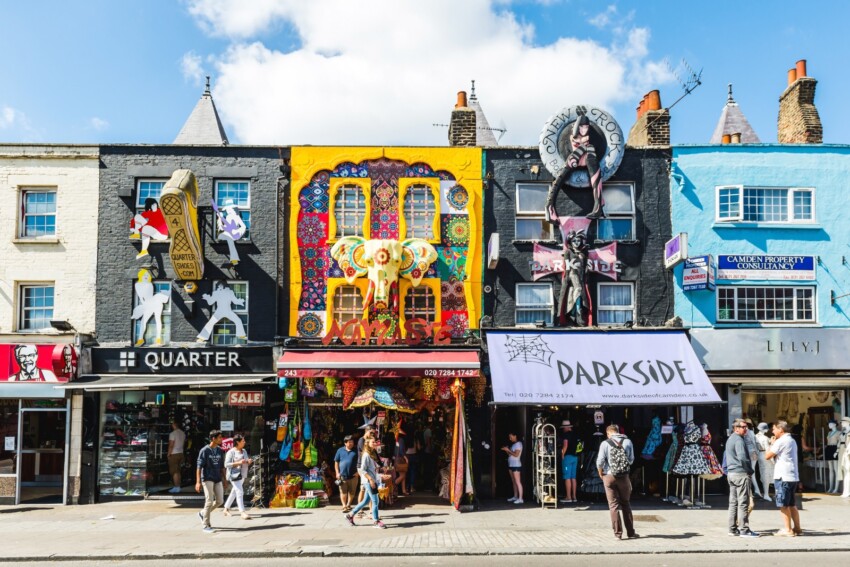
Camden Market is far more than just a market: it’s a cultural icon of London and a paradise for street food enthusiasts, alternative music lovers and unconventional shopping. Developed around Camden’s historic stables, the market comprises several distinct sections, each with its own unique character. Camden Lock Market, the historic heart of the complex, stretches along the Regent’s Canal and offers local craftsmanship, original design and artwork.
The maze-like Stables Market, situated in the former horse stables that once pulled barges along the canal, houses vintage boutiques, alternative clothing shops and curiosities from around the world. The area is famous for its numerous food and drink vendors offering cuisines from every corner of the globe, from Chinese dumplings to Indian curry, fresh pasta to gourmet burgers.
The Buck Street Market, with its structure made from recycled shipping containers, focuses on sustainability and hosts eco-friendly brands. Camden’s unique atmosphere is enriched by its music scene, with historic venues such as the Roundhouse and the Dublin Castle having hosted artists like Amy Winehouse, The Clash and Pink Floyd.
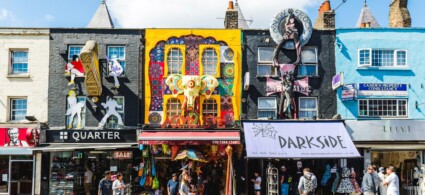
The eccentric shop fronts, decorated with enormous three-dimensional sculptures, create a surreal urban landscape that attracts photographers and artists.
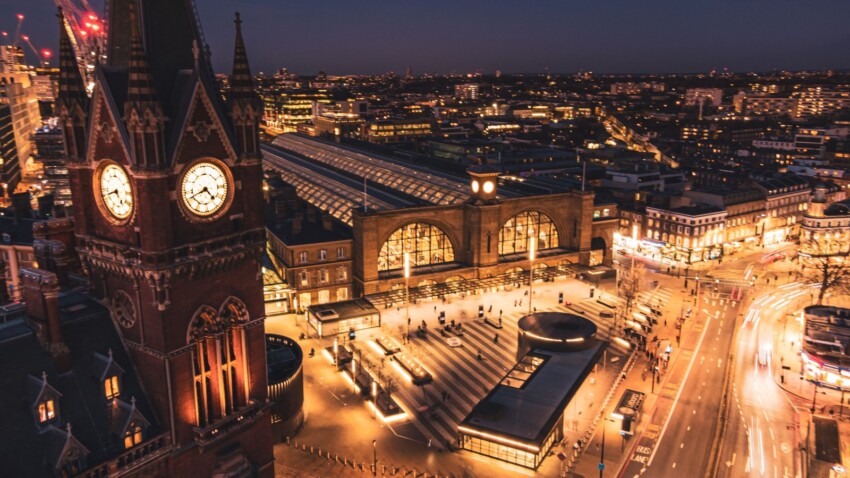
King’s Cross station and the surrounding area represent one of London’s most successful examples of urban regeneration, where Victorian industrial heritage meets contemporary architecture.
The famous Platform 9¾, immortalised in the Harry Potter books and films, has become an unmissable attraction where fans can photograph themselves with a luggage trolley that appears to “disappear” into the wall. The official Harry Potter shop next door offers exclusive merchandise and memorabilia from the saga.
The surrounding area has undergone an extraordinary transformation: former Victorian warehouses now house trendy restaurants, designer boutiques and innovative cultural spaces. The new Coal Drops Yard neighbourhood, designed by architect Thomas Heatherwick, is a brilliant example of urban regeneration that has transformed two 19th-century coal warehouses into a cutting-edge shopping and cultural hub.
The magnificent British Library nearby houses priceless treasures such as the Magna Carta, Leonardo da Vinci manuscripts and The Beatles’ original manuscripts. Granary Square, with its dancing fountains and green spaces, has become a popular meeting point, whilst the Canopy Market offers artisanal products and quality street food. The home of Central Saint Martins, one of the world’s most prestigious art schools, helps maintain the creative atmosphere of the area.
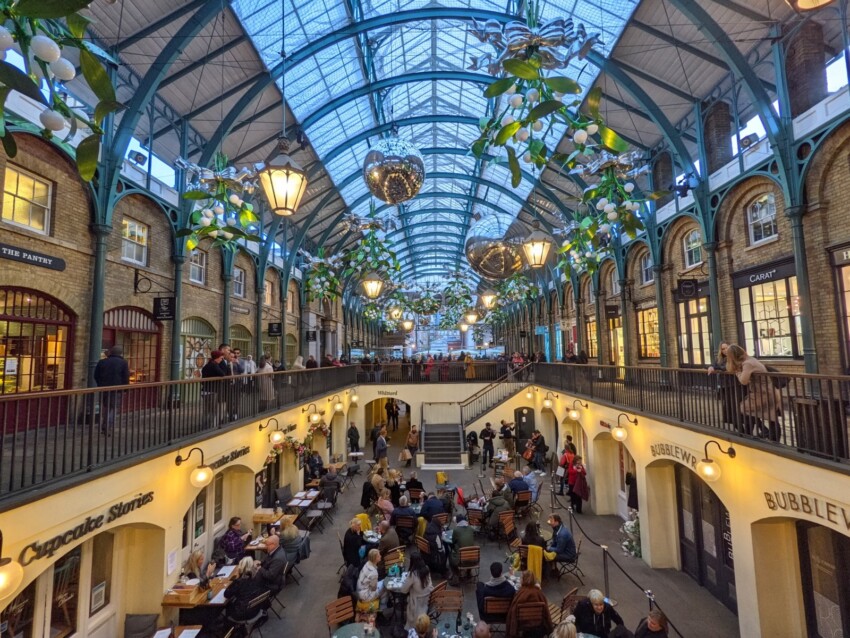
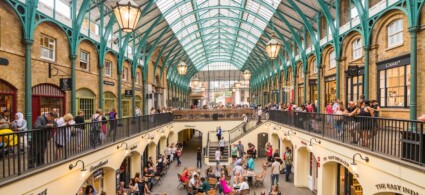
Covent Garden is one of London’s most vibrant and charming neighbourhoods, a perfect blend of history, culture, shopping and entertainment. The heart of the neighbourhood is the iconic covered market, a masterpiece of Victorian architecture built in 1830 on the ashes of a previous 17th-century fruit and vegetable market.
Today, the main building houses luxury shops, artisanal boutiques and elegant cafés, spread across three distinct markets: the Apple Market, specialising in craftsmanship and antiques, the Jubilee Market which changes theme daily, and the East Colonnade Market with its jewellery and accessory stalls. The square is famous for its street performers who perform daily, from classical musicians to acrobats and mime artists, creating a festive and engaging atmosphere.
In the surrounding streets you’ll find the Royal Opera House, one of the world’s most prestigious opera theatres, where you can attend world-class opera and ballet performances. The neighbourhood also hosts numerous West End theatres, including the Theatre Royal Drury Lane and the Lyceum Theatre. Visitors can explore Neal’s Yard, a picturesque hidden courtyard famous for its colourful buildings and organic cafés, or stroll along Seven Dials, where seven streets meet around a 17th-century central column. The area is also renowned for its gastronomic offerings, from Michelin-starred restaurants like The Ivy to food markets such as Seven Dials Market.
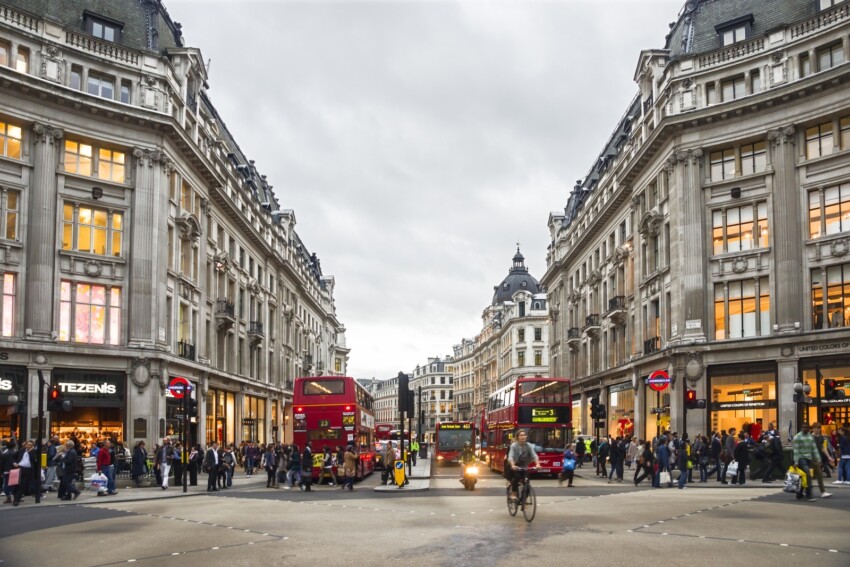
The ancient Roman road to Oxford gradually superseded Cheapside as the city’s main commercial thoroughfare in the 18th century. This was the moment when London’s wealthy began to leave the City and move to the West End.
Today, Oxford Street remains one of the world’s most crowded and famous streets. You’ll find the famous London megastores HMV and Virgin here, whilst the western side of the street is dominated by the most luxurious shop chains.
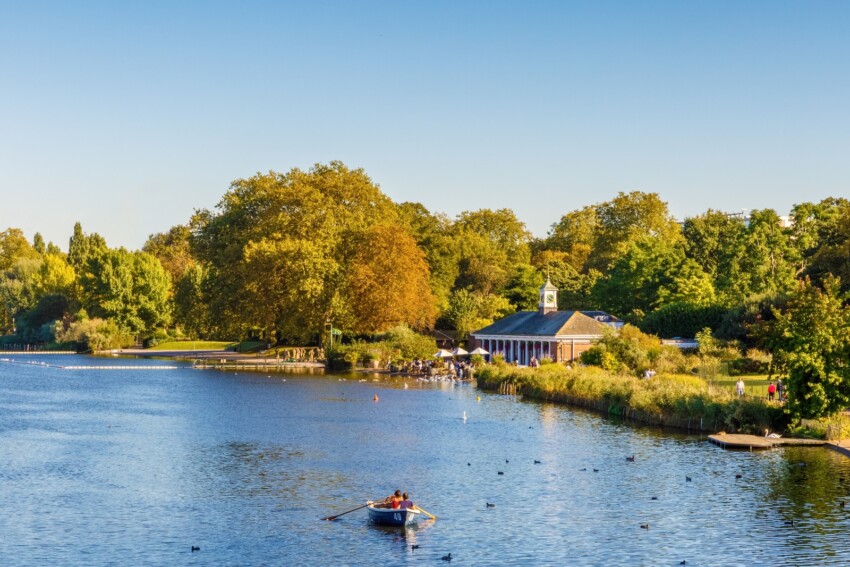
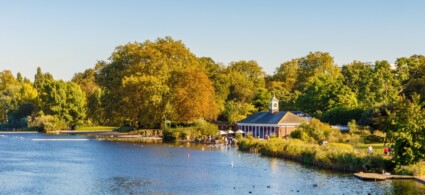
The three royal parks, St. James Park, Green Park and Hyde Park, form an unbroken green belt extending for six and a half kilometres. Hyde Park is the largest of the three and stretches over three kilometres from Speakers’ Corner in the north-east to Kensington Palace in the south-west.
In the park you can go jogging, swimming, fishing, sunbathing or boating on the Serpentine lake, horse riding or cycling and admire artworks in the Serpentine Gallery.
Hyde Park has witnessed hangings, robberies and duels, as well as the Great Exhibition of 1851. Today the park remains the location of numerous political protests and home to Speakers’ Corner, the historic soapbox platform, and the Wellington Arch, which you can climb.
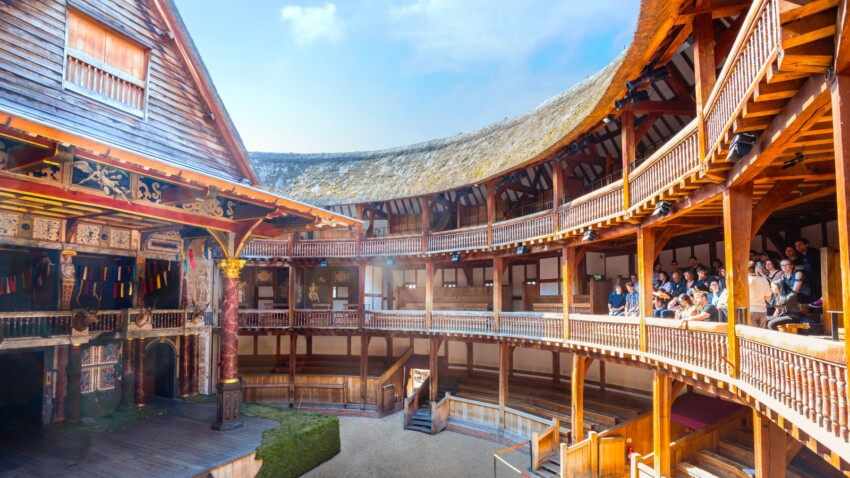
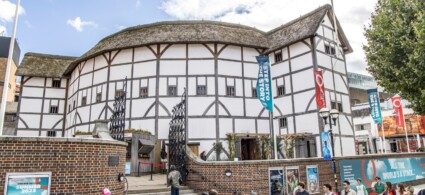
A faithful reconstruction of the original 1599 theatre, the Shakespeare’s Globe Theatre offers a unique theatrical experience that transports visitors back to Elizabethan England. Located on the South Bank of the Thames, the theatre was rebuilt in the 1990s using period construction techniques: oak timber frame, thatched roof and central open-air space.
The circular layout of the theatre, with three tiers of wooden galleries and standing room in front of the stage (the “yard”), faithfully recreates the atmosphere of the original theatre. During the theatrical season (April to October) you can watch performances of Shakespeare’s plays in an authentic atmosphere, with actors in period costumes and live music performed on historical instruments.
The standing places in the “yard” offer the most authentic experience, allowing the audience to interact with the actors just as spectators did in Shakespeare’s day.
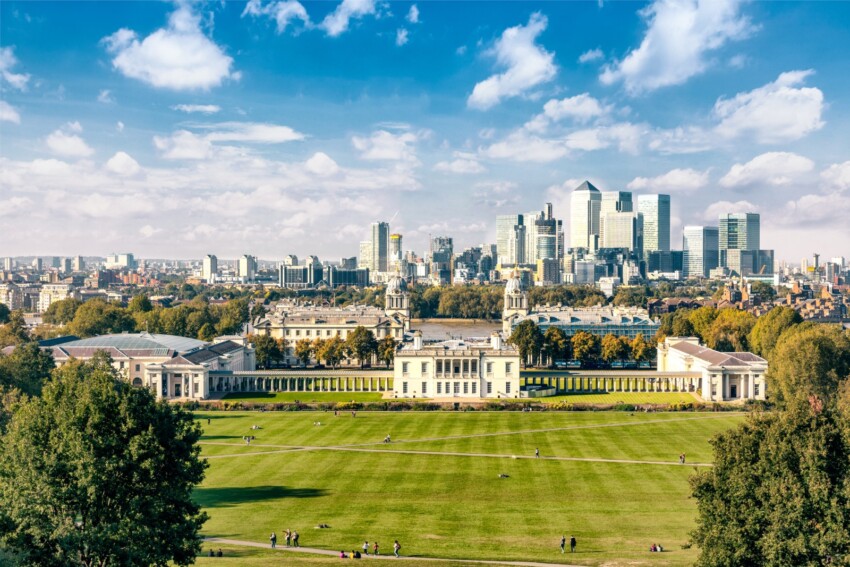
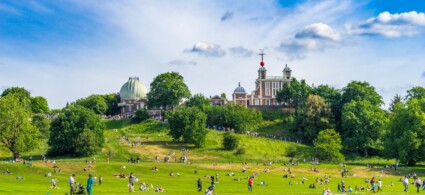
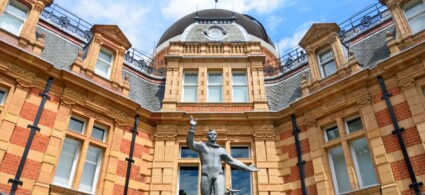
Sitting atop a hill in Greenwich Park, the Royal Observatory Greenwich is a fundamental landmark in the history of navigation and worldwide astronomy. The famous Prime Meridian passes through here, the imaginary line that divides the world into East and West, where visitors can literally stand astride two hemispheres.
Founded in 1675 to improve maritime navigation through astronomy, the observatory houses a rich collection of historic astronomical instruments, including the celebrated Harrison Clock that solved the longitude problem for maritime navigation. The Peter Harrison Planetarium offers immersive shows about the cosmos and the latest astronomical discoveries, whilst the Astronomy Centre allows visitors to observe the sky through the large Victorian telescope.
From the park you’ll enjoy a spectacular view of the Canary Wharf skyline and the Thames, with the Queen’s House and the National Maritime Museum completing the museum complex.
To round off your Greenwich visit we also recommend a trip to the Greenwich Market and the magnificent Cutty Sark, a sailing ship that navigated the tea and wool trade routes to the East Indies.
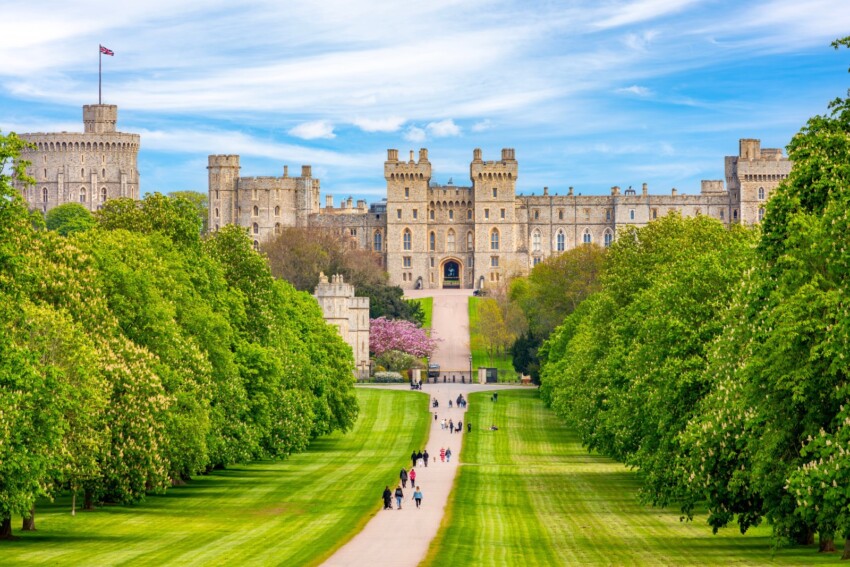
A visit to Windsor Castle, built by William the Conqueror and beloved by Queen Elizabeth II, is one of the most popular excursions for those visiting London.
It is the largest inhabited castle in the world and boasts over 900 years of history. Located in the charming town of Windsor in Berkshire, this majestic complex dominates the local skyline from its elevated position on the Thames.
The castle houses lavish State Apartments, decorated with masterpieces from the Royal Collection, and the splendid St George’s Chapel, a masterpiece of English Gothic architecture where numerous British monarchs are laid to rest. Among the most distinctive attractions is the Queen Mary’s Dolls’ House, an extraordinary miniature dollhouse from 1924.
Visitors can witness the Changing of the Guard ceremony, explore the Semi-State Rooms (open October to March) and, when available, climb the Round Tower for panoramic views. The complex also includes beautiful gardens and the Moat Garden, a hidden green space rarely open to the public.
The castle remains a working royal palace where state ceremonies and official events are regularly held.

 Hotel
Hotel  Budget accommodations
  Apartments
  Family Hotel
  Luxury Hotel