STG Hotel Oxford Street
London - Bedford Avenue
Book now
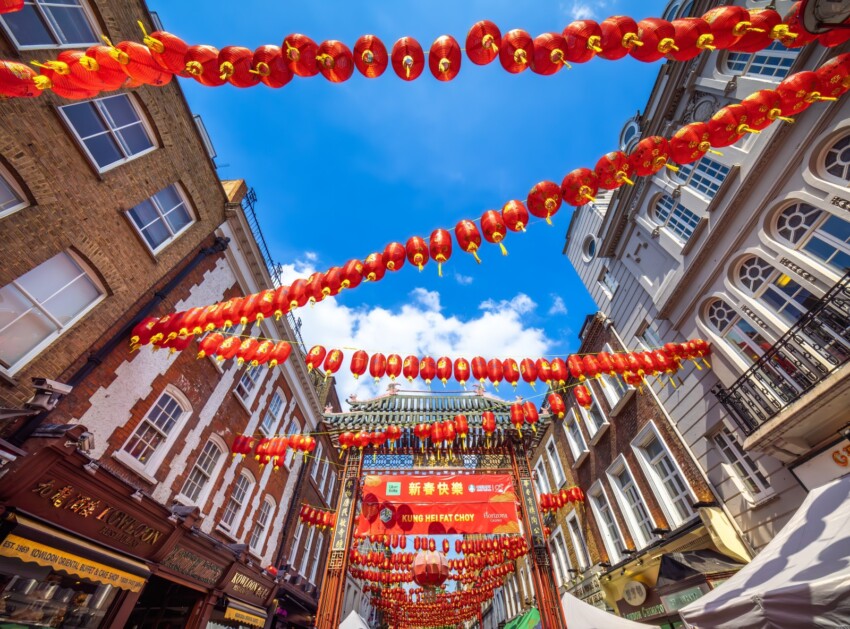
In the vibrant heart of London’s West End, between the glittering lights of Soho and the theatres of the city centre, lies a colourful enclave where the traditions of the Far East blend seamlessly with the energy of the British capital. Chinatown is far more than a simple ethnic neighbourhood: it represents one of Europe’s most thriving centres of Chinese culture, a place where the aroma of roasted duck fills the air and red lanterns create a uniquely atmospheric setting.
This small corner of London, concentrated mainly around Gerrard Street, is home to over 80 restaurants, Asian supermarkets, bakeries and traditional shops spread across 11 pedestrian streets. Elaborate decorations, monumental gates in the style of the Qing dynasty and stone lions give the neighbourhood a distinctive identity that sets it apart from the rest of the city.
Since its renaissance in the 1970s, Chinatown has evolved whilst maintaining its cultural roots intact. Today the neighbourhood attracts not only London’s Chinese community, but also visitors from around the world and Londoners in search of authentic food. Its strategic location, just a stone’s throw from Covent Garden, Soho and Leicester Square, makes it an unmissable stop for anyone visiting London.
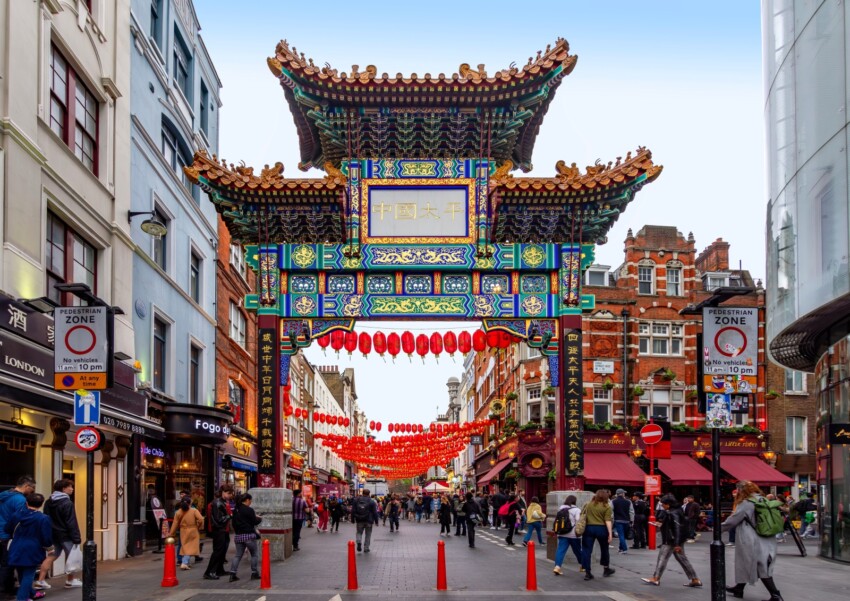
Gerrard Street is the main artery of Chinatown, a completely pedestrian street where the essence of the neighbourhood is concentrated. Here, bilingual signs in English and Chinese alternate with suspended red lanterns that create a colourful canopy overhead, particularly striking when they illuminate at dusk.
The street hosts an impressive concentration of restaurants offering specialities from different regions of China: from Cantonese cuisine with its roasted meats, to the spicy dishes of Sichuan, and the delicate dim sum served in the more traditional establishments. Alongside the restaurants are Asian supermarkets such as the celebrated Loon Fung Supermarket, open for over fifty years, where you can purchase ingredients impossible to find elsewhere.
At the entrance to Gerrard Street, both from Wardour Street and Macclesfield Street, stand the majestic stone lions (shishi), traditional symbols of protection in Chinese culture. These statues are among the most photographed elements of the neighbourhood and embody the deep connection with Oriental traditions.
One of Chinatown’s most spectacular features is the monumental gate located on Wardour Street, inaugurated in 2016 on the occasion of the Year of Cultural Exchange between the United Kingdom and China. This imposing structure was designed in the traditional style of the Qing dynasty and built entirely in Beijing by specialist master craftsmen.
The project required complex collaboration between Chinese experts and British engineers to ensure the structure respected both Feng Shui principles and local building regulations. The foundations were laid on 9 July 2015, and the gate is today one of London’s most photographed monuments, representing a symbolic bridge between Oriental and Western culture.
The colourful decorative details, carved dragons and Chinese characters that adorn the gate tell ancient stories and convey a sense of authenticity that goes beyond mere aesthetic function. This paifang complements the three original arches installed in 1986, creating a visual pathway that guides visitors through the neighbourhood.
Beyond the celebrated Gerrard Street, Chinatown develops through a network of charming side streets worthy of exploration. Newport Court, running parallel to Gerrard Street, concentrates numerous establishments specialising in Asian desserts and bubble tea, becoming particularly lively in the afternoon.
Lisle Street, which connects Chinatown to Leicester Square, hosts further restaurants and shops, maintaining a slightly less touristy atmosphere. Here you’ll find venues frequented more by members of the Chinese community, offering more authentic dishes and generally more accessible prices.
Dansey Place, a narrow alleyway cutting through the heart of the neighbourhood, conceals small artisan shops and noodle production workshops. The confined atmosphere and the aroma of fresh pasta create a sensory experience that transports you to the streets of Hong Kong or Canton.
Walking through Chinatown means immersing yourself in a visually rich environment, where every detail tells a story. The red lanterns that cross the streets represent the most iconic decorative element, creating a warm and welcoming atmosphere especially in the evenings when they light up.
On Dansey Place, a small alleyway off Gerrard Street, you’ll find a little-known but highly Instagram-worthy mural: a giant fortune cat (maneki-neko) which, according to tradition, brings good luck to those who photograph it. The mural represents one of many hidden corners that reward those who explore the neighbourhood with care.
The Mural 1888, unveiled in 2008, is a unique artwork: an 8×5 metre composition made from 1,888 photographs of everyday life in Chinatown which, viewed from a distance, compose the image of a large steaming bowl of rice. The work celebrates the bustle and energy of the neighbourhood.
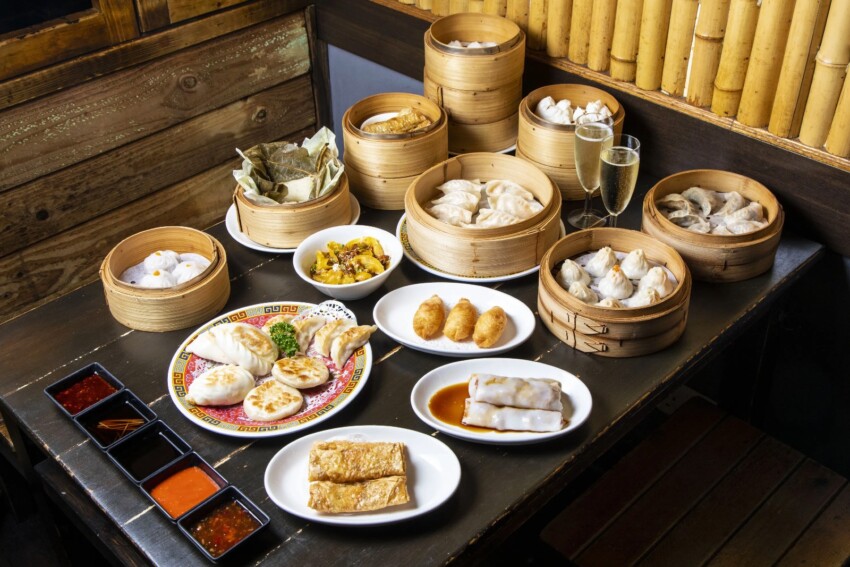
The true soul of Chinatown is discovered through its extraordinary gastronomic offering. The neighbourhood is home to over 80 restaurants representing not only different regions of China, but also other East Asian cuisines, from Korean barbecue to Vietnamese pho, from Japanese sushi to Taiwanese food.
With three locations in Chinatown, the Four Seasons at number 12 Gerrard Street has been an institution since 1990. Specialising in Cantonese roasted meats, the restaurant is celebrated for its roasted duck, described by the Financial Times as “the best in the world”. The ducks come from the prestigious Silver Hill Farm in Ireland, where they are raised outdoors and fed on grains. The skin is incredibly crispy whilst the meat remains tender and succulent, thanks to a secret blend of spices passed down over the years.
This minimalist venue on Macclesfield Street produces approximately 8,000 steamed dumplings daily, including the famous xiaolongbao filled with broth. The preparation happens in full view, allowing customers to admire the skill of chefs who precisely fold each individual dumpling. The variety ranges from classic pork-filled versions to more elaborate creations with crab and vegetables.
Located on Wardour Street, this dai pai dong (traditional Hong Kong café) serves authentic dishes prepared according to classic recipes. The brisket curry on rice and smoked Singapore noodles are absolute must-tries, whilst steamed lobster with rice wine sauce represents a more refined choice. The atmosphere recalls Hong Kong street cafés, with quick and informal service.
For those who love the bold flavours of Sichuan cuisine, Jinli on Newport Place is the ideal destination. Their dry pot, a stir-fried dish with meat, fish or vegetables submerged under a mountain of chilli and Sichuan pepper, offers an intense sensory experience. The “ma la” seasoning creates that characteristic numbing-spicy sensation typical of the region.
Hidden away from the main streets, this family-run restaurant serves dim sum all day, not just at lunch like most venues. The taro croquettes and crab dumplings with broth represent two specialities that demonstrate an attention to fresh ingredients and traditional preparation, with some Thai and Malay influences.
Whilst Chinese restaurants dominate the gastronomic landscape, Chinatown has progressively broadened its offering to include other East Asian cuisines. This evolution reflects the growing diversity of London’s Asian community and visitors’ interest in varied flavours.
Korean restaurants offer interactive barbecues where diners cook meat directly at the table, alongside dishes such as bibimbap and kimchi. Vietnamese establishments serve steaming pho and crispy banh mi, whilst Japanese venues offer sushi, ramen and yakitori prepared according to tradition.
Taiwanese cuisine has also found a home, with specialities such as bubble tea (which originated in Taiwan in the 1980s) and Taiwanese fried chicken that has won over London palates. Malaysian and Singaporean influences add further complexity to the culinary landscape, with dishes such as laksa, satay and nasi lemak.
The Chinatown experience extends beyond restaurants. The neighbourhood’s Asian supermarkets offer an authentic immersion in Oriental culinary culture, with products often impossible to find in regular British supermarkets.
The Loon Fung Supermarket at 42-44 Gerrard Street, open for over fifty years, is the most celebrated. The shelves overflow with varieties of noodles, exotic sauces, mushrooms of every kind and fresh vegetables such as pak choi and choy sum. The section dedicated to Taiwanese snacks and Chinese desserts merits a thorough visit.
The SeeWoo Supermarket on Lisle Street stands out for its counters of fresh vegetables, with enoki mushrooms, bamboo shoots and dozens of varieties of Chinese cabbage. The frozen section offers dumplings and steamed buns ready to prepare at home.
Don’t miss Lucky Food at number 14 Gerrard Street, specialising in chocolate pretzels with hundreds of variants, and Lo’s Noodle Factory on Dansey Place, a tiny venue that produces fresh artisan noodles visible through the window.
The neighbourhood offers different experiences depending on when you visit. During the week, especially on weekday mornings, Chinatown maintains a more authentic and peaceful atmosphere, with shops opening mainly to serve members of the Chinese community. It’s the ideal time to explore the supermarkets and discover exotic ingredients without tourist crowds.
Weekend evenings completely transform the neighbourhood: the pedestrian streets fill with Londoners and tourists, restaurants often have queues at their entrances and the atmosphere becomes lively and festive. The illuminated lanterns create a magical setting, perfect for dinner or simply strolling and observing neighbourhood life.
The Christmas period and Chinese New Year represent the busiest times. During the Western festive season, Chinatown becomes one of the few areas of London where many restaurants remain open, attracting those seeking alternatives to the traditional British Christmas lunch.
The most spectacular event of the year in Chinatown is undoubtedly the celebration of Chinese New Year, considered the largest celebration of its kind outside Asia.
On the Saturday preceding the parade, from 11:00 to 17:00, the neighbourhood comes alive with lion dances that traverse the main streets. The colourful lions, operated by skilled dancers, visit every shop and restaurant bringing good fortune and blessings for the new year. Tradition has it that they toss lettuce leaves on the threshold of every business.
On Sunday, the grand parade takes place, departing from Trafalgar Square at 10:00 and travelling along Charing Cross Road and Shaftesbury Avenue before concluding in Chinatown around 11:45. The procession features over 30 groups of performers, including Europe’s largest assembly of Chinese dragons and lions, colourful floats, traditional music and martial arts displays.
At Trafalgar Square the eye-opening ceremony of the lions is held, a ritual that symbolically “awakens” the spirits of the lions to bless the community. Throughout the afternoon, until 18:00, the main stage hosts cultural performances, whilst Leicester Square hosts family workshops and educational activities.
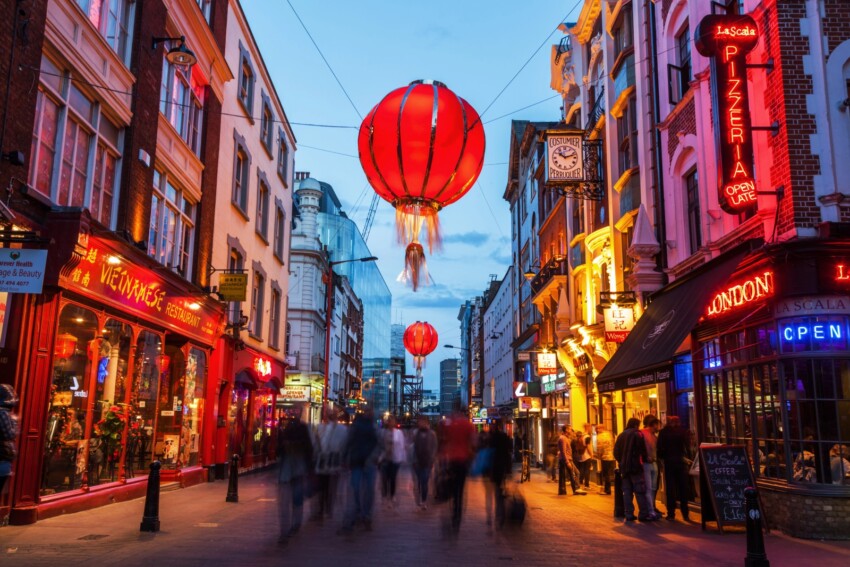
The district offers different atmospheres depending on the time of day. Weekday mornings are ideal for a more authentic and peaceful experience, whilst weekend evenings offer a vibrant and festive atmosphere with illuminated lanterns. To avoid crowds whilst still enjoying the evening atmosphere, consider a late afternoon visit on a weekday.
Prices vary considerably. The more touristy establishments on Gerrard Street tend to be slightly pricier, whilst side streets like Lisle Street offer more budget-friendly options. Generally, you can enjoy a good meal spending between £10-20 per person for a full meal. Dim sum at lunchtime often represents the most economical option.
Most traditional restaurants do not accept reservations and operate on a first-come, first-served basis. Some modern or upmarket venues allow bookings, but in general it’s advisable to turn up in person and be prepared to wait during busy periods, especially at weekends.
In more authentic establishments, it’s common to share a table with other diners if the restaurant is full. Service tends to be quick and direct, less formal than in Western restaurants. It’s normal to order several dishes to share.
Most restaurants generally offer bilingual menus in English and Chinese, but in more authentic venues you may find dishes described only in Chinese. Don’t hesitate to ask staff for explanations or observe what neighbouring tables are ordering to get an idea of the restaurant’s specialities.
Absolutely. The district is very family-friendly, with numerous restaurants that warmly welcome families. Many venues offer high chairs and children’s menus. During Chinese New Year, special activities are organised for children, including mask-making workshops, origami and calligraphy classes.
Yes, Chinatown is a very safe district even in the evening hours, thanks to the constant presence of people and good lighting. The area is well-policed and regularly patrolled. As in any tourist area of a major city, it’s still advisable to take normal precautions, avoiding displaying valuable items.
The history of London’s Chinese community dates back to the 18th century, when the first Chinese sailors employed by the East India Company began settling in Limehouse, a dock district in the East End. By the late 19th century, this area was home to a small but established community running shops, restaurants and commercial enterprises primarily serving sailors.
In 1914, the Limehouse area counted around thirty Chinese commercial businesses. However, the bombing raids of the Second World War completely destroyed the district, scattering the community and forcing survivors to seek new opportunities elsewhere in the city. The post-war period brought further hardships: finding work in the merchant navy became nearly impossible for foreigners, and many Chinese people found themselves in conditions of extreme precarity.
Revival came in the 1950s, when some enterprising individuals opened the first Chinese restaurants along Gerrard Street, in the heart of Soho. The street already had an excellent gastronomic reputation and this choice proved far-sighted: British servicemen returning from Asian theatres were seeking the flavours they had discovered in the East, and Chinese restaurants began to flourish.
During the 1960s and 1970s, immigration from Hong Kong and mainland China increased substantially, bringing new entrepreneurs and workers. The district expanded rapidly and in 1985 the first paifang (traditional Chinese archways) were installed, officially marking the birth of modern Chinatown. Urban furnishings with red lanterns, bilingual signage and traditional decorations permanently transformed the area into a cultural landmark.
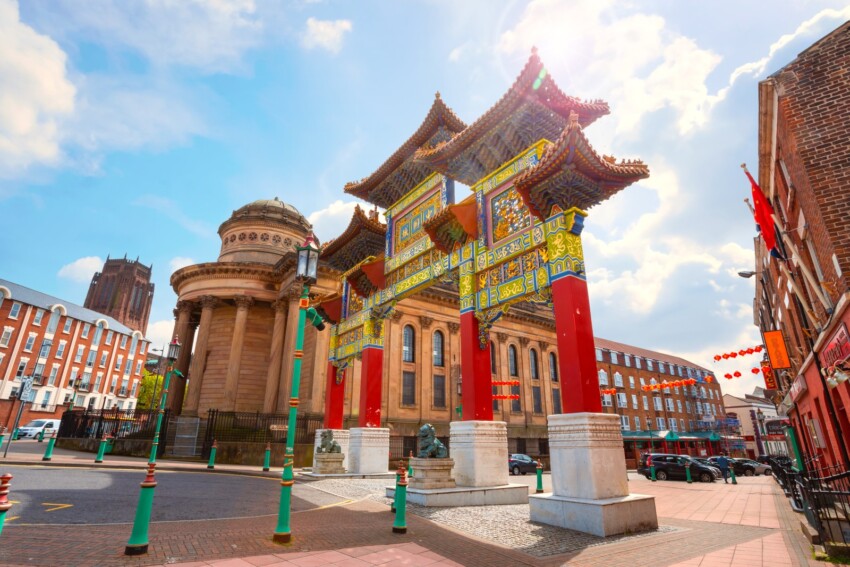
Reaching Chinatown is extremely straightforward thanks to its central location and excellent connections with London Underground. The district is located in Westminster, bounded to the north by Shaftesbury Avenue, to the west by Rupert Street, to the east by Charing Cross Road and to the south by Leicester Square.
The two nearest Underground stations are Leicester Square, served by the Northern Line (black) and Piccadilly Line (dark blue), and Piccadilly Circus, served by the Bakerloo Line (brown) and Piccadilly Line. From both stations, you can reach the main entrance to Chinatown on Wardour Street in just 2-3 minutes on foot.
Buses are also an excellent alternative, with cheaper fares than the tube. The most convenient stop is Dean Street Chinatown on Shaftesbury Avenue, served by routes 14, N19 and N38 (the latter two run at night). Nearby you’ll also find Gerrard Place/Chinatown stop, served by route 24.
If you’re using an Oyster Card or contactless payment, note that Chinatown is in Zone 1. Vehicle access is limited to main roads, whilst much of the district is pedestrianised, making it pleasant to explore on foot.
To see all the facilities and book accommodation in Chinatown use the form below, entering the dates of your stay.
City Card allow you to save on public transport and / or on the entrances to the main tourist attractions.
 Hotel
Hotel  Budget accommodations
  Apartments
  Family Hotel
  Luxury Hotel