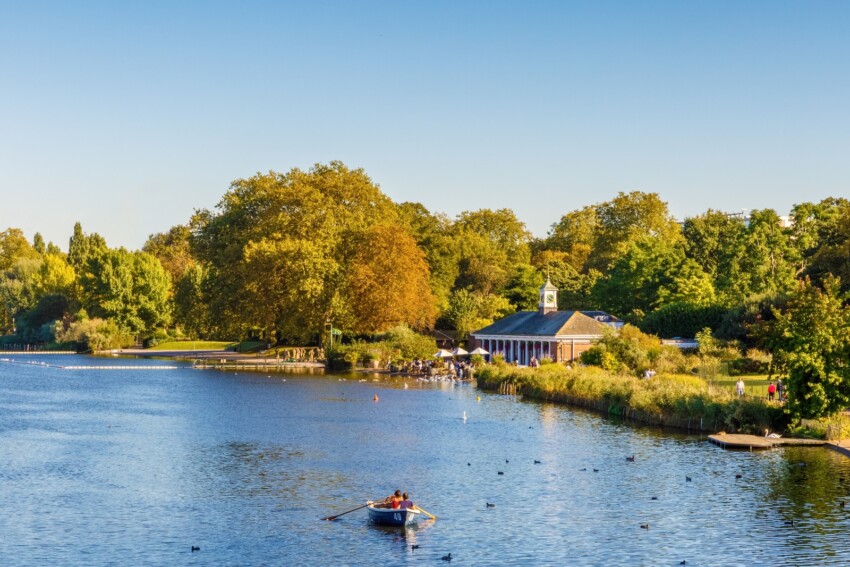
At the heart of London, Hyde Park stands as one of the most extensive and visited green spaces in the British capital, sprawling across 142 hectares between Westminster and Kensington. Opened to the public in 1637 by order of King Charles I, this extraordinary urban park welcomes over 6 million visitors each year, providing a haven of tranquillity just moments from the city’s main thoroughfares.
Traversed by the Serpentine, the artificial lake that defines its character, Hyde Park stands out for its wealth of historical, cultural and recreational attractions. From the famous Speakers’ Corner, where since 1872 anyone has been free to express their opinions, to the magnificent Albert Memorial, the park remains an essential landmark for Londoners and visitors alike.
Its strategic location makes it easily accessible from various parts of the city: it lies just 2 kilometres from the Palace of Westminster, 1.5 kilometres from Buckingham Palace and borders directly with Kensington Gardens.
The Serpentine is the artificial lake that stretches across Hyde Park from east to west for 1.1 kilometres, separating the park from Kensington Gardens. Created in 1730 through the diversion of the River Westbourne, the lake takes its name from the sinuous shape that resembles a serpent.
During the summer months, the Serpentine Lido, open since 1930, allows swimming in the lake’s waters within a designated area equipped with changing facilities and amenities. The lido operates daily from June to September, with entry at approximately £6. For the more adventurous, the traditional Peter Pan Cup, a 100-metre swimming race held every Christmas since 1864, offers a unique experience.
The banks of the Serpentine host the Diana, Princess of Wales Memorial Fountain, a ring-shaped sculpture unveiled in 2004 that allows visitors to paddle through the water during summer. Pedaloes and rowing boats are available for hire from the Serpentine Boathouse between March and October, with rates starting from £15 per hour.
Located in the north-eastern corner of the park near Marble Arch, Speakers’ Corner has represented the symbol of British freedom of expression since 1872. Every Sunday morning, speakers from all walks of life mount improvised platforms to debate political, religious, philosophical matters or simply to entertain the crowds.
The tradition dates back to the 19th century, when this area was used for public executions at the Tyburn Tree, where the condemned could speak their final words. Karl Marx, George Orwell and even Vladimir Lenin have spoken at this historic location, making it a beacon for progressive thought and public debate.
Today, anyone can take the floor without special permission, provided they do not incite violence or break British law. The atmosphere is particularly lively on Sundays between 12:00 and 16:00, when dozens of speakers animate discussions ranging from philosophy to international politics, often with distinctly British humour.
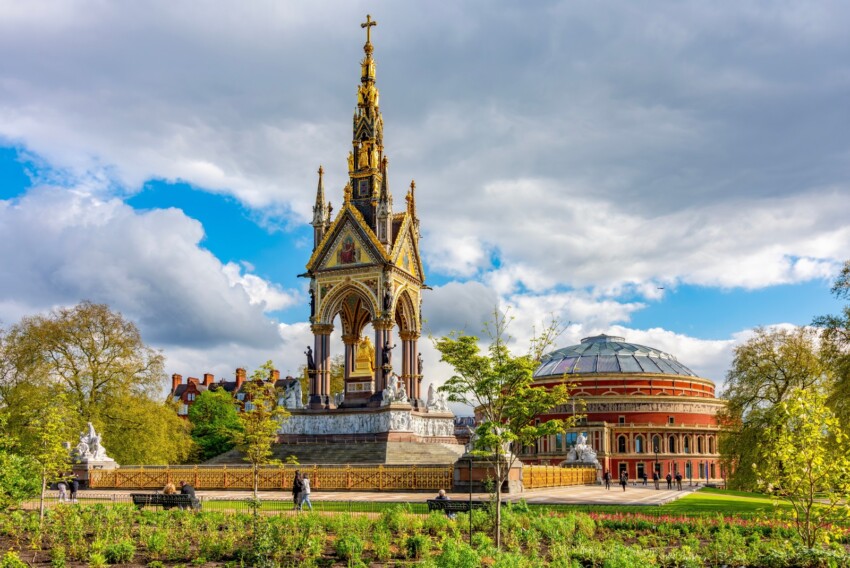
The Albert Memorial, unveiled in 1872, is one of London’s most elaborate Victorian monuments, erected in memory of Prince Consort Albert of Saxe-Coburg and Gotha, husband of Queen Victoria. This Neo-Gothic masterpiece, designed by George Gilbert Scott, stands 54 metres high in Kensington Gardens, directly opposite the Royal Albert Hall.
The structure is dominated by a gilded statue of Albert, 4.3 metres tall, seated beneath an ornate canopy decorated with mosaics, enamels and precious stones. At the four corners of the monument, sculptural groups represent the continents of Europe, Asia, Africa and America, whilst 169 marble figures depict artists, composers, poets and architects of the past.
The monument cost £120,000 of the time (equivalent to approximately £15 million today) and took over a decade to complete. In 1990, a ten-year restoration began, costing £11 million and restoring the gilding and Venetian mosaics to their former glory. The memorial is free to visit, though guided tours are available on summer weekends for £9.
The Rotten Row is the celebrated bridle path that runs through Hyde Park from east to west for approximately 1.6 kilometres, representing one of the world’s most famous riding routes. Established in 1690 by order of William III as a safe passage between his Kensington Palace and St James’s Palace, it was the first artificially lit roadway in Britain, with 300 oil lamps.
The name likely derives from “Route du Roi” (the King’s Way in French), later anglicised to “Rotten Row”. During the Victorian era, this avenue became the preferred haunt of London’s high society for riding, where the aristocracy would parade in elegant carriages and refined attire. Charles Dickens depicted these fashionable scenes in meticulous detail in his novels.
Today, Rotten Row retains its original function: anyone may ride along this historic path by booking with the authorised stables at Hyde Park Stables, located near Lancaster Gate. Guided rides cost from £85 for an hour and are available for both experienced riders and beginners. The avenue is particularly evocative in the early morning hours, when London fog envelops the riders, creating an atmosphere from another era.
Hyde Park Corner is one of London’s most important traffic junctions, located at the south-eastern end of the park. This monumental intersection houses three significant memorials dedicated to British war dead from modern conflicts.
The Wellington Arch, completed in 1826 and relocated to its current position in 1883, is crowned by the sculptural group “Quadriga” depicting the Angel of Peace guiding a chariot drawn by four horses. The arch, accessible to the public for £6.50, offers panoramic views from its terraces over Hyde Park, Green Park and the Palace of Westminster.
Adjacent stands the Royal Artillery Memorial, erected in 1925 in memory of artillerymen who fell in the First World War, considered one of London’s most moving commemorative monuments for its stark realism. Completing the memorial complex is the Australian War Memorial, unveiled in 2003 to commemorate the 102,000 Australians who died in both world wars.
The Serpentine Galleries are two contemporary art exhibition spaces among the most respected internationally, situated within the park. The main Serpentine Gallery, housed in a former tea lodge from 1934, and the Serpentine Sackler Gallery, located in a former gunpowder store from 1805, present free temporary exhibitions by international contemporary artists.
Since 2000, the galleries have hosted the celebrated Serpentine Pavilion each summer, a temporary architectural structure designed by world-renowned architects who have never built permanent structures in the United Kingdom. Zaha Hadid, Frank Gehry, Jean Nouvel and other architectural masters have left their mark with these ephemeral pavilions, which remain free to visit from June to October.
The galleries are open Tuesday to Sunday, 10:00-18:00 (free admission) and also host evening events, lectures and artistic performances. The Serpentine Galleries magazine shop is renowned for its selection of art books and specialised publications that are hard to find elsewhere.
Hyde Park is renowned for hosting some of the most important musical events in the United Kingdom.
The British Summer Time Festival, held annually in July, has seen performances by musical legends including Paul McCartney, The Rolling Stones, Adele, Bruce Springsteen and Stevie Wonder. The concert arena can accommodate up to 65,000 spectators and tickets, available from January, range from £75 to £150 depending on the artist.
Throughout the summer, the park hosts free concerts organised by the Royal Parks Foundation, featuring orchestras, local bands and emerging artists. The traditional Household Division Beating Retreat concert, a military parade with fanfares held in June, represents a unique display of precision and British tradition.
In winter, from November to January, Winter Wonderland transforms the park into a large temporary amusement park complete with an ice skating rink, Christmas markets, funfairs and circus performances that attract over 2.5 million visitors annually. Entry to the area is free, whilst individual attractions are charged separately.
Political demonstrations and public celebrations regularly take place in the park: Pride in London, which concludes each June with a festival in the Hyde Park Corner area, attracts over a million participants, whilst celebrations for Guy Fawkes Night on 5 November feature spectacular fireworks.
Hyde Park is served by five Underground stations along its perimeter, making it one of London’s most accessible parks. The Hyde Park Corner station (Piccadilly Line) is located at the south-eastern corner, just moments from the main entrance and Wellington Arch. Marble Arch (Central Line) serves the north-eastern corner, ideal for accessing Speakers’ Corner.
On the western side, Lancaster Gate (Central Line) offers the most direct access to the Serpentine and Kensington Gardens, whilst Knightsbridge (Piccadilly Line) is a 5-minute walk from the south-western corner. Finally, Queensway (Central and Circle Lines) serves the north-western side of the park, near the Italian Gardens.
Journey times from any of London’s central stations average 10-15 minutes: from King’s Cross it takes 12 minutes, from Victoria 8 minutes, whilst from London Bridge approximately 18 minutes. An Oyster Card or contactless card allows economical travel, with fares ranging from £2.50 to £3.40 per single journey in central zones.
Numerous bus routes serve Hyde Park along its entire perimeter. Routes 2, 10, 16, 36, 73, 82, 137, 148, 414 and 436 stop at Marble Arch, whilst routes 9, 10, 14, 19, 22, 52 and 74 serve Hyde Park Corner. On the western side, routes 70, 94 and 148 stop along Bayswater Road, near Lancaster Gate.
Night buses N2, N16, N74 and N137 operate 24 hours, ensuring access to the park even during late hours. The advantage of buses over the Underground is the opportunity to enjoy the city’s scenery during the journey: route 9 in particular passes through some of London’s most elegant areas, from Piccadilly to Kensington.
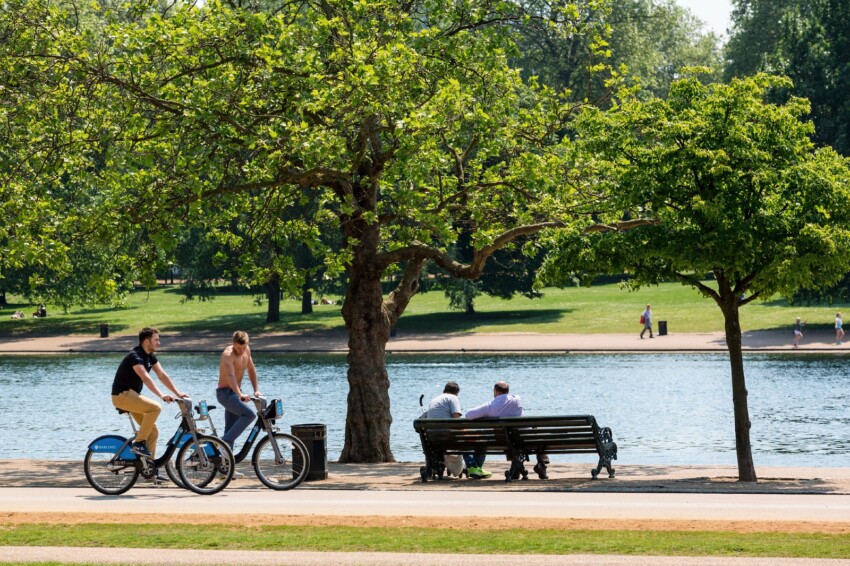
Hyde Park is perfectly integrated into London’s cycling network, with protected cycle paths crossing the park from north to south and east to west. The Santander Cycles bike-sharing system has 15 docking stations within and immediately around the park, with over 300 bicycles available.
City Card allow you to save on public transport and / or on the entrances to the main tourist attractions.
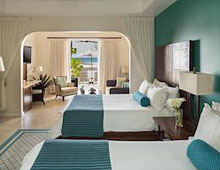 Hotel
Hotel 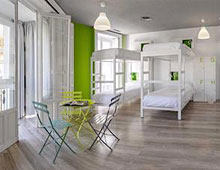 Budget accommodations
 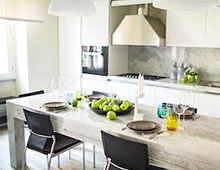 Apartments
  Family Hotel
 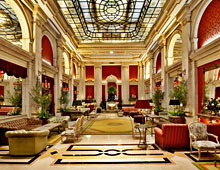 Luxury Hotel