The South Bank, though never formally defined as such, refers to the riverside area south of the Thames that stretches from Westminster Bridge to Blackfriars Bridge, although many tend to extend this designation all the way to Tower Bridge.
This stretch along the river offers some of the most spectacular views across the city, with a skyline featuring iconic buildings such as the Palace of Westminster, St. Paul’s Cathedral and The Shard.
Originally an industrial and commercial area, South Bank underwent a profound transformation following the Second World War, emerging as a cultural hub of international significance. Today, this vibrant section of the Thames is home to some of London’s most prestigious cultural institutions, an impressive variety of restaurants and cafés, and a year-round calendar of events that ensures there’s always something happening.
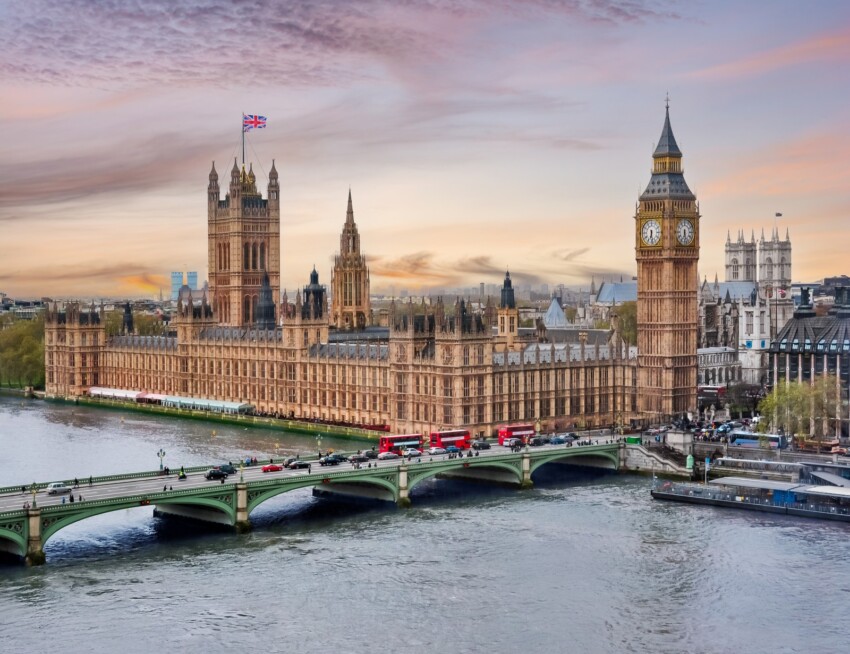
Westminster Bridge is an iconic road and pedestrian bridge that spans the Thames, connecting Westminster on the north bank to Lambeth on the south bank. Painted green in tribute to the House of Commons benches, it offers some of the most photographed views in London, with the Big Ben and the Palace of Westminster on one side and the London Eye on the other.
Completed in 1862, this 252-metre neoclassical bridge replaced an earlier structure from 1750. With its seven arches and distinctive lamp towers, it provides a privileged vantage point for admiring the British capital’s skyline.
London Eye
2Riverside Building, County Hall, Westminster Bridge Rd, London SE1 7PB, UK
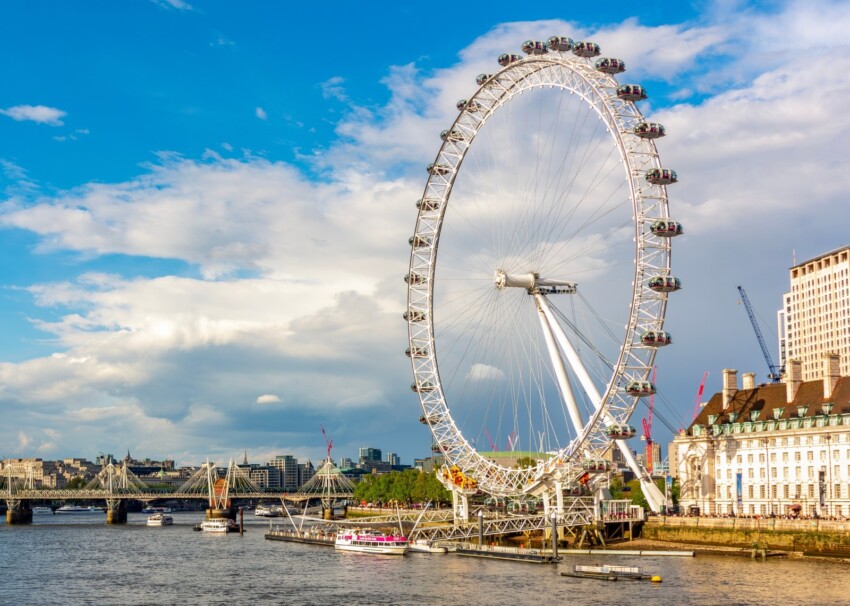
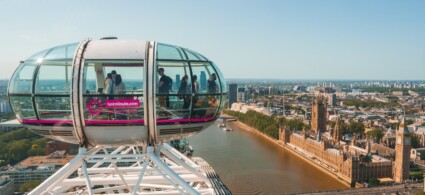
The London Eye (also known as the Millennium Wheel, as it opened to the public in 2000) is undoubtedly one of the most iconic attractions not only on South Bank but in all of London. Inaugurated in 2000 to celebrate the new millennium, this giant 135-metre-tall observation wheel quickly became a symbol of the British capital.
A complete rotation on the London Eye takes approximately 30 minutes and offers spectacular 360-degree views of the city. On clear days, visibility can extend to 40 kilometres, allowing you to spot Windsor Castle as well.
The area surrounding the London Eye also hosts other attractions including SEA LIFE London Aquarium and The London Dungeon, which can be combined in a combined ticket to save on admission prices.
3Riverside Building, County Hall, Westminster Bridge Rd, London SE1 7PB, UK
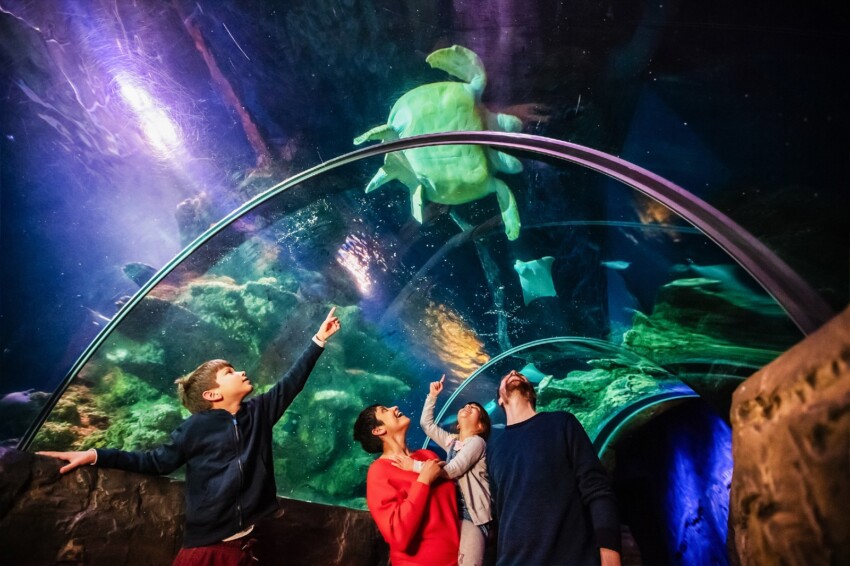
The SEA LIFE London Aquarium, located in County Hall near the London Eye, is one of the largest aquariums in Europe. It houses over 500 marine species in 14 themed zones recreating different aquatic habitats, from the Thames to tropical coral reefs.
Visitors can walk through an underwater tunnel surrounded by sharks, rays and sea turtles, or touch starfish and sea anemones in the interactive zone. Particularly popular are the Penguin Kingdom, home to Humboldt penguins, and the Ray Lagoon tank with giant rays.
The aquarium is committed to conservation programmes for endangered marine species and offers educational activities to raise public awareness about ocean protection. VIP experiences allow you to feed sharks or participate in the penguin wake-up call, offering closer contact with marine life.
4Riverside Building, County Hall, Westminster Bridge Rd, London SE1 7PB, UK
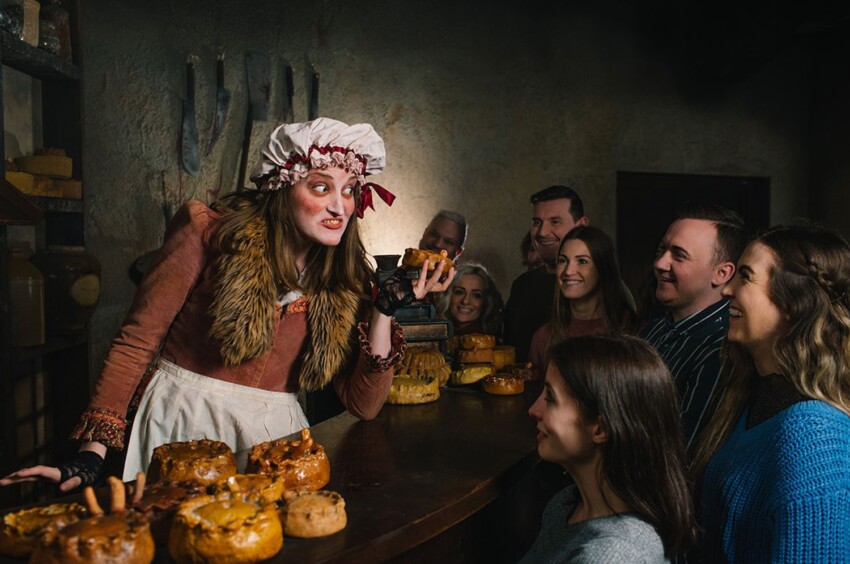
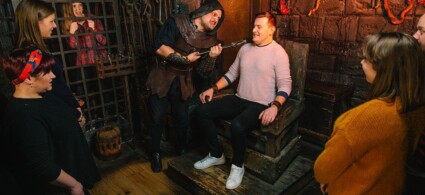
The London Dungeon is an interactive attraction that combines live actors, special effects and themed rides to tell London’s most macabre and gruesome history. Having relocated in 2013 from its original location near London Bridge to its new spot next to the London Eye, the Dungeon offers an immersive experience lasting around 90 minutes.
During your journey, you’ll encounter infamous characters from British history such as Jack the Ripper, Sweeney Todd and Guy Fawkes, and relive tragic events including the Great Plague and the Great Fire of London. The actors interact with visitors, creating situations that are simultaneously educational, frightening and entertaining.
The London Dungeon is particularly popular with families with teenagers and groups of friends, but may not be suitable for young children or those who are easily frightened. Tickets are cheaper if purchased online in advance, and combined packages with other attractions are available.
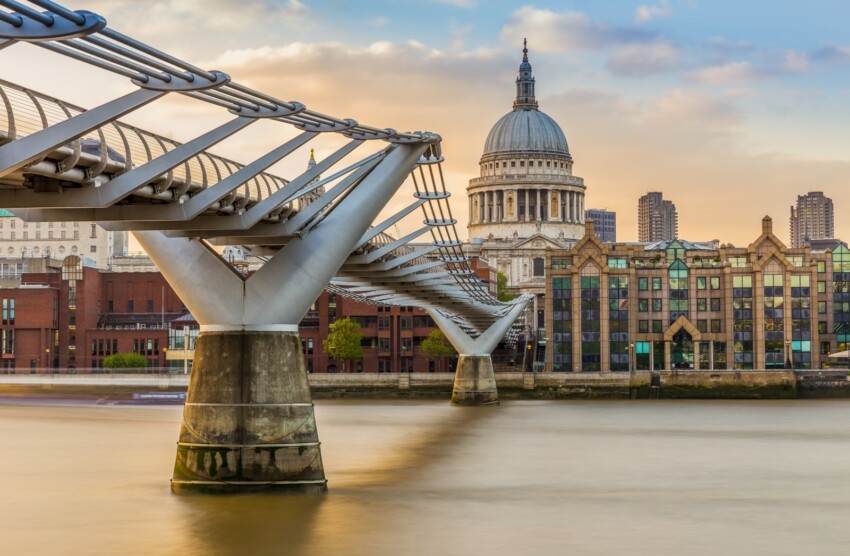
The Millennium Bridge is an elegant pedestrian bridge connecting South Bank to St. Paul’s Cathedral on the north bank of the Thames. Designed by Norman Foster and opened in 2000, it is the first new bridge built in London in over a century.
The minimalist steel structure has been nicknamed the “Blade of Light” for its sleek design. The bridge became internationally famous shortly after opening when it had to be temporarily closed due to an oscillation problem, earning it the nickname “Wobbly Bridge”. The issues were quickly resolved and the bridge has since become one of London’s most beloved pedestrian crossings.
Crossing the Millennium Bridge offers spectacular views in both directions along the Thames and creates a perfect visual axis between Tate Modern to the south and the magnificent dome of St. Paul’s Cathedral to the north. It’s also a prime spot for photographers, especially at sunset when the city lights begin to reflect on the river.
Film enthusiasts will recognise the bridge from “Harry Potter and the Half-Blood Prince”, where it’s shown collapsing under an attack by Death Eaters (and if you’re a Potter fan, you won’t want to miss the Harry Potter Studio!).
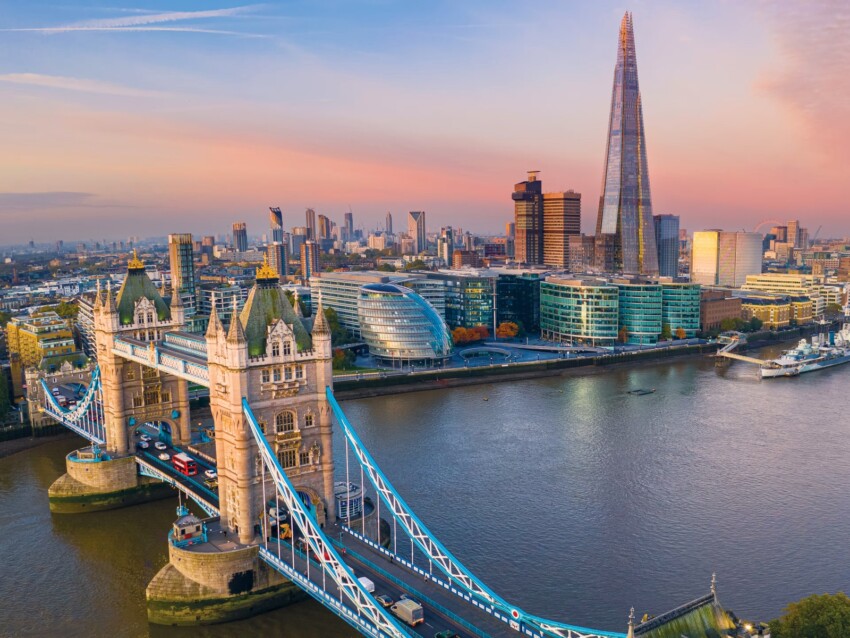
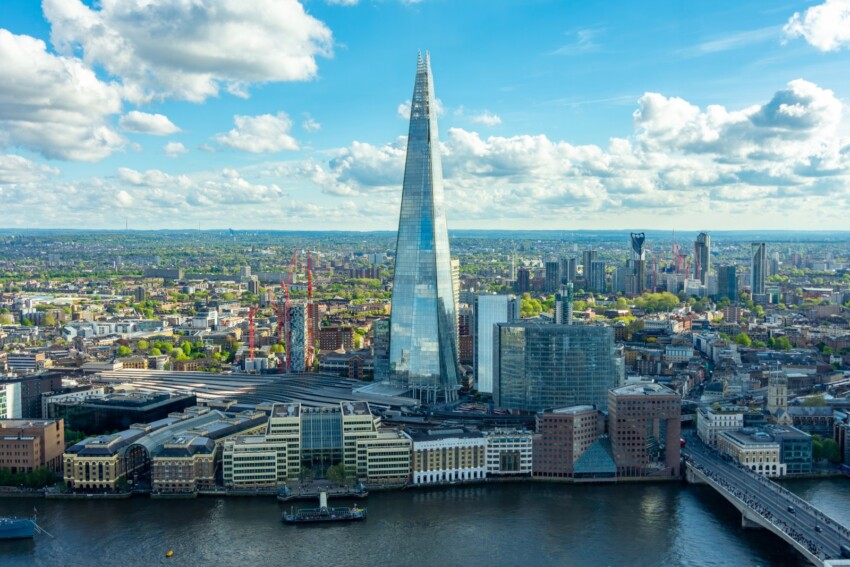
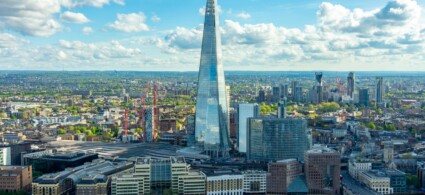
The Shard is a futuristic skyscraper that dominates London’s skyline at 310 metres and 95 storeys, making it the tallest building in the United Kingdom. Designed by architect Renzo Piano and opened in 2012, its name is derived from its shape, resembling a glass splinter.
The building houses offices, luxury restaurants, the Shangri-La hotel and an observation platform called “The View from The Shard” that offers a 360° panoramic view extending up to 64 km away. On the clearest days, you can even spot Windsor Castle.
The structure is covered with 11,000 glass panels that reflect the sky and change appearance with the weather, creating an ever-changing landmark. The skyscraper has quickly become a symbol of contemporary London and a must-see for capital visitors.
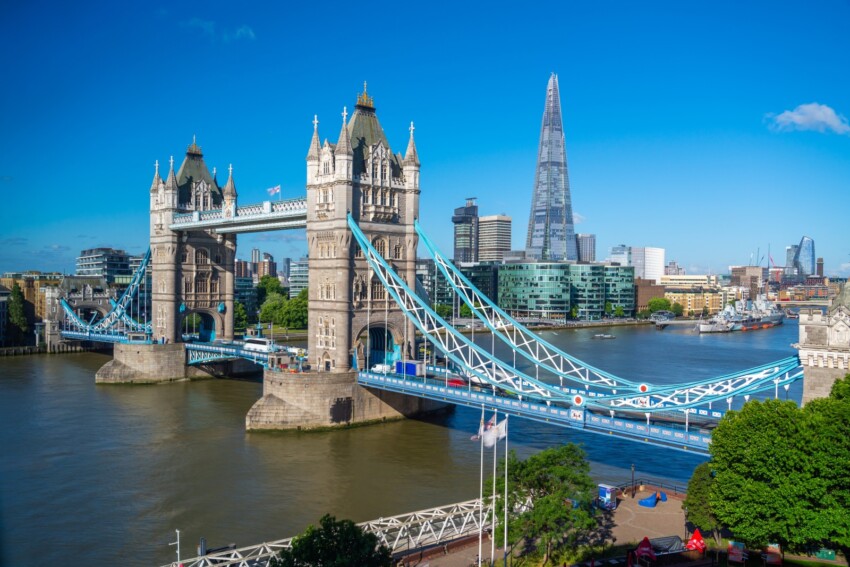
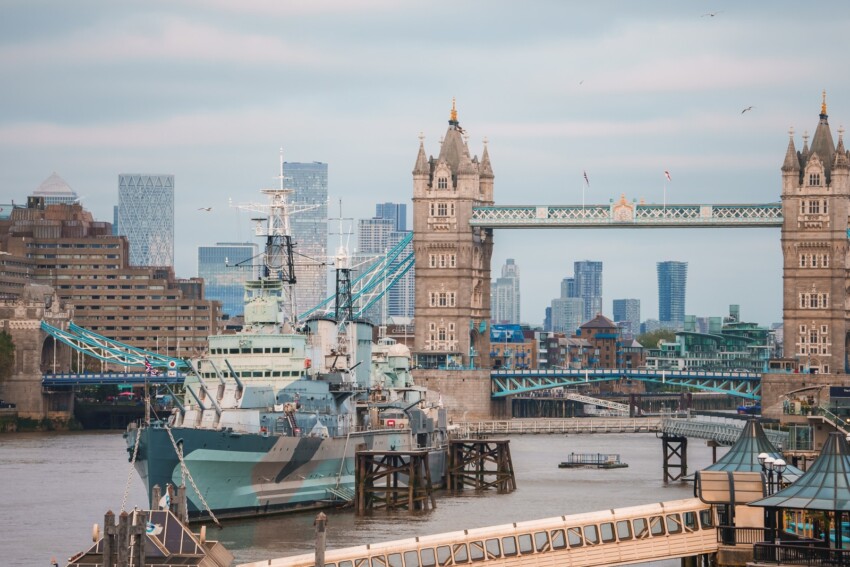
Tower Bridge is perhaps London’s most iconic bridge, often mistakenly confused with London Bridge. Opened in 1894, this Victorian engineering masterpiece combines a bascule and suspension bridge, with two Neo-Gothic towers connected by pedestrian walkways.
Its defining feature is the ability to lift to allow passage of large vessels, an operation that still occurs approximately 1,000 times a year. The towers house a permanent exhibition about the bridge’s history and offer glass floors allowing you to walk directly above the Thames.
For engineering enthusiasts, the original engine room with steam boilers and hydraulic mechanisms that once powered the bridge is open to the public. Tower Bridge is also spectacularly illuminated at night, becoming one of the city’s most popular photography subjects.
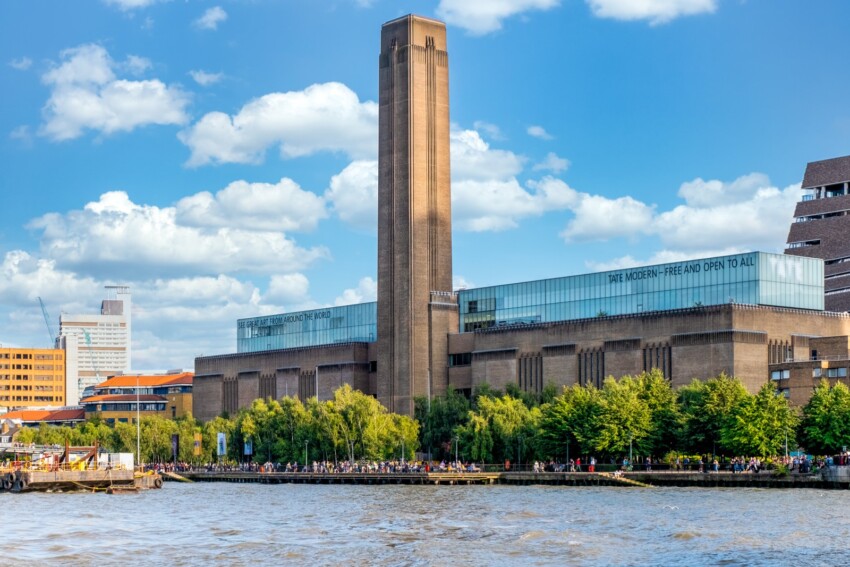
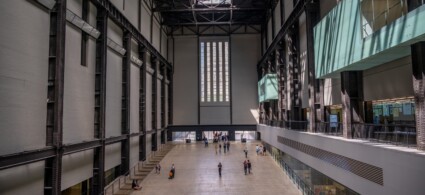
The Tate Modern is one of the world’s most visited contemporary and modern art museums, housed in the former Bankside power station. The building itself is a work of art: the conversion of the old power station into a museum, designed by architects Herzog & de Meuron, has preserved the impressive industrial structure, including the Turbine Hall, a vast 3,400-square-metre space that regularly hosts large-scale installations.
Tate Modern’s permanent collection includes works by fundamental artists such as Picasso, Dalí, Rothko, Warhol and Hockney, along with important temporary exhibitions that attract visitors from around the world.
In 2016, the Switch House (now called Blavatnik Building) was opened, a ten-storey extension that increased exhibition space by 60% and features a panoramic terrace on the tenth floor with spectacular city views.
For art lovers, Tate Modern can easily be combined with a visit to Tate Britain, located on the opposite bank of the Thames, accessible by the Tate Boat which connects the two galleries with regular river service.
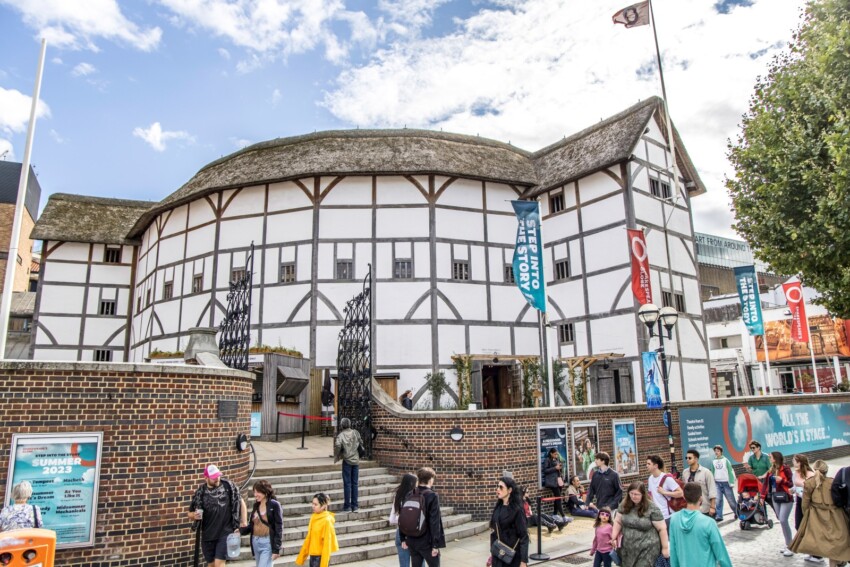
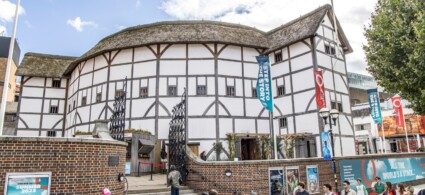
The Shakespeare’s Globe is a faithful reconstruction of the original Elizabethan theatre where the works of William Shakespeare were performed.
The theatre is built using traditional 16th-century techniques, with an oak timber frame, thatched roof (the only building in London with a thatched roof since the Great Fire of 1666) and a central stage. During the theatrical season, from April to October, you can watch performances of Shakespeare’s works in an atmosphere extremely faithful to the original, including the option to attend as a “groundling”, standing in the central open-air area, just as the common public did during Shakespeare’s Elizabethan era.
The Globe is only accessible via guided tours that allow you to discover the fascinating history of the original theatre and its reconstruction, as well as learn interesting details about theatrical life in Shakespeare’s time. Within the complex you’ll also find a permanent exhibition, a restaurant and a bookshop specialising in Shakespearean literature.
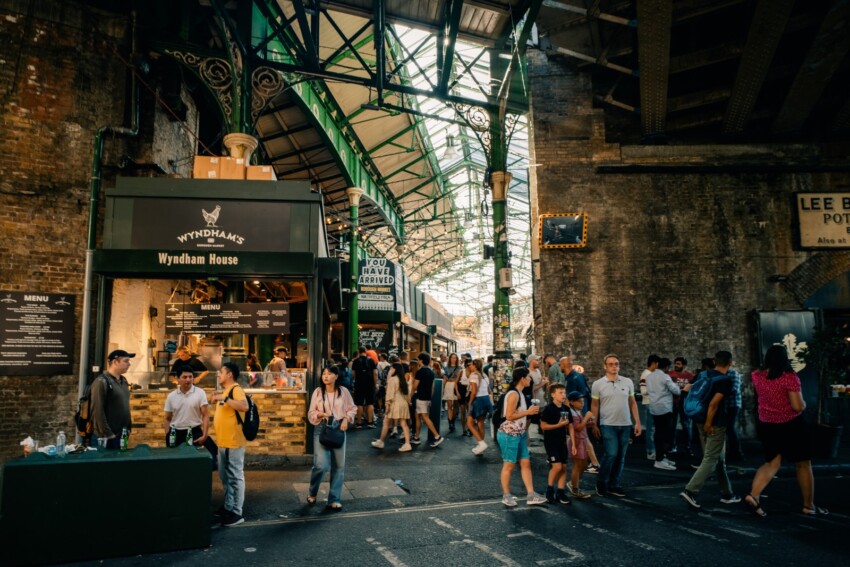
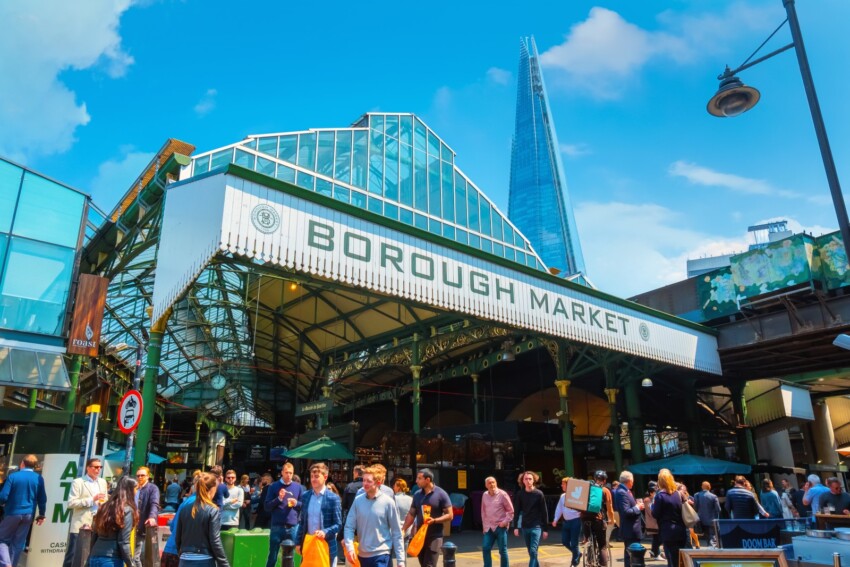
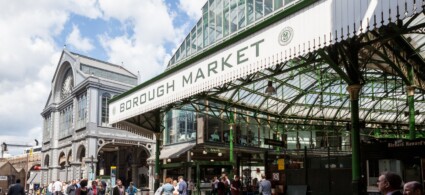
Borough Market is one of London’s oldest and most famous food markets, with a history dating back around 1,000 years. Located in Southwark, near London Bridge, it’s a gastronomic paradise hosting over 100 stalls with high-quality local and international produce.
From artisan cheese makers to bakeries, from butchers to street food stands, it offers a complete sensory experience for food lovers. Traders are selected for their commitment to quality and sustainability, and many are direct producers who personally grow, rear or create what they sell.
Particularly busy during lunch hours and weekends, the market is open Wednesday to Saturday, with some shops also open on Mondays and Tuesdays. In addition to the stalls, the surrounding area hosts numerous historic restaurants and pubs, making Borough a true gastronomic hub of the capital.
The HMS Belfast is a Royal Navy warship permanently moored on the Thames as a museum ship. This Town-class light cruiser served during the Second World War, participating in the Battle of the Barents Sea and the Normandy landings, and later in the Korean War.
Open to the public since 1971 as part of the Imperial War Museum, it allows visitors to explore nine decks and discover how the 950-strong crew lived. From engines to the operations room, from combat stations to the galley, it offers an authentic immersion into naval military life.
Visitors can experience the living conditions aboard, discover how the navigation systems of the era worked and even participate in interactive simulations that recreate wartime operations.
The ship also hosts temporary exhibitions and educational programmes dedicated to British naval history.
The Southbank Centre is Europe’s largest arts centre and encompasses several iconic venues:
Royal Festival Hall: a prestigious concert hall with 2,700 seats, renowned for its exceptional acoustics and home to the London Philharmonic Orchestra.
Queen Elizabeth Hall: a smaller auditorium dedicated primarily to chamber and contemporary music.
Purcell Room: an intimate space ideal for solo recitals and experimental performances.
Hayward Gallery: one of London’s most important contemporary art galleries, hosting temporary exhibitions by international artists.
The Southbank Centre organises over 3,000 events each year, ranging from classical music concerts to contemporary dance performances, literary readings and themed festivals. Many of these events are free to attend, including foyer concerts, art installations and outdoor activities during the summer months.
The venue also houses independent bookshops, restaurants, cafés and a weekend food market. The complex’s brutalist architecture, typical of the post-war period, divides opinion but is undoubtedly integral to South Bank’s visual identity.
Be sure to visit the Queen Elizabeth Hall rooftop terrace, transformed into an urban garden where you can relax whilst admiring views across the Thames. For up-to-date information on forthcoming events, visit the Southbank Centre’s official website.
Located beneath Waterloo Bridge, the South Bank Book Market is a beloved institution among locals and visitors alike. This permanent outdoor market features second-hand book stalls, vintage prints, maps and posters, creating a nostalgic atmosphere that pleasantly contrasts with the modern architecture surrounding it.
The stalls are open daily (weather permitting) from approximately 10:00 to 19:00, offering an excellent selection of books across various genres, from the latest releases to hard-to-find classics, often at very reasonable prices. Literature enthusiasts will particularly appreciate the section dedicated to British fiction and London guides, whilst collectors will find first editions and rare volumes.
The National Theatre is one of the world’s most prestigious theatrical institutions and a significant example of brutalist architecture. Opened in 1976, this complex houses three theatres:
Olivier Theatre: the main auditorium with 1,100 seats, featuring an innovative rotating drum stage.
Lyttelton Theatre: a more traditional theatre with proscenium arch and 890 seats.
Dorfman Theatre: a flexible space with 400 seats dedicated to more experimental works.
The National Theatre produces approximately 25 new productions each year, ranging from Shakespeare’s classics to contemporary works, all maintained at consistently high standards. Many productions subsequently transfer to the West End or Broadway, or are broadcast in cinemas worldwide through the National Theatre Live programme.
Beyond ticketed performances, the National Theatre offers numerous free activities, including exhibitions, talks and the “Watch This Space” programme during summer, featuring outdoor performances on the plaza in front of the building.
A unique feature of the National Theatre is the opportunity to participate in backstage tours, which allow you to visit the workshops where scenery, costumes and props are created, offering valuable insight into the creative process behind the productions.
The complex also houses restaurants, bars and a specialist theatre bookshop. For a special experience, consider dining at the theatre’s restaurant before a performance, enjoying panoramic views across the Thames.
The OXO Tower is an Art Deco building that stands out on South Bank’s skyline with its distinctive tower featuring circular, square and circular windows that form the OXO logo. Originally built as a power station in the 1930s, it was converted in the 1990s into a creative and design hub.
The first two floors house OXO Tower Wharf, a collection of boutiques, galleries and studios selling contemporary design, handmade jewellery, accessories and homeware. It’s an ideal place to find original gifts and discover emerging designers.
On the eighth floor sits the renowned OXO Tower Restaurant with a panoramic terrace offering spectacular city views. The building also hosts periodic events related to design and craftsmanship, including temporary exhibitions and markets during the festive season.
Gabriel’s Wharf is a small yet charming outdoor shopping area situated between the National Theatre and the OXO Tower. This eclectic space houses a collection of independent boutiques, cafés, restaurants and studios run by artists and designers, all in a relaxed, bohemian atmosphere that provides a pleasant contrast to the busier tourist areas of South Bank.
The picturesque colourful buildings housing the shops were originally industrial warehouses and have been transformed into a vibrant outdoor shopping area. Here you’ll find handmade jewellery, unique clothing, ceramics and distinctive design pieces, ideal for purchasing unusual souvenirs.
The area is also appreciated for its outdoor restaurants with riverside views, offering diverse cuisines from traditional British fish and chips to Mediterranean gastronomy. During the summer months, the terraces fill with Londoners and visitors making the most of the sunshine for riverside dining with Thames views.
The impressive Anglican Southwark Cathedral, located very close to London Bridge, is London’s oldest Gothic building. Originally founded as a priory in the 13th century (in Romanesque style), it has undergone numerous modifications and transformations over time.
Beyond its role as a place of worship, Southwark Cathedral today serves as a cultural landmark and hosts numerous concerts and events.
It is also home to one of the ten heaviest bells in the entire United Kingdom!
Christmas Market
During the festive season (mid-November through to the end of December), South Bank is transformed with a traditional Christmas market along the riverfront. The characteristic wooden chalets offer crafts, gifts, festive decorations and a variety of winter food and drinks, from mulled wine to roasted chestnuts.
The market is part of the broader Winter Festival organised by the Southbank Centre, which also includes light installations, performances and activities for all the family. The festive atmosphere, with lights reflected in the Thames and London’s illuminated skyline in view, makes this period particularly magical for visiting South Bank.
Street performers
One of South Bank’s most vibrant features is the constant presence of street performers entertaining along the pedestrian route, particularly between the London Eye and the National Theatre. The space between the London Eye and Hungerford Bridge is notably known as Jubilee Gardens, an area where you can enjoy performances of all kinds.
During weekends and throughout the summer months, this stretch of South Bank comes alive with acrobats, jugglers, musicians, mime artists and portrait sketchers. The standard of performance is generally very high, as artists must obtain a licence to perform in this area.
Stopping to watch these performances is a pleasant way to enrich your walk and enjoy the festive atmosphere that characterises South Bank. If you particularly enjoy a performance, it’s courteous to leave a small tip for the artist.
Map
In the following map you can see the location of the main places of interest mentioned in this article.
A walking itinerary through South Bank
Whilst any walk along the riverside will be rewarding, and wandering aimlessly through the area’s streets will also prove satisfying, we suggest a specific itinerary for a lengthy South Bank walk.
The route begins at Westminster Bridge and ends at Tower Bridge, following the Queen’s Walk, the pedestrian path that runs alongside the Thames.
At the end of Westminster Bridge, descend the stairs to the embankment and walk towards the London Eye.
You’ll see entrances to SEA LIFE, the aquarium, and can take excellent photographs of Big Ben and the Palace of Westminster. Nearby is also the London Dungeons.
Once at the foot of the wheel, admire it from below or take a ride! The rotation takes approximately thirty minutes. An alternative is to take a Thames cruise; many boat operators depart directly from the London Eye pier.
Continuing on, before reaching Waterloo Bridge you might pause at the Skate Park, or wander through the Southbank Centre.
Remember that beneath the bridge is the Southbank Book Market, the second-hand book market, and a little further on, the modern National Theatre building.
If you need a break, walking further you’ll reach Gabriel’s Wharf, a small plaza with shops and cafés where you can relax.
A glance at the OXO Tower – or alternatively a look from above at the tower’s panoramic terrace – and you’ll be ready to continue until you spot the futuristic pedestrian Millennium Bridge.
Directly opposite this engineering marvel you cannot fail to notice the imposing Tate Modern! Subsequently, you’ll find the entrance to Shakespeare’s Globe.
The walk will have given you an appetite, so once you’ve crossed Southwark Bridge, you can grab delicious refreshments at Borough Market, whilst also admiring the magnificent Southwark Cathedral near London Bridge.
Do you still have time and the desire to explore further? You can then continue to The Shard, proceed to see the HMS Belfast moored in the Thames, and conclude your walk by reaching the iconic Tower Bridge.
Getting there
South Bank is part of a pleasant route along the Thames called the Queen’s Walk, which extends from Lambeth Bridge to Tower Bridge. This route is completely pedestrianised and offers spectacular views of the river and London’s iconic buildings. From the north bank of the Thames, South Bank is accessible via several pedestrian bridges:
Golden Jubilee Bridges: two parallel pedestrian walkways adjacent to the Hungerford railway bridge, connecting Embankment to South Bank.
Millennium Bridge: an elegant pedestrian bridge connecting St. Paul’s Cathedral to Tate Modern.
Westminster Bridge, Waterloo Bridge and Blackfriars Bridge: all of these bridges have pavements allowing pedestrians to cross the river.
Underground
Whilst Waterloo is the nearest Underground station, several stations are useful for reaching South Bank:
Waterloo (Bakerloo, Jubilee, Northern and Waterloo & City lines): the most central station for South Bank, just a few minutes’ walk from the London Eye and Southbank Centre.
Embankment (Bakerloo, Circle, District and Northern lines): located on the north bank of the Thames, it offers easy access to South Bank via the pedestrian Golden Jubilee Bridge.
Westminster (Circle, District and Jubilee lines): ideal for beginning your visit at the western end of South Bank, near the London Eye.
Southwark (Jubilee line): the best choice for accessing central South Bank, near Tate Modern.
London Bridge (Jubilee and Northern lines): perfect for starting your exploration at the eastern end of South Bank, near Borough Market.
Routes RV1, 381: run the entire length of South Bank, ideal for moving between the various attractions.
Routes 1, 4, 26, 59, 68, 76, 77, 139, 168, 171, 172, 176, 188, 501: all stop at Waterloo.
Routes 45, 63, 100: stop near Southbank Centre.
Boat
An atmospheric way to reach South Bank is by using the Thames ferries. Thames Clipper offers regular services with stops at several points along South Bank:
London Eye Pier: near the London Eye and County Hall.
Festival Pier: opposite the Southbank Centre.
Bankside Pier: near Shakespeare’s Globe and Tate Modern.
London Bridge City Pier: at the eastern end of South Bank.
History of South Bank
The history of South Bank is deeply intertwined with that of the River Thames and has passed through periods of prosperity, decline and renewal. Until the nineteenth century, this London area was primarily characterised by marshlands and wasteland, with few permanent settlements due to frequent river flooding.
The construction of Blackfriars Bridge in 1769 and Waterloo Bridge in 1817 improved access to the area, encouraging industrial development. During the Victorian era, South Bank became an important industrial and port hub, with warehouses, factories and power stations such as Bankside Power Station (now Tate Modern) lining the riverbank.
However, heavy bombing during the Second World War left much of the area in ruins. The turning point came in 1951 with the Festival of Britain, a national event organised to commemorate the centenary of the Great Exhibition of 1851 and celebrate British recovery after the war. Several temporary structures were built along South Bank for the occasion, including the Dome of Discovery and the Skylon. The only permanent building constructed for the festival was the Royal Festival Hall, which would become the first component of what is now the Southbank Centre.
In the following decades, the area continued to develop as a cultural hub with the addition of the National Theatre in the 1970s and the regeneration of industrial buildings such as the Oxo Tower in the 1990s. The recent construction of the London Eye in 2000 marked a significant further step in transforming South Bank into one of London’s principal tourist destinations.
The regeneration project continued into the twenty-first century with the development of new public spaces, restaurants and attractions, establishing South Bank as one of the most vibrant and culturally stimulating locations in the British capital.
FAQs – Frequently Asked Questions
How long does it take to visit South Bank?
For a simple walk along the South Bank pedestrian pathway, from Westminster Bridge to London Bridge, you’ll need approximately 1–2 hours without stopping. However, to enjoy the main attractions, it’s advisable to allow at least half a day.
Are there guided tours of South Bank?
Yes, several guided tour options are available covering South Bank. Some focus on the entire area, whilst others concentrate on specific aspects such as architecture, history, photography or gastronomy.
Many of the major attractions, such as Tate Modern and the National Theatre, offer guided tours of their buildings. For a more immersive experience, consider booking a private tour with a local guide.
Where can I leave my luggage during a visit to South Bank?
There are no public luggage storage facilities along South Bank, but several options are available nearby:
Waterloo Station offers a paid luggage storage service
Services such as Luggage Hero and Stasher partner with hotels and shops in the area to provide secure luggage storage points at hourly or daily rates
Some of the major attractions, such as Tate Modern, have cloakrooms where you can leave jackets and small bags (not large suitcases) during your visit
It’s always advisable to check availability and prices in advance, especially during peak season.
Is South Bank safe at night?
Yes, South Bank is generally considered safe in the evening, thanks to good lighting and a constant presence of people until late, particularly in the stretch between the London Eye and the National Theatre. Areas around the main venues and attractions remain lively until closing time.
As with any tourist area in a major city, it’s still wise to exercise basic caution, especially in less busy areas or at later hours. South Bank’s security service regularly patrols the area during the evening.
How can I photograph South Bank at its best?
South Bank offers countless photographic opportunities, with iconic views of some of London’s most famous landmarks. Here are some tips:
Dawn and dusk offer the best light and create evocative reflections on the Thames
The Millennium Bridge provides a perfect perspective of St. Paul’s Cathedral
From Waterloo Bridge you’ll enjoy a panoramic view encompassing many of London’s iconic buildings
For night photography, a tripod is advisable to capture the city lights reflected in the river
The Royal Festival Hall terrace offers an elevated view of South Bank and the London Eye
The Tate Modern viewing platform on the tenth floor is ideal for wide-angle skyline photographs
South Bank, where to stay in the area
To see all the facilities and book accommodation in South Bank use the form below, entering the dates of your stay.
We offer best rates If you find it cheaper we refund the price difference.
Free cancellation Most properties allow cancellation without penalty.
We're available 24 hours a day For any problem call Booking.com.

 Hotel
Hotel  Budget accommodations
  Apartments
  Family Hotel
  Luxury Hotel