Bestseller
London: Westminster to Greenwich River Thames Cruise
From 19,69 €
Buy the ticket
Cruising along the Thames is one of the most enchanting ways to discover London from a completely different perspective. From the deck of one of the numerous vessels that navigate the river daily, you can admire the capital’s most iconic monuments whilst gliding smoothly across the water, away from traffic and crowded streets.
The river flows through the heart of London from west to east for over 50 kilometres in the urban stretch, connecting historic and modern neighbourhoods in a journey that is both relaxing and rich with discovery.
Thames cruises are available in multiple formats to suit every need: from classic sightseeing cruises with audio commentary, to hop-on hop-off services that let you board and disembark at will, through to gastronomic experiences with lunch or dinner aboard.
The options for navigating the Thames are surprisingly varied and cater to every type of traveller and budget. Understanding the differences between the various service types will help you choose the experience most suited to your needs.
Sightseeing cruises represent the most popular and accessible option for first-time visitors to London. These tourist cruises offer a set route with multilingual audio commentary that narrates the history of the monuments you see along the banks. Major operators like City Cruises and Thames River Sightseeing use two-deck vessels with open upper decks and air-conditioned lower saloons.
Children aged 5–15 pay reduced fares, whilst those under 5 travel free. Departures run every 30–40 minutes throughout the day from main piers, offering flexibility even without advance booking. Journey times vary from 40 minutes for the Westminster–Tower Pier stretch to 1 hour 20 minutes to reach Greenwich.
Onboard you’ll find licensed bars serving hot and cold beverages, snacks and, in some cases, light meals. Vessels have accessible toilets, baby-changing facilities and wheelchair ramps. On the open upper decks you can enjoy unobstructed panoramic views, ideal for photography, whilst the lower saloons provide shelter in bad weather with large windows ensuring good visibility.
For those wanting greater flexibility in exploration, hop-on hop-off services allow you to use the river as a tourist transport link. With a 24-hour day pass, you can board and disembark unlimited times at any pier along the route, exploring attractions at your own pace. Costs range around £23–27 for adults, with family tickets offering good value for two adults and up to three children.
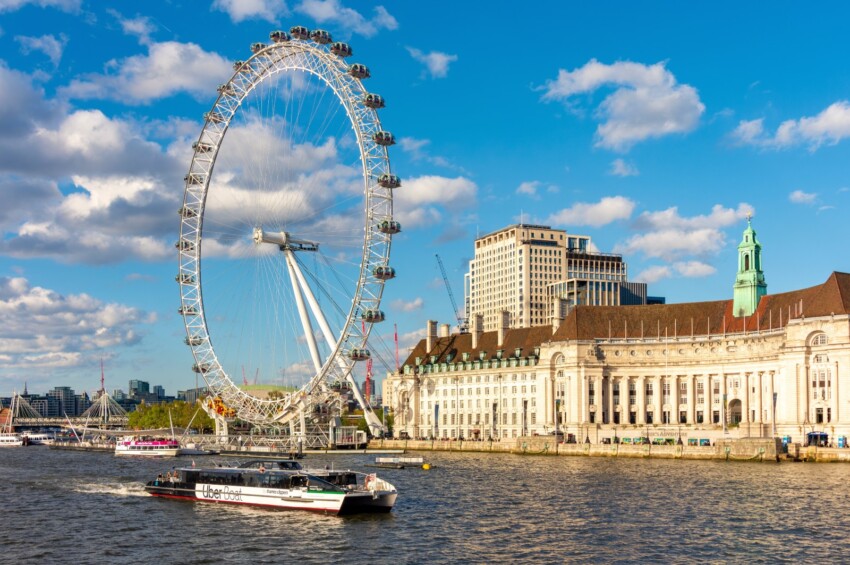
Uber Boat by Thames Clippers, also known as London’s “river bus”, operate the fastest and most frequent fleet on the Thames with over 20 high-speed vessels. These catamarans connect more than 20 piers between Putney in the west and Barking Riverside in the east, with departures every 10–20 minutes during peak hours. Unlike traditional tourist cruises, Thames Clippers are designed primarily as a public transport service yet still offer spectacular city views.
You can use your Oyster Card or contactless card to travel on Thames Clippers, receiving a discount compared to buying tickets at the pier. The fare system is divided into zones (west, central and east) similar to the Underground. Booking online at least 7 days in advance lets you save 25% on hop-on hop-off passes.
For a more sophisticated and romantic experience, gastronomic cruises combine sightseeing with a full meal served aboard. Lunch cruises last around 1 hour 30 minutes and typically include a two-course menu with coffee or tea, from around £45–50. They usually depart around 11:45 and let you enjoy the river during daylight hours when lighting is perfect for photography.
Dinner cruises offer the most elegant and memorable option, perfect for celebrating special occasions. From £100–130, these 2–3 hour experiences feature three or four-course menus prepared onboard, accompanied by live music. Some cruises include entertainment such as jazz bands or themed evenings. Dress code is generally smart casual, with jeans acceptable but slightly smarter attire recommended.
The afternoon tea cruise is a quintessentially British experience combining the tradition of afternoon tea with river cruising. For around £45–50 you can enjoy a selection of sandwiches, scones with jam and cream, pastries and a variety of teas whilst navigating the Thames. These cruises last approximately 1 hour 30 minutes and are particularly popular for celebrating birthdays or as a gift.
Throughout the year, themed cruises with live entertainment add fun to your voyage. Live jazz cruises are particularly popular in the evenings, combining music, dinner and night-time views of the city’s illuminated skyline. Other options include comedy nights with British comedians, disco cruises for celebrating private events and special New Year’s Eve cruises to ring in the new year with views of the fireworks.
Halloween cruises in October and Christmas cruises in December offer festive atmospheres with themed decorations, special menus and sometimes Father Christmas for children. Prices for these premium experiences range from £40 to £150 depending on meal and drinks inclusions.
For those seeking an adrenaline rush, high-speed powerboat cruises offer a completely different experience. Operators like Thames Rockets and Thames RIB Experience use powerful RIB speedboats that reach high speeds after passing Tower Bridge. The journey begins at a leisurely pace through the historic centre with live guide commentary, before suddenly accelerating in permitted sections.
These thrilling cruises last 50–80 minutes and cost around £45–55. All passengers wear life jackets and waterproofs provided by the operator. The experience is particularly popular with families with teenagers and groups of friends. The vessels are smaller than traditional tourist boats, creating a more intimate and interactive atmosphere with the guide.
From September to March, every Saturday evening, you can join the Illuminated River cruises showcasing the world’s longest public art installation. This project illuminates 15 bridges across 3.2 miles of the Thames with colourful light displays designed by artist Leo Villareal. The service is operated by Uber Boat by Thames Clippers and departs from Tower Pier for approximately 40 minutes.
For a completely different experience, canal boats traversing north London offer a quieter perspective away from traditional tourist routes. They operate from March to November along the Regent’s Canal between Little Venice and Camden Lock, where the famous Camden Market is located.
These roughly 50-minute cruises pass through residential neighbourhoods, Regent’s Park and London Zoo, offering glimpses of local life away from the city centre hustle. The service is included in the London Pass.
The network of piers along the Thames is well organised and strategically positioned near major attractions. Understanding each pier’s characteristics will help you plan your itinerary better.
Located right next to the Palace of Westminster and Big Ben, this pier is the most popular departure point. The iconic backdrop of the Houses of Parliament makes this the perfect place to start your cruise. Westminster Underground station (District, Circle and Jubilee lines) is just a 2-minute walk away. Nearby you’ll also find Westminster Abbey and Whitehall.
Westminster Pier is the busiest, with frequent departures to all destinations along the river. Arrive at least 15 minutes early, especially during the busy summer season, to check in without rush and choose the best spots on the upper deck. Ticket offices are on the pier itself, but buying online in advance lets you avoid queues and often save money.
Nestled at the foot of London’s most famous observation wheel, this pier sits on the South Bank, the vibrant south side of the Thames. The location is ideal for combining your cruise with a visit to the London Eye or exploring the cultural neighbourhood stretching along the river. Within easy walking distance you’ll find the Southbank Centre, Tate Modern, Shakespeare’s Globe Theatre and local craft markets.
The nearest Underground station is Waterloo, about a 5-minute walk across the bridge. Waterloo Pier is particularly busy at weekends and during school holidays, when many families combine the cruise with nearby attractions. In fine weather, the South Bank walk offers street entertainment, second-hand bookstalls and outdoor cafés.
Adjacent to the Tower of London, this historic pier is surrounded by top attractions. Besides the medieval fortress housing the Crown Jewels, nearby you’ll find Tower Bridge, HMS Belfast (the Second World War warship turned museum) and The Shard. Tower Hill Underground station (District and Circle lines) is a 2-minute walk away.
Tower Pier is a preferred departure point for lunch and afternoon tea cruises, which often begin here before sailing westward. The location lets you visit the Tower of London before or after your cruise, making good use of your time. Some circular cruises require changing vessels at this pier, so pay attention to staff instructions.
The easternmost pier for tourist cruises serves the Greenwich neighbourhood, a UNESCO World Heritage site. This historic riverside village is home to the National Maritime Museum, the Royal Observatory (where the Greenwich Meridian passes, marking the zero point of time zones), the historic ship Cutty Sark and beautiful Greenwich Park. Arriving in Greenwich by river is considered the most picturesque way to visit the area.
The Cutty Sark DLR station is just steps from the pier. The boat journey from Westminster to Greenwich takes about 70 minutes and passes through London’s most modern areas, including the Canary Wharf skyscrapers. Greenwich Market, particularly active at weekends, offers local crafts, street food and vintage items. Many visitors choose to cruise to Greenwich, spend a few hours exploring and return to the centre on an afternoon cruise.
In the following map you can see the location of the main places of interest mentioned in this article.
The route along the Thames spans 2,000 years of London’s history, with each bend in the river revealing new views and monuments. Audio commentary or live narration enriches the experience, explaining anecdotes and fascinating details you might otherwise miss.
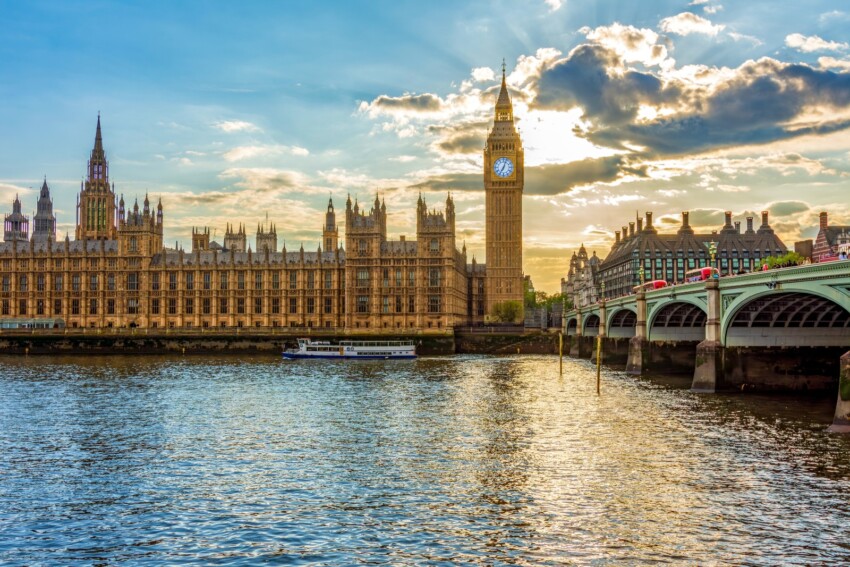
Starting from Westminster, the first spectacular sight is the Palace of Westminster with its iconic clock tower housing Big Ben. Built in the 19th century in neo-Gothic style after a fire in 1834 destroyed much of the medieval building, the palace has been home to the British Parliament for over 900 years. During the Second World War, Big Ben continued to chime despite air raids, becoming a symbol of resistance.
The London Eye dominates the South Bank at 135 metres tall. Opened in 2000 to celebrate the new millennium, this observation wheel offers 360-degree views of the city from its 32 glass capsules. From the river, looking up, the structure appears particularly impressive. Continuing on, you’ll see the Millennium Bridge, the first pedestrian bridge built across the Thames in over a century, connecting St Paul’s Cathedral to the Tate Modern.
The dome of St Paul’s Cathedral was London’s highest point on the skyline for 300 years, until modern skyscrapers were built. Designed by Sir Christopher Wren after the Great Fire of 1666, the cathedral has hosted historic events including the wedding of Prince Charles to Lady Diana. The Globe Theatre on the South Bank is a faithful reconstruction of the Elizabethan theatre where Shakespeare presented many of his works in the 17th century.
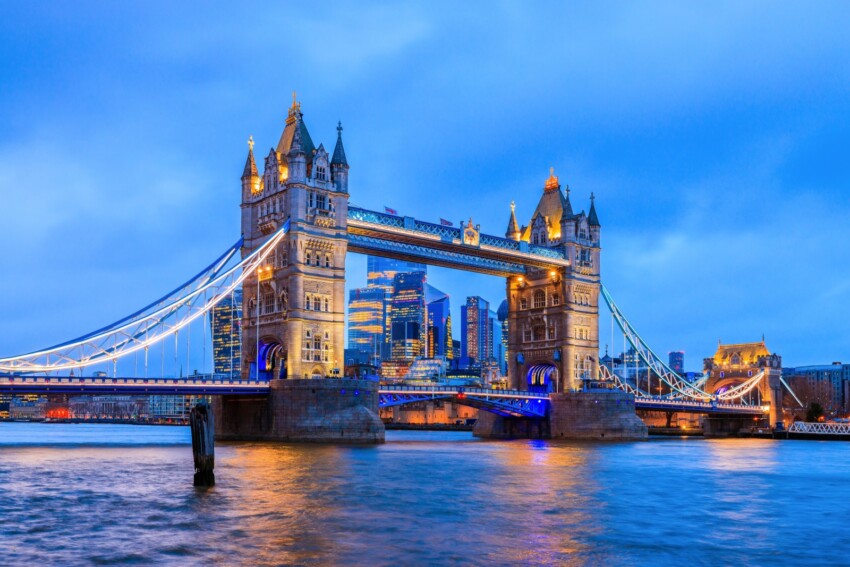
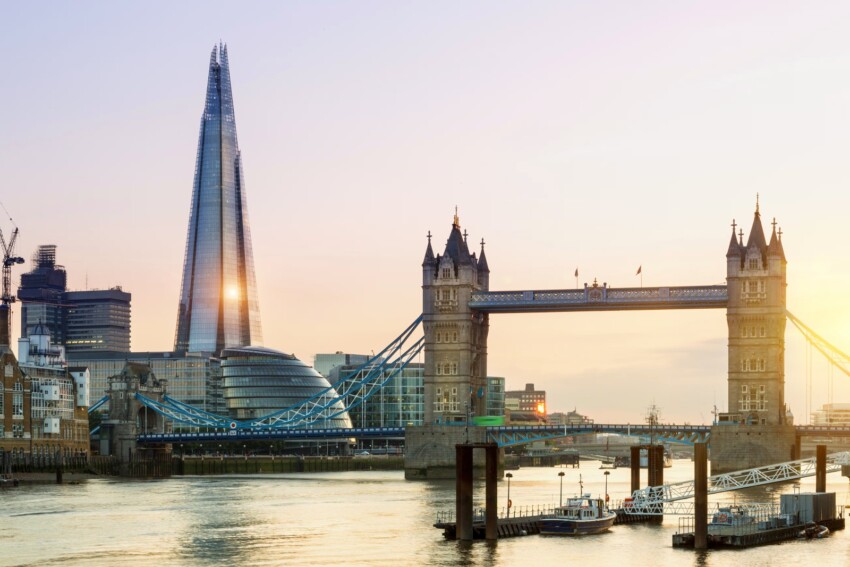
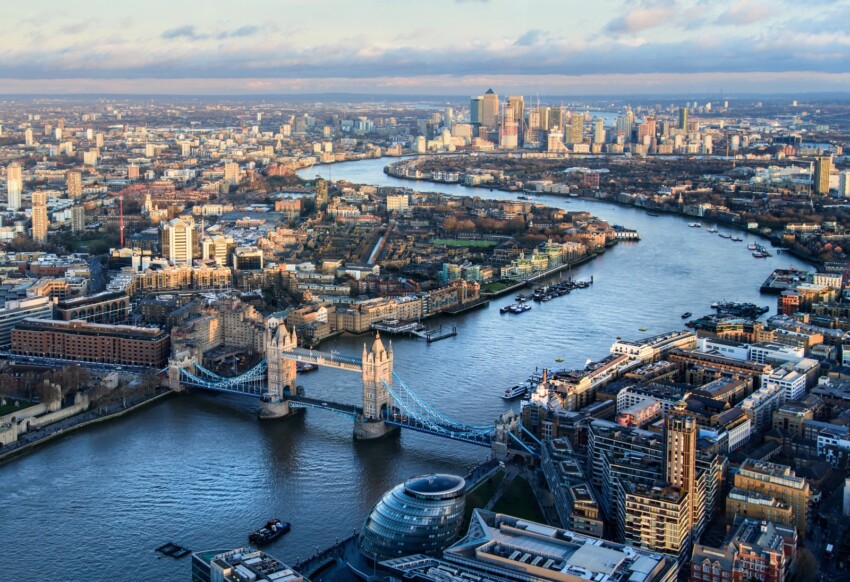
The Shard rises 309.6 metres, making it the tallest building in the UK and one of Europe’s highest. Its distinctive pyramidal shape and glass façade make it instantly recognisable on the skyline. At the foot of the Shard sits the Borough Market, one of London’s oldest food markets. The Tower Bridge, with its Victorian twin towers, is probably London’s most photographed bridge. Today, the bascule bridge still rises approximately 800 times a year to allow tall ships to pass through.
The Tower of London, a UNESCO World Heritage Site, has served as a royal palace, prison, arsenal, mint and even a menagerie. The White Tower at the heart of the complex was begun by William the Conqueror in 1078. Today it houses the Crown Jewels and maintains ancient traditions, including the presence of the Beefeaters (ceremonial guards) and ravens, whose legend says that if they ever leave the Tower, the kingdom will fall.
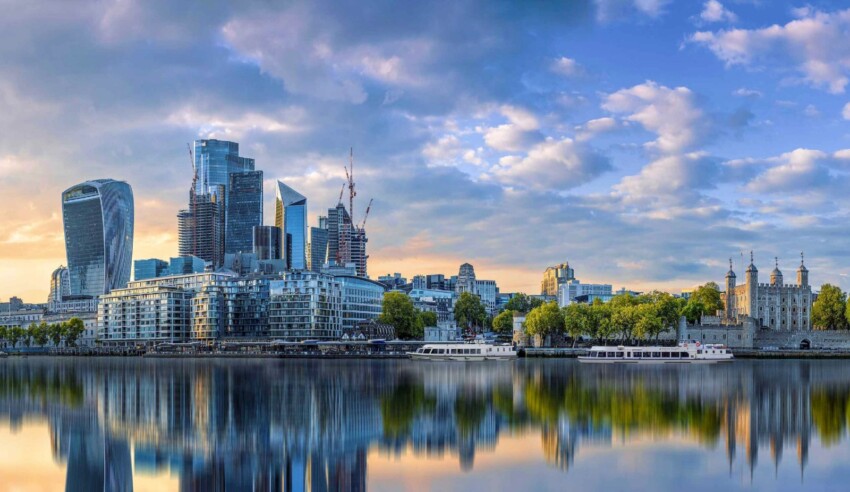
Sailing eastwards, the urban landscape changes dramatically. The ultra-modern skyscrapers of Canary Wharf represent the new financial district, developed in the 1980s on the old docks. Some buildings exceed 230 metres, creating a skyline that contrasts sharply with historic London. At Greenwich, the Royal Observatory on the hillside defines the Prime Meridian, the starting point for global time zones. The area retains a village-like atmosphere with Georgian buildings and a covered market.
Good planning makes your Thames cruise experience even more enjoyable and helps you avoid common pitfalls that could spoil your day.
Booking online in advance is always recommended for several reasons. First, you’ll get discounted fares compared to buying at the pier, with savings of up to 30%. Additionally, during peak season (April–September) and weekends, some cruises fill up quickly, especially those with lunch or dinner included. Booking ahead guarantees your place and allows you to plan your day better.
The best times for a sightseeing cruise depend on your priorities. Early morning departures (10:00–11:00) offer optimal lighting for photographs and fewer crowds than midday. Early afternoon cruises (13:00–15:00) are the most popular but also the busiest, especially in summer. Evening sunset cruises offer magical atmospheres with illuminated monuments, particularly stunning between September and March when it gets dark earlier.
London’s weather is notoriously changeable. Even in summer, bring an extra layer, as the wind can be brisk on the river. All boats have covered and heated areas, so cruises operate in most weather conditions. In rain, the lower salons offer shelter whilst maintaining excellent views through large windows. Cruises are cancelled only for extreme safety conditions, such as very dense fog or dangerous winds.
On the open upper decks, you’ll find the best spots for unobstructed panoramic photographs. Arrive early to secure seats on the right side (starboard) when travelling from Westminster towards Greenwich, as many major monuments are on the north bank. For the return journey, prefer the left side. Seats at the bow (front) offer spectacular frontal views but are windier, whilst those at the stern (rear) are more sheltered.
Bring a camera or ensure your smartphone is fully charged. Water glare can drain the battery quickly, so consider a power bank. Sunglasses are essential on bright days, along with sunscreen and a hat. A lightweight pair of binoculars can be useful for observing architectural details of distant monuments or spotting river wildlife, which occasionally includes seals.
Most boats have bars on board where you can buy drinks and snacks, though prices are higher than usual. Bringing a water bottle is always a good idea. Standard sightseeing cruises allow you to bring your own food, so many families pack a picnic. On cruises with meals included, outside food is not permitted.
Many operators offer combination tickets that let you save money by bundling a Thames cruise with admission to major attractions. These packages are particularly good value if you’re planning to visit multiple places during your London stay.
The most popular combination is with the London Eye, whilst other packages include the Tower of London, Tower Bridge Experience, the Shard, Madame Tussauds, Westminster Abbey or St Paul’s Cathedral.
Combined bus and boat tours offer the best of both ground and water exploration. Companies such as Big Bus Tours and Golden Tours offer packages that include a hop-on hop-off open-top bus tour for 24 or 48 hours, a Thames cruise, guided walking tours and a booklet of promotional vouchers for restaurants and shops.
The London Pass includes a Thames cruise plus admission to over 80 attractions. If you’re planning to visit many places during your trip, this tourist card can be excellent value.
Duration depends on the route you choose. The Westminster to Tower Pier section takes about 40 minutes, Westminster to Greenwich around 70 minutes. Full circular cruises last 1–1.5 hours. Lunch cruises last 1 hour 30 minutes, whilst dinner cruises run 2–3 hours. Hop-on hop-off services have no time limit and you can use them throughout the day.
Yes, the main sightseeing cruises operate daily throughout the year, including weekends and public holidays. The only exception is Christmas Day (25 December), when all services are suspended. During winter, departures may be less frequent than in summer. Meal cruises and special services have limited schedules, so always check availability before planning.
Cruises operate in most weather conditions, as all boats have covered and heated areas. Services are cancelled only for extreme safety conditions (very dense fog, dangerous winds, rough seas). Nevertheless, bring a waterproof jacket or umbrella, and dress in layers as it can be cooler on the river than in the city.
On standard sightseeing cruises you can buy drinks, snacks and occasionally sandwiches from the on-board bar. You’re generally allowed to bring your own food for a picnic. On lunch or dinner cruises, the meal is included in the price and outside food is not permitted. All boats have licensed bars serving alcoholic and soft drinks.
Absolutely. Children under 4–5 years travel free, whilst those aged 5–15 pay half price. The open decks are very popular with younger visitors. Boats have toilets with baby-changing facilities and are pram-friendly. Family tickets offer additional savings. Some cruises run special activities for children during school holidays.
It depends on your ticket type. Tickets for cruises with set times (lunch, dinner, evening departures) have strict boarding times, and arriving late means missing the cruise. Tickets for standard sightseeing cruises with frequent departures are usually flexible and you can board a later departure the same day. Thames River Sightseeing explicitly allows you to use your ticket for any departure on your specified day.
Yes, all modern tourist boats are wheelchair and mobility scooter accessible. Piers have ramps and boats use boarding ramps. You’ll find accessible toilets and dedicated spaces on board. It’s advisable to inform the operator when booking to ensure proper assistance. Some smaller piers may have limitations, so check in advance.
City Card allow you to save on public transport and / or on the entrances to the main tourist attractions.
 Hotel
Hotel  Budget accommodations
  Apartments
  Family Hotel
  Luxury Hotel