Complete guide to London transport: from the Underground to taxis, buses to the DLR. All payment methods and tips for getting around the city on a budget.
London, one of the world’s largest metropolises, boasts an extraordinarily efficient and extensive public transport system that extends across nine concentric zones. The system is designed to handle millions of passengers every day, from the pulsating heart of Zone 1 through to the quiet suburbs of Zone 9.
For tourists, the public transport offering is particularly comprehensive. The celebrated Underground (The Tube) forms the backbone of the system, whilst the iconic red double-decker buses offer a picturesque and economical way to explore the city.
The network is enhanced by the DLR (Docklands Light Railway), an automated light railway serving the Docklands area and particularly useful for reaching London City Airport. The network also includes the London Overground, a suburban rail network, as well as trains, taxis, a bike-sharing scheme, Thames river boats and even an atmospheric cable car (Cloud Cable Car) spanning the river.
To optimise your journeys, it’s highly recommended that you download the CITYMAPPER app. This application has proven an indispensable tool for visitors, offering precise and real-time information on how to reach any destination. The app not only suggests the best route by combining different forms of transport, but also provides valuable information on delays, station closures and ongoing works.
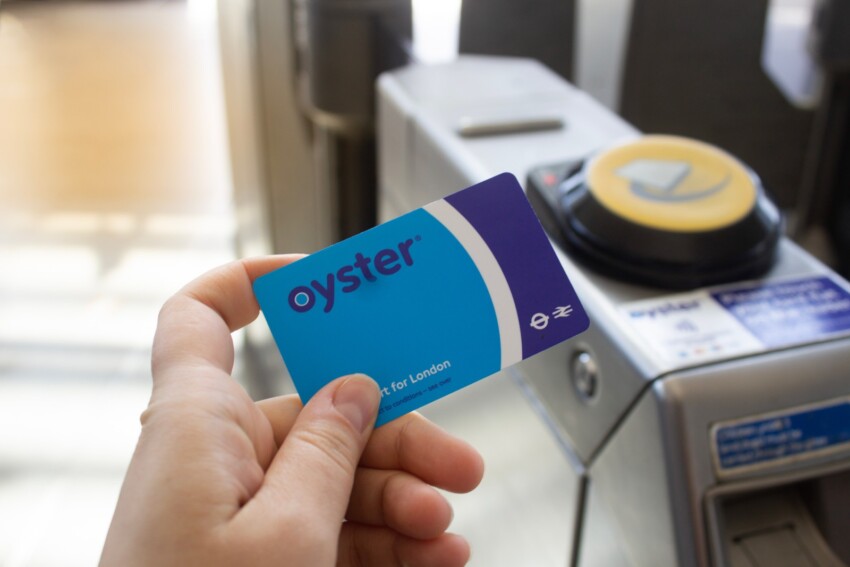
In London, public transport can be paid for exclusively via public transport cards (Oyster Card and London Travelcard) or with contactless debit or credit cards (that is, the bank cards you use daily). Cash or coins are not accepted.
Contactless debit/credit cards
The contactless payment system is undoubtedly the most convenient option for visitors who own a contactless card. Contactless credit/debit cards work exactly like an Oyster Card, with the same fares and the same daily cap benefits, but without the need to purchase and top up a separate card.
One fundamental aspect to remember is the importance of always using the same payment method to enter and exit stations. This applies to both physical cards and payments via smartphone or smartwatch. Card readers, when you pay with digital devices, don’t directly read the card number but generate a unique token associated with the device.
You’ll therefore have the advantage that you can load your debit/credit card onto multiple devices (such as a smartphone or smartwatch) and have it used perhaps by other family members, as they will all register as different cards. However, it’s important that each person always uses the same device for both entry and exit, otherwise it’s as if they’ve used two different cards, even though it’s the same card loaded onto multiple devices.
To give you an example, imagine a family of three visiting London. The same card can be used like this:
physically (mum)
loaded onto a smartphone (dad)
loaded onto a smartwatch (son)
When using the Underground or any other transport, each person must always use the same device. So mum will tap her physical card for both entry and exit, dad will use the smartphone and the son will use the smartwatch.
It’s also important to check with your bank for any fees for using the card abroad, which could affect the value for money of this payment method.
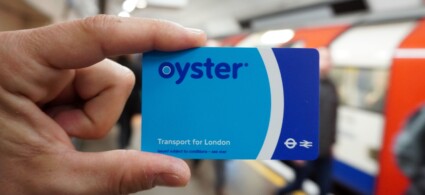
Oyster Card and Visitor Oyster Card
The Oyster payment system represents a revolution in how to use London’s public transport. There are two main variants: the standard Oyster Card and the Visitor Oyster Card.
The traditional Oyster Card can be purchased directly in London at Visitor Centres, all Underground stations, most Overground and Elizabeth line stations, some DLR stations and numerous newsagents displaying the Oyster symbol. The activation fee is £7, which serves as a refundable deposit when you return the card.
Once loaded with credit, you can choose to use it simply by tapping it at the barriers on entry and exit with the pay-as-you-go system or load a season ticket onto it based on your requirements.
The Visitor Oyster Card is specifically designed for tourists and must be purchased before arriving in London via the official website. In addition to the normal Oyster Card functions, it includes advantageous promotions and discounts for numerous tourist attractions. It’s not possible to load season tickets onto this version, but it works with the pay-as-you-go system.
London Travelcard
The Travelcard represents an all-inclusive solution for London transport, available in several durations:
Daily (paper format)
7 days (loadable onto Oyster Card at the price of 5 days)
Monthly
Annual
This season ticket offers unlimited access to all major public transport: buses, Underground, trams, DLR, London Overground, TfL Rail and National Rail in selected zones. Purchase can be made online or at station ticket offices. Further information is available on the official website.
The value for money of the Travelcard depends heavily on the length of your stay, the zones of interest and how intensively you’ll use public transport.
In our view, it becomes worthwhile for those staying at least 5 days in the city, purchasing the weekly season ticket. For shorter stays or more moderate use of transport, the pay-as-you-go solution with an Oyster Card or any contactless card you already own is generally more economical.
Underground
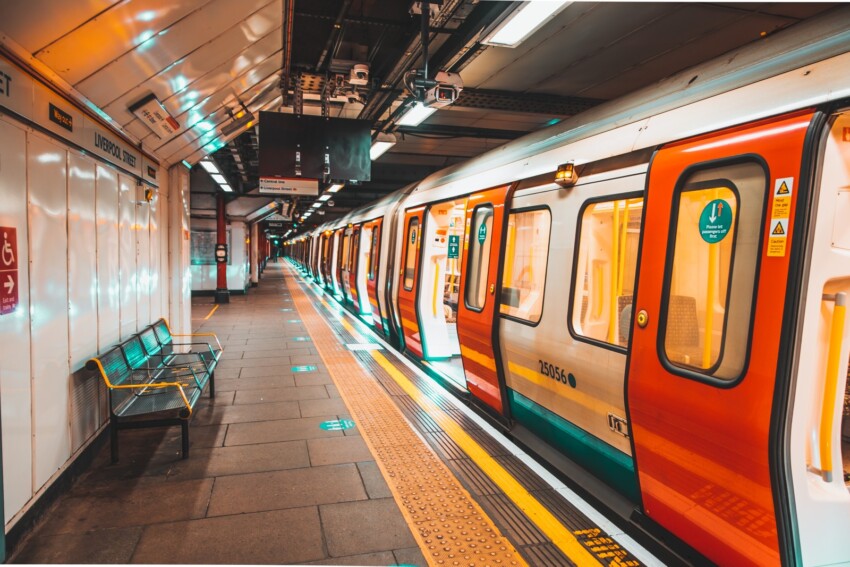
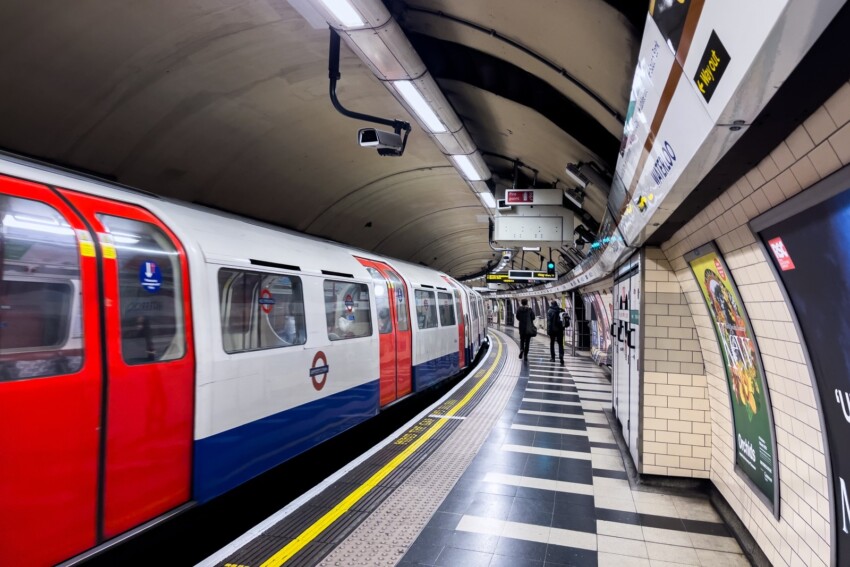
The London Underground, proudly the oldest in the world (opened in 1863) and the most extensive in Europe, represents a true engineering masterpiece. With its 272 stations spread across 11 lines, the Tube transports millions of passengers daily through an intricate system of tunnels that winds beneath the city.
The service operates from 5:00 until 1:00 the next day, with an important exception: on Fridays and Saturdays, some lines (Victoria, Central, Jubilee, Northern and Piccadilly) offer the Night Tube service, operating 24 hours a day. The only day of closure is 25 December.
To navigate the system effectively, it’s essential to understand the directional nomenclature: northbound (heading north), southbound (heading south), eastbound (heading east) and westbound (heading west).
Fares
Fares vary based on two main factors: the number of zones crossed and the time of day. Peak hours are from 6:30 to 9:30 and from 4:00 to 7:00 pm on weekdays and are when fares are at their highest.
There are 9 fare zones and obviously the more you cross, the higher the journey cost. If a station falls on the boundary between two fare zones, the cheaper fare is applied.
Daily Cap on the Underground
The Daily Cap system, which is the maximum daily spend limit beyond which journeys are free, represents one of the most advantageous features of the London Underground. The amount varies based on the zones crossed. For zones 1-2, for example, at the time of writing, the cap is set at £8.10. Once you reach this limit, all subsequent journeys that day will be free within the covered zones. For example, if you make 10 journeys in a day within zones 1-2, you’ll never pay more than this amount. Current and complete fares can always be found on the official London Transport website.
Buses
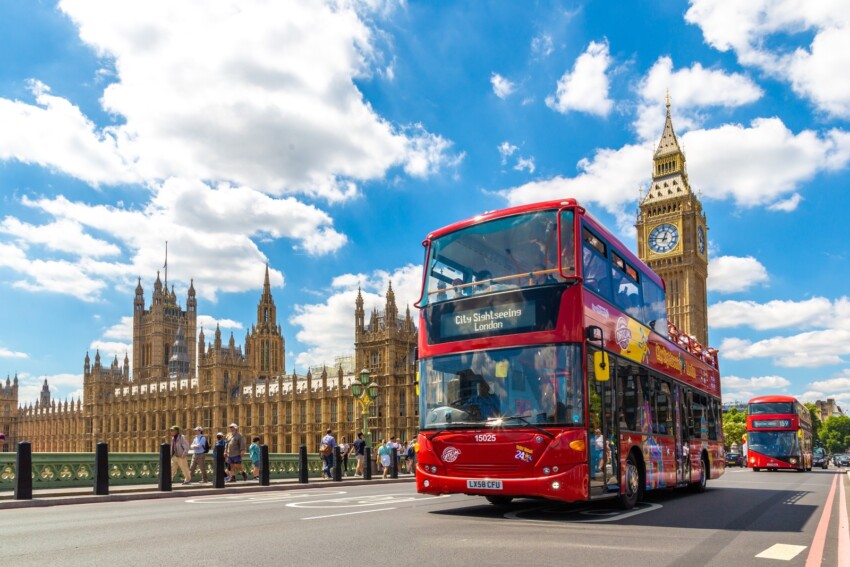
The iconic red double-decker buses are not only a symbol of London, but also represent the most economical and flexible option for exploring the city. With a flat fare per journey regardless of distance travelled or zones crossed, buses offer excellent value for money. Average frequency in the city centre is 5-10 minutes, which can increase in more peripheral areas.
A particularly practical aspect is that it’s no longer necessary (nor possible) to purchase tickets on board with cash. Payments are made exclusively via Oyster card, Visitor Oyster card, contactless cards or Travelcard.
Daily Cap on buses
The daily maximum for buses, at the time of writing, is set at £5.25, a significantly lower limit than that for the Underground. This cap applies exclusively to bus journeys and represents a considerable advantage for those planning to explore the city primarily by this means of transport.
Hopper fare
The Hopper fare has revolutionised the way Londoners use buses. This innovative fare allows unlimited bus and tram journeys within an hour of your first touch-in, paying only once. You need to tap your card each time you board for monitoring purposes, but no additional charges will be incurred within the hour.
An important detail: if between your first and second bus or tram you use any other form of transport (Underground, DLR, London Overground, train, Cloud Cable Car, River Bus), these will follow their respective fare rules.
Night buses
Night buses, identifiable by the letter N before the line number, represent an essential service for London’s nightlife. While the Underground closes around 1:00 am (except for the Night Tube at weekends), night buses continue to operate along the main routes through the city. For real-time information on routes and timetables, you can visit the Transport for London website.
DLR
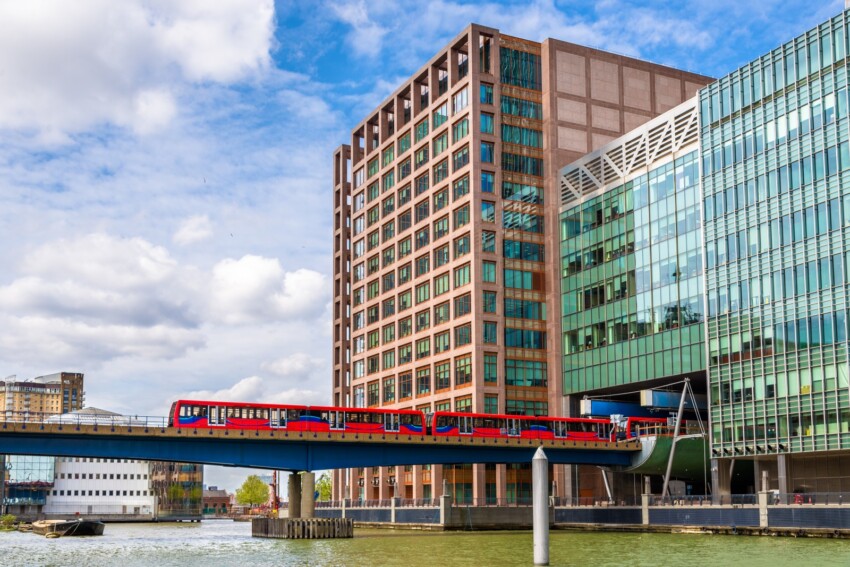
The DLR (Docklands Light Railway) is an automated light railway that runs on elevated tracks through London’s Docklands.
What makes the DLR truly special is the absence of a driver: the trains are completely automated, offering passengers the opportunity to sit in the front carriage and enjoy breathtaking panoramic views of the route, a particularly fascinating experience.
The DLR network extends through east London, connecting the heart of the financial City with the modern Docklands neighbourhoods. From the centre of Bank, through the futuristic skyline of Canary Wharf, to London City Airport and the historic neighbourhoods of Greenwich, the DLR serves as a vital artery for this constantly evolving part of the city.
With 45 stations, it serves both the most dynamic business areas and zones of tourist interest, connecting strategic points such as the ExCel Exhibition Centre, the Cutty Sark and Stratford Olympic Park.
Accessibility is one of the system’s strengths: all stations are equipped with lifts or ramps, making the service particularly suitable for those travelling with luggage, pushchairs or with special mobility needs. The elevated design of the lines not only offers spectacular views of the city, but also allows for a smoother and quieter journey compared to the traditional Underground.
As regards fares and tickets, the DLR is fully integrated into London’s transport system. Passengers can use their Oyster Card, Visitor Oyster Card, contactless cards or Travelcard, exactly as they would on the Underground. Fares follow the same zone scheme, with the added advantage that some stations are located in overlapping fare zones, allowing travellers to always benefit from the cheapest price.
The service is characterised by high frequency, with trains passing every 3-7 minutes during peak hours, guaranteeing quick and reliable connections. From early morning (5:30) to late evening (00:30), the DLR effectively serves residents and visitors, with some lines operating 24 hours a day at weekends, making the system particularly useful for London’s nightlife.
Finally, for travellers heading to London City Airport, the DLR represents the most convenient and efficient option. The journey from Bank to the airport takes just 22 minutes, offering an economical and comfortable alternative to taxis or private services.
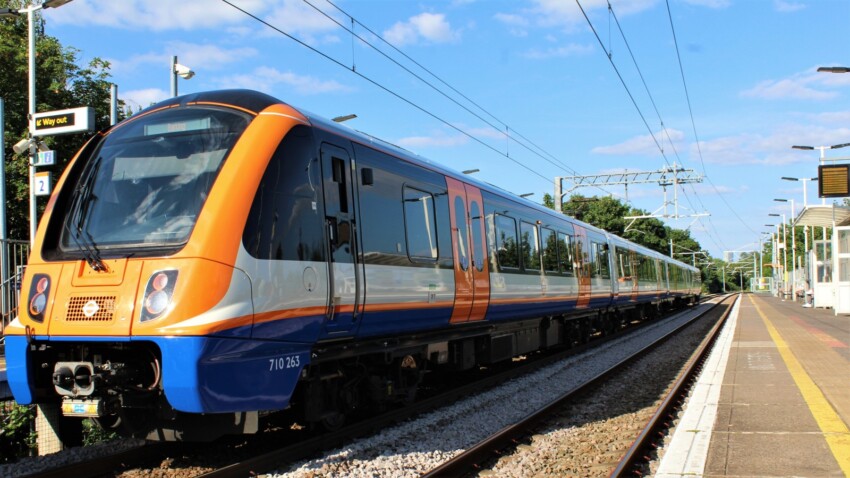
The London Overground is a suburban rail network that serves as an essential complement to the Underground, forming a rail ring around the British capital. Launched in 2007, this service has dramatically transformed connectivity across London’s outer zones, providing vital links between areas previously underserved by public transport.
The network, easily recognised by its distinctive orange symbol, covers six main lines spanning 112 stations, strategically connecting different areas of the city from north to south and east to west. The service is particularly valuable for those needing to travel between outer zones without passing through central London.
Operating hours for the London Overground are designed to meet the needs of commuters and occasional travellers, with trains running from approximately 5:30 until midnight. Train frequency varies from 4 to 8 minutes during peak hours on main routes, increasing to 15-20 minutes during quieter periods and at weekends.
Regarding fares, the London Overground is fully integrated into London’s transport payment system. Passengers can use Oyster Cards, Visitor Oyster Cards, contactless cards or Travelcards, with prices following the same zone-based scheme as the Underground. As with other services, peak and off-peak fares apply, with the advantage of a daily cap that limits your maximum daily spend.
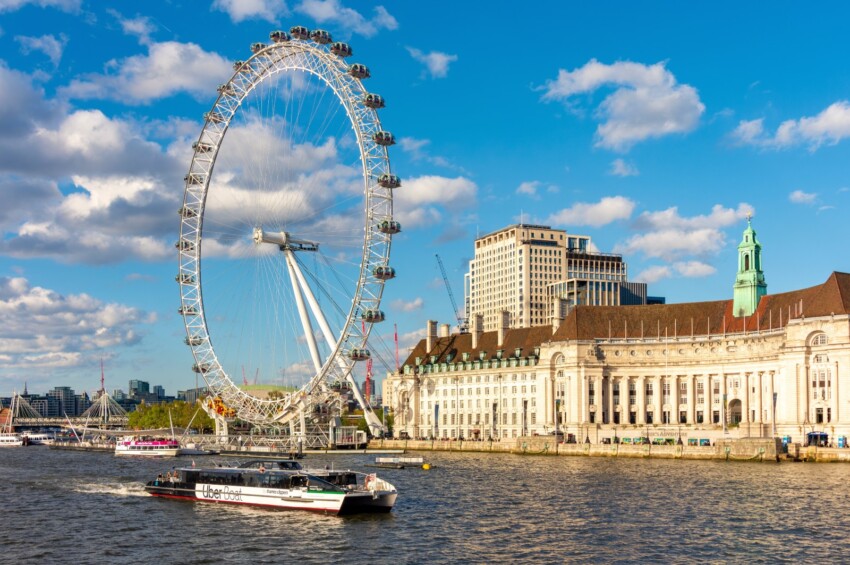
River services on the Thames are far more than just a tourist attraction – they represent a genuine public transport artery offering a unique perspective on the city. Thames Clippers, now rebranded as Uber Boat, is the principal operator of these services, providing regular connections between Putney in the west and Woolwich in the east.
The river network comprises several routes serving 23 piers along the Thames, connecting key attractions such as the London Eye, Tower Bridge and Greenwich.
The service operates with varying frequencies depending on the time of day and season. During peak hours, boats depart every 20 minutes from main piers, whilst during quieter periods and weekends, services run every 30-40 minutes.
The first boat generally departs around 6:00 am, with the last service varying between 10:00 pm and 11:00 pm, depending on the route.
Regarding the fare structure, River Services accept both Oyster Cards and contactless cards, as well as specific tourist tickets.
It’s important to note that fares are separate from London’s general transport system and don’t count towards your daily cap. However, Travelcard holders benefit from a 33% discount on ticket prices.
A significant advantage of river services is the absence of road traffic, guaranteeing reliable and predictable journey times whilst offering spectacular views of the city’s major landmarks. During fine weather, boats also provide a pleasant and refreshing way to travel, avoiding the heat of the Underground.
To optimise transport costs in London, there are several strategies:
Travel during off-peak hours: Fares are significantly lower outside peak times (6:30-9:30 and 4:00-7:00 pm on weekdays).
Avoid Zone 1 when possible: Planning routes that bypass the central zone can result in considerable savings, as fares increase significantly when crossing Zone 1.
Make use of walking: In central London, many attractions are closer than you might think. Walking between Zones 1 and 2 is not only economical but also an excellent way to explore the city.
Use Santander Cycles: The bike-sharing scheme offers the first 30 minutes free, then £1.75 per 30 minutes thereafter. It’s an excellent option for short journeys and exploring the city’s parks.
Children’s fares on public transport
London’s fare system is particularly family-friendly:
Children up to 11 years old: travel completely free on public transport when accompanied by a paying adult.
Young people aged 11-15: can get a 50% discount on an Oyster Card. This discount can only be activated by station staff and is valid for a maximum of 14 days.
To check all current fares and specific conditions for children and young people, it’s advisable to consult the official London transport website.
TAXIS
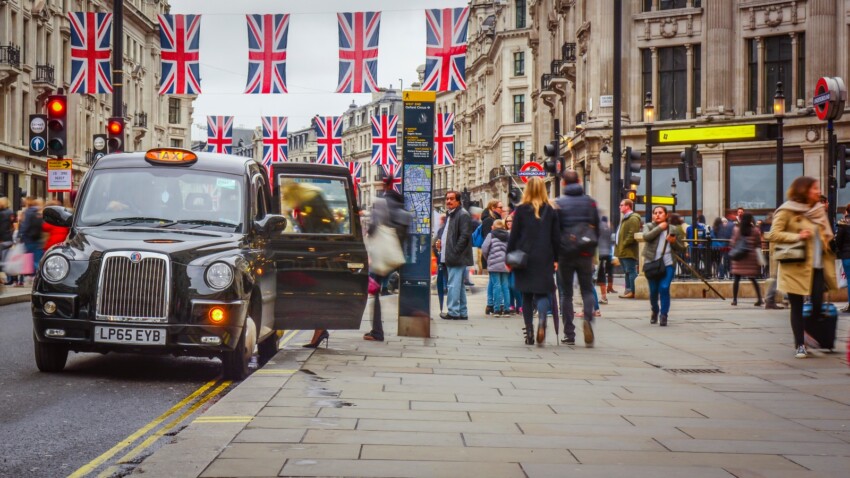
When it comes to taxis in London, there are two worlds that coexist harmoniously: on one hand, the legendary Black Cabs, the undisputed symbol of London tradition, and on the other, modern private taxi services such as Uber, Bolt and FreeNow, which have revolutionised the way people travel around the city.
Black Cabs, traditional taxis
Black Cabs represent far more than a simple transport service: they are a genuine London institution, recognised for their iconic design and the unparalleled professionalism of their drivers. Using a Black Cab is a uniquely memorable experience. When you see the yellow “TAXI” light illuminated, simply raise your arm and the taxi will stop. Vehicles are designed to be fully accessible, with wheelchair ramps and plenty of internal space.
However, fares are higher compared to other services but strictly regulated, ensuring transparency and reliability. Journey costs are calculated by a meter that takes into account various factors: the time of day (with higher fares from 8:00 pm to 10:00 pm and from 10:00 pm to 6:00 am), the day of the week (with special fares on public holidays), distance travelled and time spent in traffic.
Uber and similar services
London’s mobility landscape has been fundamentally transformed by the arrival of ride-hailing and car-sharing services. These services have revolutionised city travel, offering flexible and economical alternatives to traditional transport.
Uber certainly dominates London’s ride-hailing scene, with various options to suit every need, from the standard UberX service, ideal for everyday journeys at the best price, to UberXL for groups of up to 6 people, to Uber Pool, which allows you to share the ride with other passengers heading in similar directions, significantly reducing costs.
Bolt has established itself as Uber’s main competitor, often with more competitive fares, whilst FREE NOW represents an interesting hybrid between the world of traditional taxis and modern platforms: it allows you to book both Black Cabs and private vehicles from the same app.
How to save on transport and entrance fees
City Card allow you to save on public transport and / or on the entrances to the main tourist attractions.


 Hotel
Hotel  Budget accommodations
  Apartments
  Family Hotel
  Luxury Hotel