1 Zedwell Hotel Piccadilly Circus
London - Great Windmill Street, Piccadilly Circus
Book now
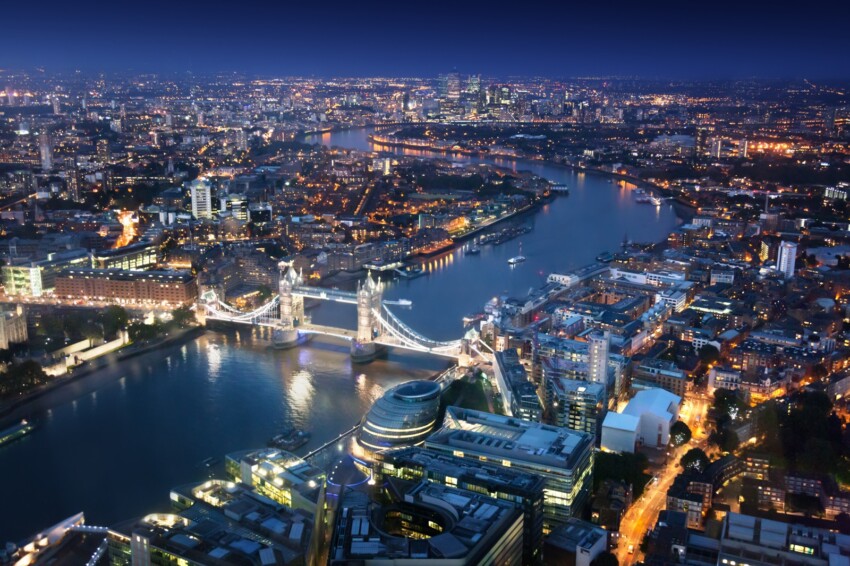
Choosing accommodation in London is a crucial decision that can make the difference between an ordinary experience and an unforgettable stay.
Unlike other cities, there is no single area that can be identified as the true centre, so choosing which neighbourhood to stay in is not straightforward.
Much will depend on your interests, the purpose of your trip and your adaptability.
London is an enormous city, but thanks to its efficient public transport network, no area is ever far away. Regardless of which neighbourhood you choose, the most important advice we can offer is to find accommodation that is close to an underground station, as the Tube will certainly be your primary means of transport.
The cost of accommodation in London can vary considerably, and more distant neighbourhoods are not always cheaper. For example, if you stay in an area with hotels catering mainly to business clients, rooms will cost less at weekends, whereas the opposite is true for hotels aimed primarily at tourists.
To help you decide, we have selected some of the best budget hotels in London.
In this detailed guide, we will explore the best neighbourhoods to stay in London, analysing the strengths and weaknesses of each area and its connections to major points of interest.
Westminster and St James’s represent the beating heart of historic and institutional London. Choosing to stay in this area means immersing yourself completely in the royal and political atmosphere of the British capital. The location is simply unbeatable for those wishing to visit the main attractions: Big Ben, Westminster Abbey and Buckingham Palace are literally just a stone’s throw away. Connections with the rest of the city are excellent, and the presence of extensive green spaces such as St James’s Park offers pleasant moments of relaxation between visits.
However, this centrality comes at a price. The neighbourhood is constantly crowded with tourists, and this is reflected in high prices for both accommodation and restaurants. Nightlife is virtually non-existent, replaced by venues designed mainly for tourists. Those seeking an authentic experience of London life may be disappointed: there are no neighbourhood shops and the vibrancy typical of more residential areas is lacking.
Those who choose Covent Garden and Soho find themselves in the vibrant heart of London’s entertainment scene. These neighbourhoods offer an electrifying urban experience, where art merges with nightlife and gastronomic culture. The streets are animated at any hour of the day and night, with an incredible concentration of theatres, restaurants of every type and distinctive shops. The area is perfectly served by the underground, allowing for easy travel to any part of the city.
The flip side of such vitality is a constant level of noise, especially in the evenings. At weekends, the streets fill with Londoners and tourists, creating a festive atmosphere that can be overwhelming for those seeking peace and quiet. Prices are decidedly high, reflecting the area’s popularity. Heavy traffic during rush hours can make surface travel particularly frustrating.
Mayfair and Marylebone embody the essence of refined London elegance. These upmarket residential neighbourhoods offer a sophisticated and peaceful accommodation experience whilst maintaining an enviable central location. Proximity to Hyde Park guarantees splendid walks through green spaces, whilst elegant streets host some of the city’s most exclusive boutiques and Michelin-starred restaurants. The atmosphere is that of London from another era, where luxury expresses itself through discreet and classy elegance.
The quiet and exclusivity of these neighbourhoods are inevitably reflected in the prices, among the highest in the city. The area may be too tranquil for those seeking nightlife and entertainment, and the general atmosphere might seem rather formal for some visitors’ tastes.
Paddington has undergone an extraordinary transformation in recent years, evolving from a simple transit zone into a vibrant and modern neighbourhood. The area’s beating heart is the historic railway station, the arrival point for the Heathrow Express. But Paddington today is far more than a transport hub: the complete renovation of the canal area, with the lively Merchant Square and the picturesque Little Venice, has created an attractive and well-serviced residential zone.
The neighbourhood offers an excellent logistical base for exploring London, with rapid connections in all directions and proximity to Hyde Park and Kensington Gardens. The area has seen a flourishing of hotels in various categories, modern restaurants and renovated public spaces. The mix of Victorian architecture and contemporary developments creates an interesting atmosphere, whilst walks along the canal offer an unexpected oasis of tranquillity.
However, some areas of Paddington still maintain a very “transit-orientated” character, with a constant flow of travellers. Accommodation prices, whilst more reasonable than neighbouring Mayfair and Marylebone, remain elevated. The area immediately around the station can be chaotic and some stretches lack the historic charm of other London areas. Nightlife is limited, with many venues serving mainly hotel guests.
King’s Cross represents one of London’s most successful examples of urban regeneration. The area, once a derelict industrial zone, has transformed into one of the city’s most dynamic and cutting-edge neighbourhoods. The focal point of this renaissance is the magnificent Coal Drops Yard complex, a former Victorian coal depot now converted into a sophisticated shopping and cultural centre, alongside the prestigious Central Saint Martins University of the Arts.
The area offers an exceptional blend of industrial heritage and modernity, with carefully restored Victorian buildings alternating with breathtaking contemporary architecture. Connections are among the best in London: King’s Cross St Pancras station serves six underground lines and is the main hub for trains heading north and to Europe via Eurostar. The Regent’s Canal offers pleasant walks, whilst the British Library and numerous cultural venues enrich the area’s offerings.
However, the area can be very crowded, especially during rush hours around the stations. Some peripheral areas of the neighbourhood are still under development and can appear less welcoming, particularly in the evenings. Accommodation prices are rising rapidly, reflecting the area’s growing popularity.
Notting Hill, made famous by the eponymous film, is one of London’s most charming and photogenic neighbourhoods. Its tree-lined streets, dotted with colourful houses and fashionable boutiques, tell the story of transformation from a working-class area to a neighbourhood favoured by London’s creative elite. The famous Portobello Road market, with its antique dealers and vintage stalls, attracts visitors from around the world, especially at weekends.
The neighbourhood offers a unique atmosphere, where elegance blends with a bohemian soul that never quite fades. Numerous independent cafés, trendy restaurants and traditional pubs create a lively but not overly touristy environment.
The price for such charm is, quite literally, high: rents are among London’s most expensive. During weekends, especially Saturdays, the Portobello Road area can become extremely crowded. Some of the more touristy zones have lost some of their authenticity, with shops and venues targeting mainly visitors.
Shoreditch and East London represent the most contemporary and dynamic face of the capital. These former industrial neighbourhoods, now completely regenerated, have become the centre of London’s alternative art and cultural scene. The area is bursting with independent art galleries, vintage markets, street art by international artists and venues with unique atmospheres. Prices are generally more reasonable than the centre, and the atmosphere is decidedly younger and more creative.
However, the area may be less convenient for those wanting to concentrate on classic tourist attractions. Connections to the centre, whilst good, require longer travel times. Some areas may still seem “in transition” and less well-maintained than more central neighbourhoods.
The South Bank offers a unique perspective on the city, with breathtaking views of the north bank of the Thames. This stretch of river has become one of London’s most vibrant cultural centres, home to institutions such as the Tate Modern and Borough Market. The neighbourhood is perfect for lovers of contemporary art and theatre, with the added advantage of being just steps away from the main attractions.
On the other hand, the area can be very crowded at weekends and during special events. Some stretches along the river can seem somewhat touristy and lacking in services for residents. Prices, whilst more reasonable than Westminster or Mayfair, remain high in the most sought-after areas.
Kensington and Chelsea offer the perfect balance between Victorian elegance and modern comfort. These upmarket residential neighbourhoods are characterised by tree-lined avenues, splendid Victorian-style architecture and some of London’s finest museums. The area is particularly appreciated by families for its tranquillity and safety, as well as for the presence of numerous green spaces.
As drawbacks, you should consider that prices are among the city’s highest, both for accommodation and services. Nightlife is virtually non-existent, and some areas may seem rather formal for younger visitors.
Connections to the centre, whilst good, require slightly longer travel times than other areas.
Earls Court represents an interesting middle ground between the more exclusive areas of Kensington and the more affordable areas of west London. The neighbourhood, historically known for hosting backpackers and students, has undergone a gradual transformation in recent years that has made it more refined whilst maintaining relatively affordable prices for the area.
The location is strategic: two underground lines (District and Piccadilly) guarantee rapid connections to the centre and Heathrow, whilst proximity to areas such as South Kensington and Chelsea allows you to enjoy the attractions of these more exclusive neighbourhoods. The neighbourhood has a variety of ethnic restaurants, traditional pubs and shops of every type, offering an authentic experience of London life.
Among the less positive aspects, some areas may appear less well-maintained than the neighbouring more prestigious neighbourhoods. The main street can be noisy and busy, and the area lacks large green spaces in its immediate vicinity. Nightlife is limited, although good connectivity allows you to easily reach more lively areas.
Camden Town embodies London’s most eccentric and bohemian soul. This lively neighbourhood north of the centre is famous for its legendary market, a reference point for lovers of alternative culture, music and vintage fashion. The streets are filled with peculiar shops, historic pubs and music venues that have shaped the history of British rock. The atmosphere is young and informal, with a strong presence of artists and creatives who help maintain the neighbourhood’s rebellious spirit.
The area offers an authentic experience of less touristy London, with more affordable prices compared to the centre. The presence of the Regent’s Canal adds a picturesque element, with its walks along the water and numerous cafés lining its banks. Connections to the centre are excellent thanks to the Northern Line, and the area is well served by night buses.
However, Camden can be chaotic and overcrowded, especially at weekends when the market attracts hordes of visitors. Some areas, especially at night, can appear less well-maintained and safe compared to other more central neighbourhoods. The very active nightlife could disturb those seeking a peaceful stay.
West Hampstead is a neighbourhood that has reinvented itself in recent years as one of North London’s most compelling residential areas. This vibrant district strikes a perfect balance between the peaceful atmosphere typical of residential zones and a youthful, cosmopolitan vibe. West End Lane, the neighbourhood’s main thoroughfare, is lined with independent cafés, ethnic restaurants, welcoming bookshops and specialist food shops.
One of West Hampstead’s chief advantages is its exceptional connectivity: the area is served by three different stations (Underground, Overground and Thameslink), making it a strategic hub for exploring not only London but also the surrounding areas. Whilst accommodation prices aren’t budget-friendly, they’re considerably more accessible than Hampstead village, with a more varied selection including modern flats and converted Victorian townhouses.
On the downside, you should allow for approximately 20-25 minutes’ travel to reach the city centre.
When planning your stay in London, carefully consider your needs and the type of experience you’re after.
For a first visit, central areas such as Westminster or Covent Garden offer the convenience of having everything on your doorstep. For longer stays or those seeking a more authentic experience, more peripheral neighbourhoods like Shoreditch or residential areas such as Kensington might prove to be better choices.
Don’t underestimate the importance of transport links: proximity to an Underground station can make a considerable difference to the quality of your stay. Finally, remember that prices vary significantly depending on the season: summer and the Christmas period are peak times, when finding affordable accommodation becomes particularly challenging.
Booking well in advance is always advisable, particularly in the most sought-after areas.
Use the form below to check room availability and prices in real time.

 Hotel
Hotel  Budget accommodations
  Apartments
  Family Hotel
  Luxury Hotel