Things to Do in Edinburgh
The city's top attractions, free museums and parks, city centre itineraries and nearby attractions: discover the best of Edinburgh.
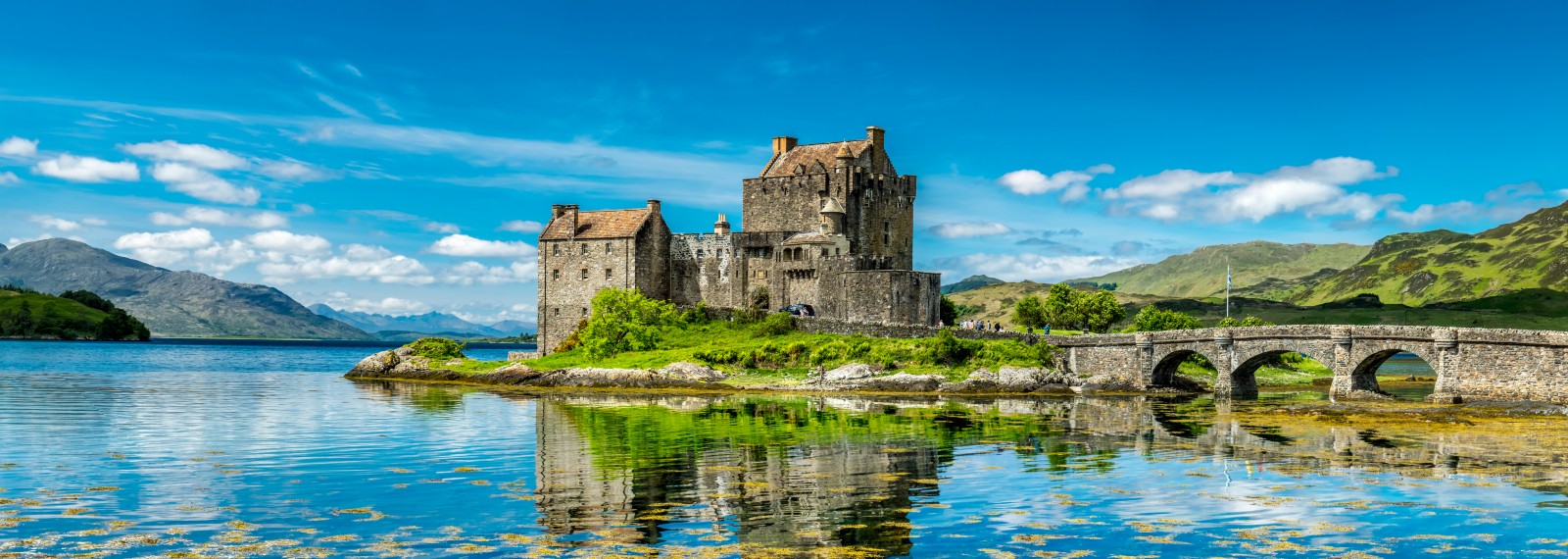
With its incredible, wild and evocative landscapes, Scotland is the ideal destination to lose all sense of time and place and feel at one with nature.
Romanticism in Scotland is nurtured by vast expanses but also by gothic atmospheres and ruined castles that serve as repositories for countless legends. Myths and superstitions passed down through the centuries, not least the legend of the Loch Ness Monster, have fuelled the appeal of its most remote lands and created an aura of mystery that draws visitors with magnetic force.
But have no fears: you’ll be welcomed to this land of writers and warriors not by frightening ghosts, but by a jovial people with a sharp sense of humour. The Scottish are a nation of readers and lovers of fine whisky, they enjoy stand-up comedy shows and applaud street performers who enliven the streets of Edinburgh.
A holiday in Scotland is the green of the Highlands, rainbows that appear unexpectedly, sheep blocking the roads, the roar of ocean waves, the legend of Braveheart, the mighty sound of bagpipes… but it’s also the nightlife of Glasgow and the vibrant cultural life of Edinburgh.
The list of essential places to visit in Scotland is a long series of castles, lochs, glens, islands, villages, harbours, whisky distilleries, breweries and other natural and folklore wonders, complemented by two vibrant cities like Edinburgh and Glasgow.
Among the things to see in Scotland here are 5 attractions you mustn’t miss.
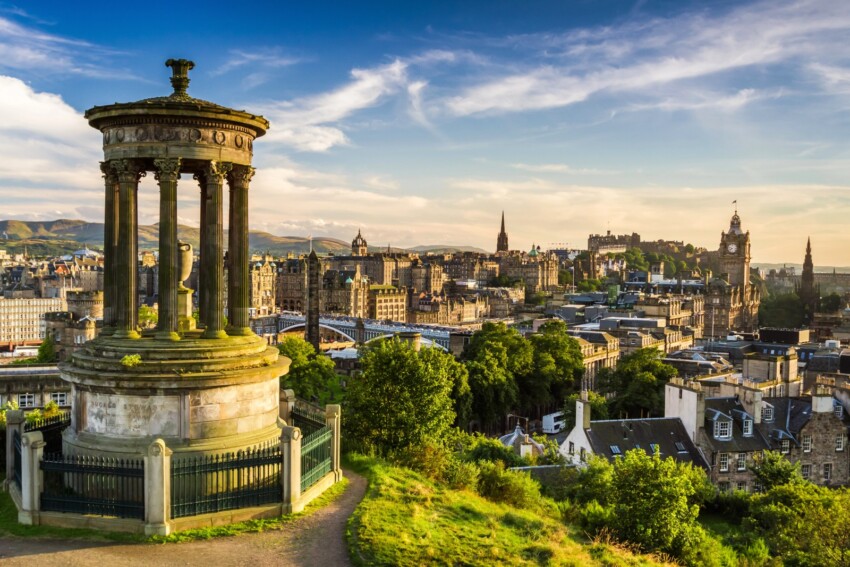
Little Edinburgh is one of Europe’s most beautiful capitals. Perfect for a weekend or as the first stop on a longer Scottish holiday, it stays in visitors’ hearts for its intimate atmosphere, romantic views, literary connections, lively pubs and the countless stories and legends woven into its medieval streets.
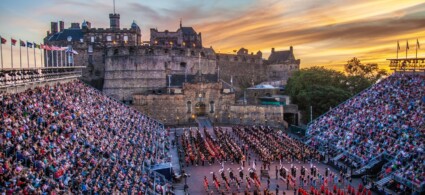
Let the sound of bagpipes guide you as you explore the city. Admire it from the top of its magnificent castle, proudly perched on the hilltop. Stroll along the Royal Mile to the elegant Holyrood Palace, then venture into underground Edinburgh on a spine-tingling tour that reveals the impressive network of vaults beneath the historic centre.
After visiting museums and monuments, treat yourself to coffee and cake at one of its charming cafés – perhaps the very one where J.K. Rowling began writing the Harry Potter saga – then pop back out to browse the kilt and tartan shops in the city centre.
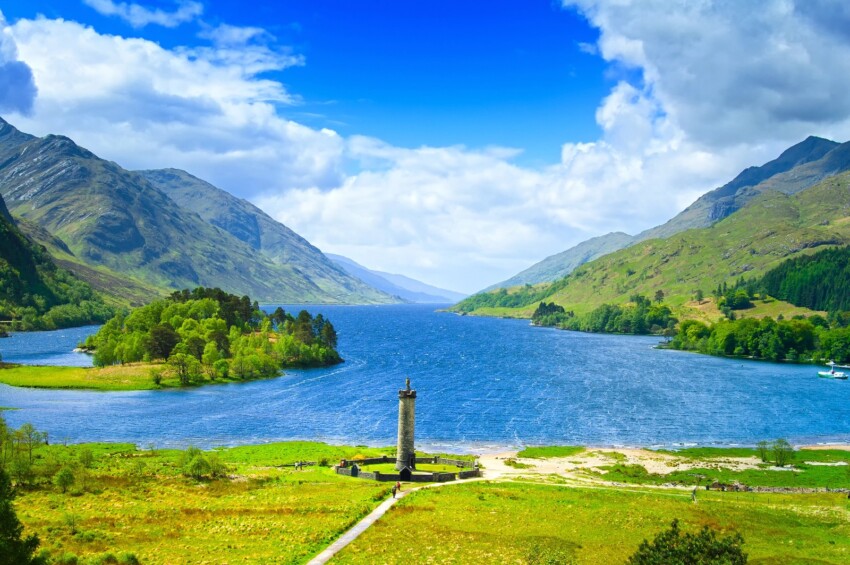
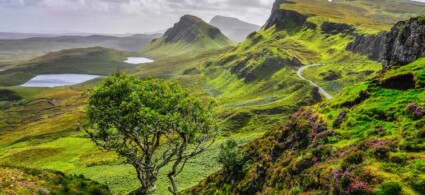
The Highlands are postcard Scotland: the country’s wildest region will astound and enchant you with its breathtaking landscapes.
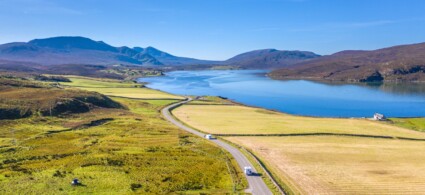
In these remote lands you can drive for hours without seeing a soul, whilst before your eyes unfolds the magnificent vista of imposing mountains, endless glens, dark lochs that mirror a clear sky, fantasy-like moorlands, deep fjords and glimpses of ocean.
This fairy-tale setting is the perfect backdrop for exhilarating driving tours, trekking and photography sessions. Surrounded by the silence of unspoilt nature, you’ll feel as though you’re living out one of the legends and ballads that populate Scottish folklore.
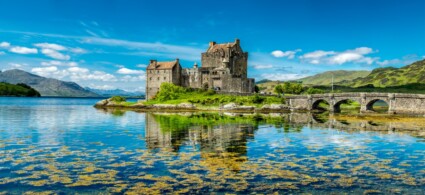
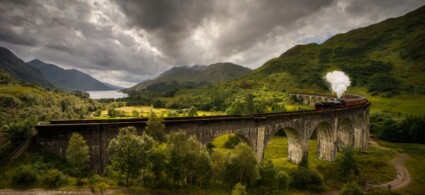
Must-see attractions in the Highlands are: Eilean Donan, Scotland’s most photographed castle, standing on a small island in the middle of a loch; the stark and evocative glen of Glencoe; Glenfinnan, where you can see the monument marking the start of the Jacobite Rising and the viaduct crossed by the legendary steam train featured in the Harry Potter films.
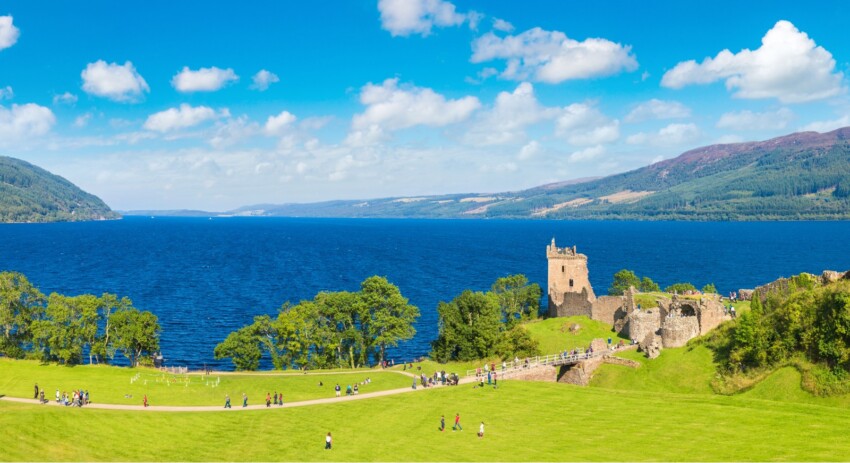
A holiday in Scotland isn’t complete without a monster hunt! Cruise the waters of Loch Ness with your camera ready to capture Nessie, the legendary creature living in the depths of the loch whose myth has intrigued locals, scientists, writers and tourists alike.
Don’t be disappointed if you don’t spot her – Nessie is shy and rarely appears. You can easily console yourself with the infinite beauty of the surrounding landscapes.
Must-see attractions in the Loch Ness area are the ruins of Urquhart Castle, the village of Fort Augustus, Foyers Falls, Stratherrick Glen and Glen Affric. For monster fans there’s the Loch Ness 2000 Exhibition, whilst children can have fun at Nessieland, a themed adventure park.
If you have sufficient time, you can do a complete circuit of Loch Ness to see the less touristy eastern side, which is actually the most scenic.
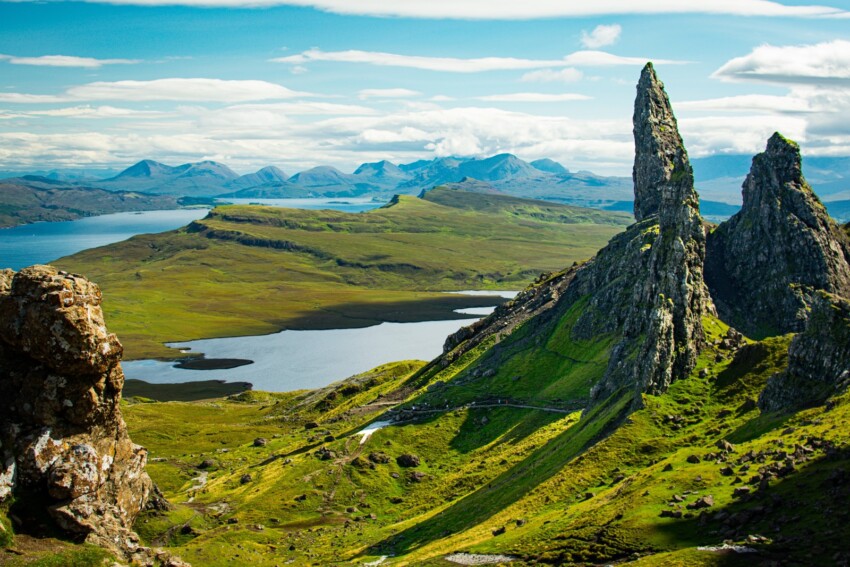
Among hundreds of Scottish islands, Skye is the most romantic and evocative. Bordered by a jagged coastline and characterised by wild glens and high mountains, the Isle of Skye somewhat resembles a prehistoric monster. Its barren landscapes and archaic charm have made it one of Scotland’s most visited attractions.
The best way to explore the Isle of Skye is to do a circular driving tour, in an anticlockwise direction.
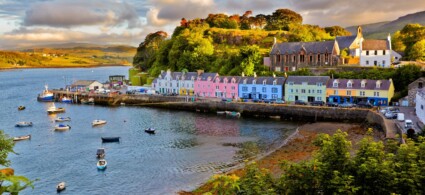
Must-see attractions are: the village of Portree, the Trotternish peninsula, Dunvegan Castle, Neist Point lighthouse, the Cuillin mountains. To learn about the harsh conditions of island life, visit the fascinating Skye Museum of Island Life.
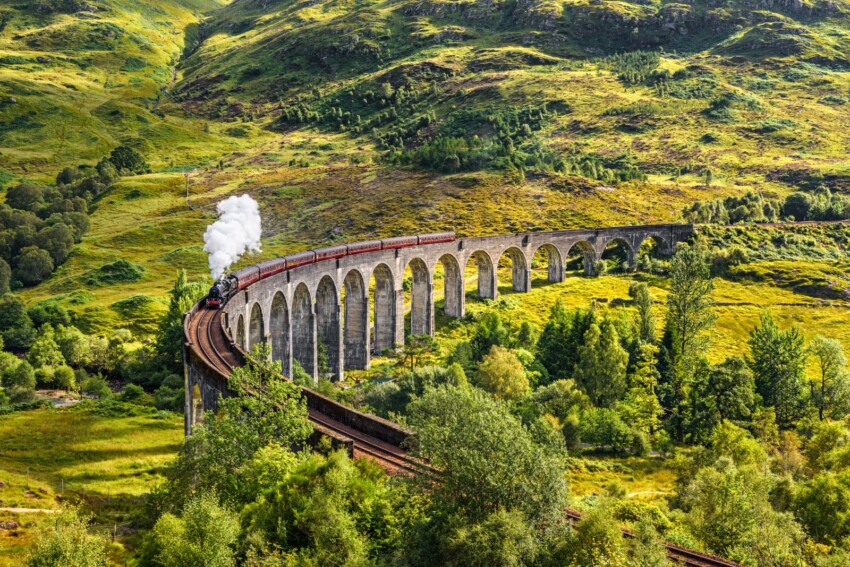
The iconic Jacobite Steam Train, known to Harry Potter fans as the Hogwarts Express, travels through some of the most spectacular Highland scenery. The journey from Fort William to Mallaig includes crossing the Glenfinnan Viaduct, which has become an emblem of cinematic magic. This train journey is considered one of the most scenic in the world.
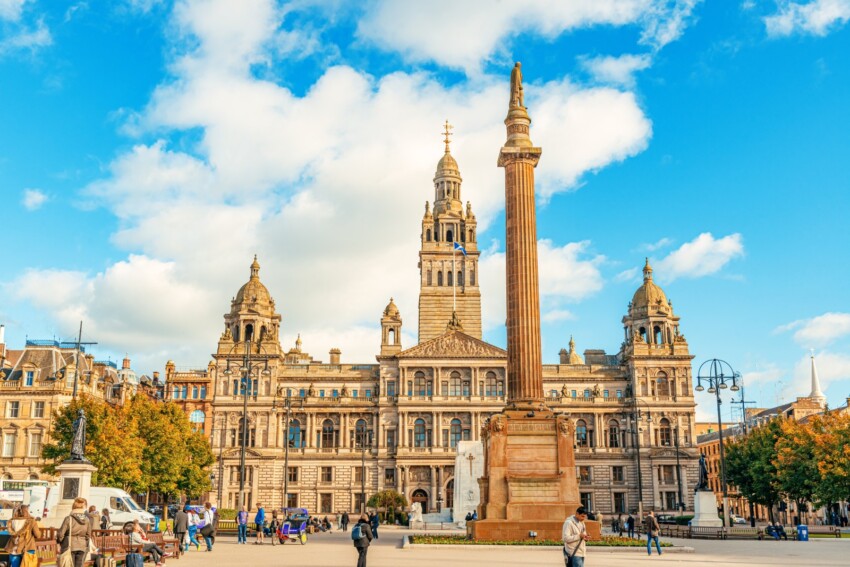
The dynamic city of Glasgow will show you the modern, cosmopolitan side of Scotland. It seems impossible that the fairy-tale atmospheres of the Highlands and lochs are just a few hours’ drive from this electrifying city, brimming with contemporary art galleries, fashionable shops, trendy clubs, cultural events, concerts, quirky attractions and home to two legendary football clubs.
Despite its ultra-modern appearance, Glasgow is a city with a long history: it’s home to the Hunterian Museum, Scotland’s oldest museum.
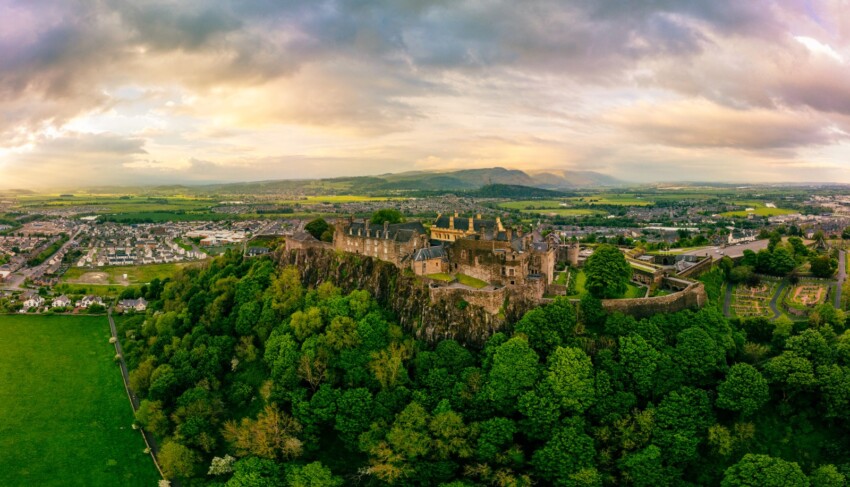
Perched on a volcanic crag, Stirling Castle stands as one of Scotland’s most historically significant fortresses. This royal residence played a pivotal role in Scottish independence, dominating the sites of famous battles including Bannockburn and Stirling Bridge.
The medieval old town beneath the castle features well-preserved merchant houses and the Holy Rude Church, where James VI was crowned. Modern Stirling balances its rich heritage with contemporary culture, hosting vibrant festivals and offering excellent shopping in its Victorian arcade.
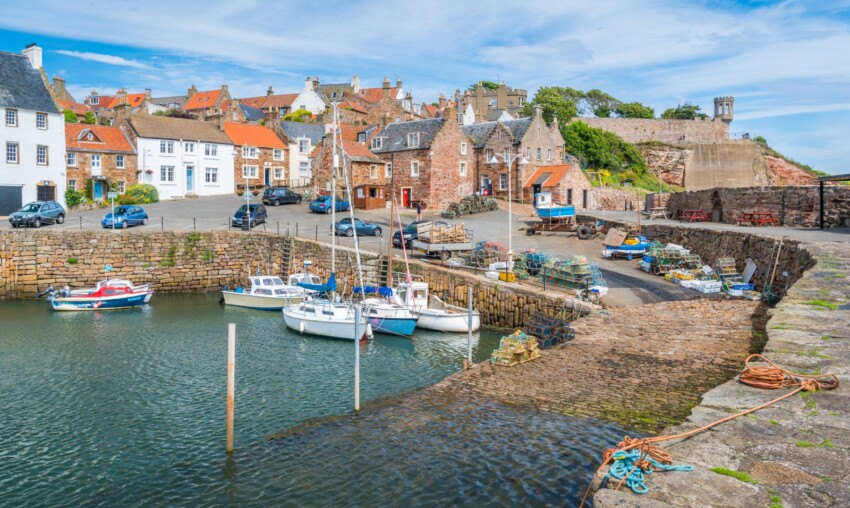
The picturesque Fife coastline, known as the East Neuk, features a series of charming fishing villages with distinctive red-tiled roofs and historic harbours.
St. Andrews, the jewel of Fife, combines medieval architecture with prestigious university life and its renowned status as the home of golf. The ruins of St. Andrews Cathedral and Castle tell stories of religious reform and royal intrigue, whilst golden beaches draw visitors throughout the year.
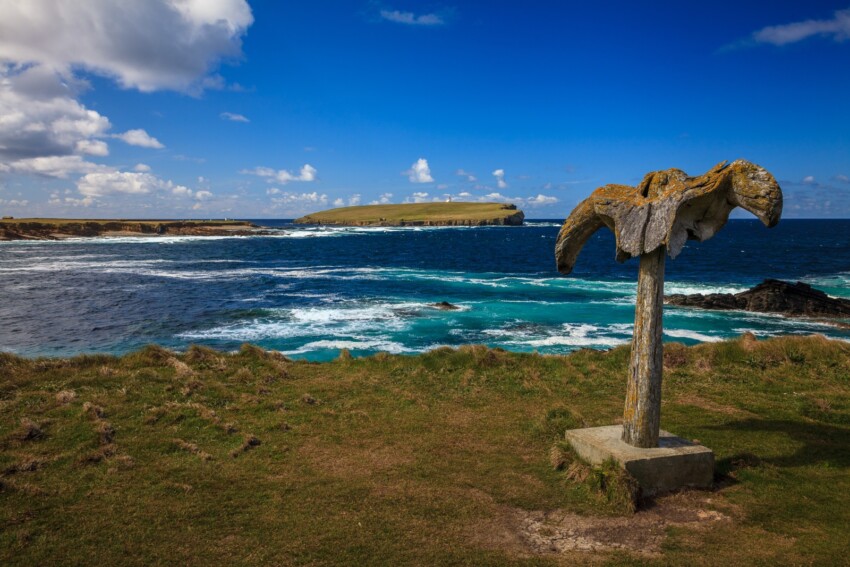
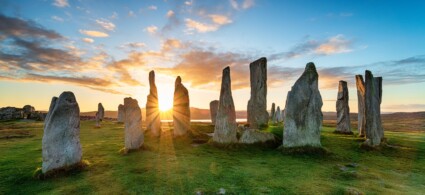
The Orkney, Shetland and Hebrides represent three distinctive archipelagos, each with its own unique culture. Orkney is famous for prehistoric sites like Skara Brae, Shetland for its Viking heritage, whilst the Hebrides enchant with lunar landscapes and Caribbean-like beaches. Each archipelago offers a deep immersion into Gaelic and Norse culture.
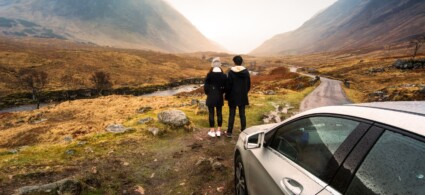
Buses and trains in Scotland work reasonably well and are a good option if you want to travel between the main cities or if you want to base yourself in the capital Edinburgh and take only short day trips. However, to truly appreciate Scotland’s evocative charm, a car is essential: only with a private vehicle can you reach the remote, wild lands that are the defining feature and wonder of this country.
A self-drive tour of Scotland allows you to travel at your own pace, stopping whenever you wish, and to reach tiny villages not served by public transport.
A classic Scottish tour covering Edinburgh, the main Highland locations and the Isle of Skye requires at least 7 days, but with 4-5 days you can see some of the finest areas.
Two weeks are needed for a grand tour of Scotland that allows you to add the dynamic city of Glasgow with its many cultural attractions to the classic itinerary, venture to the north of the country (often overlooked by tourists) and have plenty of time for leisurely walks, loch cruises, shopping and some well-deserved relaxation.
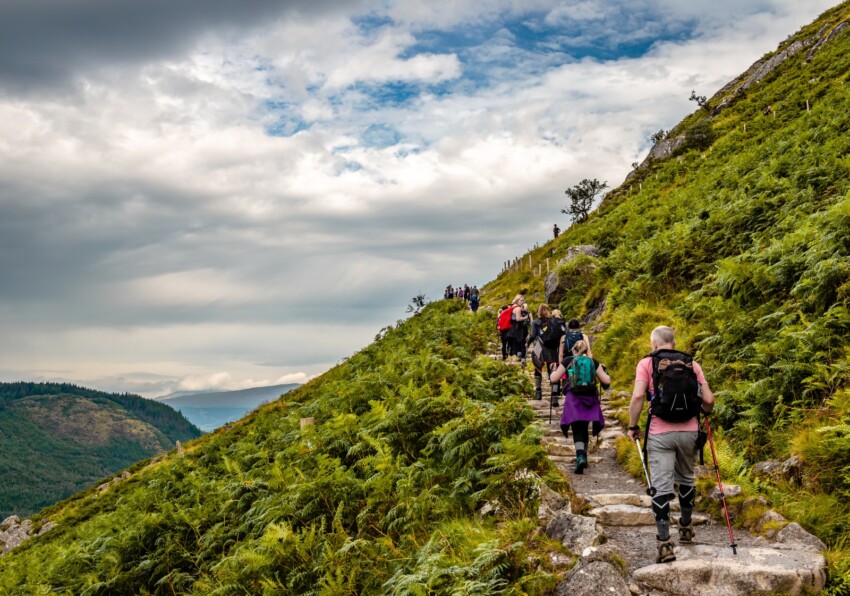
The grandeur of its landscapes and the spectacular views to be enjoyed whilst walking have made Scotland one of Europe’s most popular destinations for trekking enthusiasts. It’s an activity much loved by Scottish people too, who undeterred by changeable weather explore the country’s finest areas on foot.
You can choose to do simple day walks following one of the many marked trails or, if you’re more experienced, tackle a multi-day itinerary such as the West Highland Way, East Highland Way, Great Glen Way or The Clyde Coast Way.
The best time to visit Scotland is summer, when temperatures reach their highest and natural daylight lasts well into the evening. Scottish summers are cool, around 22°C, so you’ll never suffer from excessive heat. Unfortunately, this is peak tourist season, so flights and hotels command higher prices.
Travelling in autumn or spring allows you to save money and enjoy the famous attractions without the crowds. Visiting Scotland in winter is not recommended, except for the Christmas and New Year period in Edinburgh: whilst temperatures aren’t harsh, days are very short and the lack of daylight can affect your mood.
Rain is frequent throughout the year, so there’s little point letting it influence when you travel: pack a waterproof jacket and shoes, and learn from the Scots, who venture out even during heavy downpours. A museum or pub makes a welcoming refuge if you need to escape the worst of the weather.
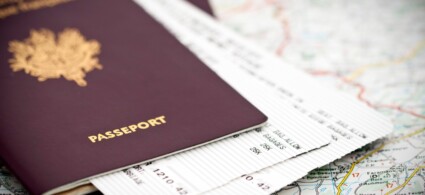
The simplest and most economical way to get to Scotland is by flight to Edinburgh or Glasgow airports. Both cities have direct flights from major European cities.
If you’re already elsewhere in Great Britain, you can reach Edinburgh by fast train from London or other major English cities. There’s also an extensive coach network connecting Edinburgh and Glasgow, with onward services to smaller towns.
Scotland’s international dialling code is +44, which applies across the UK: to call a Scottish number, dial 0044 followed by the recipient’s number.
Scotland is on the same time zone as London (GMT/UTC +0). Daylight saving time is in effect during the summer months.
Electrical sockets in Scotland are type G, the British standard with three rectangular pins, different from continental European standards. Before travelling, it’s advisable to get a universal adapter, easily available online. The voltage is 230V at 50Hz, identical to European standards, so no transformer is needed for European appliances.
The Scottish flag features a white diagonal cross (known as the saltire or St Andrew’s Cross) in the shape of an X on a blue background.
Since Scotland doesn’t have complete independence, the UK flag with white and red crosses on a blue background, commonly called the Union Jack, is used at official international ceremonies.
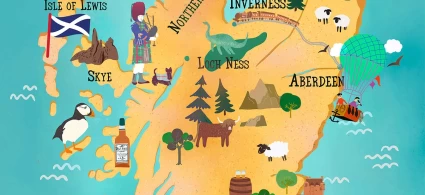
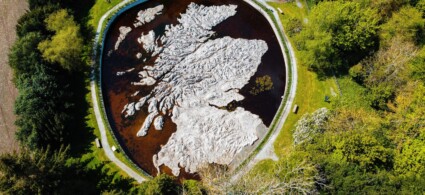
Scotland comprises the northern part of the island of Great Britain, which also includes England and Wales. These three nations, together with Northern Ireland, are not fully independent and collectively form the United Kingdom (UK), as you can see in the Scotland map section.
Scotland’s official currency is the pound sterling (in English, pound, symbol GBP). One pound is worth slightly more than one euro, though this is merely indicative as exchange rates fluctuate constantly, sometimes significantly.


 Hotel
Hotel  Budget accommodations
  Apartments
  Family Hotel
  Luxury Hotel