Oban
Oban is a popular tourist destination renowned for its whisky and its strategic location as a gateway to the Hebrides, in the west of Scotland.
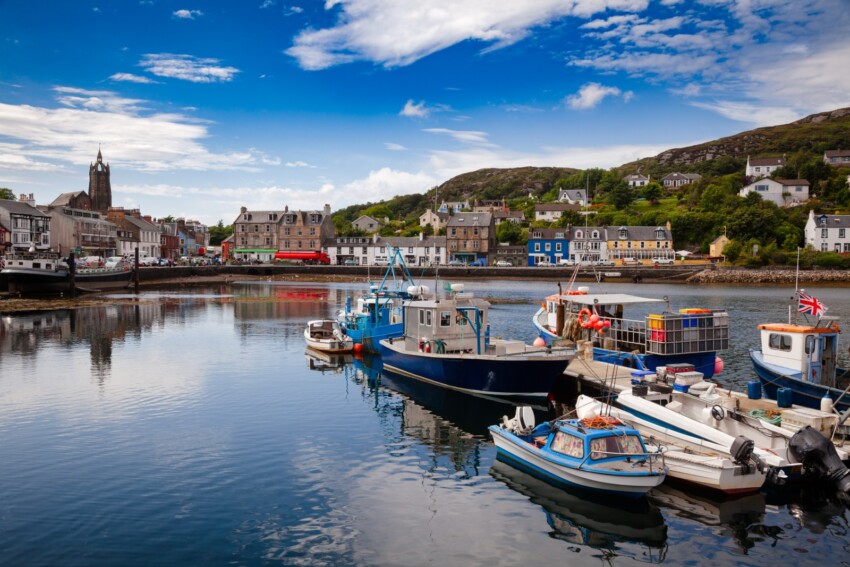
Argyll is bordered to the south-east by the Loch Lomond and The Trossachs National Park and to the north by the Glencoe valley, with its western side facing the sea entirely. Following the coastal route, you can explore the fjords or set sail for some of Scotland’s most beautiful and wild islands, famous for their whisky, such as Jura, Islay, Arran or Mull.
To the north of the county you’ll find a wealth of prehistoric monuments such as cairns (piles of rough stones) and standing stones, so much so that within a 10-kilometre radius of the village of Kilmartin you can visit 150 fascinating sites.
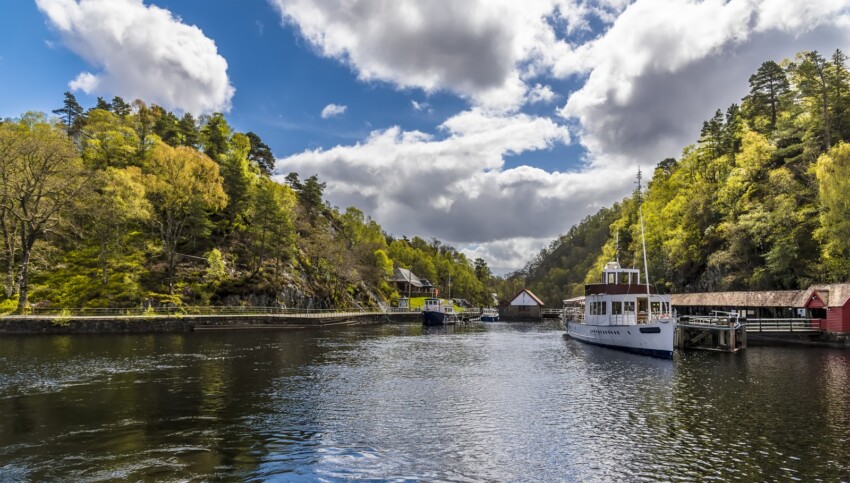
The Loch Lomond and The Trossachs National Park is Scotland’s first national park, a breathtaking wilderness area that forms a meeting point between the Highlands and the Lowlands.
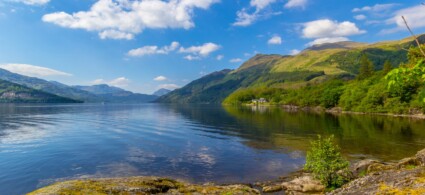
The heart of the park, Loch Lomond, is the largest freshwater body in Britain by surface area, with its “bonnie banks” immortalised in traditional Scottish songs. The surrounding Trossachs, often called the “Highlands in miniature”, offer a captivating preview of the landscapes of northern Scotland.
This region is a paradise for outdoor enthusiasts, with the West Highland Way winding through ancient forests and along the shorelines. Victorian towns in the area such as Callander and Aberfoyle are welcoming bases for exploration, with their stone buildings housing traditional pubs and tea rooms where walkers can rest.
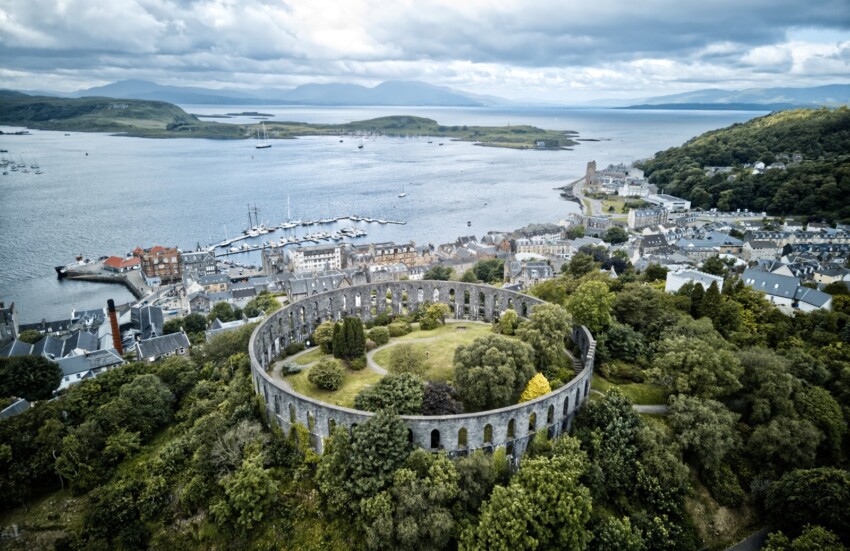
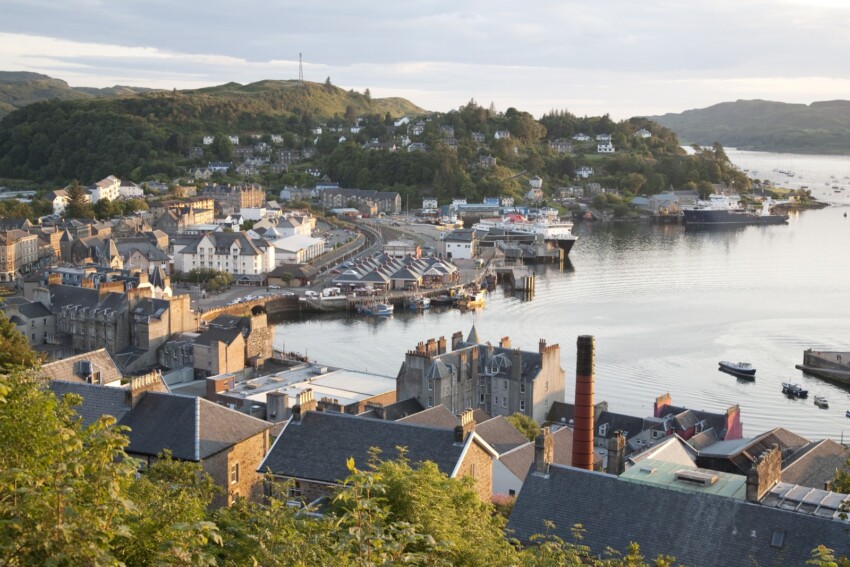
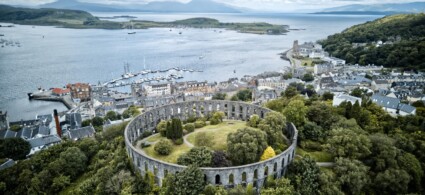
Oban has transformed from a humble fishing village into one of Scotland’s most enchanting coastal destinations. The town develops elegantly around a horseshoe-shaped bay, with Victorian waterfront buildings creating a picturesque crescent that shines at sunset. Rising above the heart of the town is McCaig’s Tower, a colosseum-like structure that crowns the hill, offering panoramic views over the town and the Hebridean islands.
Oban’s reputation as Scotland’s “Seafood Capital” is well deserved, with its working harbour bringing fresh catches daily to numerous excellent restaurants. Regular ferries depart from the busy port to the Inner and Outer Hebrides, their horns echoing across the bay.
The renowned Oban Distillery, one of Scotland’s oldest and smallest, produces a distinctive single malt whisky from the western Highlands whose character is shaped by sea air and maritime climate.
This enchanting village founded by the third Duke of Argyll where an ancient fishing village once stood is a perfect example of a planned 18th-century town: it was created to establish a legal and commercial centre for the benefit of the entire region.
With its beautiful and orderly Georgian houses with white arcades reflected in the calm waters of Loch Fyne, you’ll find yourself gazing at a truly postcard-perfect landscape, ideal for a stopover or for exploring the surrounding region.
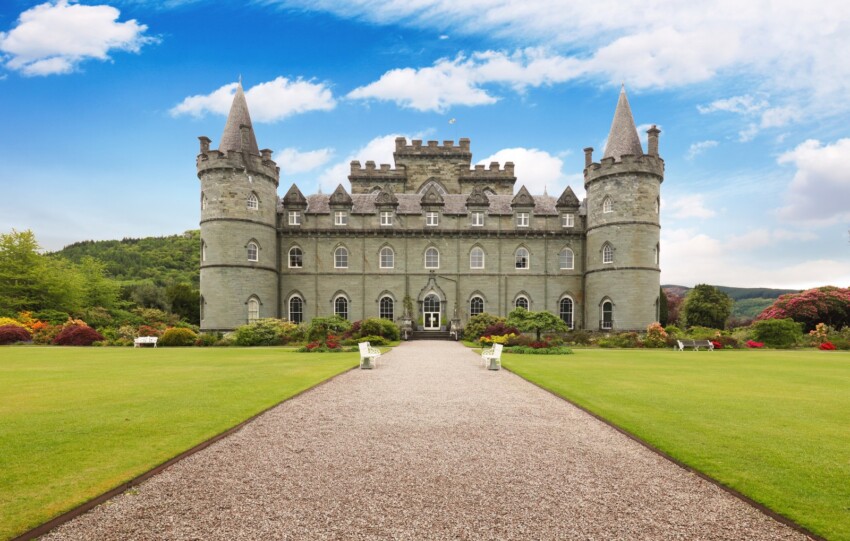
The unmissable Inveraray Castle, seat of the Duke of Argyll, deliberately recalls the majestic châteaux of the Loire Valley. Don’t miss a stroll to the arched bridge or a visit to the Arctic Penguin, a three-masted ship dating from 1911.
In the vicinity, along the fjord Loch Fyne just after Inveraray, you’ll find an open-air museum, the Auchindrain Township Open Air Farming Museum, which recalls rural life in old Argyll.
Continuing south-westwards, you’ll reach the spectacular Crarae Gardens, where shrubs from the Himalayan and temperate zones grow beside a tumbling stream along with rhododendrons.
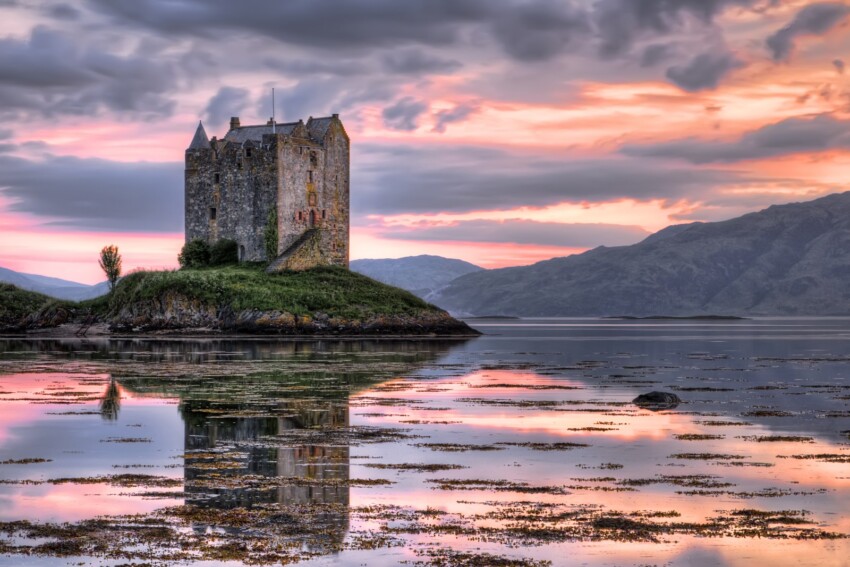
Not far from Oban, heading along the A828 towards Port Appin, you’ll find one of Scotland’s most famous views: the mysterious Castle Stalker, standing on a small island in the sea.
The castle is privately owned but can be visited on certain dates throughout the year.
In any case, photographing it at sunset, when the waters glow with warm colours, is truly spectacular: it’s no wonder it’s one of Scotland’s most photographed castles.
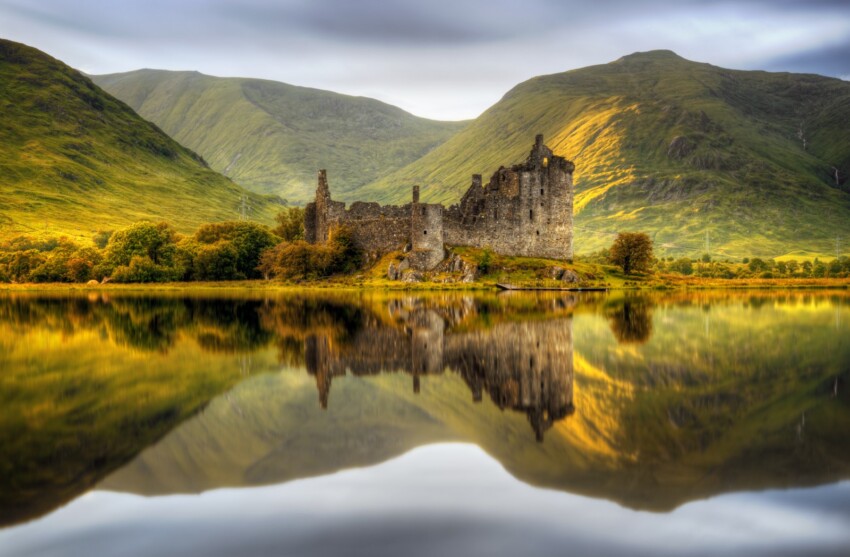
Loch Awe is on the route through the Highland coast and will enchant you with its elongated silhouette dotted with wonderful islands and spectacular scenery all around, among mountains and valleys.
The area is rich with ruins, including the melancholic Kilchurn Castle, which is reflected in the loch and seems straight out of a Walter Scott novel: a stop to capture a postcard-worthy image is a must, though to see it properly you’ll need to walk a short distance to reach the loch shore.
In the following map you can see the location of the main places of interest mentioned in this article.
Route: 93 km
Following the coastal route around Argyll you can explore the fjords and the western part scattered with islands of the lower Highlands.
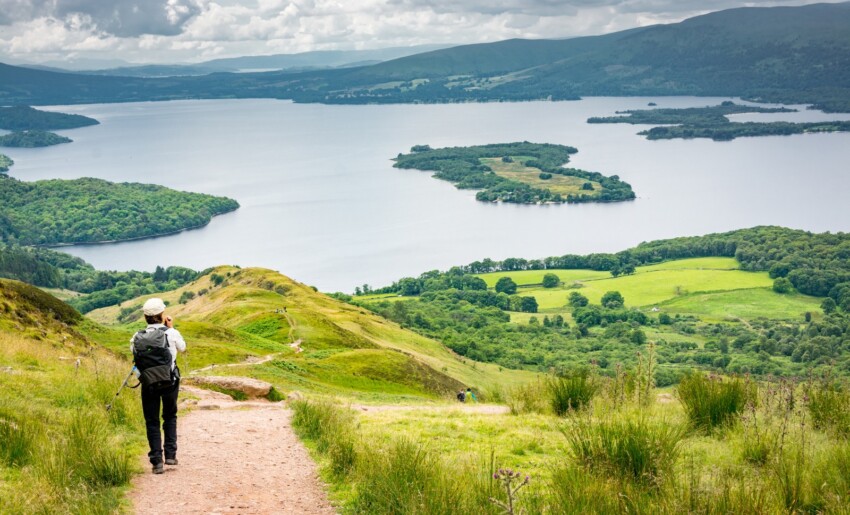
Within the Loch Lomond and Trossachs national park, the road climbs and at Tarbet you leave behind the beauties of Loch Lomond to skirt the northern tip of the fjord Loch Long (long in Gaelic means ship) before venturing into the Glen Croe valley.
- This is beautiful mountain scenery, with pine forests and slopes covered with ferns, and you can clearly see a mountain with a distinctive profile called The Cobbler.
- Shortly after passing the watershed at the viewpoint ‘Rest and Be Thankful’ you leave the national park and descend to sea level.
- At the northern tip of the Loch Fyne fjord you’ll find Ardkinglas Woodland Garden, with a magnificent collection of trees.
The route continues skirting the fjord to Inveraray. In this small and attractive 18th-century town there’s much to see, including the castle, the prison (with historical re-enactments performed by actors) and a three-masted schooner, the Arctic Penguin. Stay in the area of your choice between Inveraray and Lochgilphead.
Along the Loch Fyne fjord, shortly after Inveraray, you’ll find an open-air museum, the Auchindrain Township Open Air Farming Museum, which recalls rural life in the old Highlands.
Continuing south-westwards, you’ll reach the spectacular Crarae Gardens, where shrubs from the Himalayan and temperate zones grow beside a tumbling stream along with rhododendrons. The road turns north again and you reach the neat town of Lochgilphead on the fjord shore.
- Continuing north from here you’ll find a wealth of prehistoric monuments, such as cairns (piles of rough stones) and standing stones, so much so that within a 10-kilometre radius of the village of Kilmartin you can visit 150 fascinating sites.
- Just beyond the Crinan canal you can visit the Dunadd rocky fort, which was once the capital of the early Scots (who came from Ireland!).
- Carnasserie Castle, once the residence of the Bishop of Argyll, and Arduaine Gardens are two other places worth stopping at as you head north.
- Also worth noting is the short stretch of minor road westwards that leads to Seil Island, crossing the famous ‘bridge across the Atlantic’.
The route leads to Oban, an important local centre, ferry port and departure point for the western islands. Given the excellent range of accommodation, Oban is an excellent place to stay. There are also excellent shops and various types of boat trips available.
Heading north from Oban you’ll find Dunstaffnage Castle from which there’s a beautiful view over the strait of Firth of Lorn.
- Be sure to also see the unusual Falls of Lora caused by tides in the salt waters of the Loch Etive fjord near Connel Bridge.
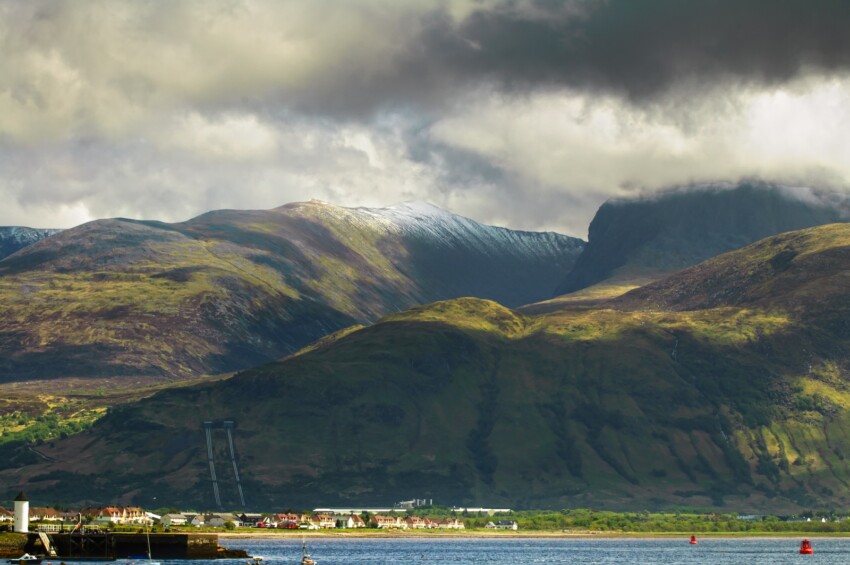
- Along the main road leading to Fort William you’ll find more gardens at Kinlochlaich House and the road itself is very scenic, with the mountains of the Morvern peninsula visible in the background across the Loch Linnhe fjord.
- The area you’re travelling through is called Appin and is linked to an unsolved 18th-century murder case from the turbulent period following the last Jacobite uprising. The victim was a local landowner belonging to the Campbell clan: the story is told by Robert Louis Stevenson in the novel Kidnapped and if you want to play detective you’ll find several monuments and markers here.
Finally, Ballachulish Bridge takes you through the last stretch of this itinerary which continues to Fort William, where there’s an excellent choice of shops and restaurants, a museum and a malt whisky distillery. This is Scotland’s capital of outdoor sports and so you’ll find an enormous range of activities in the surrounding area, from winter ice climbing to summer mountain biking.
 Hotel
Hotel 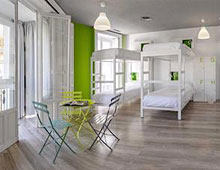 Budget accommodations
 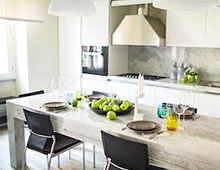 Apartments
 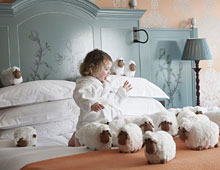 Family Hotel
 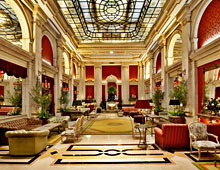 Luxury Hotel