Bestseller
Edinburgh: Real Mary King's Close Guided Tour
From 32,68 €
Buy the ticket
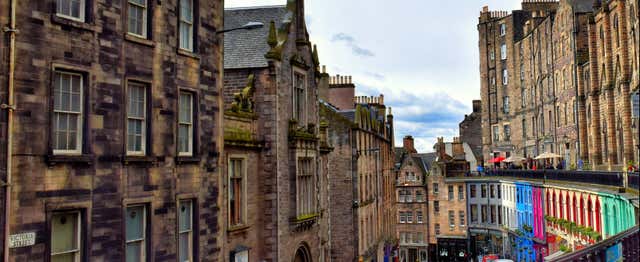
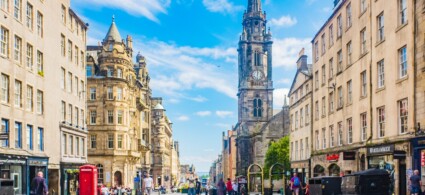
The remarkable city of Edinburgh is celebrated for its mysterious atmosphere. Many of the tourists who flock amongst the shops and museums overlooking the magnificent Royal Mile are unaware that directly beneath their feet lies a secret underground city, a network of passageways that over the centuries represented the dark and notorious underbelly of the capital, when these alleyways were bustling, densely populated streets.
Mary King’s Close is indeed a system of underground closes situated beneath the Royal Mile—17th-century streets and dwellings that were sealed and partially demolished in 1753, when the Town Council decided to build the Royal Exchange (now home to City Chambers) above them.
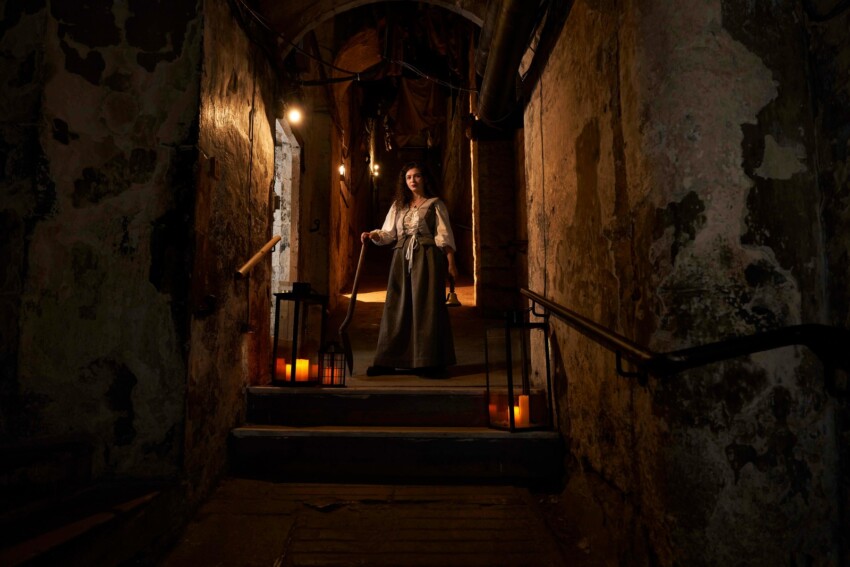
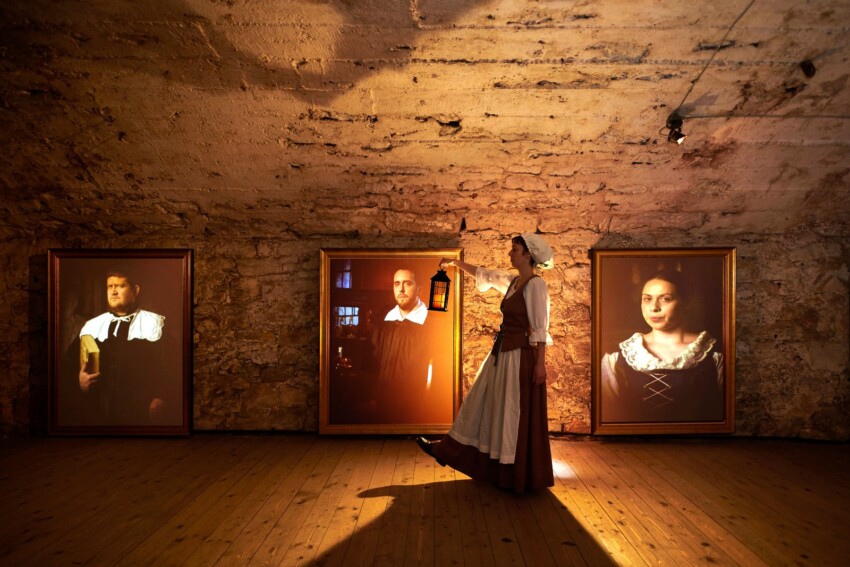
What makes Mary King’s Close particularly significant from a historical perspective is that it is not a reconstructed tourist attraction, but rather an authentic urban archaeological site. Today, it is possible to visit this location only through guided tours, where costumed guides portray historical characters, offering a complete immersion into the daily life of Edinburgh’s past and precisely reconstructing the living conditions of its inhabitants. Visitors can explore the original dwellings, see how people from different social classes lived, and learn about the devastating plague epidemic that struck Edinburgh in 1644.
The experience is both educational and evocative, allowing you to better understand the complex social history of Edinburgh’s Old Town.
The location chosen for building the city, a volcanic hill, made urbanisation difficult due to lack of space and flat areas. Edinburgh thus became the first city to develop vertically. Beneath the Royal Mile, several residential levels were constructed, divided according to social status: the upper floors, exposed to light, were reserved for wealthy and noble classes, whilst the levels closer to the ground and damp earth were left for the common people and the poorest sections of society.
In this underground section, the city’s sewage was discharged, and Mary King’s Close was essentially an open sewer—a secret labyrinth where society’s outcasts sought refuge and where plague raged. Some historical accounts claim that plague victims were walled up alive in this underground quarter at the end of the 17th century.
The expansion of this secret part of the city was also driven by the remarkable population growth at the end of the 1700s. The city expanded in every direction, utilising a series of bridges that, unlike other European cities, did not cross watercourses but rather supported buildings constructed on highly unstable foundations.
Beneath the street surface, a labyrinth of shops, dwellings and illegal whisky distilleries expanded, relocated underground to evade substantial government taxes. Not merely illicit activities, but also hideouts for smugglers, shelters for homeless vagrants, and alcoves for prostitutes.
In Mary King’s Close, two notorious murderers, Burke and Hare, became body snatchers, procuring corpses to sell to anatomy students at the prestigious University of Edinburgh.
The name derives from Mary King, a prosperous textile merchant who lived here in 1630. The term “close” in Scots refers to a narrow alleyway branching off from the main street—in this case, the Royal Mile. Mary King’s Close is just one of many closes that made up this intricate system, but it has become the most famous thanks to the numerous stories and legends surrounding it.
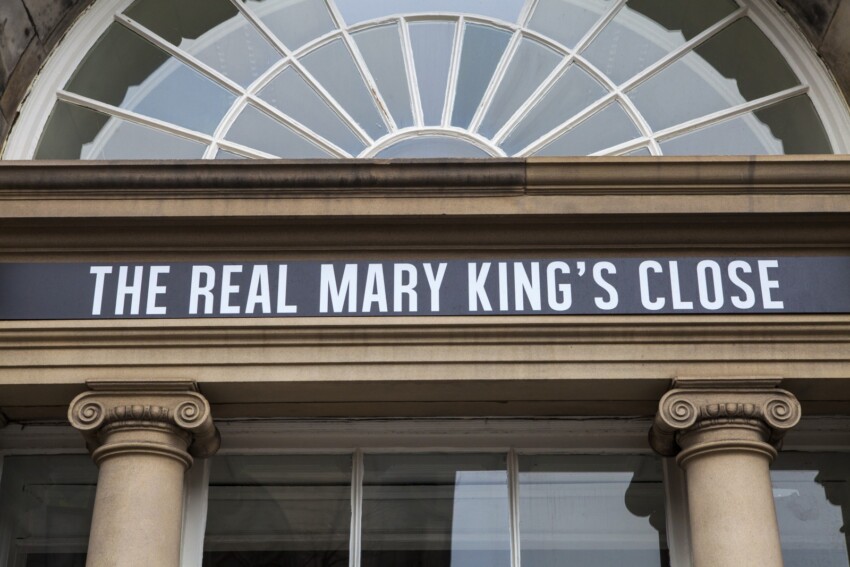
If you are fascinated by the more mysterious aspects of this city, you cannot miss Mary King’s Close, a tourist route through the depths of the city 25 metres below the level of the Royal Mile that will take you on a journey through Edinburgh’s most captivating and dark history—one filled with clandestine distilleries, plague victims sealed alive, grim prisons and places of damnation.
The preserved dwellings represent one of the most interesting features of the entire complex. During the tour, you can explore various rooms that reveal how inhabitants from different social classes lived. From the home of a wealthy merchant, with high ceilings and large windows, to the modest dwellings of the poorest classes, where entire families shared a single room.
What makes these dwellings particularly fascinating is the fact that they are authentic, not reconstructions. The stone walls, low ceilings and cramped spaces testify to the actual living conditions of the era. During our exploration, we noticed remarkable details such as marks left by craftsmen’s tools on the walls and structural changes made over the centuries.
The guides will also show you how domestic systems of the time functioned, from lighting to heating, to the “gardyloo”—the waste disposal system that consisted simply of emptying chamber pot contents out of windows onto the street below, after warning passersby with this characteristic cry.
The plague epidemic that struck Edinburgh in 1644 is one of the most harrowing episodes recounted during a visit to Mary King’s Close. The tour takes you through spaces that demonstrate how the disease spread rapidly through the overcrowded streets of the Old Town.
Particularly moving is the reconstruction of a plague-stricken family’s home, where you can discover the rudimentary medical treatments of the time and the superstitions surrounding the disease. Plague doctors, with their characteristic beaked masks filled with aromatic herbs thought to filter “corrupted” air, are one of the most iconic elements of this historical narrative.
City authorities attempted to contain the epidemic: infected homes were sealed with entire families locked inside, living or dead, and marked with a white cross. A warden was stationed outside to prevent people from entering or leaving, essentially condemning healthy family members to death as well.
Annie’s Room is probably the most famous space in Mary King’s Close and one of the most moving. According to local lore, it is here that the spirit of a young girl who died of the plague and was abandoned by her family is said to manifest.
In 1992, a Japanese medium visiting the site reported sensing Annie’s presence—a sad child who had lost her doll. Since then, visitors have begun leaving toys and small gifts in this room to comfort the child’s spirit. Today, the room is filled with dolls, teddy bears and other objects left by tourists from around the world.
It must be said that official tours today present this account more as a historical curiosity than as a paranormal phenomenon, explaining how these traditions emerged and leaving visitors free to interpret them.
Aspects of daily life in the 17th century are brilliantly illustrated during the tour. You can observe reconstructions of craftsmen’s workshops, discover which trades were most common, and learn how commerce functioned in Edinburgh of the era.
One element that will strike you is the explanation of the social class system and how it affected everyday life. The guides explain how building height reflected this hierarchy: the wealthy lived on intermediate floors, where water had to be carried up but the air was cleaner; the poor lived on ground floors, often dark and damp; merchants had their shops at street level.
It is also interesting to discover how waste management functioned, one of the great problems of medieval cities. Rubbish disposal occurred only at certain times, and penalties for those not respecting these rules could be severe. Despite these measures, hygiene conditions remained poor, contributing to the rapid spread of diseases such as the plague.
The architectural structure of Mary King’s Close is fascinating from an engineering perspective. During the visit, you can observe how these spaces were progressively incorporated into the foundations of subsequently constructed buildings.
Walking through the underground closes, you will notice how the dwellings were literally cut in half when the Royal Exchange was built: in some places, you can see original ceilings that were used as foundations for the new buildings. This peculiarity has allowed for the extraordinary preservation of these spaces over the centuries.
During our visit, we found ourselves navigating narrow passages, climbing stairs worn by centuries of footsteps, and ducking beneath low lintels. The physical experience of moving through these spaces greatly contributes to understanding the living conditions of the era and offers a unique perspective on the historical stratification of Edinburgh.
Ghost stories and accounts of apparitions are an integral part of the Mary King’s Close experience. During the tour, guides recount the numerous legends linked to this place, from the apparitions of plague victims to unsettling presences reported by visitors and staff over the years.
We were told of strange phenomena: sudden temperature drops, sensations of being touched, unexplained noises. Whilst these accounts are presented in a balanced manner, leaving room for doubt and personal interpretation, they contribute to creating that atmosphere of mystery that makes the visit all the more engaging.
Another interesting legend concerns the practice of “walling people alive” within Mary King’s Close during the plague. Although this story has been amplified over time, it has a grain of truth: infected homes were indeed isolated, but there is no historical evidence supporting the idea that entire closes were sealed with people still inside.
Tickets are available only as part of guided tours, which represent the sole way to visit this historical site. It is always advisable to book in advance, especially during peak tourism season (June-August) and during the Christmas period or the Edinburgh Festival.
Ticket prices vary depending on age and the type of tour chosen, with reduced rates for students, seniors and children.
The standard tour lasts approximately one hour and includes the accompaniment of a period-costumed guide who portrays a historical character, making the experience more immersive. Occasionally, special themed tours or extended tours are offered for those seeking a more in-depth experience.
The tour takes place entirely in underground vaults, so many areas are poorly lit and some visitors might experience claustrophobia.
The Mary King’s Close experience is not suitable for people with mobility difficulties, as there are 58 steps to descend and 38 to climb during the tour.
Due to the nature of the route (steep stairs, narrow passages and potentially unsettling subject matter), children under 5 years of age cannot participate, whilst children up to 16 years must be accompanied by an adult. You can rest assured there is no real danger, and all guides are equipped with radios, so should you require any assistance, staff will escort you to the exit.
Photography is not permitted during the tour.
Mary King’s Close is open daily with opening times that vary depending on the season and day of the week.
During the Christmas period and Edinburgh Festival, opening hours may be extended to meet higher demand. On Christmas Day (25 December) and New Year’s Day (1 January), the site is generally closed.
Tours depart every 15-20 minutes and last approximately one hour. We recommend arriving at least 15 minutes before your scheduled time to complete registration. During our visit, we found that punctuality is important as groups follow a set route and delays could result in missing your allocated slot.
City Card allow you to save on public transport and / or on the entrances to the main tourist attractions.

 Hotel
Hotel 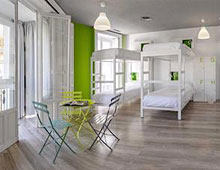 Budget accommodations
 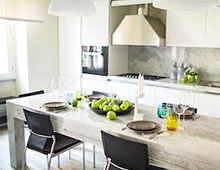 Apartments
 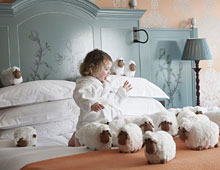 Family Hotel
 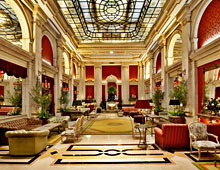 Luxury Hotel