The Ballachulish Hotel
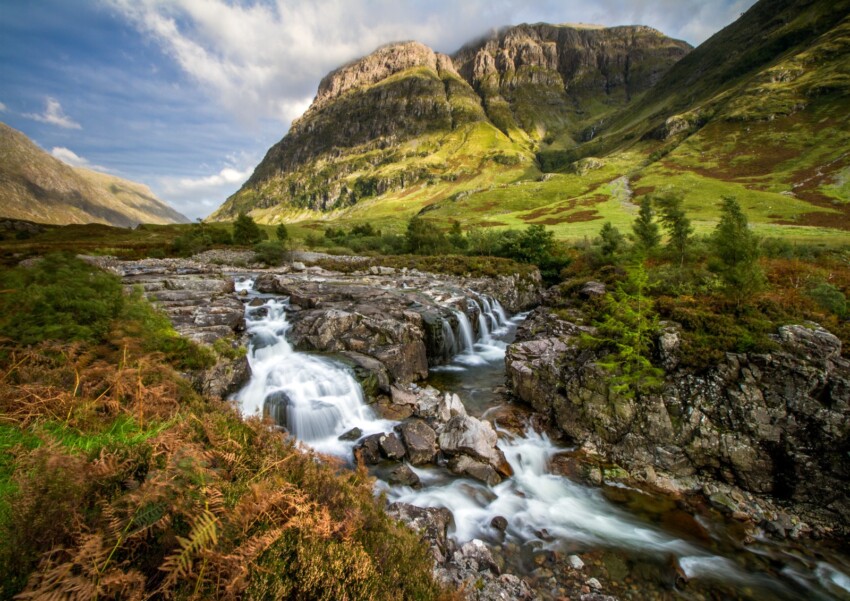
Glencoe is perhaps the most spectacular valley in the Highlands, a natural paradise amongst majestic mountains where you can experience authentic Scottish atmosphere.
Known both as the “Valley of Tears” and the “Dark Valley”, this place of extraordinary natural beauty is steeped in a history as fascinating as it is tragic. The imposing mountains rising from both sides of the valley, the waterfalls plummeting down rocky cliffs and the streams flowing through the meadows create a landscape of incomparable grandeur.
The valley takes its name from the River Coe that flows through it and empties into Loch Leven, an arm of the sea extending to the ocean. Glencoe’s natural beauty is the result of ancient volcanic processes and successive ice ages that have sculpted the landscape, creating jagged peaks, deep valleys and vast stretches of moorland.
This place is not only a paradise for nature lovers and hikers, but also a site of great historical significance, theatre of the infamous Glencoe Massacre of 1692, when members of the MacDonald clan were brutally killed by government soldiers after offering them hospitality.
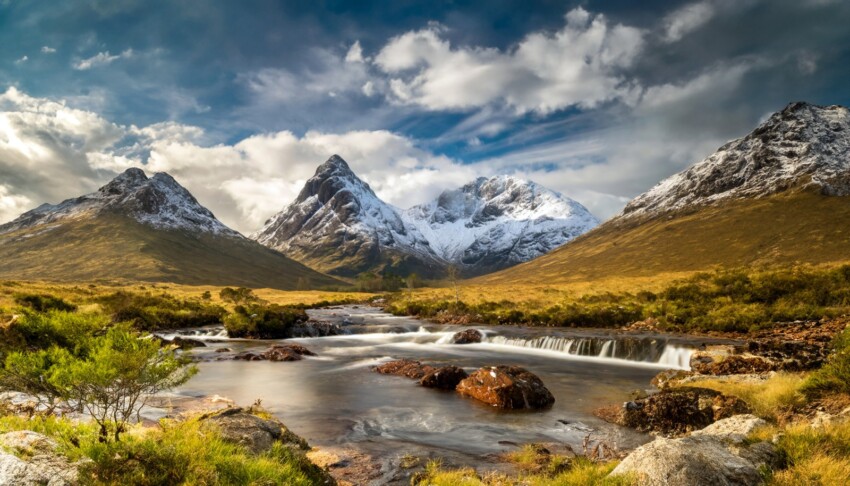
Glencoe is not merely a landscape to admire whilst driving past. It is a place that deserves thorough exploration, with numerous hiking trails, viewpoints and attractions that will allow you to immerse yourself fully in its wild beauty and compelling history.
The Glencoe Visitor Centre, managed by the National Trust for Scotland, is the ideal starting point for exploring the valley. Strategically located on the A82, the centre features an interactive exhibition that tells the story of Glencoe’s geology, flora, fauna and history, with particular focus on the famous massacre.
Inside the centre you’ll find 3D models of the landscape, historical artefacts and multimedia presentations that will help you better understand what you’ll see during your visit. Expert staff are always available to offer advice on the best trails to follow based on your abilities and available time.
The centre also has a café where you can enjoy dishes prepared with local ingredients, and a shop selling books, maps and souvenirs related to Scottish culture. Outside, several nature trails start directly from the visitor centre, allowing you to explore the surrounding area immediately.
The Three Sisters are perhaps Glencoe’s most iconic image. These three adjacent mountain massifs – Beinn Fhada, Gearr Aonach and Aonach Dubh – form a spectacular backdrop dominating the valley. The main viewpoint is located along the A82, where a large car park allows you to stop and take in this breathtaking view.
From here you can take fantastic photographs, especially at sunset when the low light accentuates the mountain contours and creates evocative shadow play. For the more adventurous, a trail leaves the car park and ventures into the Lairig Gartain valley, offering ever-changing perspectives of the Three Sisters as you move away from the main road.
The magic of these rock formations changes with the seasons: in winter they’re snow-capped, in spring they turn green, in summer they’re carpeted with purple heather, whilst in autumn they assume red and golden hues that contrast with Scotland’s often dramatic skies.
According to tradition, the signal to begin the notorious Glencoe Massacre in 1692 was given from this rock. Today, a short and pleasant circular trail of around 1.5 km runs through an atmospheric woodland of oaks and birches, leading to the rock itself.
Once you reach the top of Signal Rock, you’ll have a privileged view over Glencoe valley, with its imposing mountains seeming to close in around you like a vice. Interpretive panels tell the story of the massacre and the legends associated with this place, allowing you to contextualise what you’re observing.
The trail is well maintained and suitable for all ages, making it a perfect excursion for families or those seeking a short walk rich in historical significance. In spring, the forest floor becomes carpeted with blue bluebells creating a colourful tapestry beneath the trees.
At Glencoe’s eastern edges stretches the vast desolation of Rannoch Moor, one of Europe’s last great wilderness areas. This expanse of moorland, marshes and small lochs covers approximately 130 km² and sits at an average altitude of 300 metres above sea level.
As you travel along the A82, you’ll have several opportunities to stop and admire this unique landscape. One of the most striking viewpoints is Loch Ba, where on calm days the surrounding mountains are perfectly reflected in the loch’s dark waters.
The barren beauty of Rannoch Moor has inspired poets, writers and artists for centuries, and has been used as a location for numerous films and TV series, including “Skyfall” and “Outlander”. The area is particularly captivating at dawn and dusk, when low light creates an almost surreal atmosphere, or in winter when the moorland is blanketed with snow.
A short distance from Glencoe, on the shores of Loch Laich, stands the picturesque Castle Stalker. Built around 1320, this miniature castle sits on a small island accessible on foot only during low tide.
The castle’s position, with the mountains of Glencoe and Appin in the background, makes it one of Scotland’s most photographed castles and an essential stop for those visiting the area. The castle was used as a location for the film “Monty Python and the Holy Grail”, and more recently has appeared in various films and television programmes.
It’s possible to visit the castle’s interior by booking a guided tour in advance during the summer months. Alternatively, the viewpoint along the A828 offers an excellent external view and spectacular photographic opportunities, especially at sunset when the sun dips behind the mountains.
Loch Leven is a long arm of the sea stretching south of Glencoe, creating a landscape of extraordinary beauty. Its calm waters reflect the surrounding mountains, offering exceptional photographic opportunities in every season.
One of the best experiences on Loch Leven is to follow the cycle path that traces its perimeter. This flat route of approximately 21 km is ideal for families and cyclists of all levels, with numerous scenic stopping points along the way.
For fishing enthusiasts, Loch Leven is famous for its trout, whilst kayaking and canoeing fans can explore its tranquil waters and numerous small inlets. In villages overlooking the loch, such as Ballachulish and Kinlochleven, you’ll find welcoming pubs where you can enjoy fresh seafood with views of the mountains.
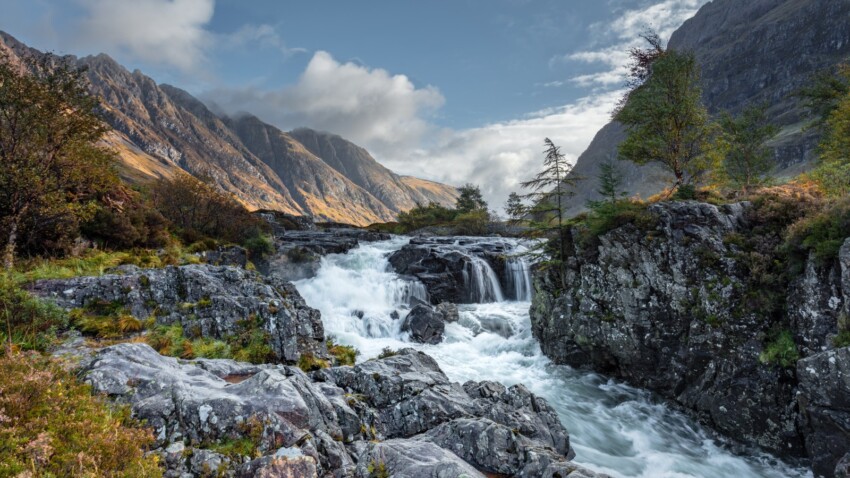
Bidean nam Bian is Glencoe’s highest mountain, at 1,150 metres above sea level. This imposing rocky mass dominates the landscape and is considered one of Scotland’s most spectacular, but also most challenging, hikes.
The most common route to the summit departs from the Three Sisters car park and crosses the hidden valley of Coire Gabhail (the “Lost Valley”), a natural amphitheatre where the MacDonald clan hid stolen cattle. From here, the trail becomes progressively steeper as it climbs towards the ridge and finally the summit.
From the top, on clear days, the view spans 360 degrees across much of the western Highlands, from Ben Nevis to the north to the Argyll mountains to the south, and from Loch Linnhe to the west to the remote wilderness inland to the east. The hike requires good physical preparation, appropriate equipment and mountain experience, especially in winter conditions.
The Lost Valley, or Coire Gabhail in Gaelic, is one of Glencoe’s hidden gems. This natural amphitheatre surrounded by steep rock walls was used by the MacDonald clan as a hiding place for stolen cattle during raids.
The hike to this secret valley departs from the Three Sisters car park and takes approximately 2-3 hours (there and back). The trail runs through woodland before ascending beside a mountain stream, with some exposed sections but well-equipped with steel cables to aid progress.
Once you reach the valley, you’ll be amazed by its unexpected expansiveness and the relatively level terrain, in stark contrast to the steep landscape surrounding it. Enormous erratic boulders dot the valley floor, testimony to this place’s glacial origin. Here you can take a contemplative break, imagining the lives of the Scottish clans who centuries ago used this natural refuge.
The Buachaille Etive Mor (the “Great Shepherd of the Etive”) is perhaps Scotland’s most photographed mountain, with its distinctive pyramidal shape dominating Glencoe’s eastern entrance. This imposing 1,022-metre mountain is a dream for photographers and hikers alike.
The hike to the summit departs from Altnafeadh car park and initially follows the course of the Coupall river before beginning the steep ascent towards Coire na Tulaich, a gully providing access to the summit ridge. From here, the trail follows the ridge to the main summit (Stob Dearg), offering spectacular views in every direction.
This hike requires a full day and good physical fitness. Weather conditions can change rapidly, so it’s essential to bring waterproof clothing, adequate food and water, and a detailed map. The reward for your effort is one of Scotland’s finest panoramas, with views stretching from Rannoch Moor to the east to the Atlantic islands to the west on the clearest days.
The famous long-distance trail West Highland Way passes through Glencoe, giving hikers the opportunity to experience the valley as part of a larger adventure. This 154 km route connects Milngavie (near Glasgow) to Fort William and can be completed in approximately 7-8 days.
The section passing through Glencoe is considered one of the entire trail’s most spectacular sections. Starting from Kingshouse, the trail skirts the Coupall river with breathtaking views of Buachaille Etive Mor, before climbing the Devil’s Staircase, the highest point of the entire West Highland Way (550 metres).
From here, the trail descends towards Kinlochleven village, offering continuous panoramas over Glencoe valley and the surrounding mountains. Even if you don’t intend to walk the entire West Highland Way, you can easily walk short sections of this historic trail to sample the experience.
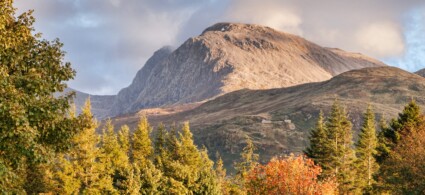
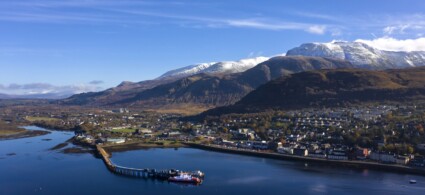
Although technically not part of Glencoe, Ben Nevis is located nearby and is often included in the itineraries of those visiting the area. At 1,345 metres, it is Britain’s highest mountain and represents a coveted challenge for many hikers.
The main route for the ascent departs from Glen Nevis, near Fort William, and requires a full day to complete (there and back). Although considered an accessible route, it shouldn’t be underestimated: weather conditions can change rapidly and visibility at the summit is often reduced by cloud.
For more experienced mountaineers, Ben Nevis’s north face offers some of the UK’s most challenging climbs, with routes of varying difficulty on rock and ice. Alternatively, the scenic Glen Nevis trail allows you to admire the mountain from different angles without necessarily climbing to the summit.
Choosing where to stay during a visit to Glencoe very much depends on the type of experience you wish to have. The area offers several options, from rustic, nature-immersed accommodation to the comforts of quality hotels and bed & breakfasts.
The charming Glencoe village is the beating heart of the glen, where you’ll find a good selection of welcoming accommodation. This location is ideal for those seeking the convenience of restaurants, pubs and shops within easy reach, whilst remaining immersed in the authentic atmosphere of the Highlands. From the village, you can easily access many of the area’s hiking trails and major attractions.
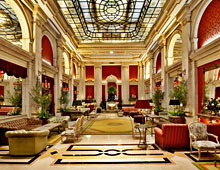
For those seeking a touch of luxury, Glencoe House offers elegant suites within a magnificent Victorian mansion, with impeccable service and spectacular views across the glen and Loch Leven.
The nearby village of Ballachulish, situated at the entrance to Glencoe on the shores of Loch Leven, offers some of the area’s most renowned hotels. Here you’ll find high-quality accommodation with comprehensive facilities including restaurants, bars, and in some cases pools and wellness centres.
Ballachulish’s strategic position makes it an ideal base for exploring not only Glencoe, but also the surrounding areas such as Fort William and Oban. Accommodation in this area tends to be slightly less expensive than that in the heart of Glencoe, whilst offering the same level of quality and equally spectacular views.
Many of Ballachulish’s hotels and bed & breakfasts are positioned with panoramic views of the Glencoe mountains or Loch Leven, allowing you to enjoy Scotland’s natural beauty from your room.
Located at the eastern end of Loch Leven, the village of Kinlochleven is another excellent option for your stay. This peaceful spot is known for its relaxed atmosphere and for being an important waypoint on the West Highland Way.
Kinlochleven is home to several good-quality hostels, making it a popular choice among hikers and budget-conscious travellers. These hostels offer clean and comfortable accommodation, often with shared kitchens where you can prepare your own meals, as well as common areas where you can meet fellow travellers and share experiences.
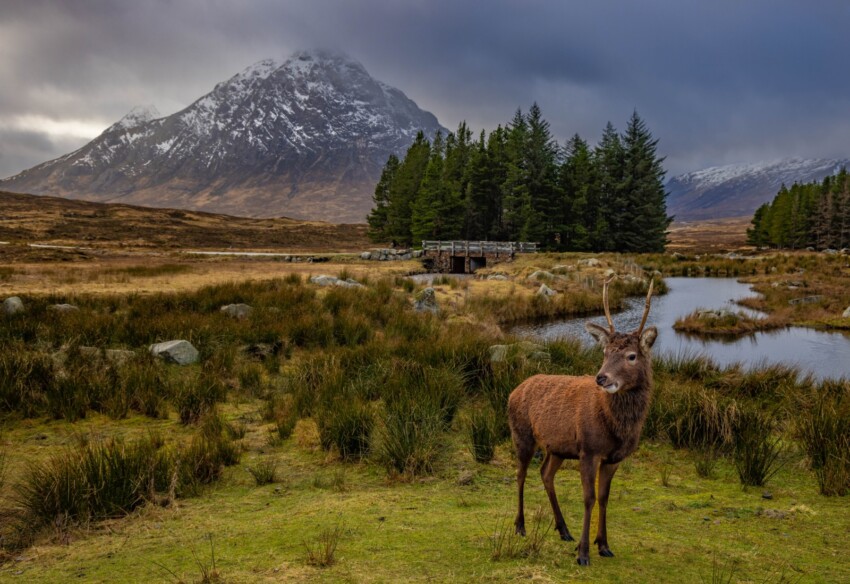
A car is undoubtedly the most convenient way to visit Glencoe and the Highlands, offering the flexibility needed to explore at your own pace. The main road through the glen is the A82, one of Great Britain’s most spectacular scenic routes, connecting Glasgow to Inverness via Fort William.
From Glasgow, the journey takes around two and a half hours, passing through the beautiful shores of Loch Lomond and the desolate Rannoch Moor before entering the dramatic Glencoe valley. From Edinburgh, the drive is slightly longer, approximately three hours, passing through Stirling and then following the same route from Glasgow.
If arriving from Glasgow Airport, the journey takes around two hours, whilst from Edinburgh Airport it takes approximately two hours 45 minutes. It’s advisable to book a car rental in advance, particularly during the busy summer season.
Public bus services connect Glencoe with Scotland’s major cities. The Citylink operator runs regular services from Glasgow and Edinburgh to Fort William, with stops at Glencoe Village and other locations throughout the glen. The bus journey from Glasgow takes around three hours, whilst from Edinburgh it can take up to four hours with a change in Glasgow.
Buses are a good option for budget-conscious travellers or those who prefer not to drive, but they offer less flexibility than a private car. It’s advisable to check timetables in advance on the Citylink website, as services may be less frequent during the low season or on public holidays.
Once in Glencoe, however, mobility can be limited without your own vehicle, making it difficult to reach some of the more remote attractions. Some accommodation providers offer shuttle services for guests, and during summer you can find local guided tours visiting the main points of interest.
There are no railway stations directly in Glencoe, but you can reach Fort William by train, approximately 30 minutes’ drive away. The railway line from Glasgow to Fort William, known as the West Highland Line, is considered one of the world’s most scenic railway journeys and is an experience in itself.
The train journey from Glasgow to Fort William takes around four hours and passes through spectacular scenery, including Rannoch Moor and the mountains surrounding Glencoe. Once in Fort William, you can catch a local bus or taxi to reach Glencoe.
For a truly special experience, you might consider the Jacobite Steam Train (better known as the “Harry Potter train”), which operates from Fort William to Mallaig during the summer months, crossing the famous Glenfinnan viaduct.
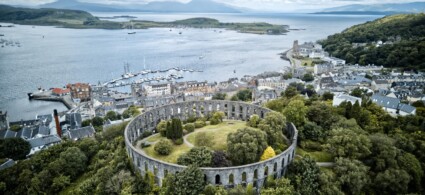
Glencoe is located in the western Highlands of Scotland, approximately 150 km north-west of Edinburgh and 140 km north of Glasgow, making it accessible as a day trip from major Scottish cities, though a longer stay is recommended to fully appreciate its stunning scenery. Fort William lies just 25 km to the north of Glencoe, whilst the picturesque town of Oban sits around 65 km to the south-west.
 Hotel
Hotel 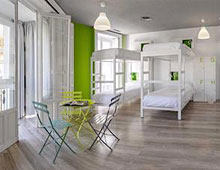 Budget accommodations
  Apartments
  Family Hotel
  Luxury Hotel