Edinburgh: Loch Ness, Glencoe & the Scottish Highlands Tour
18.051 reviews
Buy now
From 76,03€ per person
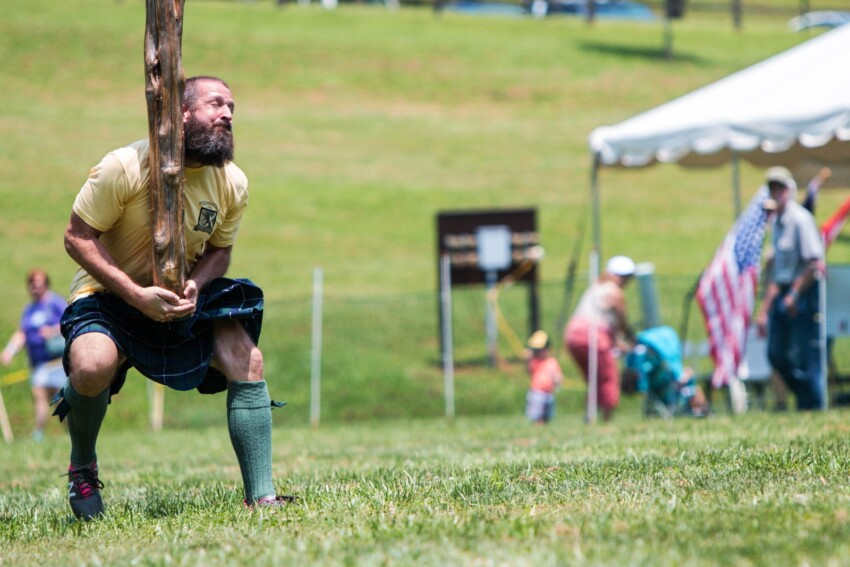
The Highland Games represent one of Scotland’s most captivating and enduring traditions, an event that combines athletic competitions, music, dance and a strong sense of cultural belonging. These gatherings, held primarily during the summer months throughout Scotland and in many Scottish communities worldwide, are far more than simple sporting competitions: they are a living celebration of the cultural heritage of the Scottish Highlands.
Every year, thousands of visitors flock to the fields and parks of Scottish towns to witness these events that combine physical prowess with artistic elegance, creating a unique atmosphere where past and present merge in an explosion of colour, sound and tradition.
The origins of the Highland Games date back to ancient times, although the form in which we know them today developed primarily in the 19th century. There are several theories about their origins.
Some historians believe that the earliest forms of these competitions date back to the 11th century, when King Malcolm III of Scotland organised a hill race on Craig Choinnich to find the kingdom’s fastest messenger. Others link the Highland Games to ancient Celtic traditions and the military practices of clans, where competitions were used to select the strongest and most skilled warriors.
What is certain is that during the period of prohibition of Gaelic culture, following the Battle of Culloden in 1746, many Highland traditions were banned, including the wearing of kilts and the use of bagpipes. Only in the late 18th century, and especially during the Victorian era, when Queen Victoria expressed her love for Scotland, did the Highland Games experience a significant revival.
The Braemar Gathering, held every September near Balmoral Castle, is perhaps the most famous of these events, having been regularly attended by the British royal family since the time of Queen Victoria.
For those wishing to experience the authentic Highland Games in their homeland, here are some of the most renowned events in Scotland, with their dates:
Braemar Gathering
Held on the first Saturday of September (usually the first weekend of the month), it is the most celebrated and prestigious thanks to the regular presence of the British royal family. This traditional event has been held since 1832 and represents the pinnacle of the Highland Games season.
Cowal Highland Gathering
Held in Dunoon on the last weekend of August (generally Thursday to Saturday), it is renowned for hosting the World Highland Dancing Championship. It is considered one of the largest Highland Games, with approximately 3,500 participants including athletes, dancers and musicians.
Inverness Highland Games
One of the oldest, held in mid-July (usually the third Saturday of the month) in the “capital of the Highlands”. Since 1822, this event has attracted visitors from around the world to the beautiful setting of Bught Park.
Lonach Highland Gathering
Held on the last Saturday of August in the village of Bellabeg, Strathdon. Famous for the spectacular procession of members of the Lonach Highland and Friendly Society, all armed with traditional spears and halberds. The tradition dates back to 1823 and the procession begins at dawn, winding through local villages.
Crieff Highland Gathering
Held on the third Sunday of August, this long-established event attracts competitors from around the world. Also known as “The Gathering of the Games”, it has been held since 1870 and features one of the most picturesque settings for a Highland Games, with views of the Crieff hills.
Ballater Highland Games
Held on the second Thursday of August and often graced by members of the royal family, given its proximity to Balmoral Castle. Founded in 1864, it is one of the favourite events for the local community and tourists in the Royal Deeside region.
Blair Atholl Highland Games
Organised at the end of May (generally the last Saturday of the month), it is one of the first Highland Games of the season. Held on the grounds of Blair Castle, it is famous for bagpipe competitions and a fell race up the local mountain.
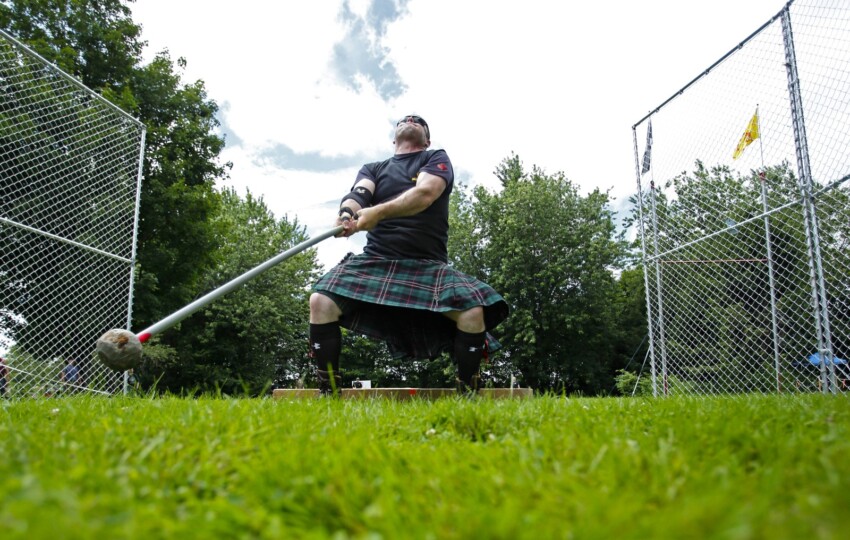
The Highland Games comprise a series of traditional competitions that test strength, endurance, precision and skill.
The “Heavy Events” represent the heart of the Highland Games and often attract the most attention from the crowd. These competitions require a combination of raw strength, technique and endurance.
Tossing the Caber
Arguably the most iconic event, it involves lifting and throwing a tree trunk up to 6 metres long and weighing around 80 kg. The objective is not to throw it as far as possible, but to make it land in a straight line in front of the athlete, with the thinner end striking the ground first and the thicker end falling in the opposite direction to the athlete, ideally forming a 12 o’clock position on an imaginary clock face.
Throwing the Stone
Similar to the modern shot put, but using a natural stone or metal sphere. There are two variants: throwing from a stationary position and throwing with a run-up.
Weight for Distance
Athletes throw a weight attached to a chain as far as possible. There are competitions with light weights (approximately 12 kg) and heavy weights (approximately 25 kg).
Weight for Height
In this event, competitors must throw a weight over a horizontal bar, similar to the hammer throw but upwards rather than for distance.
Hammer Throw
Using a traditional hammer with a wooden handle and spherical head, athletes must throw it as far as possible from a fixed position.
Sheaf Toss
Competitors use a pitchfork to toss a bundled sheaf of straw over a horizontal bar that is progressively raised.
Alongside the heavy events, more conventional track and field competitions are held, including:
Music is a fundamental element of the Highland Games, with both individual and group competitions.
Solo Piping
Individual musicians perform traditional pieces, judged on technique, interpretation and sound quality.
Pipe Bands
Bands composed of bagpipers and percussionists compete in various categories, performing both static pieces and marching in elaborate formations.
Dance competitions represent the elegance and precision of Scottish tradition:
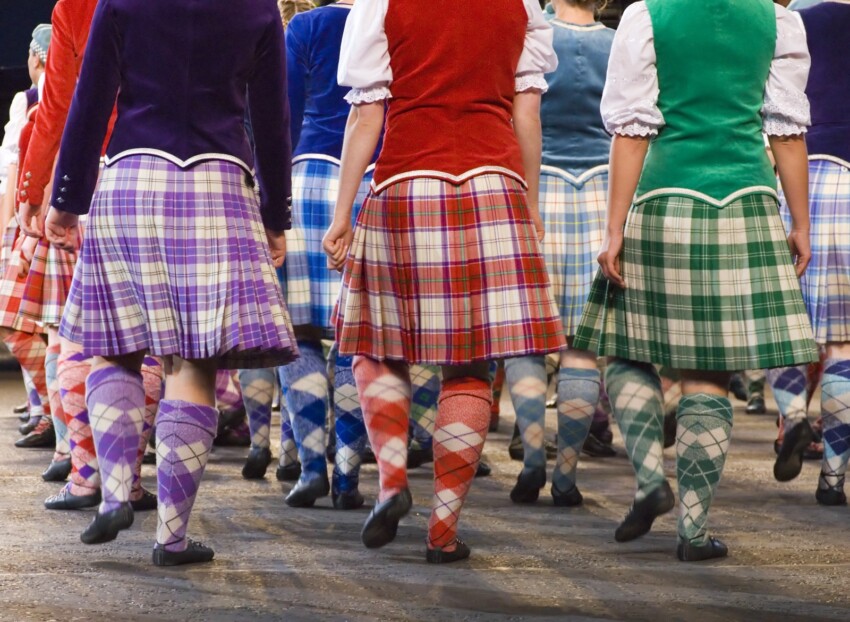
Highland Fling
Traditionally performed on a shield, it is a vigorous dance that requires great precision and endurance.
Sword Dance (Ghillie Callum)
Dancers perform elaborate steps around and over two swords arranged in a cross shape, without touching them.
Seann Triubhas
Whose Gaelic name means “old trousers”, symbolically represents the abandonment of trousers imposed on the Scottish people after Culloden in favour of returning to the traditional kilt.
Reel of Tulloch
A lively group dance.
This team competition is a great crowd favourite. Two teams pull a rope in opposite directions, attempting to drag their opponents over the centre line.
What truly makes the Highland Games special is not just the competitions, but the festive atmosphere that surrounds them. A typical event includes:
Opening ceremony: Often featuring a clan parade, with representatives dressed in the colours and tartans of their families.
Clan Village: Areas where various Scottish clans display their history, emblems and welcome distant relatives.
Food and craft stalls: Where you can sample Scottish specialities such as haggis, shortbread and whisky, or purchase traditional crafts.
Music and entertainment: In addition to official competitions, there are often performances by folk music groups, storytellers and other forms of traditional entertainment.
Traditional dress: Many participants wear traditional Scottish clothing, including kilts, sporrans (decorative purses), sgian dubhs (small knives tucked into socks) and other typical accessories.
Beyond the sporting and entertainment aspects, the Highland Games play a crucial role in preserving and celebrating Scottish cultural heritage. In an age of globalisation, these events represent a tangible link with the past and a way for new generations to connect with their roots.
The Highland Games are also an important vehicle for cultural tourism in Scotland, attracting visitors from around the world interested in experiencing authentic Scottish traditions.
Equally important, these gatherings serve as an occasion for local communities to reunite, strengthening social bonds and promoting a sense of shared identity among participants.
 Hotel
Hotel 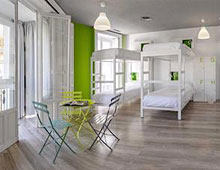 Budget accommodations
 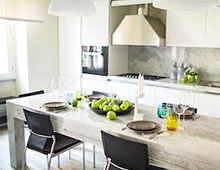 Apartments
 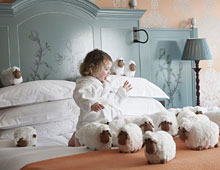 Family Hotel
 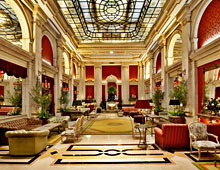 Luxury Hotel