Leonardo Royal Hotel Edinburgh
A week is the minimum time needed to truly experience Scotland. Not enough to see it all — Scotland is never finished — but enough to drive through landscapes that change by the hour, sleep in villages where time seems to have stood still, and understand why those who visit once often return. The best way to do it is by car: trains and buses serve the cities well, but the wildest glens, castles perched on hillsides and the coastal roads of the Highlands are only accessible on four wheels.
The natural starting point is Edinburgh, well connected by flights from across Europe and equipped with an airport with all the major car rental agencies in Scotland. It’s worth picking up your vehicle directly at the airport upon arrival and returning it at the end of your trip. Remember that in Scotland you drive on the left: the first few kilometres require concentration, but you’ll adapt quickly. Opt for a mid-sized car or small SUV: the Highland roads, especially on the Isle of Skye, are often single track.
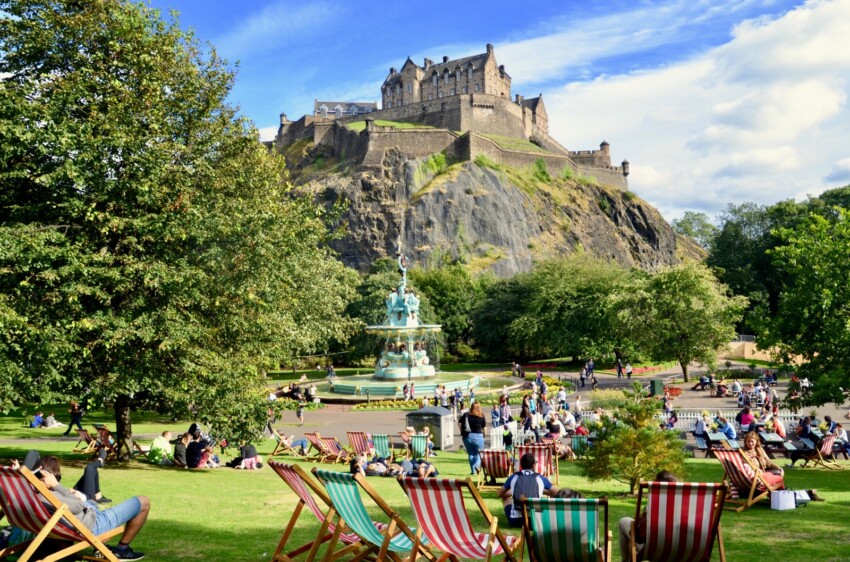
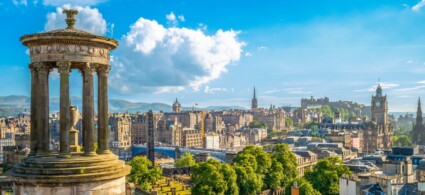
Before heading to the Highlands it’s worth dedicating at least a day to the capital. Edinburgh Castle dominates the city from atop Castle Rock and houses the Scottish Crown Jewels and the Stone of Destiny. Walking down the Royal Mile takes you through the heart of the Old Town, past historic pubs, tartan shops and the royal palace of Holyroodhouse at the foot of the street. In the evening, a pub in the Grassmarket area is the perfect way to start your journey properly. Stay in the city: you’ll be leaving early the next morning.
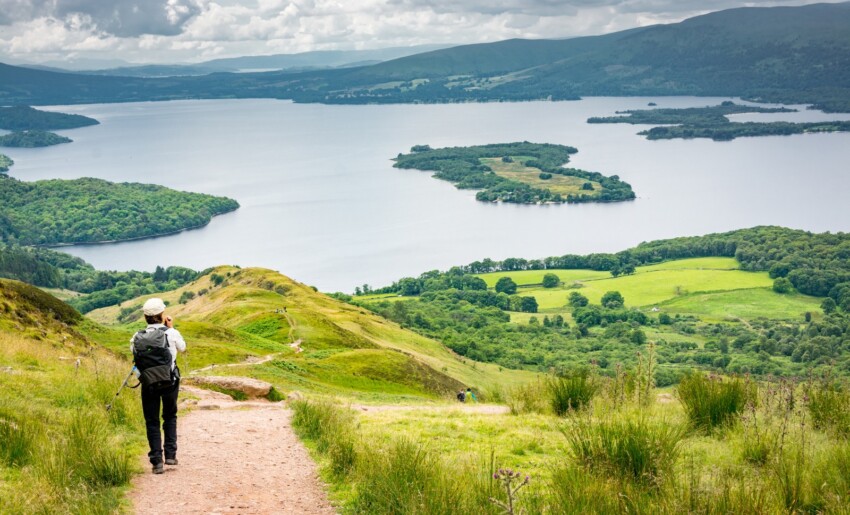
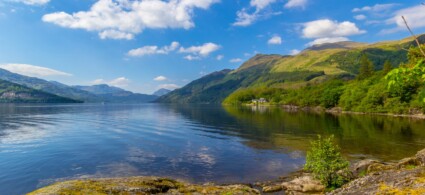
Leave Edinburgh heading west on the M9/M80 motorway and in less than an hour you’ll reach Loch Lomond, Britain’s largest lake. The village of Luss, with its little stone cottages overlooking the water, deserves a stop. From here the road climbs north through the Trossachs National Park, with loch views opening up at every bend.
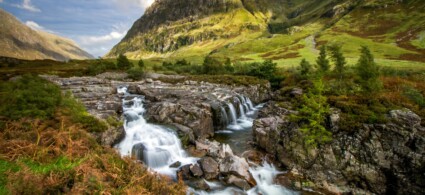
By afternoon you’ll arrive at Glencoe, Scotland’s most dramatic glen. The sheer rock walls that rise vertically on either side of the A82, the scree slopes and the constantly shifting light create an atmosphere that takes your breath away. This is the site of the 1692 Massacre of the MacDonalds, and you can feel it. Stop at the visitor centre and walk at least to the head of the glen. Stay in Glencoe or Ballachulish.
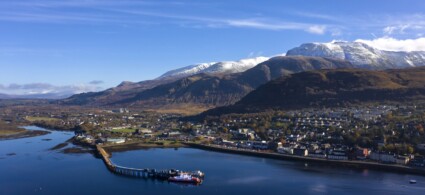
In the morning you’ll reach Fort William, at the foot of Ben Nevis — Britain’s highest mountain at 1,345 metres. Those keen to climb it will need to set aside a full day; others can make do with views from below and a hearty breakfast in town.
Continuing north-west on the A830 you’ll reach Glenfinnan, where the Glenfinnan Viaduct — made famous by the Harry Potter films as the route of the Hogwarts Express — rises above the loch. The Jacobite Monument recalls the 1745 battle of Bonnie Prince Charlie. One of Scotland’s most spectacular photo stops.
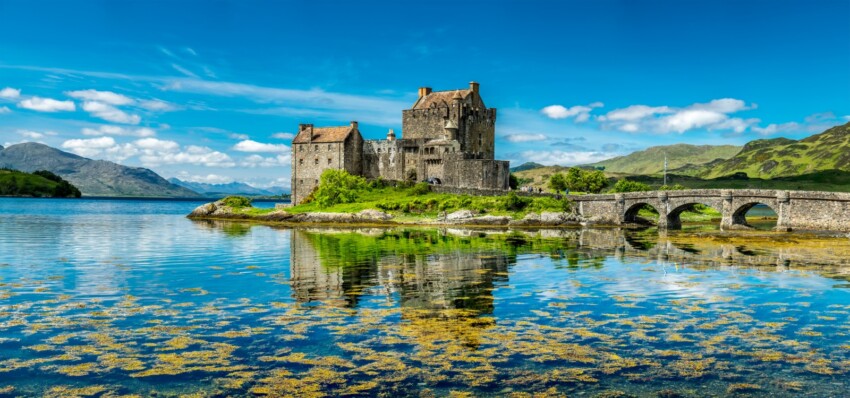
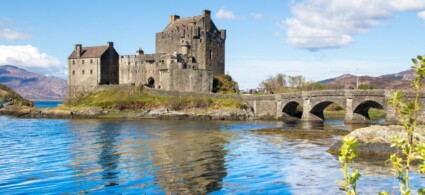
By late afternoon you’ll arrive at Eilean Donan Castle, Scotland’s most photographed castle, perched on an islet at the meeting point of three lochs. Sunset transforms it into a postcard. Stay in Dornie or Kyle of Lochalsh.
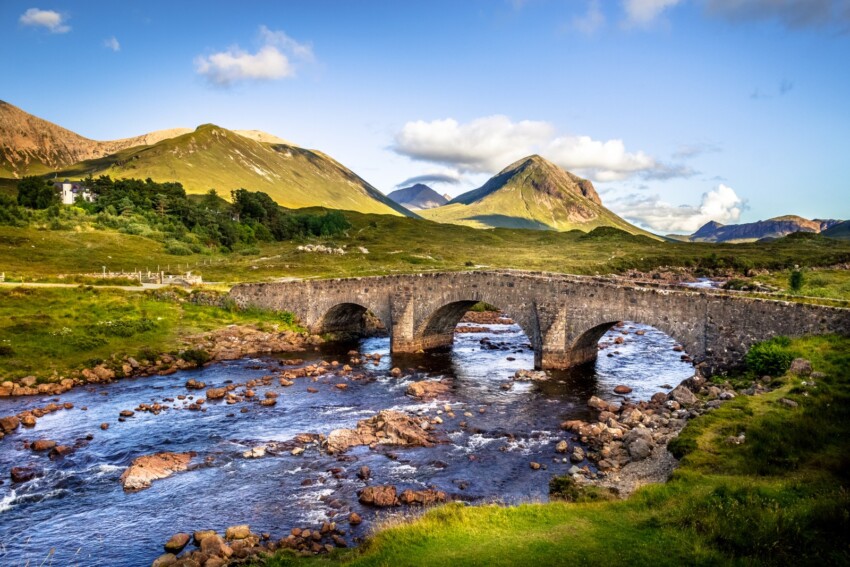
The Isle of Skye deserves a full day — perhaps the finest of your entire trip. Cross the Skye Bridge from Kyle of Lochalsh and head up the eastern coast towards the north. Your first stop is Sligachan, with views across the Cuillin Mountains — black, jagged, hostile and utterly beautiful — and the old stone bridge where light dances on the river.
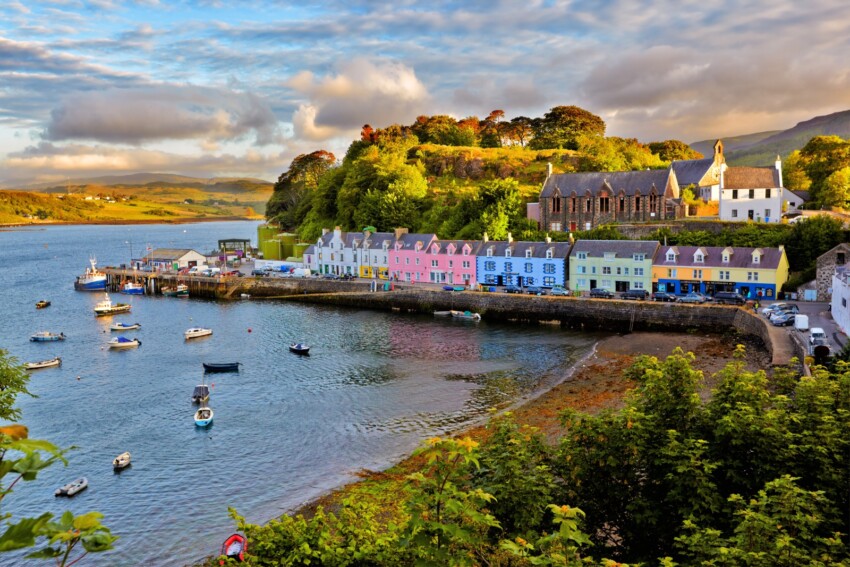
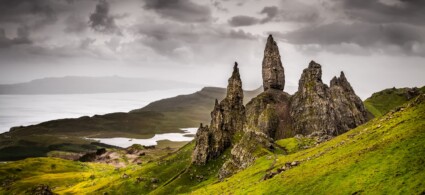
Continue on to the Quiraing, at the far north of the island: a lunar landscape of rocky pinnacles, suspended meadows and deep valleys reached by an hour-long walk. On the eastern coast, the Kilt Rock cliffs plunge sheer into the sea with an effect that’s impossible to describe. Head back south via Portree, the island’s capital, with its colourful houses reflected in the harbour. Stay in Portree or Broadford.
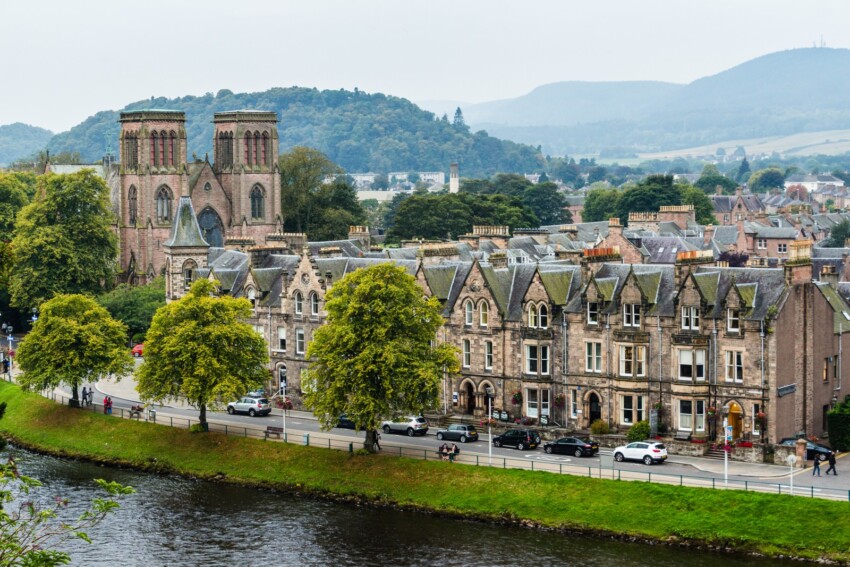
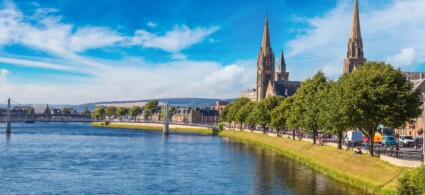
Leave Skye by retracing the A87 heading east and then north, climbing through the central Highlands across moorland and peatland. The route takes you to Inverness, capital of the Highlands, a vibrant town with a red castle on the River Ness and an excellent covered market for lunch.
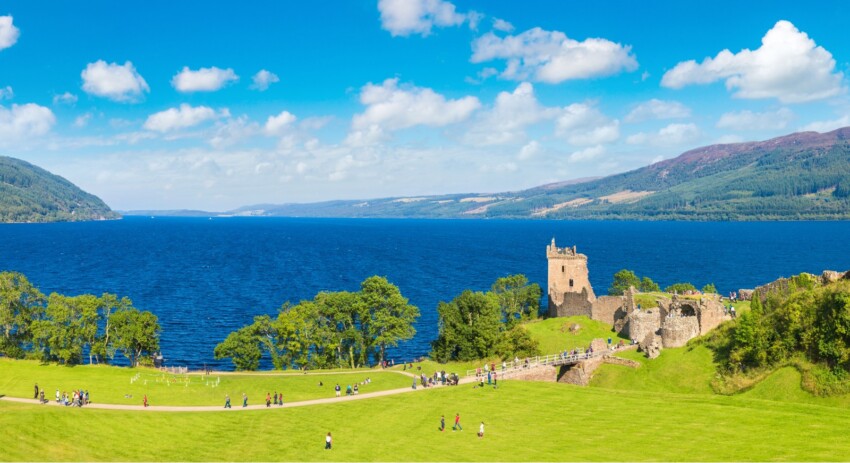
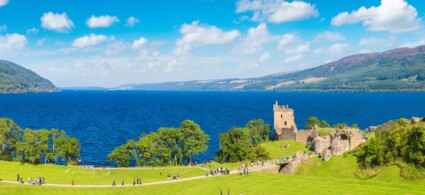
By afternoon you’ll reach the famous Loch Ness: 37 kilometres of dark, deep and mysterious water. The banks are accessible by car along the A82, with a stop at Urquhart Castle, the ruined fortress jutting directly into the loch and offering the classic viewpoint over the water. Stay in Inverness or one of the B&Bs on the loch side.
The sixth day takes you through the heart of Scotland via the Cairngorms National Park, the UK’s largest national park. The high plateau is home to wild reindeer, golden eagles and landscapes found nowhere else in Britain. The village of Aviemore is the base for summer hiking and winter skiing. Then head down to Pitlochry, a postcard-perfect Scottish village with a distillery, a summer theatre and a salmon ladder on the River Tummel. From Pitlochry continue on to Perth, where you’ll spend your final night away from the capital.
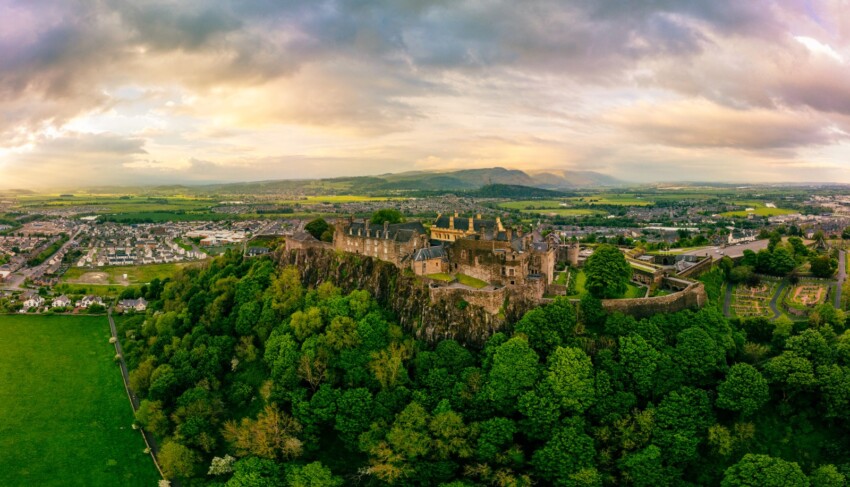
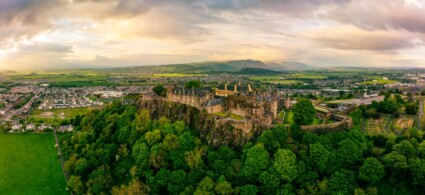
Your final day is dedicated to the return journey with an essential stop at Stirling. Stirling Castle, considered one of Scotland’s finest, was the preferred residence of Mary, Queen of Scots and the centre of Scottish power for centuries. Its halls have been restored with the Unicorn Hunt tapestries, among the best-preserved medieval textiles in Europe. A few kilometres away stands the Wallace Monument, the Gothic tower dedicated to William Wallace visible from the motorway. From Stirling, Edinburgh is less than an hour away: time enough to return your car to the airport and catch your flight home, or stay another night in the city.
For this itinerary you’ll cover approximately 950 km in total, an average of 130–200 km per day. Scottish roads are generally well maintained, but outside the motorways speed limits drop significantly (60 mph on trunk roads, 30 mph in built-up areas). Book your accommodation in advance, especially from June to August when demand exceeds supply, particularly on the Isle of Skye. For more details on everything there is to see along the way, consult our guide to what to see in Scotland.
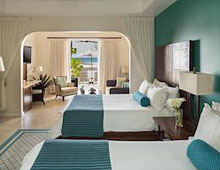 Hotel
Hotel 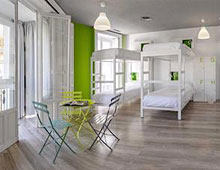 Budget accommodations
 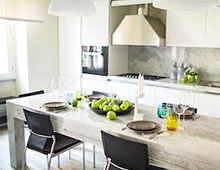 Apartments
 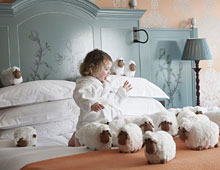 Family Hotel
 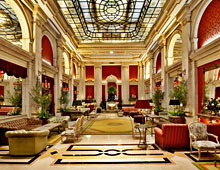 Luxury Hotel