Edinburgh: Loch Ness, Glencoe & the Scottish Highlands Tour
18.051 reviews
Buy now
From 76,03€ per person
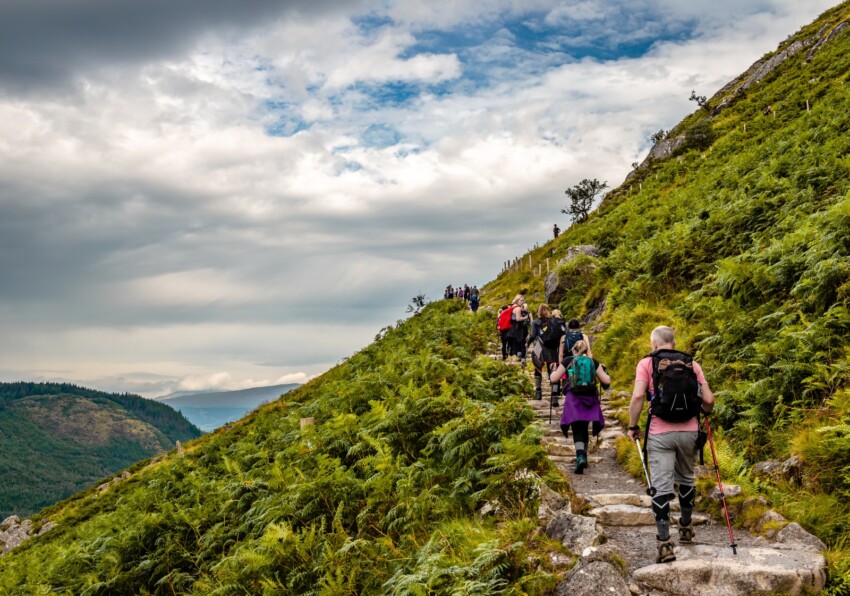
Scotland is one of Europe’s great trekking paradises. There are no barriers, fences or special permits required to walk across almost the entire country: the Land Reform Act of 2003 guarantees the right of access on foot virtually anywhere, a principle locals call freedom to roam and one that makes Scotland unique within the British context. You’ll move along marked trails, across windswept ridges, along jagged coastlines and through valleys where your only companions are golden eagles and wild reindeer. Difficulty levels range from family-friendly walks with children to technical scrambles on the Cuillin ridges of Skye, among the most challenging in Great Britain.
A hire car is essential to make the most of it: many trailheads are distant from towns and difficult to reach by public transport. Our guide to car hire in Scotland will help you organise the logistics. The best seasons for walking are late spring, summer and early autumn: summer days are exceptionally long, but midges — the bothersome tiny insects of the Highlands — reach their peak between June and August; in autumn the light is extraordinary and the bracken turns gold and red.
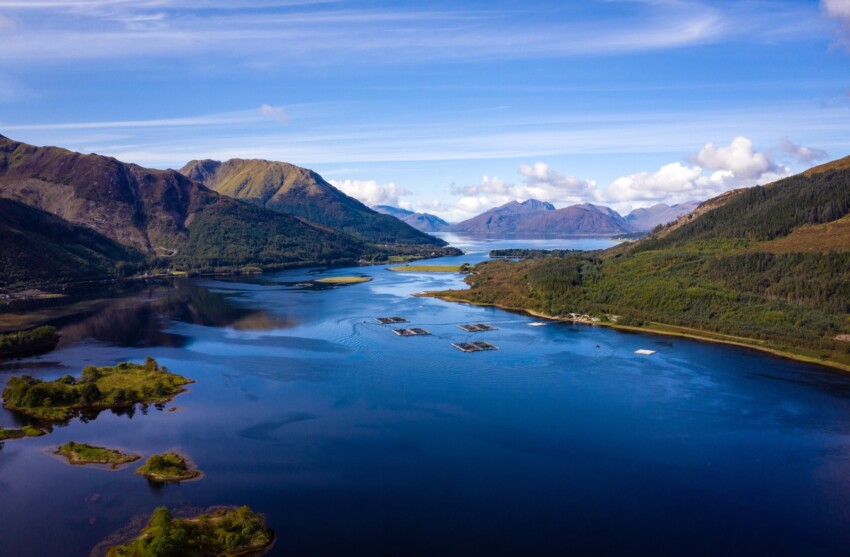
The West Highland Way is Scotland’s most famous long-distance trail and one of the most celebrated in all of Great Britain. It stretches for approximately 154 km from Milngavie, just outside Glasgow, to Fort William, at the foot of Ben Nevis. The classic route takes six or seven days on foot to complete, though it can be broken into shorter stages.
The trail passes through remarkably diverse landscapes: the eastern shore of Loch Lomond, the open moorland of Rannoch Moor, the dramatic entrance to the Glencoe valley and finally the descent into Fort William across the slopes of Ben Nevis. It’s not technically difficult, but it does require reasonable fitness, appropriate equipment and the ability to cope with any weather conditions. It’s accessible to walkers of intermediate experience. B&Bs, hostels and campsites are dotted along the route.
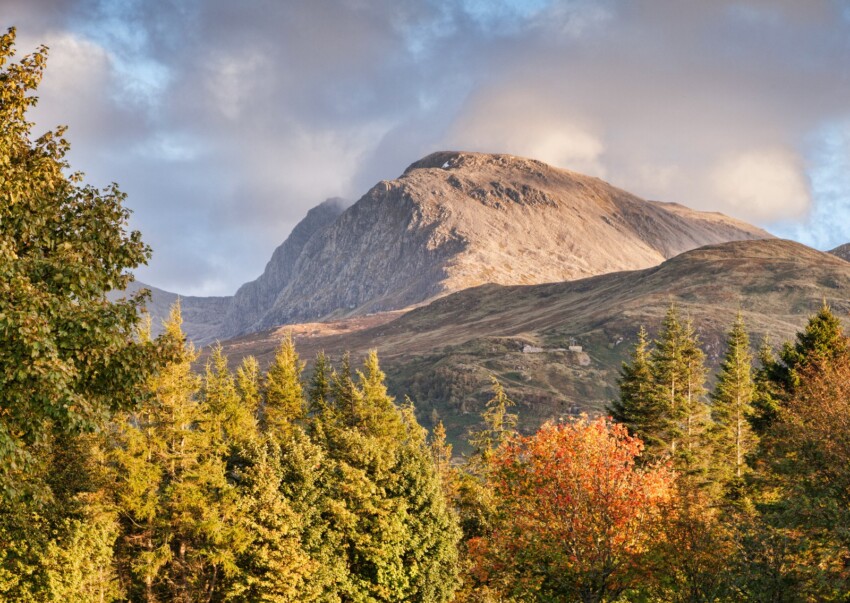
Climbing Ben Nevis — at 1,345 metres, the highest mountain in Great Britain — is the ambition of many walkers visiting the Highlands. The classic route, called the Mountain Track or Tourist Route, starts from Achintee near Fort William and climbs for about 8 km with a height gain of 1,300 metres: strenuous but technically achievable in summer even for those without alpine experience, provided you bring warm clothing, waterproofs and suitable footwear. On a clear day, the summit offers views that can reach across to Ireland.
Between October and May the summit is often covered in snow and ice and requires technical equipment. The peak is crowned with the remains of a nineteenth-century meteorological observatory and, in high summer, you’ll regularly encounter people in sandals who have underestimated the challenge — a common mistake that Scotland’s mountain rescue teams know all too well.
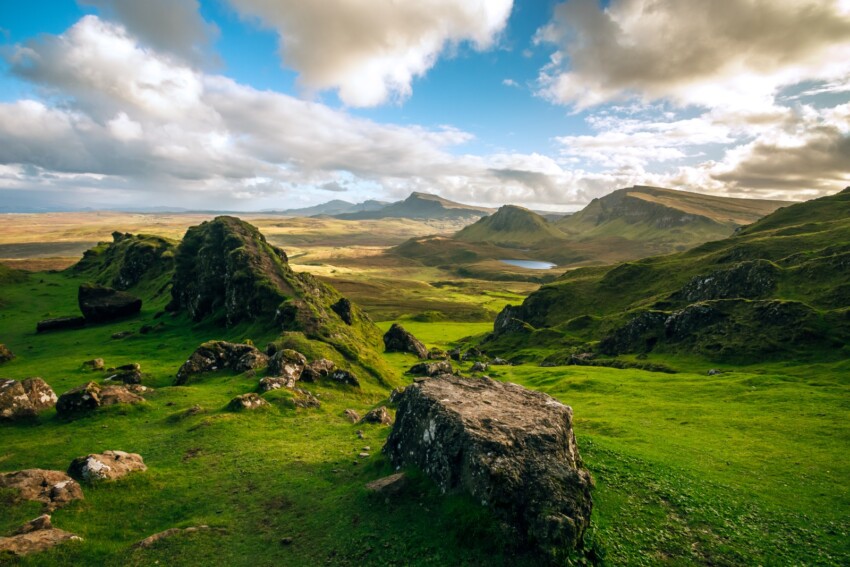
The Isle of Skye offers some of Europe’s most surreal scenery, and two walks in particular have become iconic destinations. The Old Man of Storr is a 50-metre basalt pinnacle that towers above the island’s eastern coast: the path leading to its base starts from the car park on the A855 and takes about an hour and a half, passing over volcanic rocks, alpine lochs and offering views across to the isle of Raasay and the mainland. It’s the most visited walk on Skye, but it loses none of its appeal.
The Quiraing, at the far north of the island, is more remote and even more spectacular: a labyrinth of rocky pinnacles, sheer walls and suspended meadows created by an ancient landslide. The full circular route takes about three hours and is of medium difficulty. Both walks cross terrain that can be slippery: proper trekking boots are essential.
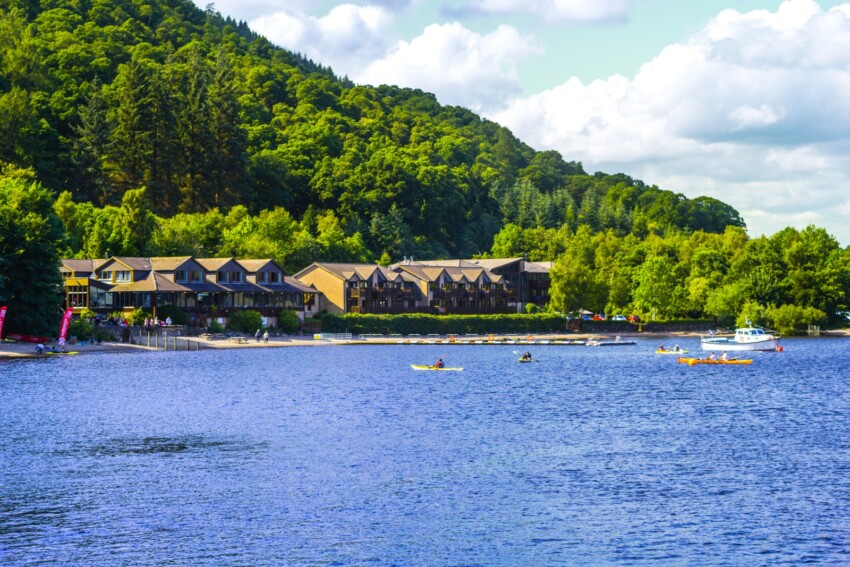
The Loch Lomond and The Trossachs National Park is the national park closest to Scotland’s major cities — less than an hour from Glasgow — and for this reason one of the most visited. Yet it offers a variety of trails well beyond leisurely weekend strolls: Ben Lomond (974 m), Scotland’s most southerly Munro, is reachable in a four-hour walk from the village of Rowardennan on the eastern shore of the loch. The view across the expanse of Loch Lomond and northward towards the hills is one of the region’s most generous rewards.
For those preferring flat terrain, the path along the western shore of Loch Lomond from Luss is suitable for all and offers glimpses of the loch in every season.
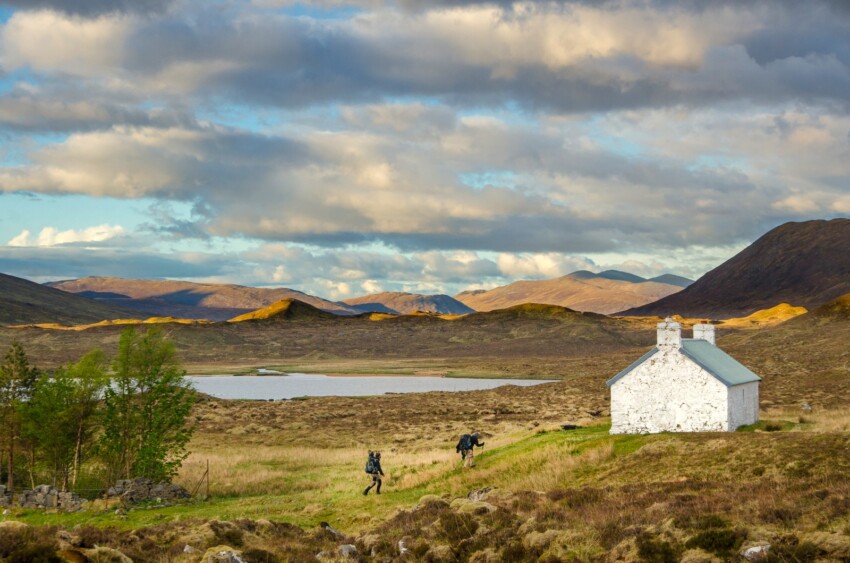
For those seeking solitude and primordial landscapes, the north-western Highlands are unbeatable. The Torridon region is home to some of the planet’s oldest mountains — 750 million years of geological history visible in the reddish layers of Beinn Eighe and Liathach — and trails that demand experience and map-reading skills, since waymarking is often sparse. It’s not a zone for beginners, but experienced mountain walkers will find one of Europe’s wildest trekking experiences here.
Glen Affric, often described as Scotland’s most beautiful valley, can be walked on a multi-day trail that passes through ancient Caledonian pine forests, alpine lochs and open moorland. It’s possible to tackle it as a section of the Cape Wrath Trail, the unmarked 370 km trail from Fort William to Cape Wrath — the most north-westerly point of mainland Britain — considered one of Europe’s most challenging and solitary walks.
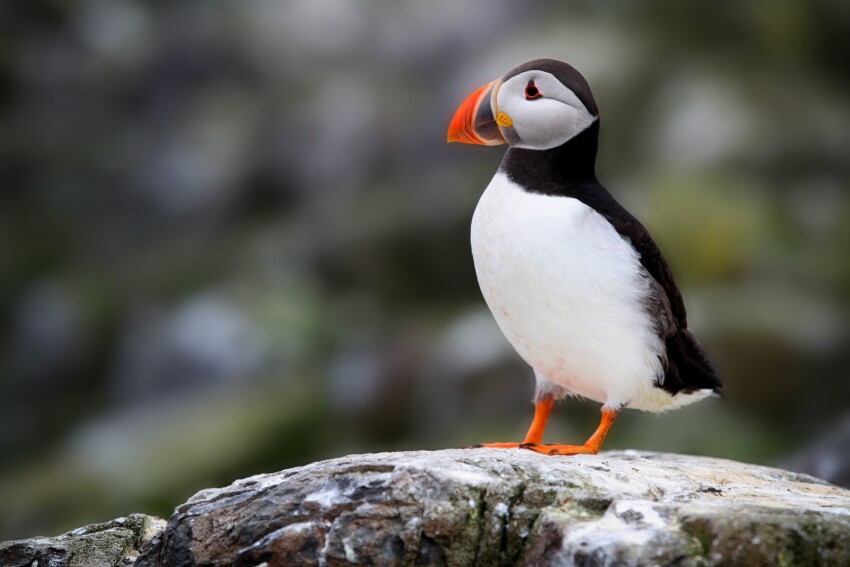
Those venturing beyond the mainland will find extraordinary coastal walks in the Orkney Islands and Shetland Islands. The cliffs of Hoy in Orkney — home to the famous Old Man of Hoy, a monolith that draws climbers from around the world — can be walked along the cliff edge with views across open ocean. Shetland offers trails across peatland, through fjords and past puffin colonies that approach walkers without fear.
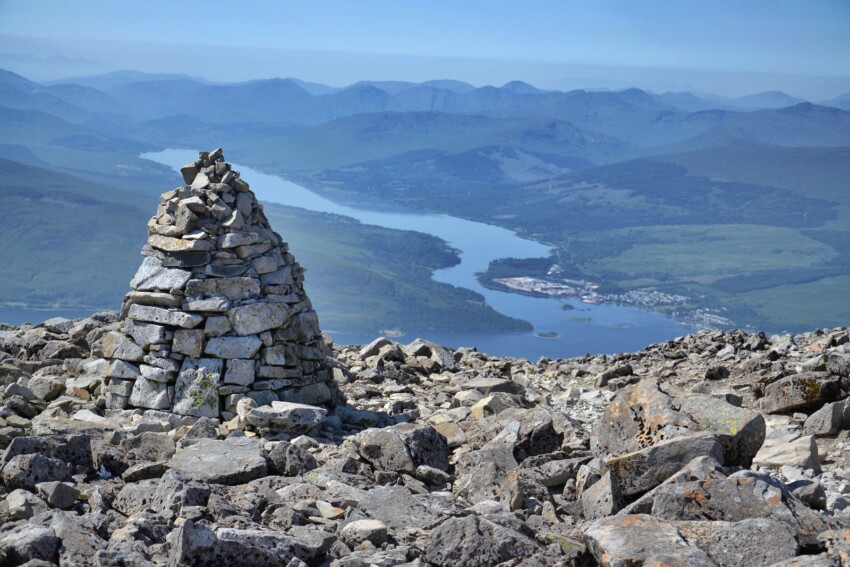
Scotland is home to 282 mountains above 914 metres (3,000 feet), known as Munros after Sir Hugh Munro, who catalogued them in 1891. Climbing them all — an undertaking known as Munro bagging — is an objective that captivates thousands of Scottish and visiting walkers: those who complete the list are called Munroists. Ben Lomond is often recommended as the most accessible Munro for beginners; Ben Nevis is the most popular; the most technical and remote are found on the Cuillin ridges of Skye. Even climbing five or ten during a visit is an experience that transforms the way you see the Scottish landscape.
Whatever route you choose, certain basic rules apply everywhere in Scotland. Always wear layered clothing and carry a reliable waterproof jacket: weather changes rapidly even in summer. Waterproof trekking boots are essential on almost all terrain. Download or carry OS (Ordnance Survey) maps in paper or app format: mobile signal in the Highlands is often non-existent. Always tell someone which route you’re taking and your expected return time. For information on trails, mountain weather conditions and emergency reporting, the Mountaineering Scotland website is the most reliable resource. To plan accommodation in trekking areas, consult our guide on where to stay in Scotland.
 Hotel
Hotel  Budget accommodations
  Apartments
  Family Hotel
  Luxury Hotel