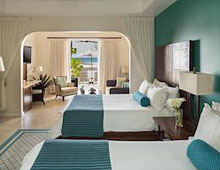
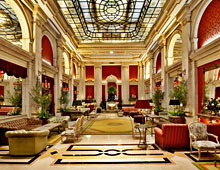
Leonardo Royal Hotel Edinburgh
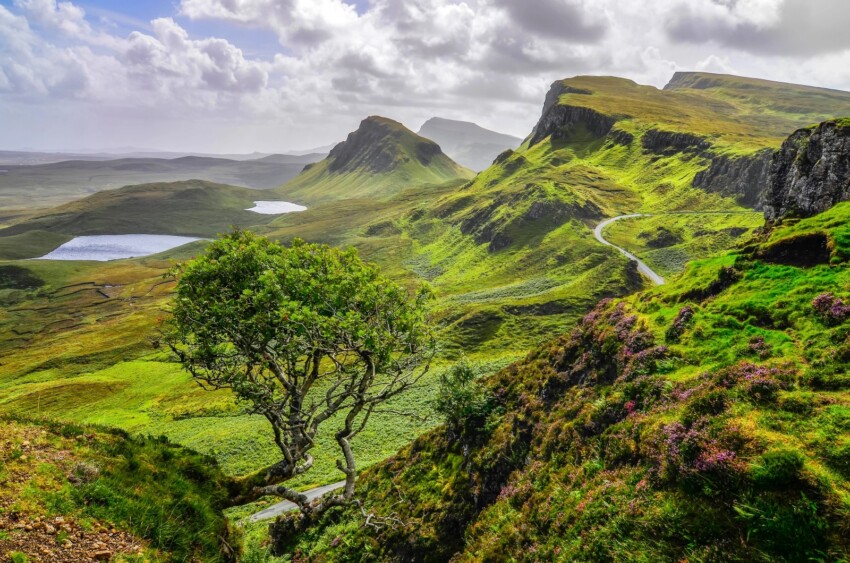
Two weeks is the perfect amount of time to do Scotland justice. You can cover both the Highlands and the islands, cities and coastline, without feeling rushed from one place to another. A hire car remains essential: the freedom to stop for an unexpected view, take a detour down a minor road or reach a remote B&B is worth the rental cost alone. With two weeks, you also have the luxury of slowing down in the most beautiful places, spending two nights in one location without having to unpack and repack your bags daily.
The natural starting point is Edinburgh, with car hire from Edinburgh Airport on arrival. If you prefer, you can structure the trip as a large loop departing and returning to the capital, or opt for one-way car hire — for example, starting from Edinburgh and returning via Glasgow — a convenient option if you’d rather not retrace your steps. In this case, your return flight will depart from Glasgow Airport. Remember that in Scotland you drive on the left and that mountain and island roads are often single track. For practical details, consult our guides on car hire in Scotland and driving in Scotland.
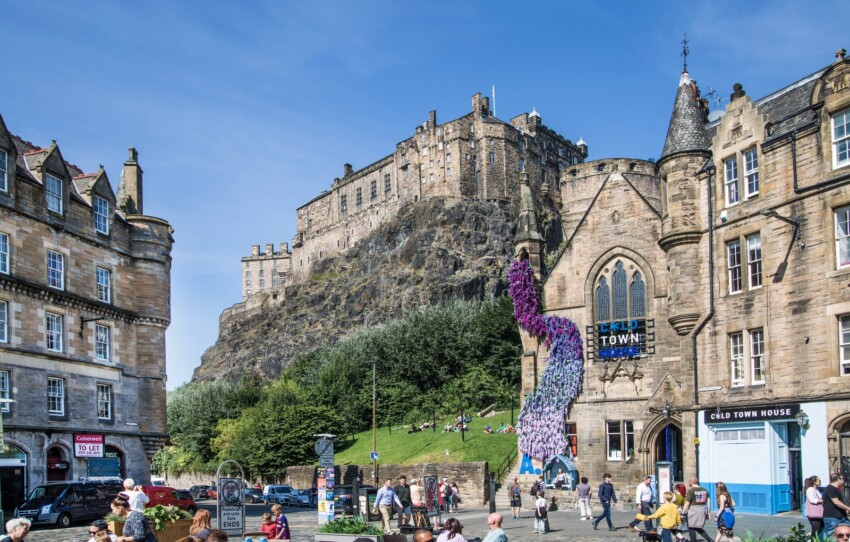
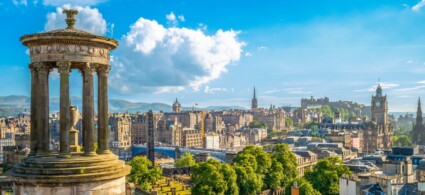
Two days in the capital are the minimum to do it justice. Spend your first day in the Old Town: Edinburgh Castle, a stroll down the Royal Mile, Holyroodhouse Palace and — if you’re feeling brave — a tour of the underground vaults of Mary King’s Close. In the evening, the pubs around Grassmarket and Cowgate are the heart of the city’s historic nightlife.
On your second day, explore the Georgian New Town with Princes Street, Arthur’s Seat for panoramic views over the city, and the port of Leith where you can visit the Royal Yacht Britannia. If you’ve purchased the Royal Edinburgh Ticket, you’ll save on the Castle, Holyroodhouse and Britannia. For a comprehensive view of the capital, also check our guides on what to see in Edinburgh and where to stay in Edinburgh.
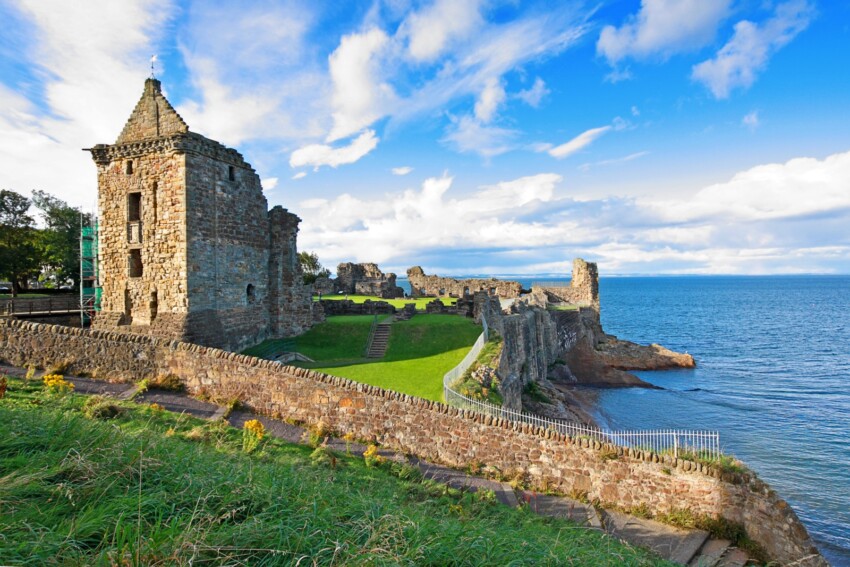
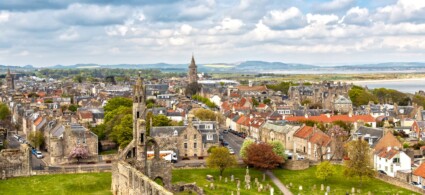
Head north across the Firth of Forth via the impressive Queensferry Crossing. Your first stop is St Andrews, Scotland’s oldest university town, famous for its ruined medieval cathedral, castle and golf courses of the Royal and Ancient Golf Club, considered the birthplace of golf worldwide. St Andrews sits in the county of Fife, a peninsula often overlooked by tourists but rich in fishing villages, castles and coastal scenery. Even non-golfers find the old course overlooking the sea captivating.
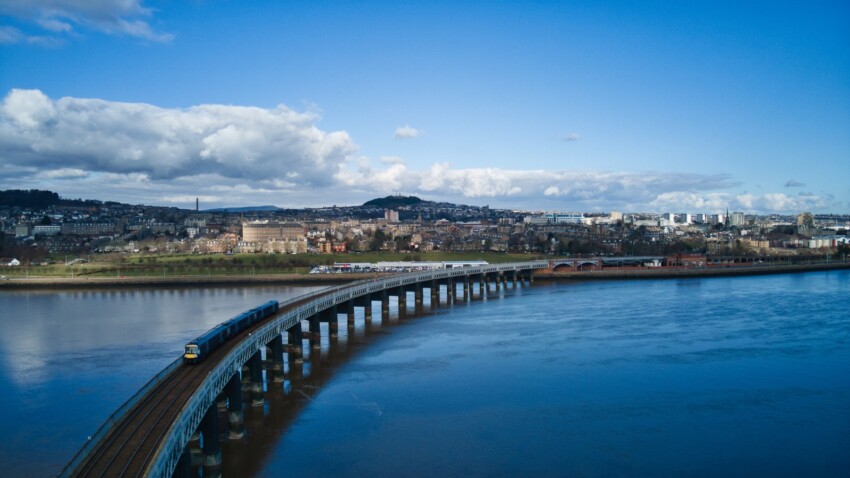
In the afternoon, reach Dundee, a city undergoing a cultural renaissance thanks to the V&A Museum of Design, the first Victoria and Albert museum outside London, opened in 2018 in a spectacular building overlooking the River Tay. Also worth visiting is Discovery Point, where the RRS Discovery is moored — the vessel Scott used to explore Antarctica. Stay overnight in Dundee.
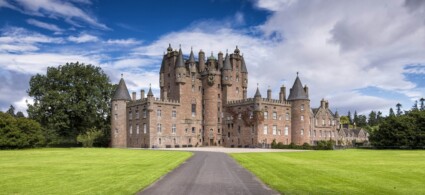
In the morning, visit Glamis Castle, the ancestral home of the family of Queen Mother Elizabeth and the setting for Shakespeare’s Macbeth. The interior is among the most richly furnished in Scotland: rooms with painted ceilings, medieval armour and an Italian garden that is a marvel in summer. Drive then northward into the Highlands through the Perthshire valleys to Aviemore, gateway to the Cairngorms National Park. Simply driving across the plateau — with its wild reindeer, Caledonian pine forests and amber-coloured streams — is worth the journey itself. Stay in Aviemore or Grantown-on-Spey.
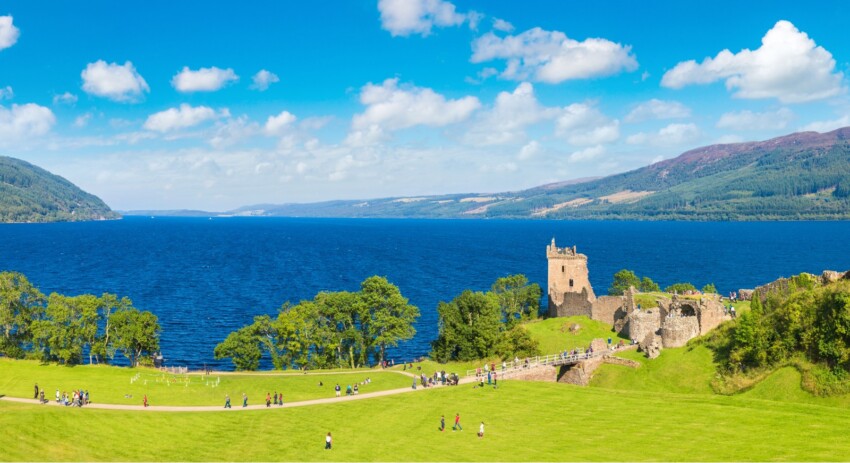
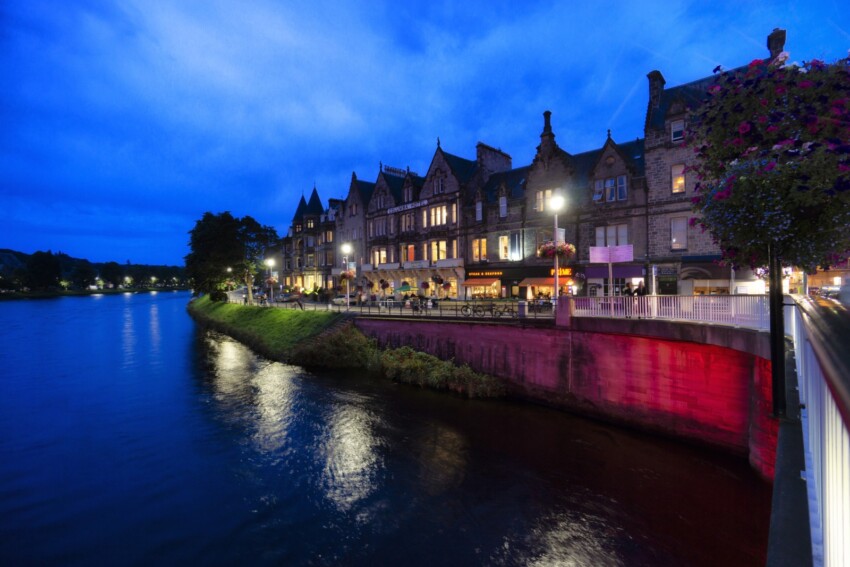
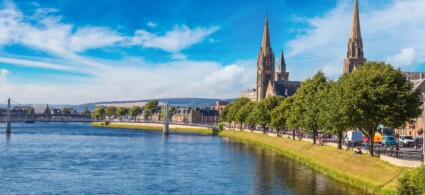
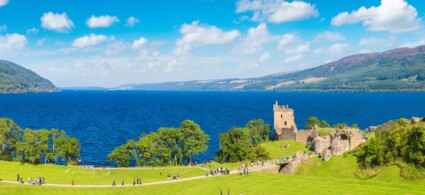
A morning in the Cairngorms area for those who want to walk or visit the Cairngorm Mountain Resort, accessible by funicular in summer to over 1,000 metres altitude. In the afternoon, descend to Inverness, capital of the Highlands, for lunch at the Victorian covered market and a stroll along the River Ness. Continue along the western shore of Loch Ness on the A82, stopping at Urquhart Castle, a ruined medieval castle jutting directly into the water. Stay by the loch or in Inverness.
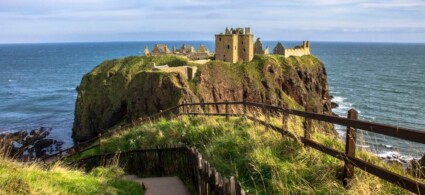
A stop off the beaten tourist trail but extraordinary nonetheless. Drive up the eastern Highlands coast northward to Dunrobin Castle, the largest castle in the north of Scotland with its French-style turrets that look like they’ve stepped out of a fairy tale and terraced gardens descending to the sea. Inside is a collection of hunting trophies and historical artefacts that tell centuries of history of the Dukes of Sutherland. Continue to Thurso or John O’Groats, the most northerly point on the British mainland, with the Orkney Islands visible on the horizon on clear days. Stay in Thurso.
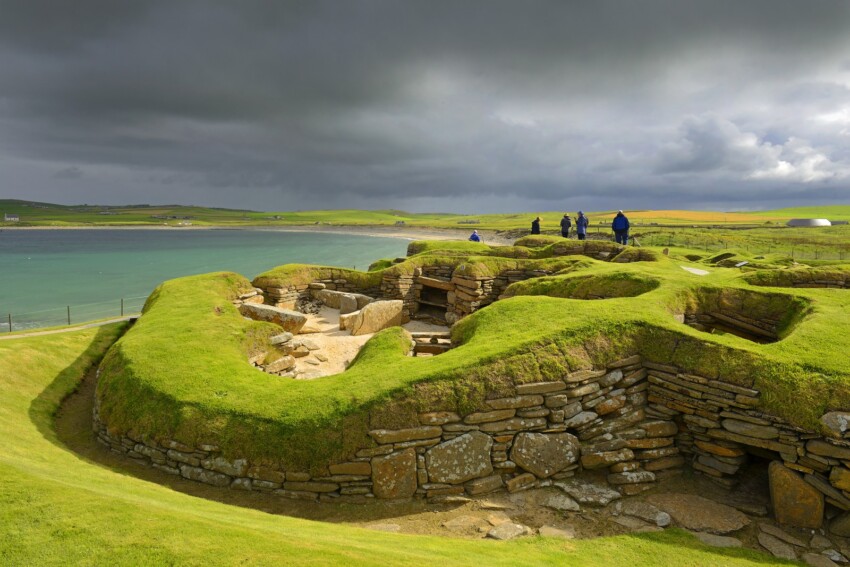
If you fancy an extra adventure, take the ferry from Scrabster to Stromness in the Orkney Islands (approximately 90 minutes): the main island is home to the Neolithic site of Skara Brae — a prehistoric village dating back 5,000 years, older than the pyramids — the Stones of Stenness and the Ring of Brodgar, all UNESCO World Heritage sites. An evening return ferry brings you back to the mainland. It’s one of the most extraordinary detours of the entire trip if you have even just half a day to spare.
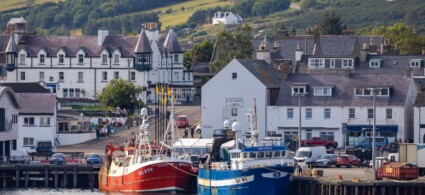
Alternatively, head west along the spectacular NC500 — the North Coast 500, Scotland’s most scenic road — through Tongue and Durness, with its sea caves at Smoo Cave and the white sand beach of Balnakeil. Continue south to Ullapool, a fishing village on Loch Broom, with its harbourside pubs and ferries to the Hebrides Islands. Stay in Ullapool.
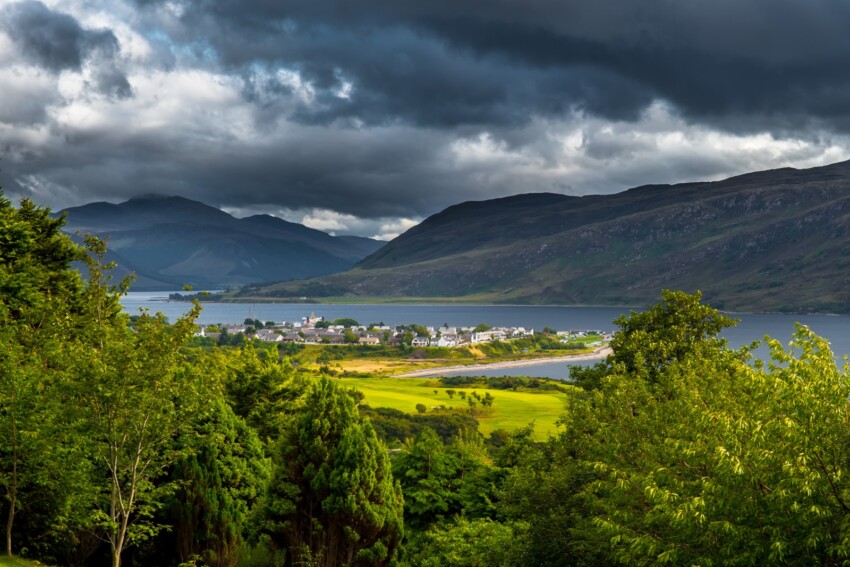
The stretch of coast from Ullapool southward is among the wildest in Europe. Cross the Torridon mountains, among the oldest in the world at 750 million years old, and descend to the sea through valleys where there is almost nothing but rock, water and sky. The sharp silhouettes of Beinn Eighe and Liathach dominate the landscape. Arrive at Kyle of Lochalsh, gateway to Skye, where you can already glimpse the Cuillin Mountains on the island on the horizon. Stay here or cross the bridge to the island immediately.
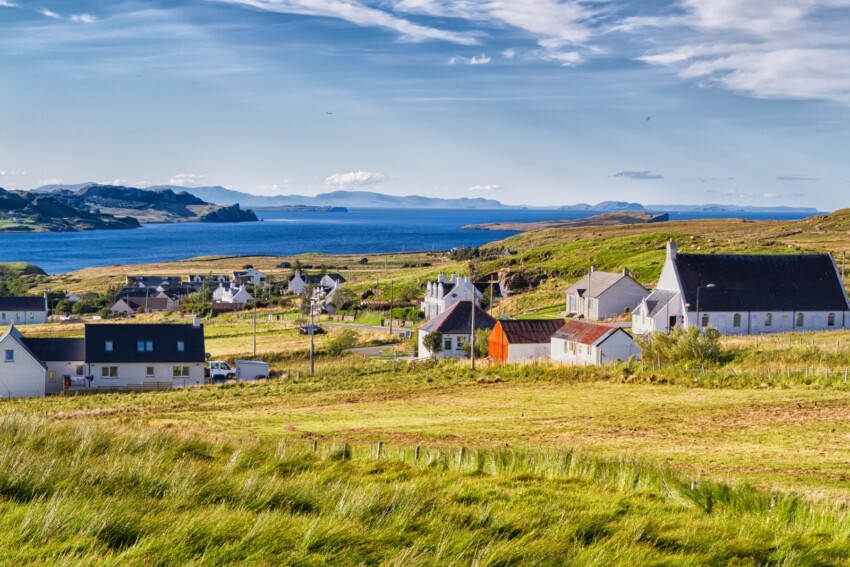
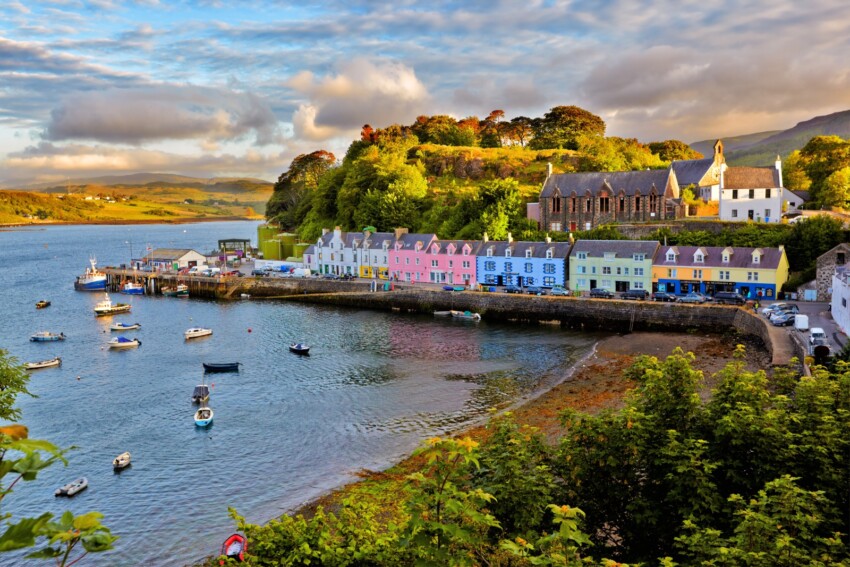
Your first day on the Isle of Skye focuses on the north: the Quiraing with its rocky pinnacles and suspended meadows, Neist Point Lighthouse at the western tip with views of the Outer Hebrides at sunset, and Dunvegan Castle, seat of the MacLeod Clan for over 800 years and Scotland’s oldest continually inhabited castle. Near Dunvegan you can hire boats to spot seals on the Coral Beaches. Stay in Portree, the island’s main town, with its colourful houses reflected in the harbour.
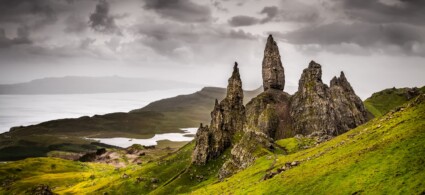
Your second day on Skye is dedicated to the south: Sligachan and the Cuillin mountains — black, jagged and vertical like no other British mountain — the Kilt Rock Cliffs on the east coast and the Old Man of Storr, the island’s most photographed basalt pinnacle, reached by a 45-minute walk rewarded with 360-degree views. If you still have energy, take the ferry from Uig to the Outer Hebrides Islands (Harris and Lewis), where white sand beaches and turquoise waters feel like the Caribbean of the north. Stay on Skye.
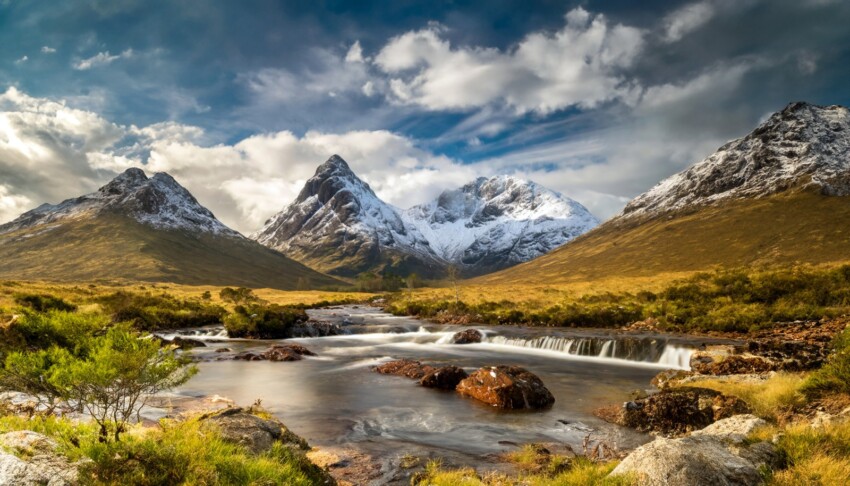
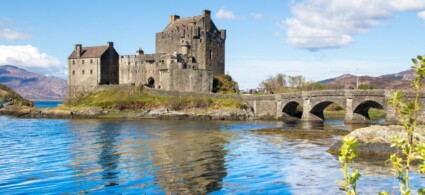
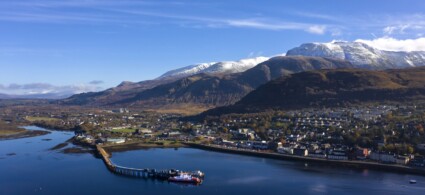
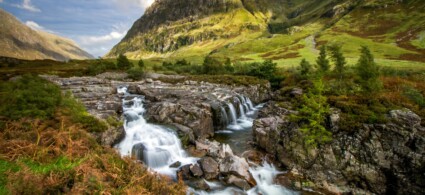
Leave Skye by recrossing the bridge and heading south along the A87. A stop at Eilean Donan Castle is essential — it sits on an islet at the confluence of three lochs with mountains behind it: one of Scotland’s most iconic views, even more atmospheric if you catch it in morning mist. Continue to Fort William, at the foot of Ben Nevis, then along the A82 to Glencoe. The valley at sunset, with rocky walls glowing orange, has a light that many photographers come specifically to capture. Stay in Glencoe or Ballachulish.
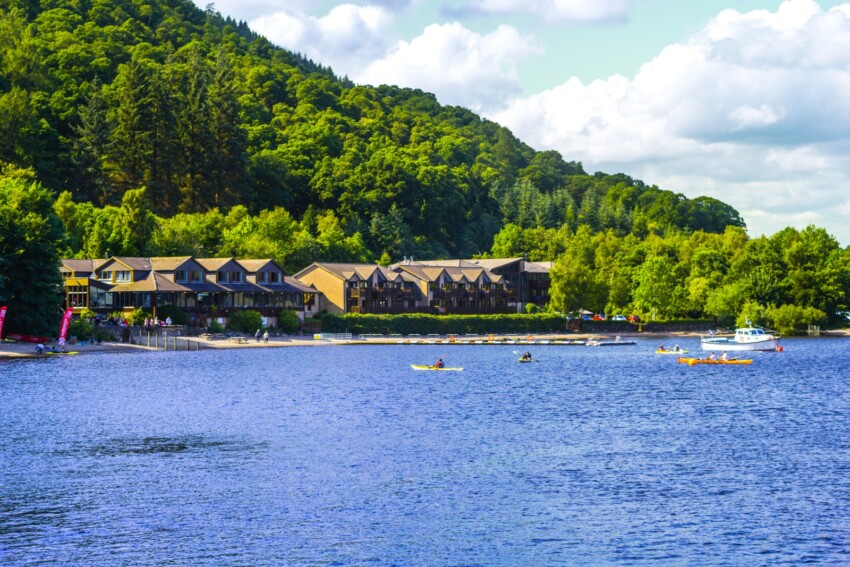
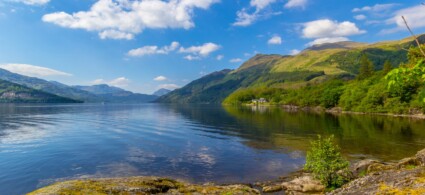
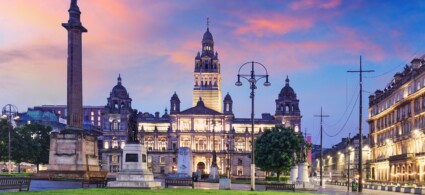
Your last day in the Highlands before the lowlands. Head to Loch Lomond with a stop at the village of Luss, with its stone cottages overlooking the water and views across Britain’s largest loch. From here the A82 takes you to Glasgow in just over an hour. The city deserves more than an evening: the Merchant City district, free museums like Kelvingrove, the medieval Cathedral and the restaurant scene in the West End provide a welcome change of pace after days in the Highlands. To get oriented, read our guides on Glasgow and where to stay in Glasgow.
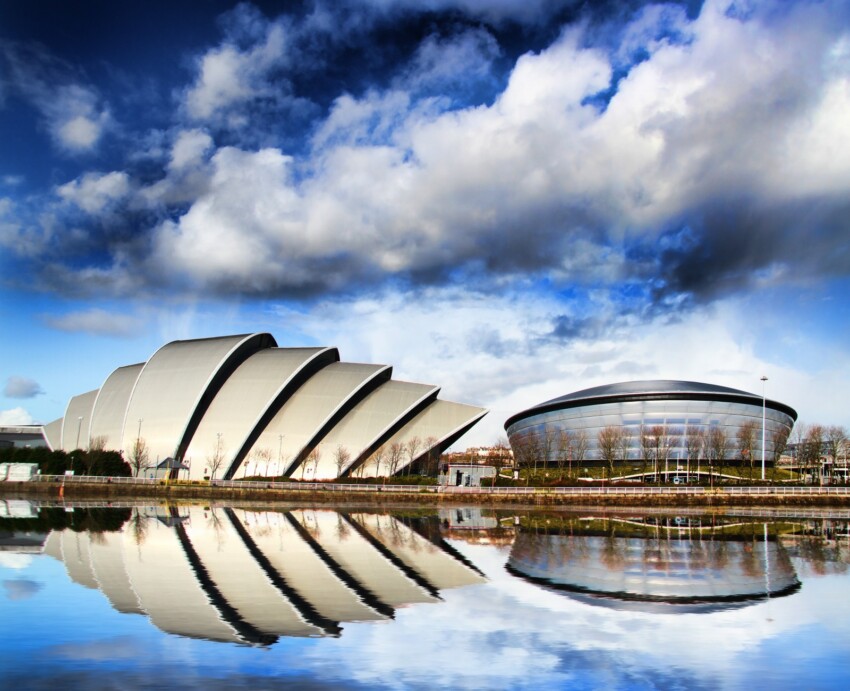
A full day dedicated to Scotland’s largest city. Visit Glasgow School of Art by Mackintosh, the Riverside Museum with its wave-shaped architecture by Zaha Hadid, the Barras market and — if you’re a football fan — tour the Celtic Park or Ibrox Stadium, the two temples of the Old Firm rivalry. Art lovers should visit the Burrell Collection, home to one of the world’s most important collections of medieval art, reopened after extensive restoration in 2022. In the evening, the pubs and restaurants of Finnieston are among the best in all of Scotland. Stay overnight in Glasgow.
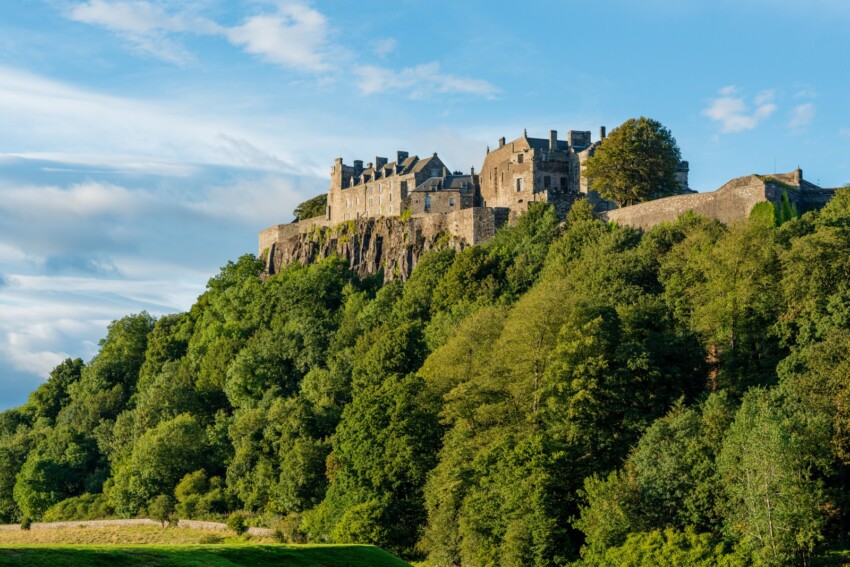
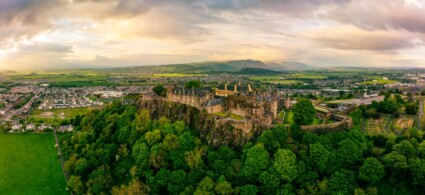
Your final day connects Glasgow to Edinburgh with an essential stop at Stirling. Stirling Castle was Mary, Queen of Scots’ preferred residence and the seat of Scottish power for centuries: its rooms display the Unicorn Tapestries, among Europe’s finest preserved medieval textiles. Just kilometres away stands the William Wallace Monument, the Gothic tower visible from the motorway, and the Bannockburn battlefield where in 1314 Robert the Bruce defeated the English army in what remains Scotland’s greatest military victory in history. From Stirling, Edinburgh is less than 45 minutes away. Return your car at the airport and complete the circle.
Over two weeks you’ll cover approximately 1,700–1,800 km, averaging 120–130 km daily — a comfortable pace that allows for spontaneous stops. Book accommodation at least two months in advance during peak season (July–August), particularly on the Isle of Skye and the north coast, where availability is limited. For the Orkney Islands leg, check ferry times on NorthLink Ferries well in advance. If you plan to visit many paid attractions in Edinburgh, consider purchasing a visitor pass before you depart.
 Hotel
Hotel  Budget accommodations
  Apartments
  Family Hotel
  Luxury Hotel