Documents for Travelling to the United Kingdom
Do you need a passport to travel to the United Kingdom? All the information on required documents for visiting London, England, Wales and Scotland.

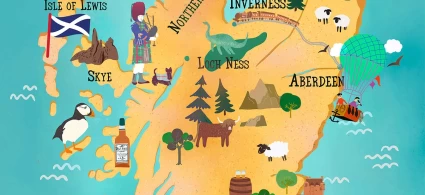
Scotland is one of those places that looks like nowhere else on Earth. The Highlands shift colour with the weather, the islands seem suspended between ocean and sky, and the cities pulse with unmistakable energy and character. Yet planning a trip here requires a bit more thought than a typical European destination, particularly since Brexit.
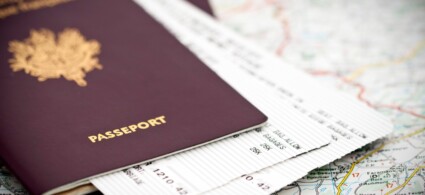
First, consider the documents you’ll need to enter the United Kingdom: EU citizens must travel with a valid passport — national ID cards are no longer accepted — and from 2 April 2025, you’ll also need an electronic travel authorisation (ETA), which you must apply for online before departure. For tourist stays of up to six months, no visa is required.
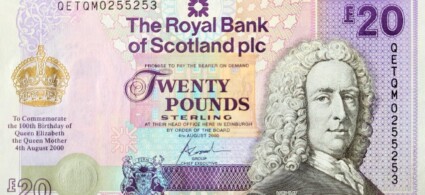
The currency is the British pound, not the euro. In Scotland, you’ll find banknotes from both the Bank of England and those issued by Scottish banks — both are equally valid, so don’t worry if you have a mix. Keep an eye on the euro-to-pound exchange rate before you go, and use cash machines rather than airport bureaux de change, which charge hefty commissions.
Let’s be straightforward about the weather: Scotland is an Atlantic country, and rain is part of the landscape whatever the season. May to September offer the best conditions, with long daylight hours — in summer, the sun sets late, after 10pm in the far north — and light that can be simply extraordinary. Autumn brings spectacular colours in the glens and fewer visitors. If you want to avoid midges — those tiny Highland insects that are particularly troublesome between June and August — consider visiting in spring or late September.
For getting around, a hired car is really essential if you want to reach the most beautiful spots: trains and buses serve the cities well, but the Highlands and islands are best explored on four wheels. Remember that in Scotland you drive on the left.
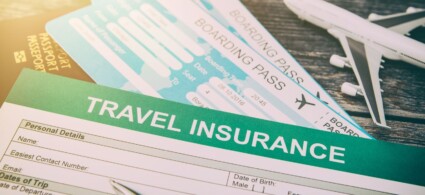
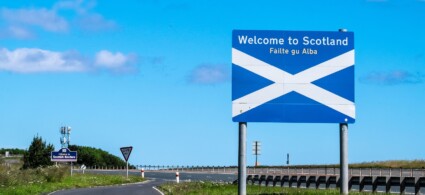
Since the United Kingdom is no longer part of the European Union, your European health insurance card has limited coverage: it’s wise to arrange travel insurance before you leave. The same goes for mobile phones: EU roaming protections don’t apply, and costs vary by operator. One final note: Scotland’s flag, the white saltire on a blue field, is one of Europe’s oldest and remains one of the nation’s most cherished symbols.


















 Hotel
Hotel  Budget accommodations
  Apartments
  Family Hotel
  Luxury Hotel