Edinburgh Weather
What will the weather be like in Edinburgh? Although rain is almost guaranteed, it's worth checking the weather forecast before you set off.
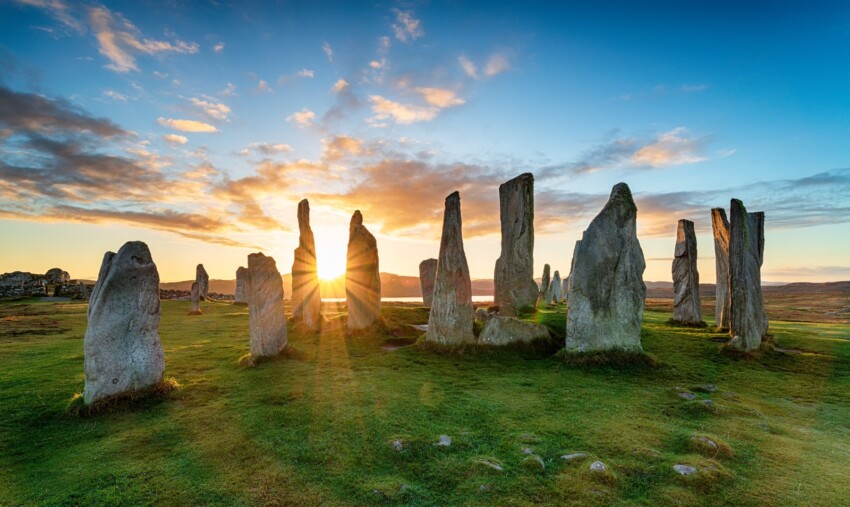
Scotland’s climate is heavily influenced by Atlantic and Nordic weather systems that periodically sweep across its coastline.
Making accurate weather forecasts is virtually impossible, and you should be prepared for changeable and unpredictable conditions that can shift rapidly from sunshine to rain, depending on the winds and currents.
But don’t let this deter you: when the sun does break through, you’ll witness truly spectacular views!
Below are the weather forecasts for the next days for the main tourist destinations.
There’s just one word to describe Scotland’s climate: unpredictable. Within a single day, you may experience every possible weather variation for that time of year. It’s Scotland’s geographical position at the north-western edge of Europe, surrounded by sea on three sides, that creates this climatic instability.
But it’s precisely this variability that will make your trip even more unique: atmospheric phenomena are spectacular and photogenic, and the interplay of shadows, light, rainbows and sudden breaks in the clouds that illuminate the landscape are ideal conditions for photography enthusiasts. Local wisdom even suggests that on the islands you can witness all four seasons within a single day. And when the sun does emerge, perhaps after days of grey, rainy skies, the light and vistas it creates across the scenery before you will be truly unforgettable.
Another factor to consider when planning a Scottish trip is the variation in climate from region to region. Moving from the colder, drier eastern coast to the wetter west, the climate becomes milder but also more changeable and rainy, as it’s exposed to ocean winds and currents. The situation is quite different for the islands at Scotland’s far north, such as Orkney, Shetland and the Hebrides: these are harsh lands battered by storms year-round.
From a climate perspective, the best time to visit Scotland is from May to September, when you’re more likely to enjoy sunny, pleasant days: this is ideal for outdoor activities and hiking.
The summer months of June, July and August mark the peak of Scotland’s high season: this is the most popular time to visit Scotland, thanks to higher temperatures and longer daylight hours.
In mid-summer in northern Scotland and Shetland, the sun doesn’t set until around 9pm, and there are even approximately four hours more daylight compared to London.
August is also festival season, featuring the Military Tattoo in Edinburgh and the legendary Highland Games, plus numerous food and music events.
The downside is that in August major cities like Edinburgh are overwhelmed by tourists drawn by the festivals: we strongly recommend booking well in advance, especially around major events.
Another potential drawback of the summer season is the presence of midges, tiny insects that are particularly bothersome on the rare warm summer days without wind, biting and causing itchy welts. They’re especially prevalent near ponds and lochs.
Autumn colours and snow-capped peaks adorning the mountains in the winter months give Scotland a uniquely enchanting appeal: obviously you should expect cold, wet conditions and an icy wind that sweeps through valleys and towns.
Nonetheless, the winter period offers two excellent reasons to discover Scotland, particularly Edinburgh.
In late October, Halloween is celebrated, and Edinburgh, already famous as a ghost-infested city, hosts numerous themed events and activities every year. An impressive parade is also organised, making the Scottish capital one of Europe’s best places to celebrate Halloween.
Also in Edinburgh, in late December, the Hogmanay festival takes place – Europe’s biggest New Year celebration, a wonderful three-day festival that brings the city alive. In this case the city is literally stormed and accommodation often needs to be booked a year in advance.
Given how quickly weather changes in Scotland, our first piece of advice is to dress in layers – a t-shirt, a jumper, and finally a waterproof jacket for the ever-present rain.
This approach means you’re equipped for both mild temperatures and sudden, rapid weather changes.
It’s also useful when moving between outdoor and indoor spaces where you’ll notice a distinct temperature difference. Many pubs and venues have fires burning even in summer, especially in the north, and dressing appropriately helps you avoid falling ill.
It’s essential to be equipped for wind and rain: waterproof, comfortable walking shoes, a windproof jacket and an umbrella. Obviously much depends on when you’re travelling, but this is generally sound advice year-round.
Warm scarves, hats and gloves are essential during autumn, winter and early spring, when wind is the main challenge for visitors spending long hours outdoors sightseeing.
In any case, we always recommend checking the local weather forecast to understand upcoming conditions and choose your clothing more carefully.
As a reminder, remember to bring your driving licence, identity documents, credit cards with their PINs, emergency phone numbers, an adaptor to charge your camera and mobile phone batteries, and a detailed map if you’re planning to hire a car.

 Hotel
Hotel  Budget accommodations
  Apartments
  Family Hotel
  Luxury Hotel