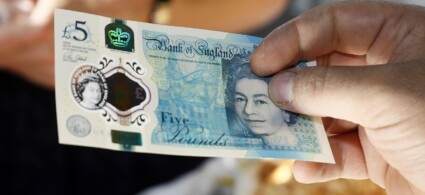
British Pound, the Currency of the United Kingdom
Discover how to find out the euro to pound sterling exchange rate, learn about coins and banknotes, and get practical tips on how to pay in the United Kingdom.
Read more
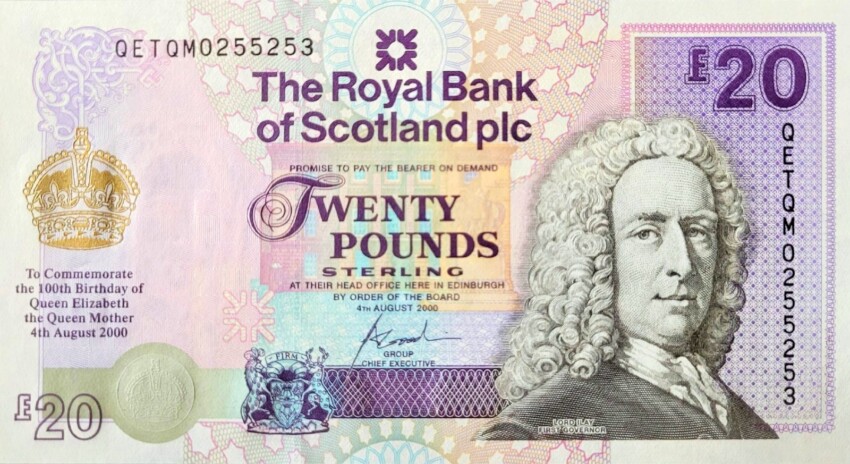
The official currency of Scotland is the British pound sterling, issued by the Bank of England; however, visitors arriving in Scotland for the first time are often surprised: the banknotes they receive from a cash machine or as change in a shop don’t resemble those seen in London. They depict castles, Highland landscapes, historic bridges and figures from Scottish culture. They are British pound sterling notes in every respect — the same currency, same value, same legal validity — but printed by Scottish banks with their own designs. A peculiarity that has no equivalent in any other European country and which has roots in centuries of history.
The reason is historical and dates back to 1695, a year after the foundation of the Bank of England. The Scottish Parliament — still independent, twelve years before the Act of Union of 1707 — established the Bank of Scotland, authorising it to issue its own banknotes. It was a choice born of economic sovereignty as much as practical necessity: Scotland had its own legal system, its own banking system and intended to keep them separate from those of England.
When Scotland and England united in 1707 to form the Kingdom of Great Britain, the Scottish banking system remained separate by explicit provision of the treaties. The Act of Union guaranteed Scotland the preservation of its own legal system and financial institutions, and the right of Scottish banks to issue currency was never abolished. To this day, three institutions are authorised to print pound sterling banknotes for Scottish territory: the Bank of Scotland, the Royal Bank of Scotland and the Clydesdale Bank. Each issues its own series with independent designs, whilst still respecting the reserves imposed by the Bank of England.
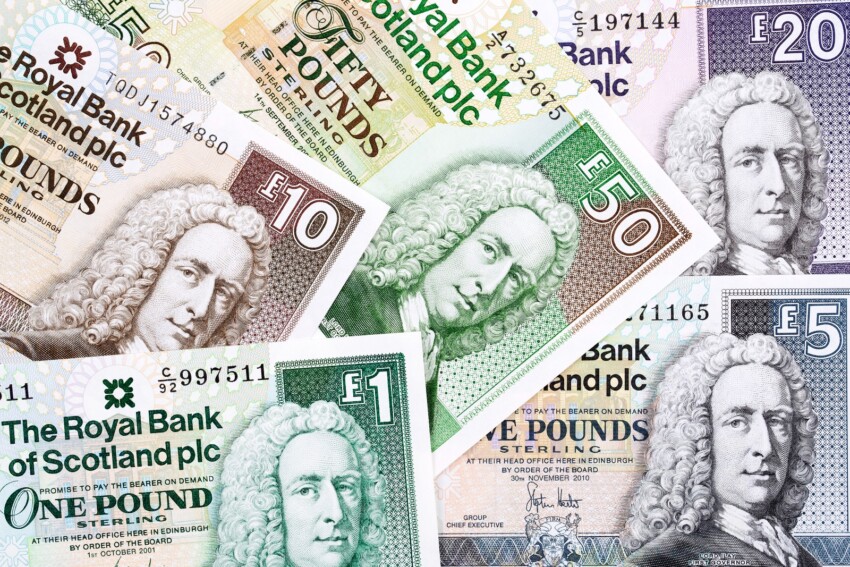
Unlike Bank of England banknotes — which feature the monarch’s portrait on the front — Scottish banknotes are not required to represent the Royal Family. The Bank of Scotland traditionally depicts the Palace of Holyroodhouse and Edinburgh Castle; the Royal Bank of Scotland has dedicated series to figures such as poet Robert Burns and scientist Mary Somerville; the Clydesdale Bank has celebrated figures such as Robert the Bruce and Alexander Fleming, the discoverer of penicillin.
Scottish banknotes come in the same denominations as English ones — £5, £10, £20 and £50 — and are printed both on paper and, in more recent series, on polymer.
Technically yes: Scottish banknotes are legal tender and no retailer has the right to refuse them if they are genuine. In practice, outside Scotland — particularly in England — you may occasionally encounter a cashier who refuses them due to unfamiliarity or simple scepticism. It’s not a frequent occurrence, but it’s worth knowing that if you return from a trip to Scotland with Scottish banknotes in your wallet, it might be useful to exchange them before leaving the country. Banks will change them without any problems or charges.
For all practical information about sterling — exchange rates with the euro, how to pay in the United Kingdom and advice on where to exchange currency — consult our complete guide to British pound sterling.
 Hotel
Hotel  Budget accommodations
  Apartments
  Family Hotel
  Luxury Hotel