1 Leonardo Royal Hotel Edinburgh
Edinburgh - 43 Jeffrey Street
Leonardo Royal Hotel Edinburgh is In the heart of Edinburgh's Old Town, right beside the Royal Mile and less than a 5-minute walk from Waverly Train Station.
Book now
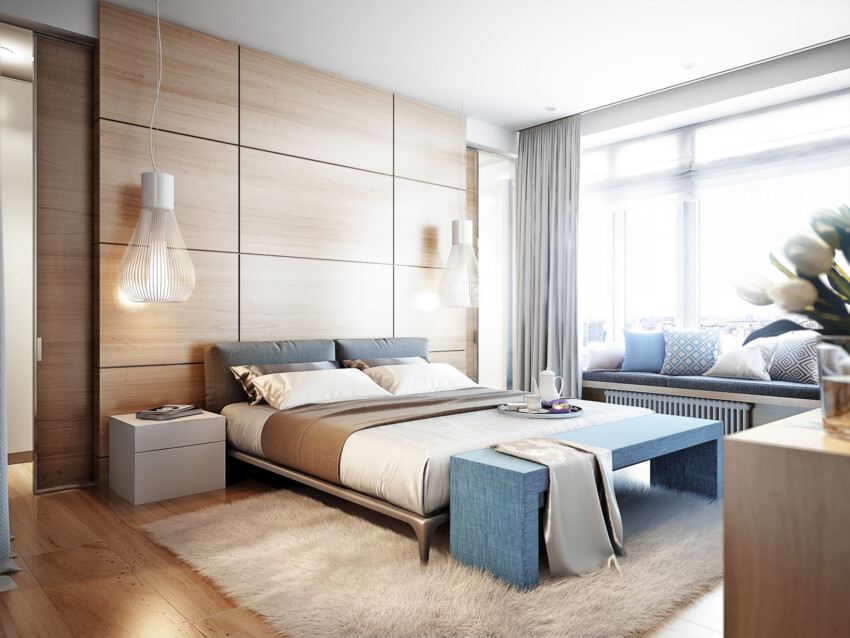
Choosing where to stay in Scotland is one of the decisions that most influences the quality of your trip. The country offers a range of accommodation far beyond large chain hotels: from castle hotels — authentic castles converted into guesthouses — to family-run B&Bs in the Highlands, from holiday cottages isolated on the islands to glamping with mountain views. Your choice of accommodation depends on the type of trip you have in mind, which area you want to explore, and how much you’re interested in immersing yourself in local culture.
The distribution of properties reflects the country’s geography. The major cities — Edinburgh and Glasgow — offer the widest selection, from budget hostels to luxury hotels in restored Georgian and Victorian buildings. In the Highlands and on the islands, B&Bs, family-run guesthouses and rental cottages predominate: smaller properties, often more authentic and with parking always available — a detail that’s far from negligible when travelling by car.
The range of services covers every budget. Those seeking comfort and a central location will find it easy in the cities; those preferring isolation and contact with nature will often have to forgo some amenities but will gain in authenticity. During peak season — from late June to August — availability shrinks quickly, especially on the Isle of Skye and in more remote areas: booking two or three months in advance is far from excessive caution.
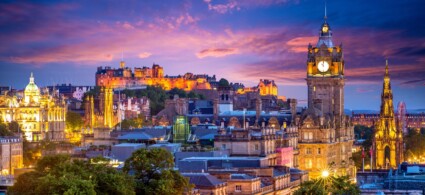
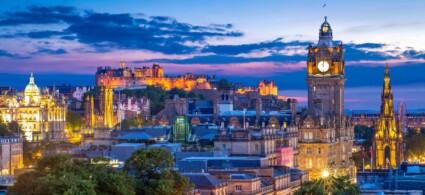
Edinburgh hosts the most complete range of accommodation in all of Scotland. The Old Town — around the Royal Mile and Grassmarket — concentrates boutique hotels in medieval and Victorian buildings, B&Bs with views over the castle, and apartments for short-term rental that are much in demand. Staying here means everything is within walking distance: the Castle, Holyroodhouse, museums and the city’s liveliest nightlife. The Georgian New Town offers instead more elegant and quieter properties, often housed in nineteenth-century townhouses with high ceilings and decorated cornicing.
For those with a tighter budget, the districts of Leith, Bruntsfield and Morningside offer B&Bs and guesthouses with excellent value for money and good transport links to the centre. During the Edinburgh Festival in August the city fills up completely and prices rise significantly: if you’re planning a visit during that period, book well in advance. The hostels in the Cowgate area are among the most economical and central in the country.
Edinburgh is also the ideal base for those wanting to hire a car at the airport and head off to the Highlands the next morning. For guidance on the capital’s accommodation options, read our guide to where to stay in Edinburgh.
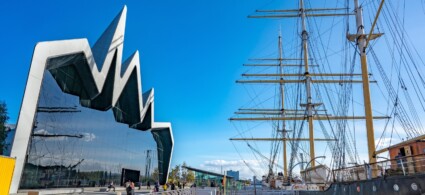
Glasgow offers accommodation that is generally more affordable than Edinburgh, with choice concentrated in the City Centre around George Square and in the vibrant Merchant City district, where design hotels in converted industrial buildings sit alongside stylish apartments. The West End, around the university and Kelvingrove Park, is the preferred area for those seeking B&Bs in Victorian properties and a more relaxed atmosphere, with independent cafés and markets just a few steps away.
For those arriving or departing from Glasgow International Airport, several airport hotels offer dedicated shuttle services and competitive rates, ideal for those with tight connections or an early morning flight. Large chain hotels in the city centre are instead the most common choice for business travellers. Glasgow also has a lively hostel scene, with modern properties near the central station.
Glasgow is the natural starting point for the Highlands and for Loch Lomond and The Trossachs National Park, reachable in under an hour. If you want to explore the city before heading off, our guide to where to stay in Glasgow brings together the best areas.
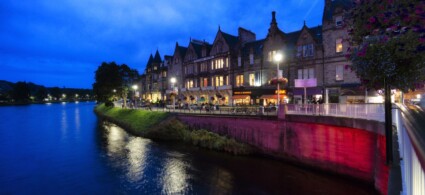
Staying in the Scottish Highlands is an experience with no equivalent elsewhere in Britain. The most common types of accommodation are guesthouses and family-run B&Bs in villages along the main roads — Inverness, Fort William, Aviemore — with generous breakfasts featuring local ingredients, smoked salmon and porridge. In more remote areas there are also luxury lodges set in the moorland, ideal for couples seeking isolation and comfort.
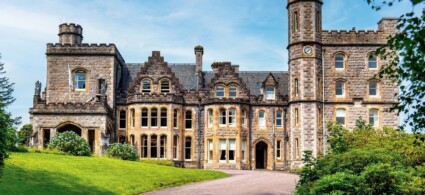
A category of its own are castle hotels: authentic castles converted into guesthouses, often featuring baronial dining rooms, open fireplaces and grounds with deer roaming about. The price is generally high, but the experience is unforgettable. For those travelling in a more adventurous spirit there are also bothies — free, unstaffed shelters scattered throughout remote valleys — and equipped campsites along the West Highland Way.
During peak season, accommodation in the Highlands runs out quickly, especially along the NC500 and in the most photographed villages. For inspiration on where to stop, read our guide to where to stay in Scotland.
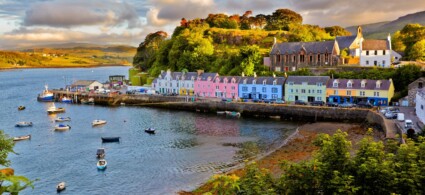
The Isle of Skye is the Scottish destination with the highest demand for accommodation relative to available supply. Properties are concentrated around Portree, the main town, and Broadford to the south, but B&Bs and holiday cottages are scattered across the island, often in isolated locations with views over the Cuillin mountains or the sea. Many travellers deliberately choose accommodation away from settlements to enjoy the isolation and the quiet nights that characterise Skye.
The most romantic properties are traditional stone cottages, heated by wood-burning stoves and surrounded by moorland: ideal for couples, but less practical for those travelling with small children or needing reliable internet connection. Portree offers instead a selection of hotels and guesthouses with all amenities. In the summer months many properties are booked months in advance, especially the more well-known family B&Bs.
The island is accessible by car via the bridge from Kyle of Lochalsh or by ferry from Mallaig. Regardless of your accommodation, having a car is essential: public transport on the island is limited and many walking trails start from car parks accessible only by road.
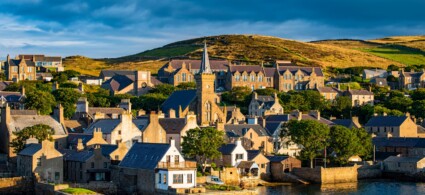
The Orkney Islands and the Shetland Islands offer an even more authentic and isolated stay. In Orkney choice is concentrated around Kirkwall and Stromness, with hotels, B&Bs and self-catering cottages serving mainly visitors to the UNESCO World Heritage neolithic sites. The selection is more limited than on the mainland, but adequate for a two or three-day stay.
In Shetland, Lerwick is the only centre with a decent range of properties; outside the capital you’ll find mostly holiday homes for rent, often in fishing villages overlooking the fjords. Some farms offer rooms to walkers, in a context of genuine hospitality that has little of the touristy about it. For those staying in the northern islands, wind is a constant presence: properties that are well insulated and equipped with efficient heating are a requirement to check before booking.
To reach both archipelagos there are flights from Edinburgh and Aberdeen, or overnight ferries with cabins. Your choice of transport affects accommodation logistics: those arriving by ferry have often already slept onboard and can start exploring straight away.
Scotland offers one of the richest varieties of accommodation in Northern Europe. International hotel chains guarantee consistent standards in major cities. Family-run bed & breakfasts and guesthouses are the most authentic choice: generous breakfasts, owners who know every trail and corner of the region. Holiday lets and cottages are perfect for longer stays and families, especially in the Highlands and on the islands.
Castle hotels in authentic castles offer a truly unique experience, available throughout Scotland. Luxury villas and lodges in natural settings provide seclusion and premium comfort. For tighter budgets, hostels in university cities and along the West Highland Way maintain high standards. Finally, glamping — equipped tents and pods in panoramic locations — is a rapidly growing trend.
Scotland boasts a truly extensive choice of hotel accommodation, from small, elegant modern hotels in city centres to those with traditional styling, located in country estates.
Many hotels even have a bar or pub on the premises!
In more remote areas, village inns are making a comeback — inns, that is, restaurants and pubs with rooms, offering a convivial atmosphere and the opportunity to enjoy quality local dishes.
Hotel rates vary depending on category and season. In low season (October to late May), many hotels offer special rates and it’s worth enquiring at the time of booking. During major events and tourist festivals, it’s advisable to book well in advance to secure the best rates and have greater choice.
To save money, you might consider rooms with shared bathrooms: in this case the room is equipped with an en-suite basin. This type of room is called a standard room, whilst rooms with private bathrooms are called en-suite rooms.
In many hotels, breakfast is considered a separate service and therefore carries an extra charge.
Hotels are certainly the most expensive option for sleeping in Scotland, are more formal and certainly less welcoming than B&Bs, and as mentioned, breakfast is not included in the price.
See the best hotels in ScotlandGuesthouses and bed & breakfasts are essentially the same type of accommodation (the difference is fundamentally the number of rooms) and you’ll find them everywhere — in cities, villages and the countryside. They typically have just a few rooms and are family-run. They offer excellent value for money and provide a wonderful opportunity to get to know local people.
As the name suggests, most provide only bed and breakfast, though in some you can also arrange dinner, especially in villages and rural areas, if requested in advance. They almost always have en-suite facilities, or if not, usually have a basin in the room.
To ensure you have a bathroom in your room, ask for “ensuite”. Note also that “twin bed” means 2 single beds whilst a double bed is called a “double bed”.
Since these are private homes, you should present yourself for check-in at reasonable times, preferably no later than 6pm. If you’re going to be late, it’s always best to notify the owners, who will wait for your arrival.
Especially in remote areas far from cities, B&Bs are the ideal accommodation for staying in truly spectacular panoramic locations, immersed in nature. If you also decide to visit less well-trodden tourist areas, such as the islands, we recommend booking in advance given the scarcity of facilities.
Outside the main cities, many establishments close during low season awaiting the busier tourism months.
The cost of B&Bs and guesthouses is typically high: ranging from £35 to often £50 per person per night.
See the best B&Bs in ScotlandScotland’s youth hostel network is very extensive: they are well-equipped, clean, comfortable and often also have private double rooms available. Choosing a hostel is an excellent way to save money, especially in large cities where prices are higher, but also to connect with fellow travellers and share experiences.
The typical features of hostels are:
Remember to bring towels with you: unlike bed linen, which is usually included, towels are not provided with the room. For those wishing to save on food as well, many hostels provide kitchens where you can prepare your own meals: this solution is suitable not only for budget-conscious travellers but also for families travelling with young children.
The largest hostel association in Scotland is the SYHA (Scottish Youth Hostels Association): to stay in an SYHA hostel, you must be a member of the International Youth Hostel Association or the SYHA. If you’re not a member of one of the organisations affiliated with Hostelling International, you’ll need to pay a membership fee.
There are also independent hostels, called bunkhouses, which do not require membership or association cards. They generally have a smaller presence and fewer rules. Many of these hostels are affiliated with the Independent Backpackers Hostel of Scotland.
As always, we recommend booking your hostel well in advance, especially if you’re planning to stay in cities during major events or popular festivals.
See the best hostels in ScotlandCamping enthusiasts, whether in tents, caravans or motorhomes, will appreciate the wide choice of campsites in Scotland (over 400) equipped with excellent facilities. This type of accommodation is particularly suited to nature lovers and those who prefer informal and practical lodging.
Most Scottish campsites are, for obvious climatic reasons, open only from April to October. Some also have fixed caravans that can be rented with kitchen facilities for extended periods.
For the delight of wild camping enthusiasts, note that in Scotland wild camping is permitted on public land and in open countryside. In remote locations camping is usually tolerated even on private land, but whenever possible, seek permission before pitching your tent.
Never camp near houses or farms unless you have permission, respect others’ privacy and be meticulous about cleanliness and hygiene. You can find more information on Mountaineering Scotland.
Almost all Scottish roads are sufficiently wide to be navigated by motorhomes and caravans, but we recommend following road signs and the recommendations of tourist information offices, and avoiding rough roads from which you might have difficulty extracting yourself if necessary.
On narrow roads that allow only single-vehicle passage, pull over at the designated passing places to allow other vehicles to pass or overtake.
See the best campsites in ScotlandUse the form below to check room availability and prices in real time.
 Hotel
Hotel  Budget accommodations
 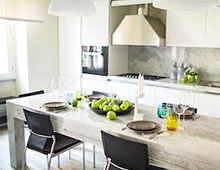 Apartments
 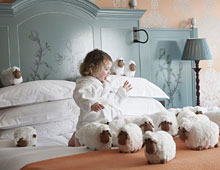 Family Hotel
 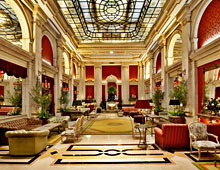 Luxury Hotel