Documents for Travelling to the United Kingdom
Do you need a passport to travel to the United Kingdom? All the information on required documents for visiting London, England, Wales and Scotland.
Planning a trip to Great Britain means preparing to explore a country capable of surprising you at every turn, where medieval castles and ultramodern districts are often found just minutes apart. The possibilities are almost endless: the frantic energy of London, the harsh and silent landscapes of the Scottish Highlands, the gentle rolling hills of the Cotswolds, the dramatic cliffs of the Welsh coast. Whatever your itinerary, some practical information will help you avoid unpleasant surprises.
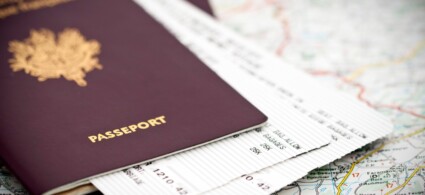
The first thing to clarify concerns the documents required to enter the United Kingdom: since Brexit, European Union citizens must present a valid passport, as national identity cards are no longer accepted. A visa is not required for tourist stays of up to six months. Also remember that the local currency is British pounds sterling, not euros: it’s worth withdrawing cash from ATMs or exchanging currency before departure or upon arrival, keeping an eye on the euro-pound exchange rate to assess the best moment.
Regarding climate, expect considerable variability: southern England is the mildest part of the country, whilst Scotland brings frequent rain and strong winds in any month of the year. The most favourable window for a trip falls between May and September, with June and September often offering the best balance between fine weather, long days and fewer crowds compared to the height of summer.
At the table, British gastronomic tradition has far more to offer than its reputation suggests: fish and chips wrapped in paper, the Sunday roast, the full English breakfast with eggs, sausages and baked beans, and a pub scene that remains one of the most authentic elements of local culture. English is the official language, but in Wales Welsh is co-official and widely used in daily life.
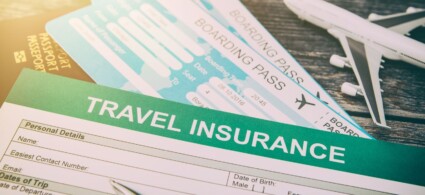
One point that many travellers tend to overlook: the United Kingdom is not part of the European Union, which has important practical consequences. The European health insurance card does not cover medical expenses in the country, so it’s essential to activate appropriate travel insurance before departure. It’s also worth checking on mobile coverage: the roaming protections provided by EU regulations do not apply in the United Kingdom, and costs for data and calls can vary considerably from one operator to another.
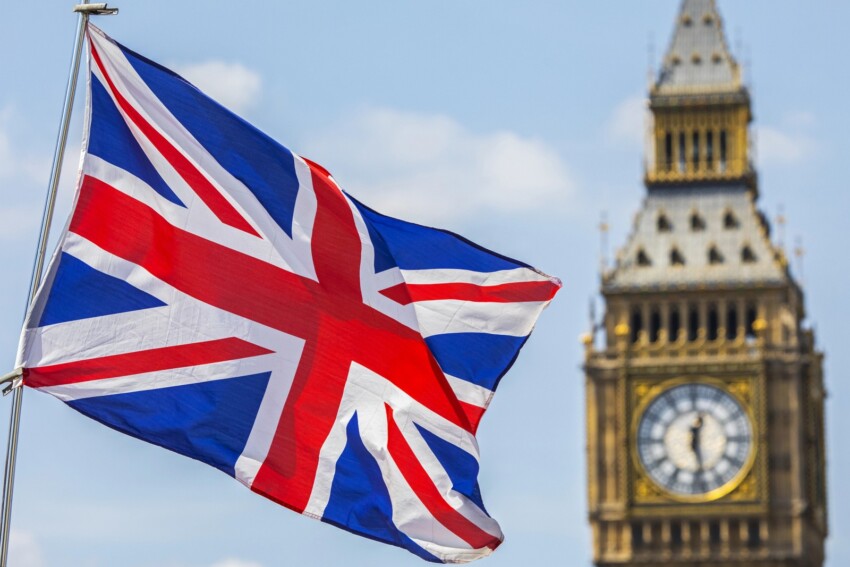
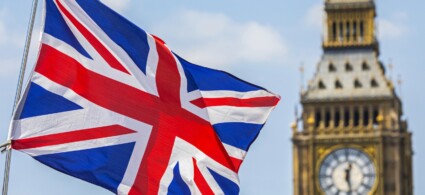
Finally, one last detail worth knowing: the flag of the United Kingdom, the famous Union Jack, is not simply the English flag as many think, but rather the overlapping of the Cross of St George, St Andrew and St Patrick — a visual symbol of the union between England, Scotland and Northern Ireland.
Many people, including those who have travelled extensively, often confuse England, the United Kingdom, Brittany and Great Britain. Here’s how to distinguish them.
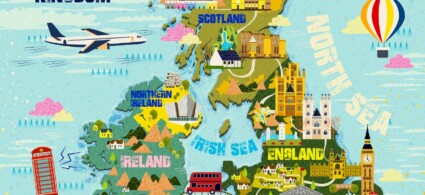
Great Britain is the island on which three distinct nations stand: England, Scotland and Wales.
The United Kingdom is the political entity that includes the three countries of Great Britain mentioned above plus Northern Ireland; indeed, its full name is “United Kingdom of Great Britain and Northern Ireland”.
Together, these four countries are considered a single nation with London as its capital. However, it’s important to note that each of these four nations has its own capital:
Be careful not to confuse Northern Ireland with the Republic of Ireland (Éire). The latter is an independent country and its capital is Dublin.
Finally, Brittany has nothing to do with the island of Great Britain or the United Kingdom; it is in fact a region in northern France.












 Hotel
Hotel  Budget accommodations
  Apartments
  Family Hotel
  Luxury Hotel