The events calendar in the United Kingdom is among Europe’s richest and most varied. Every month of the year brings deeply rooted traditions, world-famous festivals, iconic sporting occasions and celebrations that have no equivalent elsewhere. From London to the Scottish Highlands, via Wales and Northern England, every region of the country offers authentic experiences capable of transforming an ordinary visit into an unforgettable memory.
Planning ahead around the events calendar allows you to organise your trip more strategically: certain times of year transform cities like Edinburgh and London into extraordinary stages, but they require booking accommodation and tickets well in advance. This guide brings together the fixed dates on the British calendar — events that repeat year after year and are always worth considering when planning a visit.
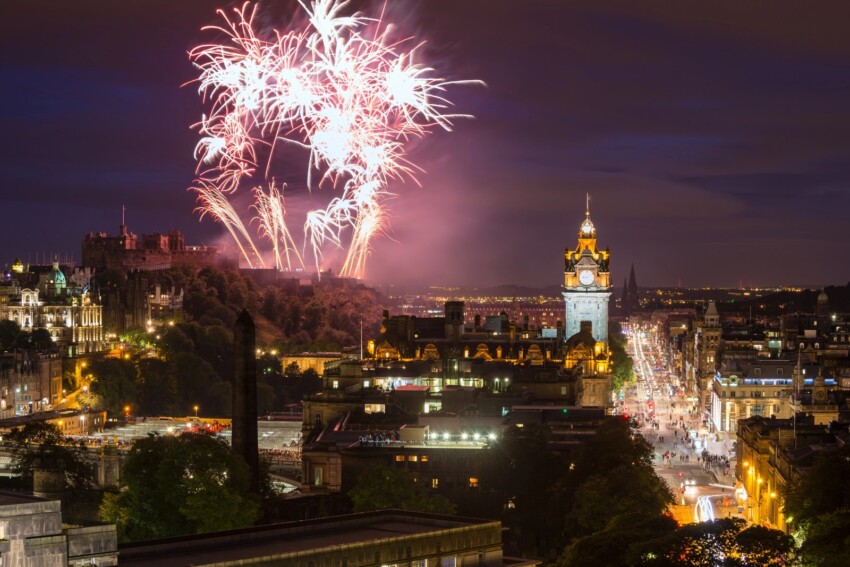
Edinburgh’s New Year celebration, known by the Scots Gaelic name Hogmanay, is considered Europe’s largest New Year festival and attracts over 150,000 visitors each year. The festivities begin on 30 December with the spectacular Torchlight Procession, a procession of tens of thousands of people who traverse the historic centre carrying lit torches, from the Royal Mile to Calton Hill. New Year’s Eve is the heart of the celebration: Edinburgh’s city centre transforms into an enormous street party with live concerts, ceilidh dancing, bagpipe bands and, at the stroke of midnight, a spectacular fireworks display against the backdrop of the Castle. Celebrations continue on 1 January with free events throughout the city. Booking accommodation and tickets at least six months in advance is essential.
On the remote Shetland Islands, every January hosts one of the most extraordinary spectacles of the British isles. Up Helly Aa is a fire festival of Norse origin: around a thousand participants dressed as Vikings gather in a night-time procession through the streets of Lerwick carrying blazing torches, before setting fire to a replica Viking ship. The ceremony recalls Shetland’s Scandinavian roots — the islands remained under Norwegian rule until 1469 — and concludes with dancing and celebrations that continue until dawn. The main event in Lerwick takes place on the last Tuesday of January, but there are eleven different versions of the festival throughout the archipelago, spread between January and March.
On 25 January all of Scotland celebrates Burns Night, an evening dedicated to Scotland’s national poet Robert Burns on his birthday. Pubs, restaurants, clubs and private homes organise traditional Burns Suppers: ritual dinners where haggis — Scotland’s national dish made with sheep’s offal — is served, accompanied by readings of Burns’s poetry, bagpipe performances, traditional songs and generous quantities of whisky. It’s a unique opportunity to immerse yourself in the authentic heart of Scottish culture by attending public events organised in almost every city across the country.

Every winter, England, Scotland and Wales take to the field in the Six Nations Rugby Tournament, the country’s most-watched winter sporting occasion. Home matches at Twickenham (England), Murrayfield (Edinburgh) and Principality Stadium (Cardiff) transform their respective cities into hotbeds of passion and tradition. Watching a match live — especially in derbies such as England vs Scotland or Wales vs England — is an experience that goes far beyond sport itself: it’s British popular culture in its purest form.
Dydd Gŵyl Dewi, or St David’s Day, is Wales‘s national day. Every year on 1 March, Welsh cities come alive with parades, concerts, cultural events and gastronomic initiatives celebrating Welsh identity and language. In Cardiff, the capital, the day is particularly vibrant: Welsh people traditionally wear a leek or daffodil in their buttonhole — the two national symbols — and take part in events that celebrate music, poetry and choral singing, which have always been central to the country’s culture.
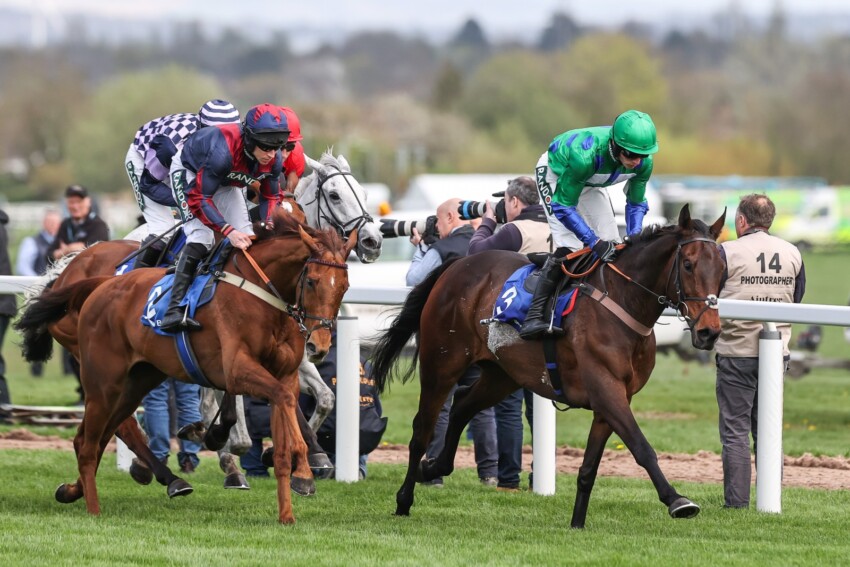
The Aintree Grand National, held each year in early April at the Aintree racecourse near Liverpool, is the UK’s most famous and widely followed horse race. It’s far more than a sporting event: it’s a collective ritual during which millions of Britons place bets on the winner even if they’re not racing enthusiasts. The atmosphere over the three-day event — with Ladies’ Day and the elaborate millinery that takes centre stage — provides a vivid snapshot of British popular culture.
Every late May, the gardens of the Royal Hospital Chelsea in London host the Chelsea Flower Show, the world’s most famous horticultural event. Organised by the Royal Horticultural Society, it attracts over 150,000 visitors annually and features spectacular garden displays, floral exhibitions and previews of gardening trends. Entry requires advance booking, but simply strolling around the area during the event allows you to breathe in a unique atmosphere. The RHS members’ evening on the first day’s opening night is traditionally one of London’s most eagerly anticipated social occasions on the calendar.
23 April is England‘s national day, dedicated to St George, the country’s patron saint. Although not an official bank holiday, the day is celebrated with events, concerts and parades in many English cities. In London, Tower Bridge and many other monuments are dressed in the colours of the St George’s Cross. It’s also the day when Windsor Castle hosts special ceremonies linked to the Order of the Garter.
Trooping the Colour is the military parade with which the British sovereign’s official birthday is celebrated, a tradition dating back to the 18th century. The procession departs from Buckingham Palace, proceeds down the Mall and concludes at Horse Guards Parade, with the participation of over 1,400 soldiers, 200 horses and 400 musicians. It’s one of the most spectacular displays on the official British calendar and one of the rare moments when you can see the Royal Family in full formation. Access to the parade route is free, but the best viewing spots are claimed many hours in advance.
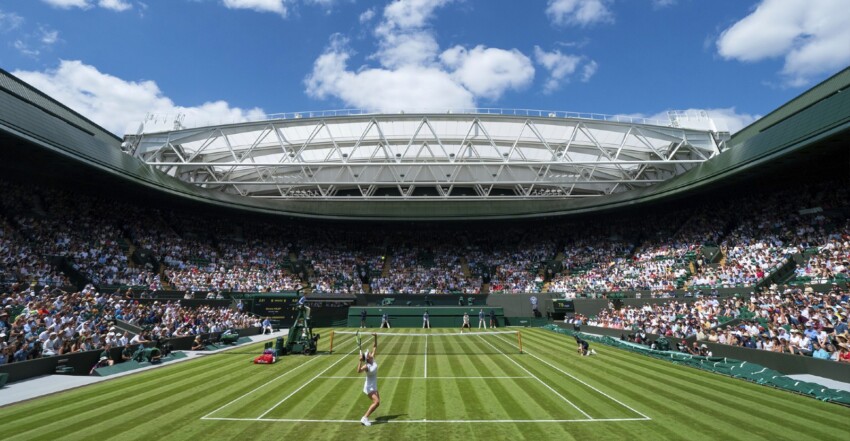
The Wimbledon tennis tournament is far more than a sporting competition: it’s a British cultural institution. Held at the All England Lawn Tennis Club since 1877, it’s the only Grand Slam still played on grass and the world’s most-watched tennis tournament. The strawberries and cream, the white dress code for players, the long queues for tickets in the early morning hours and the atmosphere at Centre Court are iconic elements with no equivalent. Tickets for the main courts are allocated by ballot and draw; for Court One and the outer courts, it’s possible to queue on the morning of the event itself.
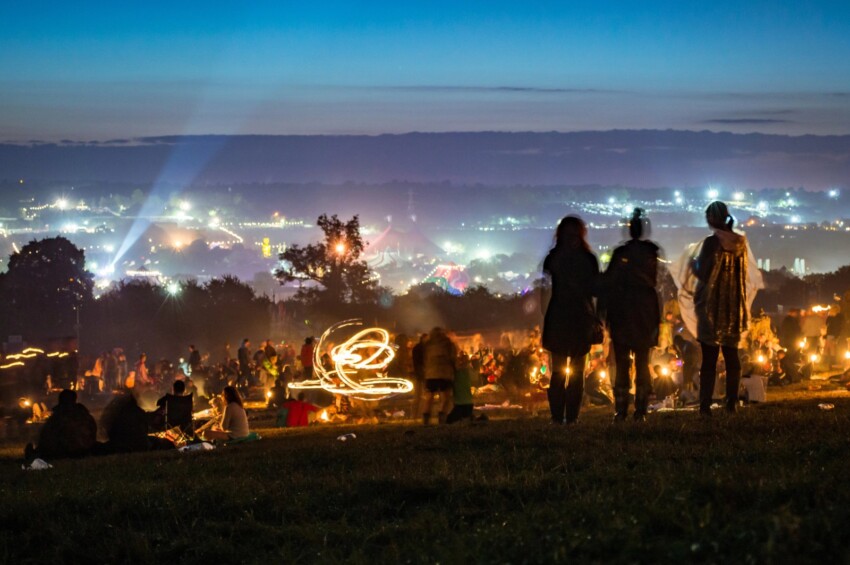
The Glastonbury Festival is the world’s most famous and eagerly anticipated open-air music festival, held annually (with occasional gaps) on the fields of Worthy Farm in Somerset. With a capacity of over 200,000 spectators, it presents hundreds of artists across dozens of stages over five days, with a programme ranging from pop and rock music to jazz, electronics and folk. Tickets sell out within minutes of going on sale — often more than a year in advance — and the experience of camping in the Glastonbury mud has become an integral part of the festival’s legend. The event is normally held in the last week of June.
The week-long Royal Ascot horse racing event, just a few kilometres from Windsor Castle, is one of the most elegant occasions on the British calendar. Five days of top-level racing, traditionally attended by the Royal Family who arrive by carriage along the Royal Enclosure route. Formal dress — with elaborately decorated hats for women — is mandatory in reserved areas and optionally displayed by the rest of the crowd. Royal Ascot is simultaneously a major equestrian event and a showcase of fashion and social pageantry.
The BBC Proms are the world’s largest series of classical music concerts, organised every summer by the BBC at the Royal Albert Hall in London. The programme runs for approximately eight weeks between July and September, with almost 70 concerts spanning symphonic opera to chamber music, baroque to contemporary. Standing-room tickets — the famous “Promenade stalls” — are deliberately affordably priced to make classical music accessible to everyone. The grand finale, the Last Night of the Proms, is broadcast across the country and abroad and is one of the most festive and patriotic evenings on the British calendar.
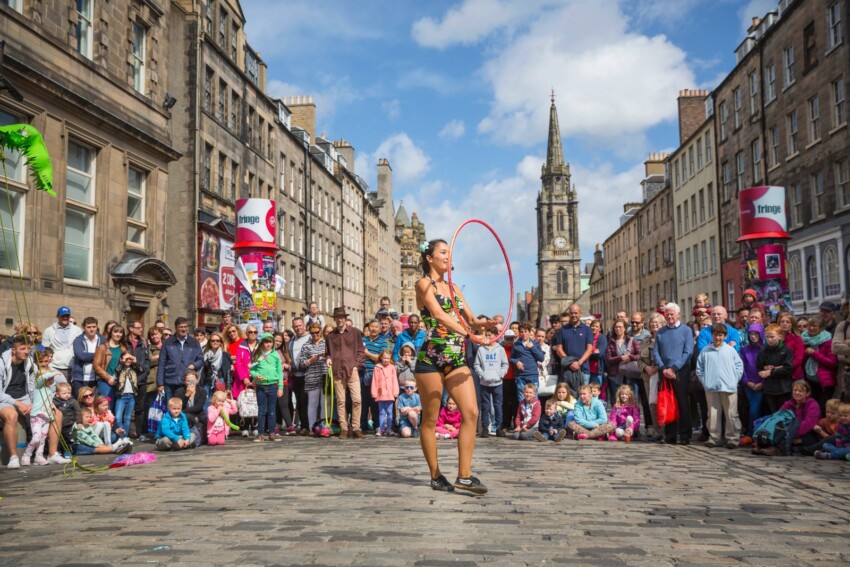
Every August, Edinburgh becomes the world capital of the performing arts. The Edinburgh Festival Fringe is the world’s largest arts festival: for three weeks, over 3,000 performances take place in hundreds of venues across the city, featuring stand-up comedy, theatre, dance, magic, cabaret, music and much more. Alongside the Fringe runs the Edinburgh International Festival, with high-level operatic, theatrical and symphonic productions, and the Royal Edinburgh Military Tattoo, the military band spectacular on the Castle esplanade that ranks among the most photographed events in the entire UK. August is when Edinburgh’s population nearly doubles: booking accommodation at least six months in advance is essential.
During the August Bank Holiday weekend, the streets of Notting Hill and North Kensington in London transform into Europe’s largest street carnival. The Notting Hill Carnival, founded in 1966 by the Caribbean community settled in the neighbourhood, welcomes approximately one million people each year. Reggae, calypso and soca music resound from sound systems along the parade route, whilst colourful carnival floats and spectacular costumes parade through the crowds. Sunday is traditionally dedicated to families with children, whilst Monday features the main processions.
The Highland Games are athletic and cultural competitions typically Scottish in nature, held across numerous locations in Scotland throughout the summer, from May to September. The most iconic competitions include caber toss, hammer throw, tug of war and pole vault — disciplines that evoke the warrior games of ancient Highland clans. Alongside the athletic contests are bagpipe competitions and traditional dances, craft and food markets. The largest event is the Cowal Highland Gathering in Dunoon, held on the last weekend of August.
The 30th of November, St Andrew’s Day, is Scotland’s national day. Throughout the nation, cultural events, traditional music concerts, dinners featuring typical Scottish fare and parades are organised. The Saltire — Scotland’s flag bearing St Andrew’s Cross — flies everywhere, and many pubs and restaurants offer special menus based on local produce. While not an official public holiday, it’s celebrated with growing enthusiasm, bolstered by the strengthening of Scottish national identity over recent decades.
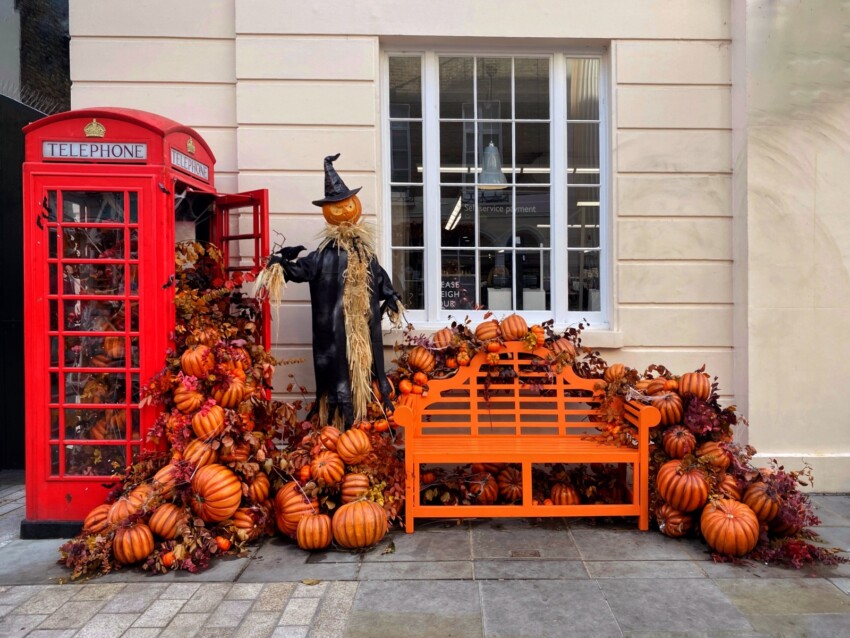
On 31st October, the United Kingdom celebrates Halloween with widespread participation, particularly in Edinburgh — already known as Europe’s most haunted city — where massive themed events are staged each year, including the Samhain fire festival and costumed parades animating the historic centre. In London, museums and historic attractions such as the Tower of London host special events, whilst across the country traditional trick-or-treating and fancy dress parties enliven neighbourhoods and venues.
Bonfire Night — also known as Guy Fawkes Night or Fireworks Night — is perhaps the most quintessentially British popular tradition in the autumn calendar. On 5th November each year, commemorating the failure of the Gunpowder Plot of 1605, when the Catholic Guy Fawkes attempted to blow up Parliament with King James I inside, the skies across the country ignite with bonfires and fireworks. Every city, every neighbourhood and many private parks organise their own pyrotechnic displays, often accompanied by street fairs, food stalls and, invariably, the traditional straw effigy of the unfortunate conspirator burned in remembrance.
On the second Sunday in November, the United Kingdom commemorates those who fell in all wars with Remembrance Sunday. The main ceremony takes place at the Cenotaph in Whitehall in London, attended by the Sovereign, the Prime Minister and senior state officials, in one of the country’s most solemn official ceremonies. Two minutes of silence at 11:00 on 11th November are observed throughout the country — the exact hour when, in 1918, the armistice came into effect, ending the First World War. The symbol of the commemoration is the red poppy, sold by the Royal British Legion and worn by almost all British people in the weeks preceding.
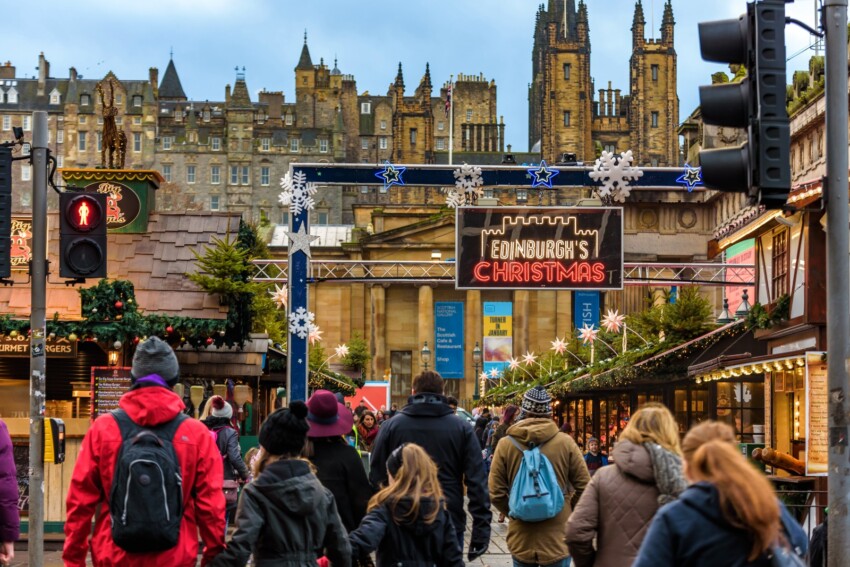
Christmas markets brighten British cities from late November through Christmas Eve. The most famous are those in London — featuring the charming Hyde Park market (Winter Wonderland), one of Europe’s largest — and that in Edinburgh, set in Princes Street Gardens with the castle illuminated as a backdrop. Manchester hosts one of the country’s largest German-style Christmas markets, spread across several city-centre squares, whilst Birmingham stages the Frankfurt Christmas Market, twinned with Bavarian tradition.
Christmas pantomime is an exclusively British theatrical tradition, cherished by generations of families. Each December, thousands of theatres across the country stage comic productions based on traditional fairy tales — Cinderella, Snow White, Aladdin, Peter Pan — following a formula that rarely changes: cross-dressed characters, hilarious gags, songs, audience banter and the ritual participation of the audience itself. West End London theatres and regional theatres present versions of varying elaborateness, often featuring film and television stars in leading roles. Pantomime is one of the most characteristic shows you can experience during the British Christmas season.
 Hotel
Hotel  Budget accommodations
  Apartments
  Family Hotel
  Luxury Hotel